Move to Spain: Complete Guide for Expats & Retirees 2026

A vacation to Barcelona in 2016 completely reshaped the vision of retirement. Instead of enduring another decade of corporate grind before tapping into savings, those two weeks of wandering through Park Güell, savoring tapas until midnight, and realizing that monthly expenses could drop by 40% while quality of life soared changed everything. Just a few years later, mornings are spent sipping café con leche on a terrace in Valencia, investments are managed remotely, and retirement feels like a dream that was never even on the radar before.
Spain isn't just attracting traditional retirees anymore. From digital nomads seeking year-round sunshine to early retirees leveraging geographic arbitrage, España has become the European dream destination for Americans ready to trade stress for siesta. With its affordable healthcare, diverse climate zones, rich culture, and surprisingly accessible visa pathways, Spain offers something unique: the ability to live better for less while immersing yourself in one of Europe's most vibrant cultures.
Whether you're planning traditional retirement, considering an early escape from the corporate world, or simply dreaming of a more fulfilling lifestyle abroad, this comprehensive guide will walk you through everything you need to know about making Spain your new home. From navigating visa requirements to finding the perfect region for your lifestyle, we'll cover the real costs, practical challenges, and incredible opportunities that await in this captivating country.

Why Spain Is Perfect for American Expats & Retirees
Spain has emerged as a top destination for American expats and retirees, and the numbers tell the story. Over 100,000 Americans currently call Spain home, with that number growing by 15% annually. But what makes Spain so compelling compared to other European destinations?
COMPLETE GUIDE FOR RETIRING IN SPAIN
Geographic Diversity That Matches Any Lifestyle
Spain offers an extraordinary range of climates and landscapes within a single country. From the Mediterranean beaches of the Costa del Sol to the green hills of Asturias, from the cultural richness of Madrid to the laid-back island life of the Balearics, Spain provides options for every preference and budget.
Healthcare Excellence at Fraction of US Costs
Spain's healthcare system ranks 7th globally according to the World Health Organization, significantly outperforming the US system while costing a fraction of American healthcare expenses. Many procedures that cost tens of thousands in the US can be obtained for hundreds or low thousands in Spain.
Cultural Integration Without Language Barriers
While Spanish fluency certainly enhances the experience, Spain's growing international community and increasing English proficiency in major cities make the transition manageable for English speakers. The cultural warmth and patience of Spanish people create an environment where language learning happens naturally.
Strategic European Access
Spain provides easy access to all of Europe, making it perfect for those who want to explore multiple countries. Budget airlines connect Spanish cities to virtually every European destination, often for less than $100.
Political and Economic Stability
Despite economic challenges, Spain maintains political stability, strong democratic institutions, and EU membership benefits that provide security for foreign residents and investments.
Regional Deep-Dive: Exploring Spain's Diverse Expat Destinations
Spain's regional diversity is one of its greatest strengths for expats and retirees. Each area offers distinct advantages, costs, and lifestyle options. Here's your detailed breakdown of the top regions:
Andalucía: Classic Spanish Living 🏖️
Best For: Budget-conscious retirees, sun seekers, cultural immersion enthusiasts
Climate: Mediterranean with 300+ days of sunshine
Average Monthly Cost: €1,200-2,200
Expat Population: Very High (50,000+ Americans)
Andalucía represents everything people imagine when they think of Spain: whitewashed villages, flamenco rhythms, and endless sunshine. Cities like Málaga, Granada, and Sevilla offer rich history, affordable living, and established expat communities.
Key Cities:
- Málaga: International airport, growing tech scene, €1,400-2,000/month
- Granada: University town energy, Alhambra proximity, €1,100-1,800/month
- Sevilla: Cultural capital, authentic Spanish life, €1,200-1,900/month
- Cádiz: Coastal charm, fewer tourists, €1,000-1,600/month
Infrastructure Reality: High-speed rail connects major cities to Madrid in under 3 hours. International flights from Málaga reach most European capitals in 2-3 hours. Internet speeds average 100+ Mbps in cities, though rural areas may have limitations.

Valencia Region: Perfect Balance 🍊
Best For: Active retirees, food lovers, those seeking city amenities with beach access
Climate: Mild Mediterranean, ideal year-round temperatures
Average Monthly Cost: €1,400-2,400
Expat Population: High (15,000+ Americans)
Valencia offers the sweet spot many expats seek: a major Spanish city with excellent infrastructure, beautiful beaches within reach, and costs significantly lower than Barcelona or Madrid. The region produces Spain's famous oranges and offers some of the country's best cuisine.
Regional Highlights:
- Valencia City: Third largest Spanish city, City of Arts and Sciences, excellent public transport
- Alicante: Coastal living, international airport, strong expat services
- Benidorm: High-rise beach living, established British expat community
- Jávea/Dénia: Upscale coastal towns, international communities
Costa del Sol: Expat Haven ☀️
Best For: Luxury retirement, golf enthusiasts, established international community
Climate: Subtropical Mediterranean, warm winters
Average Monthly Cost: €1,800-3,500
Expat Population: Extremely High (60,000+ internationals)
The Costa del Sol has been attracting international residents for decades, creating sophisticated infrastructure specifically designed for expat living. While costs are higher, the convenience, services, and established communities provide unmatched support for newcomers.
Prime Locations:
- Marbella: Luxury living, high-end amenities, €2,500-4,000/month
- Fuengirola: Family-friendly, excellent transport, €1,600-2,800/month
- Nerja: Charming coastal town, dramatic cliffs, €1,400-2,500/month
- Estepona: Authentic charm with modern amenities, €1,500-2,700/month
Catalonia: Cosmopolitan Culture 🏛️
Best For: Urban professionals, culture enthusiasts, those seeking European sophistication
Climate: Mediterranean with distinct seasons
Average Monthly Cost: €2,000-3,200
Expat Population: High (20,000+ Americans)
Barcelona and the broader Catalonia region offer the most European experience in Spain, with strong international business presence, world-class museums, and sophisticated urban living. Costs are higher, but opportunities and cultural richness compensate.
Cultural Considerations: Catalonia has its own language (Catalan) alongside Spanish, and strong regional identity. While this adds cultural richness, it can create additional complexity for newcomers.

Balearic & Canary Islands: Island Paradise 🏝️
Best For: Remote workers, those seeking island lifestyle, winter escape seekers
Climate: Year-round mild temperatures, minimal seasonal variation
Average Monthly Cost: €1,600-2,800
Expat Population: Moderate to High (varies by island)
Spain's islands offer unique lifestyle opportunities, from the sophisticated international community in Mallorca to the subtropical paradise of the Canary Islands.
Island Profiles:
- Mallorca: International sophistication, excellent infrastructure, higher costs
- Ibiza: Creative community, higher costs, seasonal variations
- Tenerife: Year-round warmth, affordable living, growing expat community
- Gran Canaria: Diverse landscapes, excellent healthcare, moderate costs
Region | Monthly Budget | Climate | Expat Support | Best For |
|---|---|---|---|---|
Andalucía | €1,200-2,200 | Hot, Sunny | Very High | Budget retirees, culture lovers |
Valencia | €1,400-2,400 | Mild Mediterranean | High | Active lifestyles, food enthusiasts |
Costa del Sol | €1,800-3,500 | Warm year-round | Extremely High | Luxury living, golf, convenience |
Catalonia | €2,000-3,200 | Four seasons | High | Urban professionals, culture |
Canary Islands | €1,600-2,800 | Mild year-round | Moderate-High | Island lifestyle, remote work |
Living Costs & Financial Planning for Spain
Understanding the true cost of living in Spain requires looking beyond basic expenses to understand the lifestyle value you receive for your money. Here's a comprehensive breakdown that reflects real expat experiences:
Monthly Budget Breakdown by Lifestyle Level
Expense Category | Budget Living | Comfortable Living | Luxury Living |
|---|---|---|---|
Housing | €600-900 | €1,200-2,000 | €2,500-4,000 |
Food & Groceries | €300-450 | €500-700 | €800-1,200 |
Healthcare | €150-250 | €300-500 | €600-1,000 |
Transportation | €60-120 | €150-300 | €400-800 |
Utilities | €80-120 | €120-200 | €200-350 |
Entertainment | €200-350 | €400-600 | €800-1,500 |
Miscellaneous | €150-250 | €300-500 | €500-800 |
Monthly Total | €1,540-2,440 | €2,970-4,800 | €5,800-9,650 |
Regional Cost Variations
Major Cost Factors by Region:
- Housing: Varies dramatically by location, with coastal areas commanding premiums
- Dining: Restaurant meals cost 50-70% less than US equivalents across all regions
- Transportation: Public transport excellent and affordable in major cities
- Healthcare: Private insurance ranges €150-600 monthly depending on age and coverage
For those considering whether Spain offers the best value among retirement destinations, our comprehensive analysis of the best places to retire abroad compares Spain against other popular expat destinations worldwide.

Real Estate Investment Opportunities
Buying vs. Renting Analysis:
- Rental Market: Generally favors tenants, especially long-term rentals
- Purchase Prices: €2,000-8,000 per square meter depending on location
- Foreign Ownership: EU citizens face no restrictions; Americans need proper visas
- Property Taxes: Generally low, ranging 0.4-1.1% of property value annually
Investment Considerations: Spain's real estate market offers opportunities for both personal residence and investment. Coastal properties tend to appreciate faster but require higher initial investment. Inland cities like Valencia offer better value and steady rental income potential.
Banking and Financial Services Navigation
Setting Up Spanish Banking: Most major Spanish banks (Santander, BBVA, CaixaBank) offer international services and English-speaking staff in expat-heavy areas. Initial requirements typically include:
- Valid passport and Spanish residence document
- Proof of income (pension statements, employment contracts)
- Initial deposit (usually €100-500)
Investment Account Options:
- Spanish Banks: Limited international investment options, higher fees
- International Brokers: Many maintain Spanish offices, better for diverse portfolios
- Pension Transfers: QROPS (Qualifying Recognized Overseas Pension Schemes) available
Tax Implications for US Citizens
Spanish Tax Residency: You become a Spanish tax resident if you spend more than 183 days per year in Spain or your primary economic interests are located there. This triggers Spanish tax obligations on worldwide income.
US Tax Obligations: US citizens must file taxes regardless of residence location. However, several provisions can minimize double taxation:
- Foreign Earned Income Exclusion: Up to $120,000 (2023) of earned income excluded
- Foreign Tax Credit: Credit for taxes paid to Spain
- Treaty Benefits: US-Spain tax treaty provides additional protections
Professional Recommendations: Given the complexity of dual tax obligations, most expats benefit from professional tax preparation services specializing in US-Spanish tax matters. For comprehensive guidance on managing taxes as an American abroad, consult our detailed tax guide for US expats retiring abroad.
Visa Pathways and Legal Requirements
Navigating Spanish immigration law can seem daunting, but Spain offers several viable pathways for American expats and retirees. For the most current information, always consult the Spanish Ministry of Foreign Affairs and the official Spain visa information portal.
Investment & Entrepreneur Visas 💼
Important Update (as of April 3, 2025): The Spanish Golden Visa program has been officially fully abolished. As a result, investments in real estate (formerly €500,000 or more), Spanish company shares, government bonds, and other capital contributions can no longer be used to obtain residency in Spain. This change is part of a legislative reform aimed at curbing rising housing costs and improving affordability.
What this means for you:
- No new applications will be accepted under the Golden Visa route.
- If you already hold or submitted an application before April 3, 2025, you retain all associated rights—including renewals—under the old rules.
Alternatives to consider now:
- Non-Lucrative Visa – for individuals with sufficient passive income.
- Digital Nomad Visa – suited for remote professionals.
- Entrepreneur Visa – for business founders and innovators.
- Work Visas, Student Visas, Family Reunification Visa, etc.
Non-Lucrative Visa (Most Popular for Retirees) 🏖️
Requirements:
- Proof of €28,800 annual income (approximately $31,000)
- Clean criminal background check
- Private health insurance with Spanish coverage
- Cannot work or engage in professional activities in Spain
Benefits:
- Initial one-year residency, renewable annually
- Can apply for permanent residency after 5 years
- Family members can be included
- Allows travel throughout Schengen zone
Application Process: Submit applications at Spanish consulates in the US. Processing time: 1-3 months. Required documents must be apostilled and translated into Spanish.
For those interested in exploring visa options that don't require extensive income documentation, our guide to retirement visas with no income proof requirements covers alternative pathways across multiple countries.
Student Visa (Pathway for Younger Expats) 🎓
Requirements:
- Enrollment in Spanish educational institution
- Proof of financial means (€900 per month)
- Health insurance
- Clean criminal record
Benefits:
- Can work part-time (20 hours/week)
- Can transition to work visa after graduation
- Access to student discounts and services
- Pathway to long-term residency
Entrepreneur Visa Requirements:
- Innovative business plan
- Sufficient funds to support business
- University degree or professional experience

EU Blue Card (Highly Skilled Workers) 💳
Requirements:
- University degree or 5+ years professional experience
- Job offer with salary 1.5x national average
- Clean criminal record
- Health insurance
Family Reunification
Eligible Relationships:
- Spouse or registered partner
- Children under 18 (or dependent adult children)
- Dependent parents or grandparents
Income Requirements:
- Spanish resident must demonstrate sufficient income
- Varies by family size and region
Visa Type | Initial Investment | Work Permitted | Path to Permanent | Processing Time |
|---|---|---|---|---|
Income proof only | No | 5 years | 1-3 months | |
Investment | €500,000+ | Yes | 5 years | 2-4 months |
Student | Tuition + living costs | Part-time | After graduation | 1-2 months |
EU Blue Card | Job offer required | Yes | 5 years | 2-3 months |
Application Process and Documentation
Required Documents (Generally):
- Valid US passport
- FBI criminal background check (apostilled)
- Medical certificate
- Proof of financial means
- Health insurance documentation
- Completed visa application forms
Professional Assistance: While possible to handle applications independently, many expats find Spanish immigration lawyers invaluable for complex cases or ensuring proper documentation.
Official Resources:
- Spanish Ministry of Foreign Affairs
- Spanish Consulates in the US
- US State Department Travel Advisory for Spain
For those concerned about visa compliance and residency requirements, understanding visa violations and enforcement is crucial for maintaining legal status.

Healthcare System Navigation for Expats
Spain's healthcare system consistently ranks among the world's best, offering expats and retirees exceptional medical care at a fraction of US costs. Understanding how to access and navigate this system is crucial for your Spanish adventure. For official healthcare information, consult the Spanish Ministry of Health and the Ministry of Social Security.
Public Healthcare System (Sistema Nacional de Salud)
Eligibility and Access: As a legal Spanish resident, you gain access to Spain's public healthcare system. Coverage includes:
- Primary care physician services
- Specialist consultations (with referrals)
- Hospital treatments and surgeries
- Emergency services
- Prescription medications (with co-pays)
- Preventive care and screenings
Registration Process:
- Obtain your NIE (Número de Identidad de Extranjero)
- Register at local Social Security office
- Choose primary care center (Centro de Salud)
- Receive health card (Tarjeta Sanitaria Individual)
System Strengths:
- Comprehensive coverage for residents
- No out-of-network concerns
- Excellent emergency care
- Strong preventive care programs
System Limitations:
- Waiting times for non-urgent specialist appointments (2-8 weeks)
- Limited English-speaking staff outside major cities
- Less patient choice in specialist selection
For Americans accustomed to the US healthcare system, our comparison of healthcare abroad vs US systems provides valuable context for understanding the differences you'll encounter.
Private Healthcare Options
Private Insurance Benefits:
- Immediate access to specialists
- English-speaking doctors
- Modern facilities with latest technology
- Shorter waiting times
- More comfortable accommodations
Cost Structure:
- Ages 50-60: €150-300 monthly
- Ages 60-70: €300-500 monthly
- Ages 70+: €500-800 monthly
Top Private Insurance Providers:
- Sanitas: Extensive network, English support
- Adeslas: Comprehensive coverage, good reputation
- DKV: International focus, multilingual services
- Asisa: Good value, growing network
For comprehensive coverage considerations, our analysis of Medicare vs international health insurance helps American retirees understand their options.

Medical Tourism and Specialized Care
Spain has become a European hub for medical tourism, offering world-class treatments at competitive prices:
Popular Procedures:
- Dental work: 50-70% less than US costs
- Cosmetic surgery: High quality, significant savings
- Joint replacement: Advanced techniques, shorter waits
- Cardiac procedures: Excellent outcomes, modern facilities
Specialized Medical Centers:
- Barcelona: Cancer treatment, neurology, transplants
- Madrid: Cardiac surgery, oncology, advanced diagnostics
- Valencia: Fertility treatments, orthopedics
- Mallorca: Wellness and preventive medicine
Prescription Medications and Pharmacies
Pharmacy System: Spanish pharmacies (farmacias) are highly regulated and professionally managed. Pharmacists provide valuable health advice and can recommend over-the-counter alternatives.
Prescription Process:
- Public system prescriptions require small co-pays
- Private patients pay full cost but can claim insurance reimbursement
- Many US medications available under different brand names
- Emergency prescriptions available for travelers
Medication Costs: Generally 60-80% less than US prices for equivalent medications.
Healthcare Option | Monthly Cost | Wait Times | English Support | Best For |
|---|---|---|---|---|
Public System | €0-50 | 2-8 weeks specialists | Limited | Basic care, emergencies |
Private Insurance | €150-800 | Immediate | Good | Comprehensive care |
Cash Payment | Variable | Immediate | Good | Specific treatments |
Medical Tourism | One-time | Scheduled | Excellent | Major procedures |
Regional Healthcare Quality Variations
Top-Rated Healthcare Regions:
- Madrid: Best public and private facilities, medical research centers
- Catalonia: Advanced technology, international hospitals
- Valencia: Excellent public system, growing private options
- Andalucía: Good quality, more affordable, improving infrastructure
Rural vs. Urban Access: Urban areas offer more healthcare options and English-speaking services. Rural areas may have limited specialist access but maintain good primary care.
For early retirees planning their healthcare strategy, understanding healthcare considerations for FIRE early retirement is essential for budget planning.

Infrastructure and Daily Living Realities
Living in Spain successfully requires understanding the practical realities of daily life, from transportation networks to utility systems. Here's what expats actually experience:
Transportation Networks and Accessibility
Public Transportation Excellence: Spain boasts one of Europe's most efficient transportation systems. Major cities offer integrated networks combining metros, buses, and regional trains.
High-Speed Rail (AVE):
- Madrid to Barcelona: 2.5 hours
- Madrid to Sevilla: 2.5 hours
- Madrid to Valencia: 1.5 hours
- Comfortable, punctual, competitive with flying
Urban Transportation:
- Madrid Metro: 13 lines, €1.50-2.00 per trip
- Barcelona Metro: 8 lines, excellent coverage
- Valencia MetroValencia: Modern, efficient, affordable
- Sevilla Metro: Single line but expanding
Regional and Local Transport: Spanish bus networks (operated by companies like ALSA) connect virtually every town and village. Rural areas maintain regular service, though less frequent than urban routes.
Driving in Spain:
- License Requirements: US licenses valid for 90 days, then need Spanish license
- Road Quality: Excellent highways (autopistas), well-maintained secondary roads
- Fuel Costs: €1.40-1.60 per liter (roughly $5.50-6.20 per gallon)
- Parking: Challenge in city centers, well-developed park-and-ride systems
Internet, Utilities, and Communications
Internet Infrastructure: Spain has invested heavily in fiber optic networks, offering some of Europe's fastest internet speeds:
- Fiber Coverage: Available in 95% of urban areas
- Speed Options: 100 Mbps to 1 Gbps residential connections
- Major Providers: Movistar, Orange, Vodafone, MásMóvil
- Monthly Costs: €30-60 for high-speed packages
Mobile Phone Services:
- Coverage: Excellent throughout country, including rural areas
- Costs: €15-40 monthly for unlimited plans
- International: EU roaming included, affordable international calling
Utility Systems:
- Electricity: Reliable supply, costs €0.25-0.30 per kWh
- Water: Safe drinking water, reasonable costs (€20-40 monthly)
- Gas: Natural gas available in cities, propane tanks in rural areas
- Renewable Energy: Spain leads in solar and wind power adoption

Digital Services and Online Integration
Government Services Online: Spain has digitized many bureaucratic processes:
- Cl@ve: Digital identity system for government services
- Sede Electrónica: Online platform for administrative procedures
- Health Appointments: Book medical appointments online
- Tax Filing: AEAT online system for tax declarations
Banking and Financial Services: Spanish banks offer sophisticated online services with multi-language support in expat areas. Mobile banking apps are widely used and well-developed.
E-commerce and Delivery:
- Amazon Spain: Full service availability
- Local Platforms: El Corte Inglés, MediaMarkt for electronics
- Grocery Delivery: Mercadona, Carrefour offer home delivery
- Postal Service: Correos provides reliable domestic and international shipping
Seasonal Living Considerations and Climate Adaptation
Regional Climate Patterns:
- Mediterranean Coast: Mild winters, warm summers, minimal rain
- Interior (Madrid): Hot summers, cool winters, more seasonal variation
- Northern Coast: Moderate temperatures, higher rainfall, less seasonal variation
- Islands: Stable year-round temperatures, minimal seasonal changes
Seasonal Lifestyle Adaptations:
- Summer: Many businesses close 2-6 PM (siesta), beach and mountain escapes popular
- Winter: Heating costs increase, social life moves indoors, cultural activities peak
- Spring/Fall: Ideal weather, perfect for travel and outdoor activities
Infrastructure Seasonal Challenges:
- Summer Heat: Air conditioning essential in southern regions
- Winter Heating: Many buildings lack central heating, portable heaters common
- Rain Season: Brief but intense rainfall can cause temporary flooding in some areas
Infrastructure Element | Quality Rating | Monthly Cost | Reliability | Notes |
|---|---|---|---|---|
Internet (Fiber) | Excellent | €30-60 | 99%+ uptime | Among Europe's fastest |
Electricity | Very Good | €80-150 | 99.5% uptime | Smart meter rollout complete |
Water | Excellent | €20-40 | 99%+ reliable | Safe drinking water nationwide |
Public Transport | Excellent | €40-80 | Very reliable | Integrated ticketing systems |
Mobile Coverage | Excellent | €15-40 | 98%+ coverage | 5G widely available |
For those planning seasonal movements between countries, our guide to snowbird retirement abroad explores strategies for maintaining dual residences.
Cultural Integration and Language Learning
Successfully integrating into Spanish culture goes beyond learning the language—though Spanish fluency certainly accelerates the process. Here's your roadmap to cultural adaptation:
Spanish Language Learning Pathways
Immersion Opportunities:
- Language Schools: Instituto Cervantes centers offer structured courses
- University Programs: Many Spanish universities offer Spanish for foreigners
- Private Tutoring: €15-25 per hour, flexible scheduling
- Online Platforms: SpanishDict, Babbel, Duolingo for supplemental learning
Practical Learning Tips:
- Media Consumption: Spanish Netflix, local news, radio stations
- Social Integration: Join expat groups that mix Spanish and international members
- Daily Practice: Market shopping, café conversations, local activities
- Regional Variations: Each region has distinct accents and vocabulary
Timeline Expectations:
- Basic Conversation: 3-6 months with regular practice
- Functional Fluency: 12-18 months with immersion
- Professional Proficiency: 2-3 years depending on commitment
- Regional Accent: Develops naturally over 1-2 years

Understanding Spanish Social Culture
Daily Rhythm and Timing: Spanish daily schedules differ significantly from American patterns:
- Breakfast: Light, usually coffee and pastry (8-9 AM)
- Lunch: Main meal of the day (2-4 PM), often lengthy
- Dinner: Later than Americans expect (9-11 PM)
- Business Hours: Many shops close 2-5 PM for siesta
Social Interaction Patterns:
- Personal Space: Closer physical proximity during conversations
- Greetings: Cheek kisses common among friends and acquaintances
- Conversation Style: More animated, overlapping speech normal
- Family Focus: Extended family relationships highly valued
Regional Cultural Variations:
- Andalucía: More relaxed pace, emphasis on socializing
- Catalonia: More European business culture, regional pride strong
- Madrid: Cosmopolitan, faster pace, night life culture
- Basque Country: Distinct culture, strong regional identity
Building Social Networks and Community Connections
Expat Community Resources:
- Facebook Groups: City-specific expat communities very active
- Meetup.com: Regular social gatherings, hobby groups, professional networking
- American Clubs: Formal organizations in major cities
- International Churches: English-speaking religious communities
Integration with Spanish Community:
- Neighborhood Associations: Local community organizations (asociaciones de vecinos)
- Sports Clubs: Football, tennis, padel (very popular), cycling
- Cultural Activities: Local festivals, art classes, cooking courses
- Volunteer Opportunities: Animal shelters, community gardens, English teaching
Professional Networking:
- Chambers of Commerce: American Chamber of Commerce in Spain
- Professional Associations: Industry-specific groups
- Coworking Spaces: Growing network in major cities
- Business Networking Events: Regular international business gatherings
Navigating Spanish Bureaucracy
Essential Documentation:
- NIE (Número de Identidad de Extranjero): Required for everything
- Padrón: Municipal registration, proves residence
- Social Security Registration: For healthcare and benefits
- Tax ID: AEAT registration for tax obligations
Bureaucratic Survival Tips:
- Patience Essential: Processes take longer than expected
- Documentation: Keep multiple copies of all documents
- Gestoría Services: Professional administrative assistants worth the cost
- Appointment Systems: Many offices require advance appointments
Common Bureaucratic Challenges:
- Language Barriers: Official processes conducted in Spanish
- Regional Variations: Procedures vary between autonomous regions
- Changing Requirements: Rules and requirements frequently updated
- Office Hours: Limited hours, often closed Wednesday afternoons
Housing Options and Real Estate Navigation
Finding the right home in Spain requires understanding regional markets, legal requirements, and cultural preferences. Whether renting or buying, here's your comprehensive housing guide:
Rental Market Navigation
Rental Market Characteristics:
- Long-term Contracts: Standard leases run 3-5 years with annual rent increases
- Deposit Requirements: Usually 1-2 months rent plus agency fees
- Furnished vs. Unfurnished: Most rentals come unfurnished, including no appliances
- Utilities: Often not included, expect €80-150 monthly additional
Finding Rental Properties:
- Idealista: Dominant Spanish real estate platform
- Fotocasa: Second-largest platform, good regional coverage
- SpotaHome: International-friendly, online viewings available
- Local Agencies: Essential for premium properties, English-speaking agents in expat areas
Rental Price Ranges by Region:
- Madrid Center: €1,200-2,500 for 2-bedroom apartments
- Barcelona Center: €1,400-2,800 for 2-bedroom apartments
- Valencia: €800-1,600 for 2-bedroom apartments
- Sevilla: €700-1,400 for 2-bedroom apartments
- Costa del Sol: €1,000-2,200 for 2-bedroom apartments
Property Purchase Process
Legal Requirements for Foreign Buyers:
- NIE Number: Essential for all property transactions
- Spanish Bank Account: Required for mortgage applications
- Legal Representation: Highly recommended independent lawyer
- Property Survey: Optional but advised for older properties
Purchase Process Steps:
- Property Selection and Viewing
- Preliminary Contract (Contrato de Arras): 10% deposit
- Mortgage Application (if applicable)
- Property Survey and Legal Checks
- Final Contract (Escritura): Sign before notary
- Registration: Property registered in local Land Registry
Associated Costs:
- Transfer Tax (ITP): 6-10% of property value (varies by region)
- Legal Fees: €1,000-3,000 depending on property value
- Notary Fees: €600-1,200 for property registration
- Survey Costs: €300-800 depending on property size
- Agency Fees: 3-5% of property value (paid by seller)
Regional Property Market Analysis
Madrid Real Estate Market:
- Average Price: €4,000-7,000 per square meter
- Market Trends: Steady appreciation, high rental demand
- Best Neighborhoods for Expats: Chamberí, Salamanca, Retiro
- Investment Potential: Strong rental yields, growing international demand
Barcelona Property Scene:
- Average Price: €4,500-8,000 per square meter
- Unique Factors: Tourist rental restrictions affecting some areas
- Expat Favorites: Eixample, Gràcia, Barceloneta
- Considerations: Catalonian rental regulations more restrictive
Coastal Property Markets:
- Costa del Sol: €2,500-6,000 per square meter, strong international demand
- Valencia Region: €2,000-4,000 per square meter, excellent value
- Costa Brava: €3,000-5,500 per square meter, seasonal variations
- Balearic Islands: €4,000-10,000+ per square meter, luxury market
Alternative Housing Options
Co-living Spaces: Growing trend in major cities, particularly Madrid and Barcelona. Monthly costs range €600-1,200 including utilities and common areas.
Rural Properties and Village Houses:
- Andalucian Cortijos: Traditional farmhouses, renovation opportunities
- Galician Pazos: Stone manor houses, lower prices
- Asturian Hórreos: Traditional grain stores converted to homes
- Valencian Masías: Mediterranean rural estates
Seasonal Rentals: Many expats start with seasonal rentals to explore different regions:
- Winter Escapes: Canary Islands, Costa del Sol
- Summer Seasons: Northern coast, Balearic Islands
- Year-round Flexibility: Major cities with corporate housing options
Property Type | Price Range | Best Regions | Ideal For |
|---|---|---|---|
City Apartment | €2,000-8,000/m² | Madrid, Barcelona | Urban lifestyle, conveniences |
Coastal Villa | €2,500-6,000/m² | Costa del Sol, Valencia | Beach access, expat community |
Rural House | €800-2,500/m² | Interior regions | Space, authentic culture |
Island Property | €4,000-10,000/m² | Balearics, Canaries | Unique lifestyle, investment |
Expat Communities and Social Integration
Spain's large and diverse expat community creates natural support networks while providing opportunities for cultural integration. Understanding these communities helps accelerate your social adaptation:
Established International Communities
American Expat Networks:
- Madrid: 15,000+ Americans, active American Club, regular networking events
- Barcelona: 12,000+ Americans, strong business community, American Society events
- Valencia: 5,000+ Americans, growing community, family-friendly focus
- Costa del Sol: 25,000+ Americans, mature support systems, retirement focus
- Sevilla: 3,000+ Americans, university connections, cultural immersion
Multi-National Expat Hubs:
- International Women's Clubs: Active in all major cities, social and charitable focus
- Business Networks: Chambers of commerce, professional associations
- Parent Groups: International schools create natural family networks
- Hobby and Sports Clubs: Golf, hiking, cycling, book clubs
Digital Community Resources
Essential Facebook Groups:
- "Madrid Expats" (15,000+ members): Housing, job postings, social events
- "Barcelona International Community" (20,000+ members): Multilingual support
- "Expats in Spain" (45,000+ members): Country-wide resources and advice
- "Americans Living in Spain" (12,000+ members): US-specific issues and meetups
- Regional Groups: Every major city has dedicated expat Facebook communities
Professional Networking Platforms:
- LinkedIn Spain Groups: Industry-specific networking
- Meetup.com: Regular in-person gatherings across interests
- Internations.org: Professional expat networking events
- WhatsApp Groups: Neighborhood and activity-specific coordination
Integration Strategies by Life Stage
Young Professionals (25-40):
- Language Exchange Programs: Intercambio de idiomas events
- Coworking Spaces: Growing network facilitating professional connections
- Nightlife Networks: Spain's famous nightlife creates natural social opportunities
- Sports Leagues: Football, basketball, volleyball leagues welcome internationals
Families with Children:
- International Schools: Natural parent networking opportunities
- Playground Networks: Spanish parents generally welcoming to international families
- Youth Sports: Football clubs, swimming teams, martial arts schools
- Cultural Activities: Children's museums, art classes, music schools
Retirees and Pre-Retirees:
- Volunteer Organizations: Animal welfare, environmental groups, English teaching
- Cultural Societies: Art appreciation, history groups, literary clubs
- Health and Wellness: Yoga classes, walking groups, spa communities
- Seasonal Activities: Many retirees follow seasonal migration patterns

Regional Community Characteristics
Andalucía Expat Life: The largest concentration of international retirees creates sophisticated support systems. English-speaking services widely available, established healthcare networks, and strong volunteer communities characterize the region.
Madrid International Scene: Business-focused expat community with strong professional networking. Cultural opportunities abound, from embassy events to international film festivals. Higher income levels support diverse dining and entertainment options.
Barcelona Cosmopolitan Culture: Most European-feeling Spanish city with sophisticated international community. Strong startup ecosystem attracts younger professionals. Language complexity (Catalan/Spanish) creates tighter expat bonds.
Valencia Balanced Community: Growing expat population attracted by quality-of-life balance. Family-friendly focus with good international schools. Less touristy than coastal areas, promoting authentic Spanish integration.
Challenges and Practical Considerations
Moving to Spain isn't without challenges. Understanding these realities helps you prepare effectively and set realistic expectations:
Common Bureaucratic Hurdles
NIE Number Complications: Getting your NIE (essential for everything) can be frustrating. Appointments book weeks in advance, requirements change frequently, and language barriers complicate the process. Many expats hire gestorías (administrative services) to navigate this crucial first step.
Banking Difficulties: Opening Spanish bank accounts requires residency documentation, but getting residency requires bank statements. This circular dependency frustrates many newcomers. Start the process early and consider international banks with Spanish presence.
Healthcare Registration Delays: Accessing public healthcare requires several bureaucratic steps that can take months to complete. Private insurance provides immediate coverage while navigating public system registration.
Regional Regulation Variations: Spain's autonomous communities have different procedures for identical processes. What works in Madrid may not apply in Catalonia. Research specific regional requirements for your chosen destination.
Infrastructure Limitations and Regional Differences
Rural Internet Connectivity: While Spanish cities boast excellent internet, rural areas may have limited high-speed options. Remote workers should verify connectivity before committing to rural properties.
Transportation Gaps: Public transportation excels in cities but diminishes rapidly in rural areas. Car ownership becomes necessary outside urban centers, adding costs and complexity for those preferring car-free living.
Language Barriers in Professional Settings: While social Spanish develops naturally, professional and bureaucratic Spanish requires higher fluency. Legal documents, tax forms, and healthcare communications remain challenging without strong language skills.
Seasonal Business Closures: Many businesses close for extended periods during summer months, particularly in smaller towns. This can complicate access to services and professional assistance during traditional vacation periods.
Cultural Adaptation Challenges
Different Business Pace: Spanish business culture operates at a different rhythm than American expectations. Decisions take longer, relationships matter more than efficiency, and patience becomes essential for professional success.
Social Integration Timeline: Building meaningful Spanish friendships takes longer than connecting with other expats. Spanish social circles are often established over decades, making genuine cultural integration a multi-year process.
Family Distance and Holidays: Being thousands of miles from family during holidays, emergencies, or special events creates emotional challenges that some underestimate during the initial excitement of moving abroad.
Financial and Legal Complexities
Currency Fluctuation Impact: Exchange rate changes between dollars and euros affect purchasing power significantly over time. A 10% currency swing impacts monthly budgets by hundreds of euros.
Tax Complexity: US citizens face dual tax filing requirements with potential for complicated situations. Professional tax preparation becomes essential, adding annual costs many don't anticipate.
Property Purchase Complications: Spanish real estate transactions involve different legal frameworks than US purchases. Regional variations in property law can create unexpected challenges and costs.
Banking Restrictions: Some US financial institutions restrict services for overseas residents, potentially limiting access to credit cards, investment accounts, or loans.
Challenge Category | Severity Level | Timeline to Resolve | Mitigation Strategy |
|---|---|---|---|
Language Barriers | High | 12-24 months | Intensive courses, daily practice |
Bureaucracy | Very High | 3-6 months | Professional assistance (gestoría) |
Social Integration | Moderate | 18-36 months | Mixed expat/Spanish activities |
Financial Complexity | High | 6-12 months | Professional tax/financial advice |
Cultural Adaptation | Moderate | 12-24 months | Patience, cultural learning |
For those concerned about maintaining financial connections while abroad, understanding how to keep your US credit score while living abroad and avoiding digital nomad banking account freezes becomes crucial.
Pros and Cons Analysis for Different Expat Profiles
Traditional Retirees (65+)
Major Advantages:
- Healthcare Excellence: World-class system at fraction of US costs
- Established Expat Communities: Extensive support networks in popular retirement areas
- Cultural Richness: Museums, historical sites, cultural events enhance retirement years
- Climate Options: Choose from Mediterranean beaches to temperate mountains
- Cost of Living: Stretch retirement savings 30-50% further than most US locations
Key Challenges:
- Language Learning: More difficult to acquire new language skills later in life
- Family Distance: Missing grandchildren's milestones and family gatherings
- Medicare Limitations: US Medicare doesn't cover overseas healthcare
- Technology Adaptation: Spanish digital services and banking may be challenging
Best Spanish Regions: Costa del Sol, Valencia, Balearic Islands
For traditional retirees comparing Spain to other destinations, our comprehensive rankings of the best countries to retire abroad provides detailed comparisons across multiple factors.
Pre-Retirees (50-65)
Major Advantages:
- Geographic Arbitrage: Significant cost savings enable earlier retirement
- Health Benefits: Mediterranean lifestyle and healthcare access
- Adventure Opportunity: Energy and time to explore new culture thoroughly
- Professional Flexibility: Remote work opportunities in attractive environment
- Investment Opportunities: Spanish real estate and EU market access
Key Challenges:
- Visa Requirements: More complex for working-age individuals
- Career Interruption: May impact long-term earning potential
- Healthcare Gaps: Bridge period between employer insurance and Spanish coverage
- Social Security Timing: Early move affects benefit calculation strategies
Best Spanish Regions: Madrid, Barcelona, Valencia
For those pursuing FIRE strategies, our guide to FIRE after 50 with accelerated strategies addresses specific considerations for this age group.
Early Retirees (40-55)
Major Advantages:
- Ultimate Freedom: Complete lifestyle transformation at peak energy
- Cost Optimization: Maximum savings stretch enables luxurious lifestyle
- Cultural Immersion: Time and energy for deep cultural integration
- Adventure Peak: Ideal age for exploration and new experiences
- Investment Growth: Time for Spanish real estate appreciation
Key Challenges:
- Visa Complexity: Most complex visa requirements for non-retirement age
- Social Isolation: Fewer peers making similar lifestyle choices
- Family Planning: Impact on children's education and family stability
- Career Re-entry: Difficult to return to US career if needed
- Healthcare Costs: Premium costs for comprehensive private coverage
Best Spanish Regions: Valencia, Northern Spain, Madrid
Early retirees might benefit from our analysis of FIRE in your 40s and how to optimize this strategy while living abroad.
Ready to Rewire your Life?
Sign up to receive updates and insights.
By submitting your email address, you will receive a free subscription to RA Postcards and special offers from Rewire Abroad and our affiliates. You can unsubscribe at any time, and we encourage you to read more about our Privacy Policy.
Digital Nomads and Remote Workers
Major Advantages:
- Lifestyle Upgrade: Beach offices and mountain retreats
- Networking Opportunities: Growing international professional community
- Cost Efficiency: High-quality living at reasonable costs
- EU Access: Base for exploring entire European market
- Time Zone Benefits: Overlap with both US and European business hours
Key Challenges:
- Tax Complexity: Spanish tax residency affects worldwide income
- Visa Limitations: Work restrictions on tourist and non-lucrative visas
- Client Relations: Time zone differences may complicate US client management
- Infrastructure Dependency: Rural locations may lack reliable internet
- Legal Compliance: Employment law complexity for Spanish clients
Best Spanish Regions: Madrid, Barcelona, Valencia, Canary Islands
Digital workers should be aware of digital nomad tax trap countries and consider Spain's position in global nomad-friendly policies.
Financial Planning for Your Spanish Adventure
Emergency Fund Considerations
Living abroad requires a more substantial emergency fund than domestic moves. Consider these Spain-specific factors:
Recommended Emergency Fund Size:
- Traditional Retirees: 12 months expenses (including healthcare contingencies)
- Working-Age Expats: 6-9 months expenses plus visa renewal costs
- Digital Nomads: 8-12 months to cover potential income interruptions
Spain-Specific Emergency Scenarios:
- Visa renewal complications requiring legal assistance
- Medical emergencies not covered by insurance
- Currency fluctuation affecting purchasing power
- Property damage or unexpected moving costs
Investment Strategy Adjustments
US Investment Account Management:
- Many brokerages restrict services for overseas residents
- Consider international brokerages with Spanish presence
- Tax implications change with Spanish residency status
- Estate planning becomes more complex
Spanish Investment Opportunities:
- Real estate investment potential varies significantly by region
- Spanish stock market (BME) offers European diversification
- EU investment funds provide tax advantages for residents
- Government bonds offer stability but lower returns
Retirement Timeline Acceleration
Spain's lower cost of living can dramatically accelerate retirement timelines. Consider these scenarios:
Geographic Arbitrage Impact:
- 40% cost reduction enables 25% earlier retirement
- Healthcare savings alone can fund significant lifestyle improvements
- Housing cost reductions free up substantial investment capital
For those looking to accelerate their timeline, our guide to retiring 5 years earlier in specific countries demonstrates how geographic arbitrage creates opportunities.

Comparing Spain to Other Retirement Destinations
Spain vs Portugal
While both Iberian countries attract American retirees, they offer distinct advantages:
Spain Advantages:
- Larger expat communities and better English-language support
- More diverse regional options and climate zones
- Better healthcare system rankings
- More extensive transportation infrastructure
Portugal Advantages:
- Golden Visa program for investors
- Lower overall cost of living
- D7 visa pathway often easier for retirees
- NHR tax program for new residents
For detailed comparison, see our comprehensive Portugal vs Spain analysis.
Spain vs Other European Destinations
Spain vs France/Germany: Our France vs Germany comparison shows how Spain offers warmer climate and lower costs than both.
Spain vs Italy/Greece: The Italy vs Greece Mediterranean comparison reveals Spain's superior infrastructure and expat support systems.
Spain vs Latin American Options
For budget-conscious retirees, consider these alternatives:
Lower-Cost Options:
- Ecuador: Detailed in our Ecuador retirement guide
- Guatemala: Covered in our Guatemala living guide
- Belize: Analyzed in our Belize retirement guide
These destinations offer $1,000-1,500 monthly budgets compared to Spain's $2,000-3,000 requirements. See our guide to retiring abroad on $1,000/month for complete analysis.
Planning Your Move to Spain: Action Steps
Phase 1: Research and Planning (6-12 months before)
Financial Preparation:
- Calculate Target Budget: Use cost comparison tools to determine required income
- Optimize Tax Strategy: Consult with tax professional familiar with Spanish-US taxation
- Build Emergency Fund: Extra 6 months expenses for unexpected costs
- Credit Preparation: Establish strong US credit before leaving
Understanding FIRE tax optimization strategies becomes crucial when planning international moves.
Documentation Assembly:
- Passport Renewal: Ensure 2+ years validity remaining
- FBI Background Check: Required for most visa applications, takes 2-3 months
- Medical Records: Obtain comprehensive records, translate to Spanish
- Financial Documentation: Bank statements, investment records, pension documents

Knowledge Building:
- Spanish Language: Begin intensive study, aim for conversational level
- Cultural Research: Read about Spanish customs, business practices, regional differences
- Legal Understanding: Research visa requirements, property laws, tax implications
Phase 2: Exploration and Decision Making (3-6 months before)
Location Scouting:
- Extended Visits: Spend 2-4 weeks in target regions during different seasons
- Housing Research: Explore rental and purchase options in preferred areas
- Community Assessment: Attend expat events, visit local services, assess integration opportunities
- Infrastructure Testing: Verify internet speeds, healthcare access, transportation options
Professional Preparation:
- Visa Application: Submit application at Spanish consulate with all required documentation
- Healthcare Setup: Research insurance options, identify potential doctors
- Banking Research: Identify Spanish banks with international services
- Professional Services: Locate English-speaking lawyers, accountants, gestorías
Phase 3: Implementation (1-3 months before)
Logistics Coordination:
- Shipping Arrangements: International movers for belongings, or storage solutions
- US Affairs Management: Mail forwarding, voting registration, financial account management
- Insurance Transitions: Health insurance bridge, property insurance for Spanish residence
- Communication Setup: International phone plans, VPN services, emergency contacts
Final Preparations:
- Document Translations: Get official Spanish translations of key documents
- Emergency Funds: Arrange immediate access to funds in Spain
- Temporary Accommodation: Book initial housing for first weeks/months
- Cultural Preparation: Learn basic bureaucratic vocabulary, understand appointment systems
Phase 4: Arrival and Integration (First 90 days)
Essential First Steps:
- NIE Application: Immediate priority for all other processes
- Bank Account Opening: Required for residency registration and monthly payments
- Healthcare Registration: Public system enrollment and/or private insurance activation
- Residency Registration: Padrón registration at local municipality
Community Integration:
- Expat Network Connection: Attend meetups, join Facebook groups, visit community centers
- Language Immersion: Enroll in local Spanish classes, practice daily conversations
- Service Provider Setup: Internet, utilities, mobile phone, grocery delivery
- Transportation Solutions: Public transport passes, driving license conversion if needed
Long-term Foundation Building:
- Professional Network Development: Join relevant professional associations
- Cultural Activity Participation: Local festivals, cultural centers, volunteer opportunities
- Healthcare Relationship Building: Establish relationships with primary care doctor
- Financial Optimization: Understand Spanish tax obligations, investment opportunities
For those bringing pets, our retiring abroad with pets guide covers Spain-specific requirements and procedures.
Your Next Steps to Start Living in Spain
Spain offers an extraordinary opportunity to transform your life, whether you're seeking traditional retirement, early escape from corporate life, or simply a more fulfilling lifestyle abroad. The combination of affordable living, excellent healthcare, rich culture, and welcoming expat communities creates an environment where Americans can thrive.
The Spanish advantage is clear: You can live better for less while experiencing one of Europe's most vibrant cultures. From the sunny beaches of Andalucía to the cosmopolitan energy of Madrid, from the artistic heritage of Barcelona to the perfect balance of Valencia, Spain provides options for every preference and budget.
Your Spanish journey starts with a single step. Whether that's assessing your readiness for international living, identifying your ideal region, or calculating your optimal timeline, comprehensive planning tools and information are available to guide your decision-making process.
The question isn't whether Spain could improve your life—it's whether you're ready to take action. Thousands of Americans have already discovered that moving to Spain isn't just about changing locations; it's about changing the entire trajectory of your life for the better.
For comprehensive comparison with other destinations, explore our complete guide to the best places to retire abroad, which provides detailed analysis across multiple countries and criteria.
Ready to start your Spanish adventure? Begin with thorough research, connect with communities of successful expats, and take concrete steps toward the life you've been dreaming about in España.
¡Buen viaje! Your new life in Spain awaits.

Adonis Villanueva
Adonis Villanueva has visited over 56 countries and built Rewire Abroad to solve the problem he kept running into: most expat resources either cater to the already-wealthy or rely on outdated data that doesn't reflect what international living actually costs. Driven by the FIRE movement and a belief that geographic freedom shouldn't require a fortune, he combines firsthand experience with verified meteorological data, live infrastructure benchmarks, and expat-weighted cost-of-living models to give readers the honest numbers behind the dream.
Rewire Abroad
Retire or Move to Belize in 2026: Costs, QRP Visa & Honest Expat Guide
Everything you need to retire or move to Belize in 2026 - real monthly costs, the QRP visa, best towns, healthcare, and what expats don't tell you.
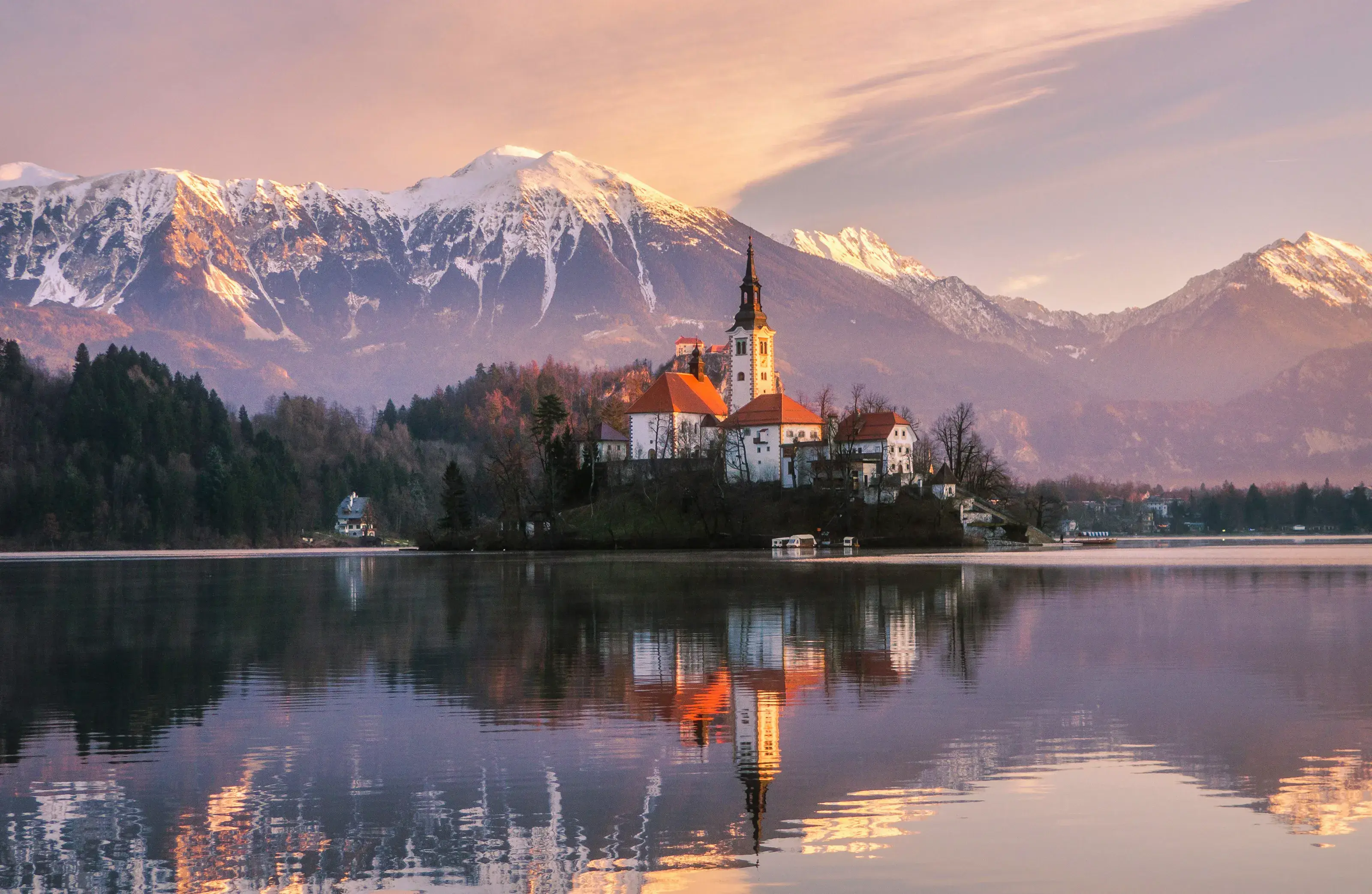
How to Move to Slovenia in 2026: Costs, Visas & What No One Tells You
Slovenia costs 40-50% less than Austria or Italy next door. Here's the actual route Americans use, what it costs, and where to live. Updated 2026.
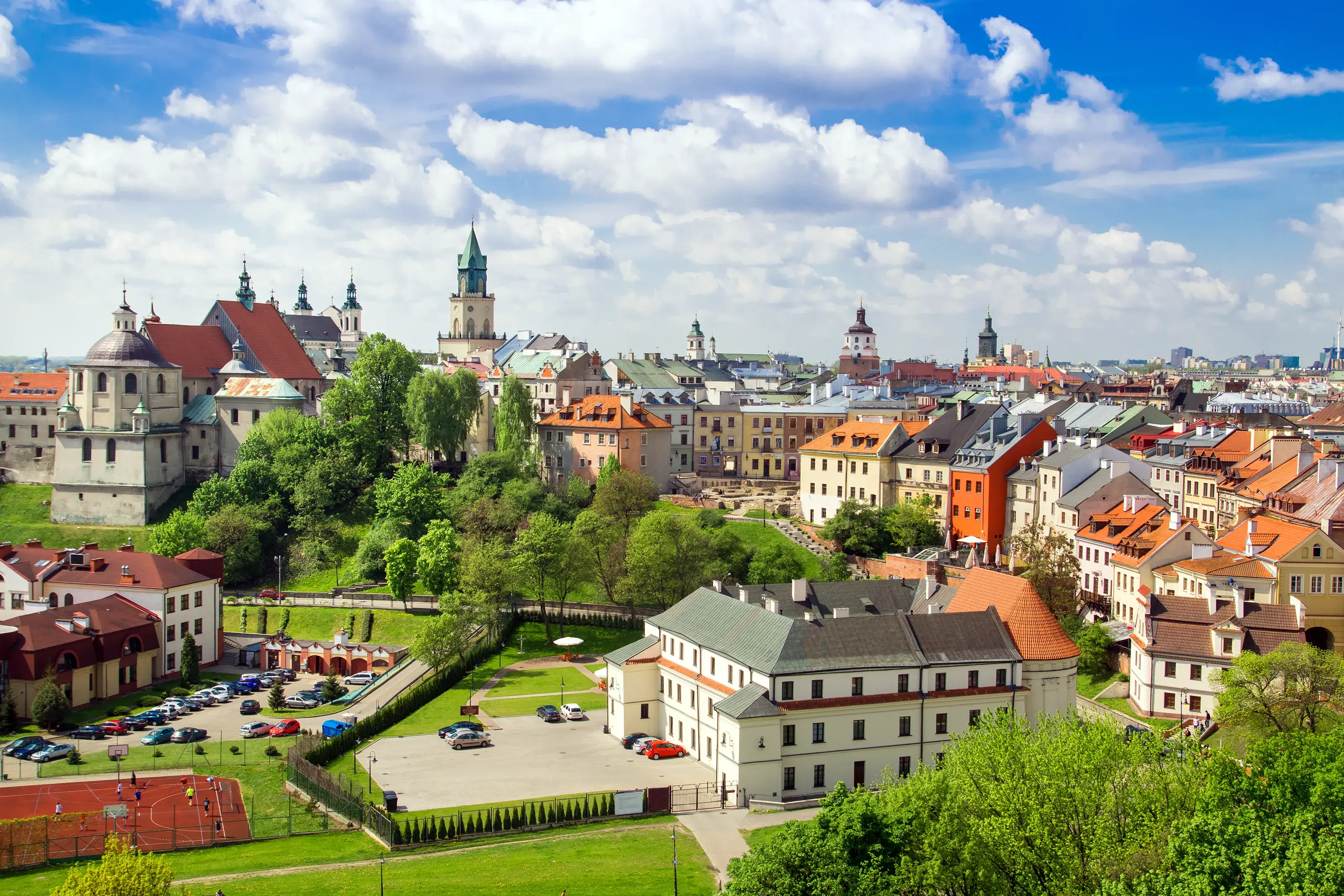
Move to Poland: The Complete Guide for Expats, Retirees, and Remote Workers
Discover why Poland is Europe's hidden gem for retirement and expat living. Complete guide for visas, cost of living, healthcare, and lifestyle.

Retire or Move to the Philippines: Island Living for $1,200/Month
Discover how to retire or relocate to the Philippines for $1,200/month. Complete guide to costs, visas, healthcare, and island lifestyle in 2026.