How to Retire Abroad with $1000/Month: 8 Countries Where It's Possible

A $1,247 Social Security check doesn't go far in Los Angeles. But in Guatemala? It stretches to a full life—two-bedroom apartment, lake views, and money left over for adventure. 🌍
If you're reading this with a sinking feeling about your retirement savings, you're not alone. The average American retires with less than $200,000 saved, and traditional retirement destinations in the U.S. require budgets of $3,000-5,000+ per month for basic comfort. But here's what the financial advisors don't tell you: some of the world's most beautiful, welcoming countries offer incredible retirement opportunities for $1,000 per month or less.
In this comprehensive guide, you'll discover eight countries where $1,000 monthly can fund not just survival, but a thriving retirement abroad filled with adventure, community, and financial security. Whether you're a traditional retiree looking to stretch Social Security, a mid-career professional planning an early retirement strategy, or someone seeking geographic arbitrage opportunities, these destinations offer proven paths to affordable international living.
Why $1,000/Month Is the Sweet Spot for Retirement Abroad
The $1,000 monthly threshold isn't arbitrary—it represents a crucial intersection of visa requirements, living standards, and retirement sustainability. Most retirement-friendly countries require proof of monthly income between $800-1,500 for their retirement visa programs, making $1,000 the perfect target for qualifying while maintaining comfortable living standards.
This budget level allows you to:
- Secure proper housing in safe, expat-friendly neighborhoods
- Access quality healthcare through local systems or international insurance
- Maintain social connections with both expat and local communities
- Explore your new country through travel and cultural experiences
- Build emergency reserves for unexpected expenses or opportunities

For context, $1,000 in these selected countries typically provides the same quality of life as $3,000-4,000 would in most U.S. retirement destinations—that's the power of strategic geographic arbitrage. 💰
The 8 Best Countries to Retire Abroad on $1,000/Month
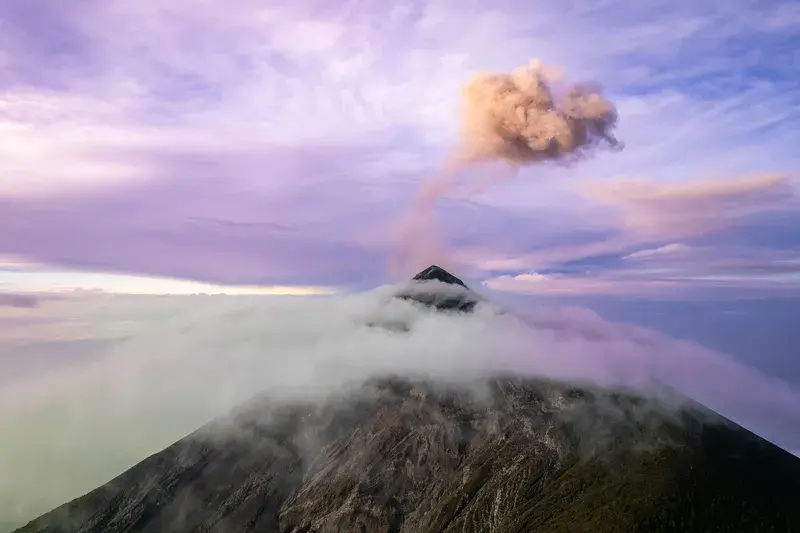
1. Guatemala: Lake Atitlán Paradise 🏔️
Monthly Budget Range: $800-1,200
Visa Requirements: Tourist visa renewable every 90 days, or temporary residency
Healthcare: Mix of public and private options, international clinics available
Guatemala offers some of the most stunning natural beauty in Central America, with Lake Atitlán consistently ranked among the world's most beautiful lakes. The expat community around Antigua and Lake Atitlán has grown significantly, creating a supportive network for retirees.
Living Expense | Monthly Cost |
|---|---|
Housing (1-2 bedroom) | $300-500 |
Food & Groceries | $150-250 |
Utilities | $50-80 |
Healthcare | $50-100 |
Transportation | $30-60 |
Entertainment | $50-150 |
Total Range | $630-1,140 |
Best Regions:
- Antigua: Colonial charm, established expat community, excellent healthcare
- Lake Atitlán: Stunning scenery, multiple villages to choose from, artist communities
- Cobán: Cooler climate, coffee culture, budget-friendly
Key Advantages:
- Year-round spring-like climate in highland areas
- Strong expat support networks and communities
- Excellent fresh produce and local markets
- Rich Mayan culture and historical sites
- Easy access to beaches on both Pacific and Caribbean coasts

2. Ecuador: Andean Adventure & Pacific Coast 🏖️
Monthly Budget Range: $900-1,300
Visa Requirements: Pensioner visa with $800/month income requirement
Healthcare: Excellent public system available to residents
Ecuador has become a retirement hotspot thanks to its stable dollarized economy, incredible biodiversity, and welcoming attitude toward foreign retirees. The country offers everything from Andean mountain communities to Pacific coastal towns. For a detailed exploration of moving to this South American gem, check out our comprehensive Ecuador retirement guide.
Living Expense | Monthly Cost |
|---|---|
Housing (1-2 bedroom) | $300-600 |
Food & Groceries | $200-300 |
Utilities | $40-80 |
Healthcare | $60-120 |
Transportation | $20-50 |
Entertainment | $80-200 |
Total Range | $700-1,350 |
Best Regions:
- Cuenca: UNESCO World Heritage city, large expat community, excellent healthcare
- Vilcabamba: "Valley of Longevity," known for healthy living and longevity
- Salinas: Beach town, growing expat community, year-round warm weather
- Quito: Capital city, cultural attractions, cooler mountain climate
Key Advantages:
- Uses U.S. dollar as official currency
- No foreign exchange risk for American retirees
- Excellent public healthcare system available to residents
- Incredible biodiversity and natural beauty
- Well-established expat communities with support systems
3. Nicaragua: Pacific Coast Gem 🌊
Monthly Budget Range: $750-1,100
Visa Requirements: Tourist visa renewable, pensioner residency available
Healthcare: Basic public system, private clinics in expat areas
Nicaragua offers some of Central America's most affordable living costs combined with beautiful Pacific beaches, colonial architecture, and a growing but still manageable expat community.
Best Regions:
- Granada: Colonial beauty, expat services, Lake Nicaragua access
- San Juan del Sur: Beach town, surfing community, international restaurants
- Matagalpa: Mountain town, coffee culture, cooler climate
- León: University town, cultural activities, historical significance
Key Advantages:
- Among the lowest living costs in Central America
- Beautiful colonial cities and Pacific beaches
- Growing but not overcrowded expat communities
- Year-round warm tropical climate
- Easy overland travel to other Central American countries

4. Northern Thailand: Tropical Mountain Living 🏞️
Monthly Budget Range: $850-1,200
Visa Requirements: Tourist visa renewable, retirement visa at age 50+
Healthcare: Excellent private hospitals, medical tourism destination
Northern Thailand, particularly around Chiang Mai and Chiang Rai, offers a completely different cultural experience with Buddhist temples, mountain landscapes, and some of the world's best street food. For those considering Southeast Asian options, our Vietnam vs Thailand comparison provides valuable insights into both destinations.
Living Expense | Monthly Cost |
|---|---|
Housing (1-2 bedroom) | $250-450 |
Food & Groceries | $150-300 |
Utilities | $50-100 |
Healthcare | $100-200 |
Transportation | $30-80 |
Entertainment | $100-250 |
Total Range | $680-1,380 |
Best Regions:
- Chiang Mai: Cultural center, excellent expat services, temple tours
- Chiang Rai: Quieter, artistic community, incredible temples
- Pai: Hippie mountain town, natural hot springs, backpacker-meets-expat vibe
Key Advantages:
- Incredible food culture and street food scene
- Excellent and affordable healthcare system
- Rich Buddhist culture and historical sites
- Established expat communities with resources
- Easy travel throughout Southeast Asia

5. Mexico: Familiar Yet Foreign 🌮
Monthly Budget Range: $800-1,300
Visa Requirements: Tourist visa renewable, temporary residency available
Healthcare: Excellent public and private options
Mexico offers the easiest transition for American retirees, with established expat communities, familiar products, and proximity to the U.S. for visiting family.
Best Regions:
- San Cristóbal de las Casas: Mountain town, indigenous culture, cool climate
- Mérida: Colonial city, excellent healthcare, growing expat community
- Oaxaca: Cultural center, artisan communities, incredible food scene
- Puerto Vallarta area: Beach living, established services, direct flights to U.S.
Key Advantages:
- Easy proximity to U.S. for family visits
- Familiar products and services available
- Excellent healthcare systems in expat areas
- Rich cultural heritage and diverse landscapes
- Large, established expat support networks
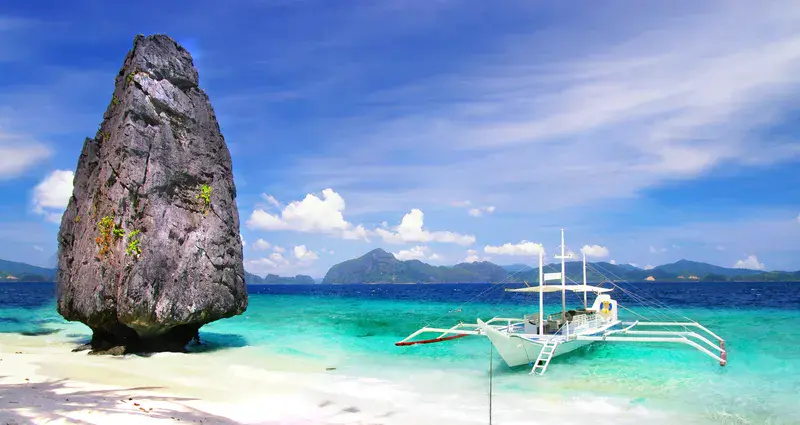
6. Philippines: Island Paradise 🏝️
Monthly Budget Range: $900-1,400
Visa Requirements: Tourist visa renewable, retirement visa available at 35+
Healthcare: Private hospitals good in major cities
The Philippines offers tropical island living with English as an official language, making communication easier for English-speaking retirees. For comprehensive planning information, explore our detailed Philippines retirement guide.
Best Regions:
- Dumaguete: University town, expat-friendly, good healthcare
- Bohol: Island living, natural attractions, peaceful atmosphere
- Iloilo: City amenities, affordable living, growing expat community
- Northern Palawan: Island paradise, incredible nature, smaller expat community
Key Advantages:
- English widely spoken
- Tropical island lifestyle with thousands of islands to explore
- Friendly, welcoming culture
- Affordable domestic travel between islands
- Growing expat communities with support systems

7. Vietnam: Southeast Asian Adventure 🍜
Monthly Budget Range: $700-1,200
Visa Requirements: Tourist visa renewable, temporary residence permits available
Healthcare: Good private healthcare in major cities
Vietnam combines incredible food culture, rich history, and some of the most affordable living costs in Southeast Asia.
Best Regions:
- Da Nang: Beach city, good infrastructure, international airport
- Hoi An: UNESCO World Heritage town, tourist infrastructure, cultural richness
- Ho Chi Minh City: Urban amenities, international services, vibrant culture
- Hanoi: Capital city, cultural attractions, four seasons
Key Advantages:
- Incredibly affordable living costs
- Amazing food culture and street food
- Rich historical and cultural experiences
- Good infrastructure in major cities
- Easy travel throughout Southeast Asia

8. Albania: European Charm on a Budget 🏛️
Monthly Budget Range: $850-1,300
Visa Requirements: 90-day tourist visa, temporary residence available
Healthcare: Basic public system, private clinics available
Albania offers European living at a fraction of typical European costs, with beautiful Adriatic coastline, mountain landscapes, and a growing expat community. For those interested in this hidden European gem, our Albania living guide provides extensive details on making this destination work.
Living Expense | Monthly Cost |
|---|---|
Housing (1-2 bedroom) | $300-500 |
Food & Groceries | $150-250 |
Utilities | $80-120 |
Healthcare | $50-150 |
Transportation | $30-80 |
Entertainment | $100-200 |
Total Range | $710-1,300 |
Best Regions:
- Tirana: Capital city, urban amenities, cultural attractions
- Durrës: Coastal city, beach access, historical sites
- Shkodër: Mountain access, cultural richness, traditional architecture
- Vlorë: Beach town, affordable living, natural beauty
Key Advantages:
- European lifestyle at developing country prices
- Beautiful Adriatic coastline and mountain access
- Rich historical heritage and cultural sites
- Growing expat community
- Easy travel throughout Europe
Essential Planning Steps for $1,000/Month Retirement Abroad
1. Financial Foundation Assessment
Before selecting your destination, conduct a thorough analysis of your financial situation. For those looking to accelerate their timeline, consider strategies to achieve FIRE faster or explore early retirement options for those in their 40s.
Income Sources to Consider:
- Social Security benefits (can be received in most countries)
- Pension payments from former employers
- Investment income from diversified portfolios
- Part-time work income (where legally permitted)
- Rental income from U.S. properties
Hidden Costs to Budget:
- International health insurance ($100-300/month)
- Home country tax obligations
- Periodic trips back to visit family
- Visa renewal fees and associated travel
- Emergency fund for healthcare or family emergencies

2. Healthcare Planning Strategy
Healthcare access varies dramatically between countries and regions. For comprehensive information on navigating this crucial aspect, review our healthcare abroad vs US guide and Medicare vs international health insurance comparison.
Questions to Investigate:
- Does the country offer affordable public healthcare to residents?
- What private insurance options exist for expats?
- Are there quality medical facilities near your chosen location?
- Can you access prescription medications you currently take?
- What emergency evacuation options exist if needed?
3. Legal and Tax Considerations
Visa Strategy Planning:
- Research initial visa requirements and renewal processes
- Understand paths to permanent residency if desired
- Consider backup plans if visa situations change
- Factor visa costs into your annual budget
Tax Obligation Management: Understanding your tax situation is crucial for successful retirement abroad. Our expat tax guide covers essential requirements, while those seeking to minimize tax burden should explore tax-free retirement havens.
- Understand U.S. tax filing requirements for expats (FATCA, FBAR)
- Research tax treaties between U.S. and destination country
- Consider professional tax preparation services for expats
- Plan for potential double taxation scenarios
4. Community Integration Preparation
Language Learning Investment: Even in English-speaking destinations, learning local languages opens doors:
- Start with basic conversational skills before moving
- Budget for ongoing language classes or tutoring
- Use language learning apps and local conversation groups
- Practice with native speakers through language exchange programs
Cultural Adaptation Readiness:
- Research local customs, business practices, and social norms
- Connect with expat communities online before moving
- Understand local banking, shopping, and service systems
- Prepare for bureaucratic differences and patience requirements
Regional Climate and Infrastructure Considerations
Climate Adaptation Strategies
Understanding seasonal variations and climate realities helps you choose the right location and prepare appropriately. For those concerned about long-term climate impacts, our climate migration FIRE guide addresses these considerations.
Tropical Climate Management (Guatemala, Ecuador, Thailand, Philippines, Vietnam):
- Plan for rainy seasons and potential weather-related disruptions
- Factor air conditioning costs into utility budgets for hot, humid regions
- Consider elevation for temperature moderation (mountain towns vs. coastal areas)
- Research mosquito-borne illness prevention and healthcare protocols

Temperate and Mediterranean Climates (Mexico highlands, Albania):
- Understand seasonal temperature variations and heating/cooling needs
- Research weather patterns for outdoor activity planning
- Consider seasonal clothing needs and storage space
- Plan for potential seasonal affective disorder impacts
Infrastructure Reality Check
Internet and Communications: Most destinations offer adequate internet for basic needs, but research specific areas:
- Fiber optic availability varies by neighborhood, even within cities
- Backup internet options (mobile hotspots) essential for remote work
- International calling plans and VoIP service options
- Streaming service availability and content restrictions
Transportation Networks:
- Public transportation quality and coverage areas
- Taxi and ride-sharing service availability
- Road conditions during rainy seasons
- International airport proximity and flight frequency to home country
Banking and Financial Services: Understanding international banking is crucial for expats. Be aware of potential banking restrictions for Americans abroad and learn how to maintain your US credit score while living overseas.
- International ATM networks and fee structures
- Local bank account opening requirements for residents
- Credit card acceptance rates in daily transactions
- Money transfer service availability and costs
Cultural Integration and Community Building
Expat Community Dynamics
Each destination has unique expat community characteristics:
Established Communities (Mexico, Ecuador, Thailand):
- Benefit from existing support systems and English-language services
- May experience higher costs due to expat-focused businesses
- Easier transition but potentially less authentic cultural immersion
- Well-developed social activities and volunteer opportunities
Ready to Rewire your Life?
Sign up to receive updates and insights.
By submitting your email address, you will receive a free subscription to RA Postcards and special offers from Rewire Abroad and our affiliates. You can unsubscribe at any time, and we encourage you to read more about our Privacy Policy.
Emerging Communities (Albania, Vietnam, Nicaragua):
- Lower costs due to less expat-focused infrastructure
- Opportunity to be part of building supportive community networks
- More authentic cultural experiences and local integration
- May require more self-reliance and adaptability
Balanced Communities (Guatemala, Philippines):
- Mix of established services and authentic local experiences
- Moderate costs with good support systems
- Multiple expat community options (different nationalities/age groups)
- Various lifestyle choices within single destinations
Language Learning and Communication
Spanish-Speaking Destinations (Guatemala, Ecuador, Nicaragua, Mexico):
- Shared language learning investment covers multiple potential countries
- Large Spanish-speaking expat communities for practice and support
- Extensive online and local learning resources available
- Cultural connections throughout Latin America
English-Friendly Options (Philippines, Thailand):
- Easier immediate transition for English speakers
- Opportunity to learn local languages for deeper cultural connection
- Tourism infrastructure often includes English signage and services
- Local language learning enriches experience significantly
Making the Final Decision: Your Action Plan
Phase 1: Research and Narrow Selection (Months 1-3)
Deep-Dive Research Process:
- Use country comparison tools to narrow your list to 3-4 countries
- Join online expat communities for each potential destination
- Research visa requirements and start document preparation
- Calculate detailed budgets using real estate and cost-of-living data
- Identify 2-3 specific cities/regions within each country to explore
For additional perspective on international retirement options, explore our best countries to retire abroad rankings and compare retiring abroad vs staying in the US.
Documentation Preparation:
- Passport renewal if needed (6+ months validity required)
- Birth certificate apostille for visa applications
- Financial statements and income verification documents
- Medical records and prescription lists
- Background check documentation (varies by country)

Phase 2: Scouting Visits (Months 4-8)
Strategic Visit Planning:
- Plan 2-4 week visits to your top 2-3 destinations
- Stay in different neighborhoods within each city
- Experience both tourist and residential areas
- Meet with local expat communities and potential service providers
- Test transportation, healthcare, and banking services
During Your Visits:
- Document actual daily living costs through detailed expense tracking
- Photograph potential housing options and neighborhoods
- Meet with local real estate agents and rental services
- Visit healthcare facilities and meet with potential doctors
- Research internet quality and workspace options if relevant
Phase 3: Decision and Transition Planning (Months 9-12)
Final Decision Factors:
- Healthcare quality and accessibility for your specific needs
- Community connections and support systems
- Housing options that meet your comfort and budget requirements
- Transportation convenience for your lifestyle preferences
- Overall "gut feeling" about long-term happiness in the location
Transition Timeline:
- Secure appropriate visa or establish visa renewal strategy
- Arrange international health insurance coverage
- Set up U.S. mail forwarding and address services
- Research international moving services vs. buying locally
- Plan gradual transition vs. complete relocation strategy
For those planning to relocate with furry family members, don't miss our guide on retiring abroad with pets. Emergency preparedness is also crucial—review our expat emergency preparedness guide to ensure you're ready for any situation.
Real Success Stories: $1,000/Month Retirement Abroad
Linda and Bob Thompson - Cuenca, Ecuador
Ages 67 and 69, retired teachers from Colorado
"We were facing a choice between staying in Denver and living on $2,400/month with no extras, or taking a chance on international retirement. Three years later in Cuenca, we live on $1,100/month including our Spanish classes, weekly dinners out, and weekend trips around Ecuador. Our biggest expense is flights back to see the grandkids twice a year."
Monthly Budget Breakdown:
- Apartment (2BR, furnished, expat area): $380
- Groceries and meals: $280
- Utilities (including high-speed internet): $75
- Healthcare (private insurance + out-of-pocket): $120
- Transportation (taxis and buses): $45
- Entertainment and dining out: $150
- Miscellaneous and personal: $90
- Total: $1,140/month
- Michael Rodriguez - Chiang Mai, Thailand
Age 52, early retiree from tech industry
"I achieved financial independence through aggressive saving and decided to test retirement abroad in my early 50s. Chiang Mai gives me incredible quality of life on $950/month. I rent a modern condo, eat amazing food daily, get regular massages, and travel throughout Southeast Asia. I'm spending less than I would on just rent in San Francisco."
Monthly Budget Breakdown:
- Modern 1BR condo (pool, gym, WiFi): $320
- Food (mix of street food and restaurants): $200
- Scooter rental and transportation: $60
- Health insurance and medical: $140
- Entertainment and activities: $180
- Miscellaneous and personal: $80
- Total: $980/month
For more inspiring stories from couples and individuals who've successfully implemented geographic arbitrage strategies, check out our collection of real FIRE abroad stories.

Your Next Steps to Retire Abroad on $1,000/Month
The path to affordable retirement abroad isn't just a dream—it's a proven strategy used by thousands of Americans seeking better quality of life, healthcare access, and financial security. Whether you're 55 and planning early retirement, 65 and maximizing Social Security benefits, or 75 and looking to stretch fixed income further, these eight countries offer real opportunities for comfortable international retirement.
Immediate Action Steps:
- Calculate Your Numbers: Use retirement and geographic arbitrage calculators to understand your exact financial situation and savings potential
- Research Your Top 3: Deep-dive into three destinations that match your climate preferences, healthcare needs, and lifestyle desires
- Connect with Communities: Join online expat groups for your chosen destinations and start building connections before you move
- Plan Your Scouting Trip: Book a 2-4 week exploratory visit to experience daily life, not just tourist attractions
- Prepare Your Documents: Start the visa application process and gather required documentation while you're still in research phase
The key to successful retirement abroad on $1,000/month isn't just finding cheap places to live—it's finding places where that budget funds the lifestyle, community, healthcare, and adventures you've earned through decades of work. These eight countries prove that retirement abroad isn't about settling for less; it's about discovering that less money can actually buy you more life. 🌟
Your retirement adventure is waiting. The only question is: which amazing destination will you choose first?
Adonis Villanueva
Adonis Villanueva is a cloud architect, technologist, and founder of RewireAbroad, a platform dedicated to helping people navigate international living through data-driven insights and relocation tools. His work focuses on geoarbitrage, visa pathways, taxes, healthcare, and financial optimization for people seeking better opportunities abroad.
Rewire Abroad
Why Americans Are Choosing to Retire Overseas
Discover why more Americans are retiring abroad and explore the best destinations, cost comparisons, and real-life expat stories.

FIRE & Retire Abroad: Early Retirement in Low-Cost Destinations
Use FIRE principles with international living to accelerate your path to financial independence. Explore top affordable countries with FIRE.

Achieve FIRE Faster: 7 Proven Steps & Strategies to Early Financial Independence
Discover 7 actionable tips and strategies to accelerate your journey to financial independence, plus two bonus steps and proven resources.

Why I Send My Paycheck Straight to a Brokerage Account (And You Might Want to Too)
Discover how sending your paycheck directly into a brokerage account makes your money work harder for you, and tap margin loans for living expenses.