Cheapest Countries to Live in Europe for Expats & Digital Nomads in 2026
Most "cheapest countries in Europe" lists are written by bloggers who haven't checked their figures since 2022. This one is different. We used RewireAbroad's database of 9,744 cities, with real cost scores, safety indices, internet speeds, and current visa requirements, to rank every country on actual data, not vibes. The order below weighs realistic monthly budget against safety score and visa accessibility, not sticker price alone, which is why a country with a lower headline number doesn't automatically rank first.
If you're pursuing FIRE abroad, building remote income streams, or just trying to figure out where your $2,000-$3,000/month actually goes the furthest, this is the only list you need.
Compare capitals side by side and the "cheapest capital in Europe" title is contested, not settled. Skopje's cost-of-living index (35.5) undercuts Podgorica's (42.7) and Sofia's (41.6), while Sarajevo posts the lowest rent index in Europe (8.1) even though Numbeo doesn't publish a matching overall index for it. If your only goal is the single lowest number, start with Skopje or Bosnia's smaller cities, not assumptions carried over from older posts.
At a Glance: Europe's Cheapest Countries in 2026
Country | Budget/mo (Single) | CoL Index | Safety | DN Visa | Best For |
|---|---|---|---|---|---|
$800–$1,100 | ~33 | 72/100 | ✅ Free | Nomads, FIRE | |
$700–$900 | 38.7 | 55/100 | ❌ No | Budget retirees | |
$830–$1,200 | 35.5 | 59/100 | ✅ €1,500/mo | Budget FIRE | |
$800–$1,100 | 42.6 | 57/100 | 🔜 2026 | Nomads, singles | |
$750–$1,000 | 42.7 | 65/100 | ✅ €1,500/mo | Retirees, nomads | |
$900–$1,200 | 40.6 | 56/100 | ✅ ~€3,300/mo | Tech nomads | |
$1,100–$1,400 | 41.6 | 57/100 | ✅ NEW 2026 | EU base seekers | |
$800–$1,100 | 45.8 | 60/100 | ✅ €817/mo | Budget nomads | |
$1,200–$1,600 | 46.9 | 60/100 | ✅ €3,000/mo | Tax optimizers | |
$1,800–$2,800 | 48.8 | 70/100 | ✅ €3,680/mo | Long-term EU base |
1. Georgia — Europe's Cheapest Escape Hatch ($800–$1,100/mo)
Monthly budget from $800 (single) | Safety: 72/100 | Best for: Digital nomads, early retirees
The Real Numbers
Tbilisi is the entry point for most expats: a furnished 1BR in the Vake or Saburtalo neighborhoods runs $400-$600/month. Food is absurdly cheap - a full meal at a local restaurant costs $4-$7, and a month of groceries won't break $150. Factor in utilities, transport, and a coworking membership, and a comfortable single-person budget lands at $800-$1,100/month.
Why It Works
Georgia technically sits in the Caucasus rather than the EU, but it runs European-level internet infrastructure (fiber in Tbilisi at $15/month), has a thriving international nomad community, and processes the easiest digital nomad arrangement on this entire list: the Remotely from Georgia program charges zero government fees and has no income minimum. You show up, register, and work. That's it. If you want to understand the full picture, our Georgia country guide goes deep.
The Honest Tradeoff
Georgia is not in the EU and has no path to EU residency. The political situation with Russia creates occasional regional tension. It isn't a daily concern in Tbilisi, but it's something long-term movers should factor into their expat emergency planning. Turkish Airlines and regional hubs keep international connections reasonable.
Visa Situation
No specific digital nomad visa required. US, UK, and most Western passport holders can stay visa-free for 365 days. Extend by registering as a foreign resident. Check Digital Nomad Visas: Work Abroad Without a 9-to-5 for the full landscape.
2. Bosnia & Herzegovina — The Most Affordable Country in Europe, Period ($700–$900/mo)
Monthly budget from $700 (single) | Safety: 55/100 | Best for: Budget-first retirees
The Real Numbers
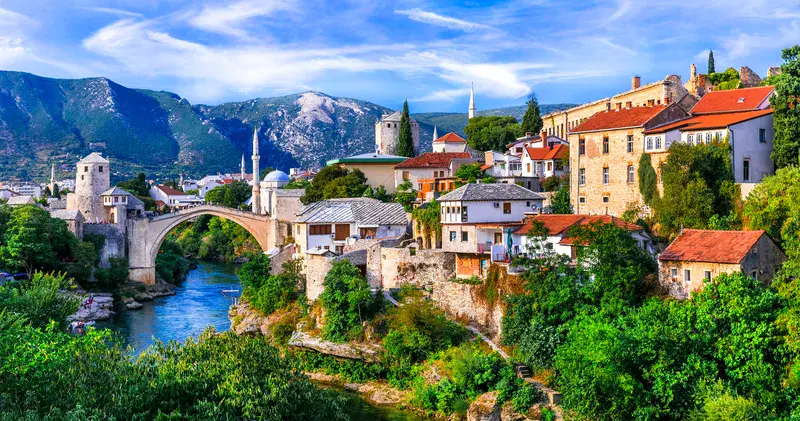
Bosnia has the lowest rent index (8.1) and second-lowest cost of living index (38.7) in all of Europe per Numbeo 2026. Sarajevo is the most expat-accessible city: a 1BR apartment costs $300-$450/month, restaurant meals run $4-$8, and a single person can live comfortably, not frugally, on $700-$900 all-in. Smaller cities like Mostar go even lower.
Why It Works
If your primary goal is maximum geo-arbitrage on a fixed income or early retirement portfolio, Bosnia is mathematically hard to beat in Europe. The food is excellent, the people are warm, and Sarajevo's Old Town is genuinely one of the most beautiful and underrated cities on the continent.
The Honest Tradeoff
No digital nomad visa exists. Internet is decent in Sarajevo but variable outside the capital. Healthcare is functional but not up to Western standards, so expat health insurance is non-negotiable here. English is limited outside tourism areas, so expect to learn some Bosnian or hire help for bureaucracy. Plan to sign a yearly lease rather than a month-to-month deal, and start hunting for a flat in fall or winter, when landlords are more willing to negotiate and prices haven't climbed for tourist season.
Visa Situation
No DN visa. US citizens can stay visa-free for 90 days. Long-term residency requires property ownership, employment, or family ties. This is a country for people who want to be cheap, not people who want to be officially recognized as remote workers.
3. North Macedonia — European Life at a Fraction of the Cost ($830–$1,200/mo)
Monthly budget from $830 (single, Skopje) | CoL Index: 35.5 | Safety: 59/100 | Best for: FIRE seekers, budget nomads
The Real Numbers
Skopje is the obvious anchor: 1BR city center averages $330/month, single-person living costs (no rent) run $612/month per Numbeo's April 2026 data, putting a comfortable total at $830-$1,200/month. Ohrid, sitting on a UNESCO-listed ancient lake, costs slightly more but delivers a lakeside setting most higher-priced European destinations can't match.
Why It Works
North Macedonia has one of the lowest cost of living indices in Europe (35.5 per Numbeo 2026), a digital nomad visa pathway, and a growing fiber internet rollout in Skopje. It's not glamorous; nobody's moving here for the nightlife. But for someone pursuing early retirement on a tight number, it's a legitimate answer. Restaurant meals cost $5-$10, a gym membership runs $25/month, and the country's Central European time zone gives remote workers a few overlapping hours with the US East Coast in the early evening.
The Honest Tradeoff
English is limited outside Skopje's expat zones. Healthcare is functional but has long waits and language barriers, so budget for private insurance. Flights to the US always require a connection through Vienna, Istanbul, or another hub.
Visa Situation
Digital nomad C-type and D-type visas exist, requiring proof of €1,500/month income from outside North Macedonia. Renewable. Path to permanent residency after 5 years. Standard tourist stay is 90 days visa-free for US citizens.
→ Explore cities in North Macedonia →
Before You Move
Don't Rely on Balkan Public Healthcare
North Macedonia, Serbia, and Bosnia all have functional public health systems — for locals. As a foreign resident, you're largely on your own. SafetyWing covers you across borders for $56–$99/month with no long-term commitment. Cancel anytime.
We may earn a commission if you purchase through this link, at no cost to you. Affiliate Disclosure
4. Serbia — The Balkans' Best Infrastructure Without the Price Tag ($800–$1,100/mo)
Monthly budget from $800 (single, Belgrade) | CoL Index: 42.6 | Safety: 57/100 | Best for: Digital nomads, remote workers
The Real Numbers
Belgrade punches above its weight: fast fiber internet, an active café culture, a growing tech scene, and 1BR apartments at $400-$600/month in central areas. Total monthly budget for a single person lands at $800-$1,100/month. Novi Sad, Serbia's second city, runs 20% cheaper with a calmer pace.
Why It Works
Belgrade has arguably the best internet infrastructure of any city on this list, a serious expat community that's been growing since 2020, and a startup ecosystem that makes it feel like a city twice its price. If you're doing tech work remotely and want a European-adjacent base with real urban energy, Belgrade makes a strong case. The food, coffee, and nightlife are genuinely excellent.
The Honest Tradeoff
Serbia has no official digital nomad visa as of May 2026. One is widely expected but hasn't launched. Long-term residents use work permits or stay under 90-day rolling arrangements. This is a grey zone some nomads navigate with border runs to Croatia or Bosnia. Don't let anyone sell you certainty on Serbia's visa situation right now.
Visa Situation
US citizens: 90 days visa-free, extendable. Long-term stay requires a work or business permit. Official DN visa is reportedly in development, verify current status before planning a move. See Visa Strategy Mistakes That Cost Expats $2,000+ before you wing it.
5. Montenegro — Adriatic Views at Balkan Prices ($750–$1,000/mo)
Monthly budget from $750 (single, Podgorica) | CoL Index: 42.7 | Safety: 65/100 | Best for: Retirees, nomads seeking EU proximity
The Real Numbers
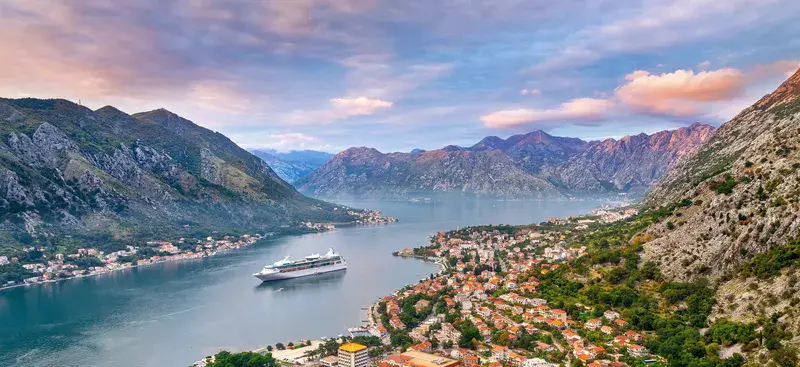
Montenegro splits into two price tiers: Podgorica, the capital, where 1BR apartments go for $350-$500/month and total budgets land at $750-$1,000/month; and the coastal towns (Budva, Kotor) where summer prices spike 40-60% and internet gets congested. Live in Podgorica, visit the coast on weekends.
Why It Works
Montenegro is in active EU accession negotiations, which means long-term movers get the stability of an EU-bound country at non-EU prices. The digital nomad residence permit is one of the most straightforward in the Balkans, the country is genuinely safe, and the Adriatic coastline is a real draw on its own, not just a backdrop for the price tag. It's also one of the few countries on this list where a retiree on Social Security can live without touching their portfolio. See our FIRE abroad comparison to see how Montenegro stacks up against 10 countries on actual numbers.
The Honest Tradeoff
Internet averages around 50 Mbps: fine for most remote work, not great for 4K video production. Coastal areas are worse. Stick to Podgorica for reliable fiber. The country is small, which means limited job diversity and social options if you stay long-term.
Visa Situation
Temporary residence permit for digital nomads requires €1,350-€2,000/month income. Apply at embassy or Ministry of Interior on arrival. Processing: 30-45 days. Renewable annually, permanent residency after 5 years. Some applicants instead pursue Montenegro's standard one-year residency permit through proof of income and a signed rental agreement rather than the DN-specific track; thresholds for that route vary and change often, so `[VERIFY]` current figures with the Ministry of Interior before counting on it.
→ Explore cities in Montenegro →
6. Romania — Eastern Europe's Most Underrated Tech Hub ($900–$1,200/mo)
Monthly budget from $900 (single, Bucharest) | CoL Index: 40.6 | Safety: 56/100 | Best for: Tech nomads, young professionals
The Real Numbers
Bucharest is the cheapest EU capital in Eastern Europe: 1BR city-center apartments at $500-$700/month, total budgets around $900-$1,200/month for a single person. Cluj-Napoca runs slightly cheaper and has a stronger tech community per capita.
Why It Works
Romania is a full EU member with Schengen access (since 2024), fast fiber internet, and a serious tech infrastructure. Bucharest has one of the fastest average internet speeds in Europe. For remote workers, this combination of EU membership, low cost, and digital infrastructure is rare. It also positions you perfectly if you're thinking about claiming EU residency as a long-term base.
The Honest Tradeoff
Romania has a digital nomad visa, but the income requirement is high, around €3,300/month, which prices out many early-stage nomads. Safety is fine in urban areas but requires situational awareness. Healthcare abroad quality in Romania varies significantly between cities.
Visa Situation
Digital nomad visa exists, requiring approximately €3,300/month income from non-Romanian sources. EU citizens can move freely. Non-EU/US citizens: 90 days visa-free, then apply for residency.
Ready to Rewire your Life?
Sign up to receive updates and insights.
By submitting your email address, you will receive a free subscription to RA Postcards and special offers from Rewire Abroad and our affiliates. You can unsubscribe at any time, and we encourage you to read more about our Privacy Policy.
7. Bulgaria — Just Joined Schengen, Still Balkan Prices ($1,100–$1,400/mo)
Monthly budget from $1,100 (single, Sofia) | CoL Index: 41.6 | Safety: 57/100 | Best for: EU base seekers, long-term expats
The Real Numbers
Sofia 1BR apartments: €550-€750/month. Total single-person budget: $1,100-$1,400/month. Not as cheap as Bosnia or North Macedonia, but Bulgaria offers something the others don't: full EU membership, Schengen zone access (since 2025), and the Bulgarian Lev pegged to the Euro at a fixed rate, which means zero currency risk.
Why It Works
Bulgaria joining Schengen in 2025 is the story most expat blogs haven't caught up on yet. You can now use Bulgaria as a Schengen base, traveling freely across 29 countries, while paying Balkan-level rent. Plovdiv is cheaper than Sofia, more relaxed, and has a growing arts and expat scene. The Black Sea coast gives you a beach option that won't destroy your budget.
The Honest Tradeoff
Bulgaria just launched a digital nomad visa in 2026 with an income requirement of €31,000/year (~€2,583/month), higher than some competitors. Healthcare quality in Sofia is decent but inconsistent. English proficiency outside the capital is limited.
Visa Situation
New in 2026: Type D long-stay digital nomad visa requires €31,000/year income from non-Bulgarian sources. Apply at a Bulgarian embassy (4-8 weeks processing). On arrival, apply for a residence permit within 14 days. EU citizens: free movement.
→ Explore cities in Bulgaria →
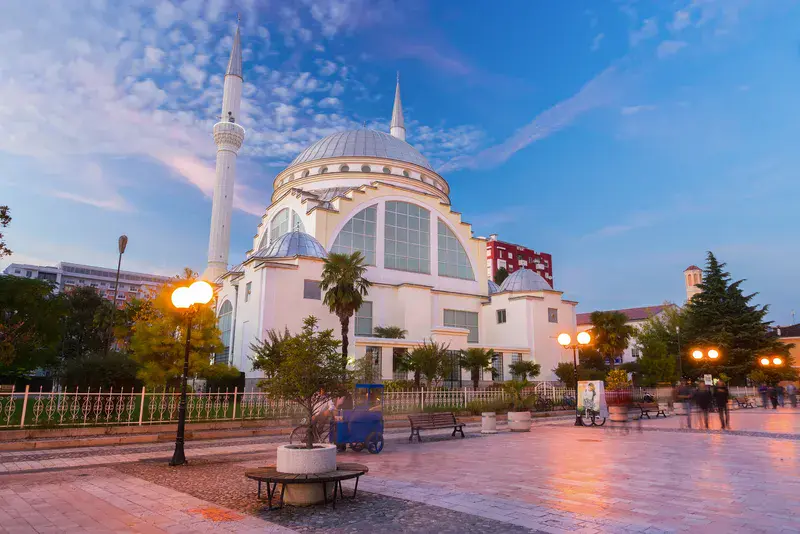
8. Albania — Europe's Cheapest DN Visa With a Mediterranean Coastline ($800–$1,100/mo)
Monthly budget from $800 (single, Tirana) | CoL Index: 45.8 | Safety: 60/100 | Best for: Budget nomads, first-time expats
The Real Numbers
Tirana 1BR city-center: €350-€550/month. Internet is fast and cheap (€15-€20/month for fiber). A single person's all-in monthly budget runs $800-$1,100/month. The Albanian Riviera (Saranda, Ksamil, Himara) adds a coastal option for summer, though prices there spike in July-August.
Why It Works
Albania has the lowest digital nomad visa income threshold in Europe at €817/month, making it accessible to early-career remote workers, online teachers, and freelancers who can't clear higher bars elsewhere, like Hungary's €3,000/month White Card or Portugal's €3,680/month D8 visa. The economy is growing fast, the food is excellent, and internet infrastructure in Tirana is genuinely good. For the full breakdown, our Albania living guide covers neighborhoods, banking, and healthcare in detail.
The Honest Tradeoff
Albania is not in the EU and has no near-term accession timeline. Healthcare outside Tirana is limited, expat health insurance is essential. Banking can be tricky for foreigners. The digital nomad banking landscape in the Western Balkans generally requires planning.
Visa Situation
Single Permit for Digital Nomads (Unique Permit): combines residence + work permit. Income minimum: €817/month. Apply through Albania's e-portal. Valid 1 year.
Albania at a Glance
9. Hungary — The EU's Best Tax Deal for Remote Workers ($1,200–$1,600/mo)
Monthly budget from $1,200 (single, Budapest) | CoL Index: 46.9 | Safety: 60/100 | Best for: Tax-optimizing nomads, EU access seekers
The Real Numbers
Budapest 1BR city-center: €500-€700/month. Total monthly budget: $1,200-$1,600/month. More expensive than the Balkans, but Hungary is a full EU member with Schengen access, fast internet, and one of the most favorable tax structures in the EU.
Why It Works
Hungary's 15% flat income tax rate is the headline number. It's one of the lowest in the entire EU, and the White Card (Hungary's digital nomad visa) allows you to stay up to 183 days without triggering tax residency, which means many nomads pay zero local tax entirely. Budapest itself is one of the most livable cities in Central Europe: excellent public transport, historic thermal baths, a mature food and cultural scene, and a large expat community. See our FIRE tax playbook for how this plays out in practice for US citizens.
The Honest Tradeoff
Hungary's political climate is polarizing. Orbán's government has made headlines for years, and that affects everything from LGBTQ+ rights to press freedom. Not everyone's comfortable with that context, and it's worth knowing before you move. Budapest rents have also risen significantly since 2022, so verify current figures before budgeting.
Visa Situation
White Card: Income requirement €3,000/month, valid 1 year, renewable once, Schengen travel allowed. Visa fee ~$116. Staying under 183 days avoids local tax residency. Read Retire Abroad Tax Guide: IRS Rules for US Expats before planning your tax strategy here.
Recommended Tool
Stop Losing 3–5% Every Time You Get Paid
Most expat banks quietly eat your money on currency conversion. Wise gives you the real mid-market rate with transparent fees. Open a multi-currency account, get local bank details in 9+ currencies, and receive your remote income without the tax.
We may earn a commission if you sign up through this link, at no cost to you. Affiliate Disclosure
10. Portugal — The Benchmark ($1,800–$2,800/mo)
Monthly budget from $1,800 (single, outside Lisbon) | CoL Index: 48.8 | Safety: 70/100 | Best for: Long-term EU base, retirees with higher income
The Real Numbers
Portugal is not cheap anymore. Lisbon 1BR city-center: €1,200-€1,800/month. Porto is 20-30% cheaper. Total budgets in Lisbon: $2,200-$2,800/month. Outside major cities (Coimbra, Évora, the Silver Coast) you can get to $1,800/month. Still expensive relative to the Balkans, but included here because it tops every search and deserves an honest comparison.
Why It Works
Portugal offers something the cheaper countries can't: a clear, well-traveled path to EU permanent residency and citizenship, a 70/100 safety score (the highest on this list), and English widely spoken nationwide. If your goal is eventually holding an EU passport, Portugal's D8 visa → residency → citizenship pathway is among the most established in the world. For the full Portugal vs Spain comparison, we've broken down which country actually wins on cost, visa, and lifestyle.
The Honest Tradeoff
The D8 visa income requirement has risen to €3,680/month (4× the 2026 Portuguese minimum wage). If a blog or forum is telling you the old figure, it's wrong. Portugal is now solidly mid-tier on cost, not a budget destination, and the NHR tax regime has been restructured. Get tax advice before planning around it.
Visa Situation
D8 Digital Nomad Visa: €3,680/month minimum income from non-Portuguese sources. 1 year initial, renewable up to 5 years. Path to permanent residency and citizenship. Expat health insurance guide for coverage options in Portugal.
→ Explore cities in Portugal →
Frequently Asked Questions
Click any question to expand the answer.
Find Your Specific City
This article covers countries. Your actual decision is about a specific city: the neighborhood, the internet speed, the expat community size, and the exact monthly cost for your budget and lifestyle.
Our engine ranks 9,744 cities by your exact budget, weather preference, internet needs, and timezone. It takes 30 seconds and gives you a ranked shortlist with cost breakdowns, visa hints, and safety scores.
Data sourced from Numbeo Cost of Living Index by Country 2026 (April 2026 update). Visa income thresholds are updated annually, so verify current figures with the relevant consulate before applying.

FIRE & Retire Abroad: Early Retirement in Low-Cost Destinations
Use FIRE principles with international living to accelerate your path to financial independence. Explore top affordable countries with FIRE.
Unlock Global Freedom: Your Guide to Digital Nomad Visas (Even Without a 9-to-5)
Unlock global living! Learn how Digital Nomad Visas offer freedom for Americans, even with freelance or passive income. Requirements & top countries.
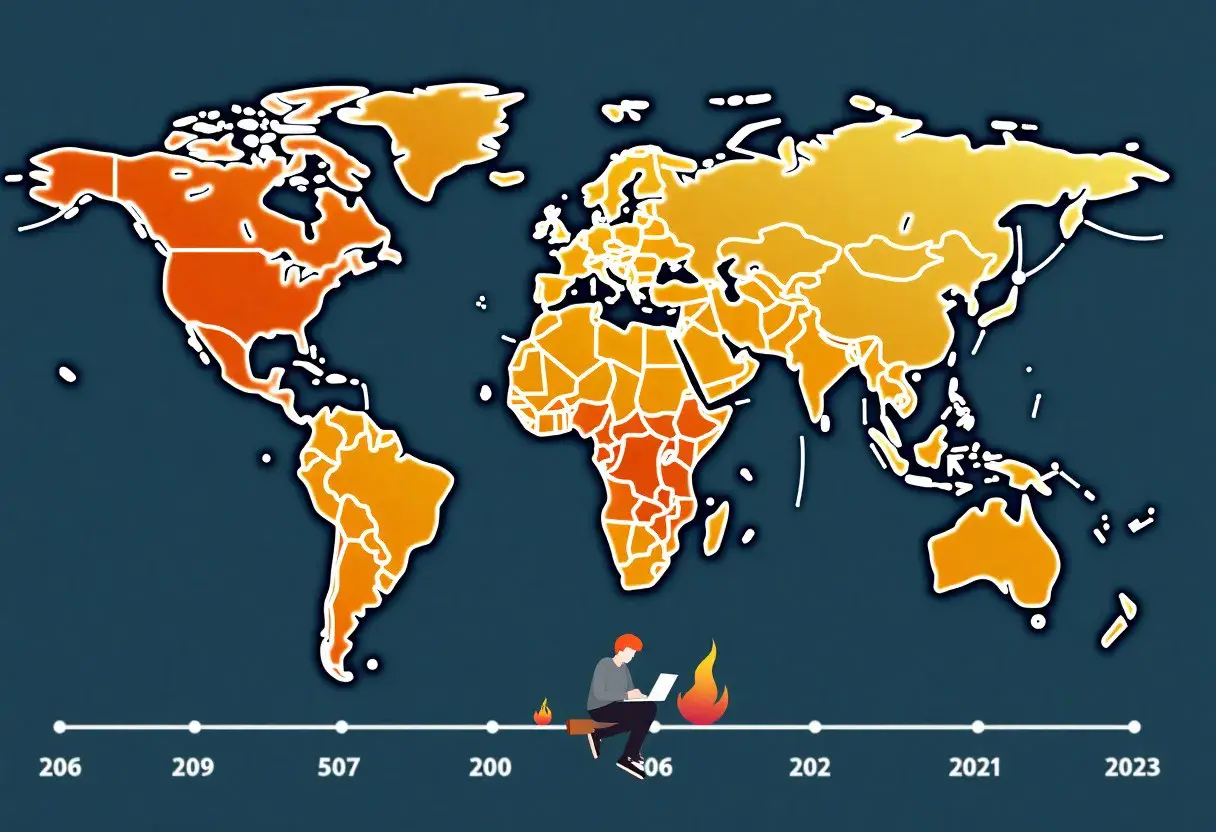
I Compared the REAL Cost of FIRE in 10 Countries — Here's What I Found
Discover how moving to underrated countries like Georgia or Vietnam can slash 10+ years off FIRE timelines. Real data. Real savings. Try our simulator

Guide to Living and Retirement: Costs, Visas, and Essentials in Croatia
Everything you need to know about retiring in Croatia—visas (90-day, retirement, digital nomad) to living costs, healthcare, and retirement locales.