Italy vs Greece for Expats (2026): Cost, Visas, Healthcare & Lifestyle Compared
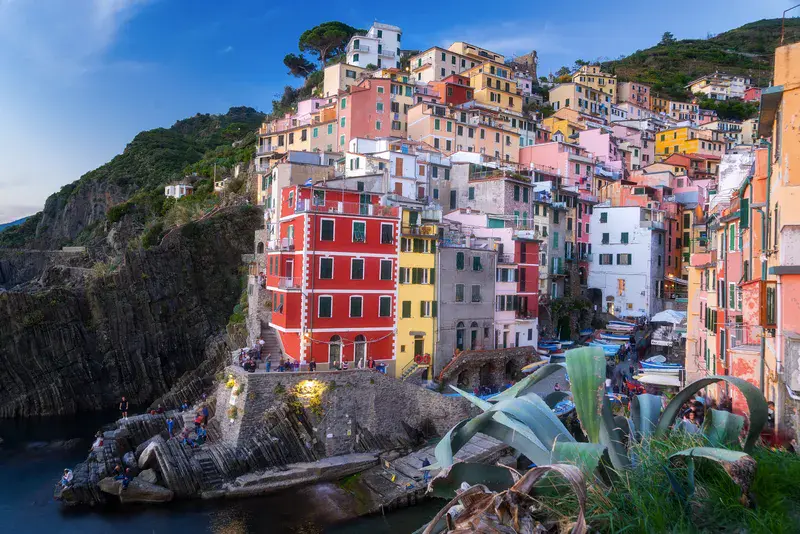
I used to wake up in a sunlit Tuscan piazza with a cappuccino in hand, knowing my rent was under $800 — and feeling like I was living in a postcard. I’ve also strolled Thessaloniki’s seaside promenade, paying less than $500/month for a comfortable apartment, surrounded by a culture that’s as warm as the weather.
To keep things grounded, I’m comparing real-life costs and lifestyle realities in Florence and Thessaloniki — two popular expat hubs. But make no mistake: this isn’t just a city-to-city battle. These are proxies for something bigger. Whether you're eyeing Rome or Palermo, Athens or Chania, the insights here apply across both countries.
I’ve traveled extensively and worked in both, talked with dozens of expats/digital nomads, and pulled verified 2024–2025 data to help you cut through the noise. This isn’t tourism hype — it's a grounded look at what life actually costs, feels like, and demands.
What you’ll discover:
- Real USD cost breakdowns (budget, mid-range, premium)
- Hidden expenses you might overlook
- How each country aligns with different lifestyle priorities
If you’re torn between Italy’s timeless charm and Greece’s laid-back affordability, this guide helps you decide based on what truly matters.
💸 The Real Cost Breakdown
🏠 Housing
Florence (1-bedroom, city center): ~$1,035/month; outside center: ~$766 reddit.com
Thessaloniki (1-bedroom, center): ~$495; outside: ~$411
- Budget (outside center, 1 BR):
- Florence: ~$766
- Thessaloniki: ~$411 — $355/month savings
- Comfort (city-center, 1 BR):
- Florence: ~$1,035
- Thessaloniki: ~$495 — $540/month savings
- Family-style (3 BR, center):
- Florence: ~$1,978
- Thessaloniki: ~$832 — $1,146/month savings
Florence note: Reddit expats highlight surging prices and advise opting outside the historic center for better value.
💡 Utilities & Internet
Florence: Utilities ~ $214; Internet ~ $31/month
Thessaloniki: Utilities ~ $223; Internet ~ $30
- Utility costs: Nearly identical
- Internet: Also roughly the same
🍽️ Food & Dining
Florence:
- Budget meal: ~$18.30
- Cappuccino: ~$1.50?? Actually typical 2 € ($1.80), but likely misaligned— using $1.80
- Monthly groceries/dining: ~$511 excluding rent
Thessaloniki:
- Budget meal: ~$11.20
- Cappuccino: ~$3.70
- Groceries & dining (LivingCost.org): Total ~$600 without rent
Breakdown per person/month:
- Florence: ~$511
- Thessaloniki: ~$600 — interestingly higher total, but expect ~$350–500 on food with cooking/home-cafe mix
🚏 Transportation
Florence:
- One-way bus: ~$1.71
- Monthly pass: ~$40
- Gasoline: ~$1.73/gal
Thessaloniki:
- Single ticket: ~$1.12; Monthly: ~$33.60
- Gasoline: ~$1.75/gal — almost identical
Verdict: Thessaloniki still cheaper by ~$6/month in passes, with similar gas costs.
📊 Monthly Summary
Category | Florence (USD) | Thessaloniki (USD) | Savings in TH |
|---|---|---|---|
1BR rent (center) | $1,035 | $495 | $540 |
Utilities | $214 | $223 | –$9 |
Internet | $31 | $30 | $1 |
Food & dining | $511 | ~$450* | $60 |
Transport | $40 | $33.60 | $6.40 |
Total | $1,831 | ~$1,202 | ≈$629/month |
* Estimate based on mid-range cooking-out habits.
🌍 Context & Takeaway
- A budget solo remote worker in Thessaloniki can live comfortably for ~$1,200/month versus ~$1,830 in Florence—saving around $630/month, or $7,560/year.
- Couples/families double the rent difference—Florence becomes notably more expensive.
- Hidden Fact: Florence rental supply is tight, demand high — pushing prices beyond expat expectations.
Bottom line: Thessaloniki delivers serious cost savings while offering solid infrastructure. Florence offers art and charm—but at a premium. Worth it? That depends on how much you're willing to pay for that postcard life.
🏥 Healthcare: What You’ll Pay, What You’ll Get

Florence (Italy)
Italy’s public healthcare system (SSN) is robust and heavily subsidized, but it’s not plug-and-play. You’ll need to register with your local health authority and possibly wait in line — literally and bureaucratically.
Once you’re in the system (usually after getting your residence permit), you’ll pay around $200/year for full coverage. Doctor visits are free or low-cost, prescriptions are cheap, and hospital care is excellent — even world-class in many regions.
If you’re not yet eligible for public care, you’ll need private insurance, which runs $600–$2,000/year depending on age and coverage. Florence has excellent private clinics if you want faster access or English-speaking staff, but many locals stick with the public system and trust it.
Bottom line: Incredible value if you’re patient and persistent. But getting access takes a few hoops.
Thessaloniki (Greece)
Greece’s healthcare system is a hybrid: functional public care with a strong (and affordable) private network to fill in the gaps.
In Thessaloniki, you’ll find modern private hospitals, fast service, and a surprising amount of English-speaking staff. A decent private insurance plan starts at around $50/month, and even out-of-pocket costs for doctor visits are reasonable — usually $40–$70 per appointment.
Public hospitals still function, but they’re stretched thin. If you're not employed locally or contributing to the public system, private coverage is the way to go.
Bottom line: For a few bucks more per month, you can access reliable, English-friendly care with less red tape than in Florence.
🏥 Healthcare Winner: Thessaloniki
Italy is cheaper once you’re fully registered, but Greece offers easier access, faster service, and smoother onboarding for expats. You’ll pay a bit more, but you get more speed and less paperwork in return.
🛂 Visa Reality: Who Makes It Easier to Stay
Florence (Italy)
Short stays (under 90 days) are a breeze — no visa needed if you’re from the U.S., Canada, or most of Europe. But staying longer? That’s where the paperwork marathon begins.
The most common long-stay visa for non-workers is the Elective Residence Visa, and it’s not for everyone. You’ll need to prove over $33,000/year in passive income (per person), get private insurance upfront, and wait about 2–4 months for approval — before even setting foot in Italy.
Once in Florence, you’ll have to apply for your residence permit within 8 days, and that can involve multiple trips to immigration offices and more documents than you’d expect. Italy isn’t trying to keep people out — it’s just really into paperwork.
Ready to Rewire your Life?
Sign up to receive updates and insights.
By submitting your email address, you will receive a free subscription to RA Postcards and special offers from Rewire Abroad and our affiliates. You can unsubscribe at any time, and we encourage you to read more about our Privacy Policy.
Greece
Greece offers a few different paths, but the most expat-friendly is the Financially Independent Person (FIP) visa. You’ll need to show at least €2,000/month in stable income (more if you bring family), and the process is surprisingly smooth if you’re organized.
The real win here is the follow-through. Once you're in Thessaloniki, the residence permit process is more centralized, faster, and doesn’t require a maze of regional offices like in Italy. There’s still some Greek-style waiting involved, but fewer moving parts overall.
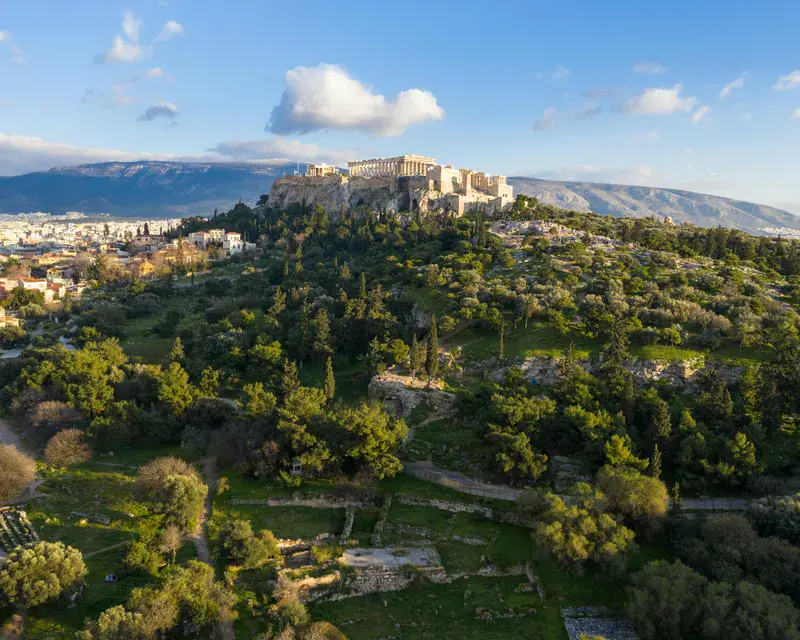
If you’ve got cash to spend, Greece’s property-based Golden Visa is also one of the most accessible in Europe — and unlike Italy, it doesn’t require minimum physical presence.
🛂 Visa Winner: Thessaloniki
Florence is beautiful, but the visa path is tighter and more bureaucratic. Thessaloniki offers easier entry and less stress once you’re on the ground — especially if you're self-funded.
🌟 Lifestyle Showdown: What Daily Life Actually Feels Like
Language & Cultural Fit
Florence is visually stunning, but don’t expect every waiter or doctor to speak English outside tourist areas. Learning Italian isn’t required, but it’ll drastically improve your experience. Locals are warm, but reserved until they know you. Once you're in, you're family — but getting there takes time.
Thessaloniki, on the other hand, is more relaxed in tone and surprisingly English-friendly, especially with younger locals and in most services. The culture is big on hospitality — think long meals, neighborhood chats, and invitations from near-strangers. You’ll feel welcomed, even if you’re still butchering Greek verbs.
Climate & Comfort
Florence has four real seasons — think crisp fall evenings and springtime breezes. Summers can get brutally hot, especially in older apartments without AC. Winters are mild but damp, and central heating isn't a given in older buildings.
Thessaloniki leans hotter and drier. Summer can stretch from May to October, with little rain and plenty of beach days. Winters are short and rarely harsh. Overall, it’s the more comfortable year-round climate if you prefer warmth.
Daily Convenience
In Florence, life moves at a “slow but stylish” pace. Grocery stores close midday, utility companies may never answer their phone, and you’ll wait 45 minutes for a doctor who’s always “just around the corner.” But you’re living in an actual Renaissance painting, so… trade-offs.
In Thessaloniki, life is chill but more practical. Stores stay open later, customer service is better (yes, really), and things like internet setup or apartment repairs just happen faster. It’s not perfect — Greece has its share of delays and quirks — but day-to-day, it’s easier to get stuff done.
🌟 Lifestyle Winner: Tie, with a Tilt Toward Thessaloniki
Florence delivers unmatched beauty and cultural depth, but requires patience and a good dose of Italian. Thessaloniki is friendlier, more functional, and more accessible — especially for first-time expats.
🎭 Entertainment, Community & Quality of Life
Things to Do
Florence is one giant open-air museum. Your casual weekend might involve strolling past Michelangelo sculptures, sipping Chianti in a medieval alleyway, or catching an opera in a building older than your entire hometown. Cultural richness is off the charts — but nightlife is a bit quieter and leans toward wine bars and art exhibits rather than clubs or beach parties.
Thessaloniki brings a more low-key, lived-in vibe. Think long seaside promenades, cozy cafes that turn into lively bars at night, and a year-round calendar of food, film, and music festivals. The city’s youthful energy (thanks to its large student population) means more nightlife, more spontaneity, and a more social rhythm.
Social Life & Expat Scene
Florence’s expat community is well-established — mostly professionals, creatives, and students. English is widely spoken in expat circles, but blending with locals takes effort (and some Italian). It can feel a bit “expat bubble” unless you actively try to break out of it.
Thessaloniki, while smaller, is incredibly welcoming. The social barrier between locals and foreigners is lower. People invite you out after one conversation. The expat scene is growing, less cliquish, and more integrated into everyday life — especially if you hang out at co-working spaces or language exchanges.
Family-Friendly Factors
Florence offers more polished infrastructure: better public schools, more structured activities, and world-class museums that kids can actually enjoy. But space is at a premium — apartments are smaller, green spaces are limited, and family logistics (like navigating strollers over cobblestones) can get frustrating.
Thessaloniki is a more relaxed environment for families. Parks are more accessible, dining with kids is normal, and people love children — expect strangers to offer them candy at dinner. It’s not quite as organized as Italy, but it’s a softer landing if you're new to parenting abroad.
🎭 Lifestyle Winner: Toss-Up
Choose Florence if you want constant cultural immersion and don’t mind working a bit harder to fit in. Choose Thessaloniki if you’re after connection, ease, and a more laid-back Mediterranean rhythm.
💰 Financial Impact & Strategy
Savings Potential
Let’s keep it simple:
If you currently spend $4,000/month in the U.S., here’s how much you might save abroad:
City | Monthly Cost (Comfortable lifestyle) | Monthly Savings | Annual Savings |
|---|---|---|---|
Florence | ~$1,830 | ~$2,170 | ~$26,000 |
Thessaloniki | ~$1,200 | ~$2,800 | ~$33,600 |
Takeaway: Thessaloniki saves you $600–$700 more per month than Florence, with comparable quality of life — a major difference if you’re building toward financial independence.
Taxes & Financial Setup
Both countries tax global income if you become a resident — but in practice:
- Italy is more aggressive about taxation and reporting. You’ll need a qualified accountant, especially if you hold investments or earn freelance income.
- Greece is more lenient on foreign-earned income for new residents under certain visa types, with fewer reporting hoops (for now). Still, you’ll need to plan ahead if you stay beyond 183 days/year.
Both countries require you to file U.S. taxes, and if you hold more than $10,000 abroad, you'll need to report that too.
Financial Strategy Tip:
Use the Geo-Arbitrage Calculator to compare how quickly each location helps you reach your financial goals. Most people don’t realize just how fast you can grow your savings once rent, food, and healthcare drop below $1,500/month.
💰 Financial Winner: Thessaloniki
While both cities offer major savings over U.S. life, Greece gives you a better runway — especially in the first 1–3 years — and keeps setup costs lower.
🏆 Final Verdict: Which Mediterranean Paradise Delivers?
The Numbers Summary
Category | Florence (Italy) | Thessaloniki (Greece) |
|---|---|---|
Comfortable Monthly Cost | ~$1,830 | ~$1,200 |
Annual Savings (vs US) | ~$26,000 | ~$33,600 |
Visa Complexity | 8/10 – Heavy documentation | 6/10 – Straightforward FIP path |
Healthcare Access | 7/10 – Great system, slow access | 8/10 – Fast, affordable private care |
Language Barrier | Moderate – Italian expected | Low – English widely spoken |
Lifestyle Score | 9/10 – Cultural depth | 9/10 – Community & ease |
Best For | Long-term planners, art lovers | First-timers, remote workers |
🧭 Your Quick Decision Guide
Choose Florence if you prioritize:
- Deep cultural immersion and art history at your doorstep
- Long-term EU residency and healthcare security
- A quieter, classic lifestyle rooted in tradition
- You're willing to learn Italian and deal with red tape
Choose Thessaloniki if you prioritize:
- Lower cost of living and quicker path to savings
- Easier residency setup with less paperwork
- A friendly, social vibe with lots of English support
- Warmer year-round weather and more practical living
Consider other options if:
- Your budget is under $1,000/month (Greece is close, but still a stretch)
- You need fast-tracked permanent residency (neither country is ideal for speed)
- You work U.S. business hours and need 24/7 connectivity
- You're uncomfortable navigating foreign bureaucracy
🗺️ Your 60-Day Action Plan
🗓️ Weeks 1–2: Reality Check
🗓️ Weeks 3–4: Talk to People & Test the Waters
🗓️ Weeks 5–6: Make the Call
🗓️ Weeks 7–8: Prep & Launch
🔧 Tools to Help You Move Smarter
- Country Search Tool: Filter by climate, internet, cost, and visa options
- Geo-Arbitrage Calculator: See how much you’ll save
- FIRE Calculator: Measure how the move accelerates your financial goals
- Procrastination Calculator: See what it costs to wait another year
🚀 Final Thought: Choose Progress Over Perfection
There’s no perfect country. There’s the country that works for you, right now, with the budget and goals you have today.
Both Italy and Greece offer stunning scenery, rich culture, and huge financial upsides. The difference isn’t whether one is “better”—it’s which one makes it easier for you to actually take the leap.
So whether you're sipping espresso in Florence or soaking up sunsets in Thessaloniki, make sure you're living your version of the dream — not someone else’s Instagram fantasy.
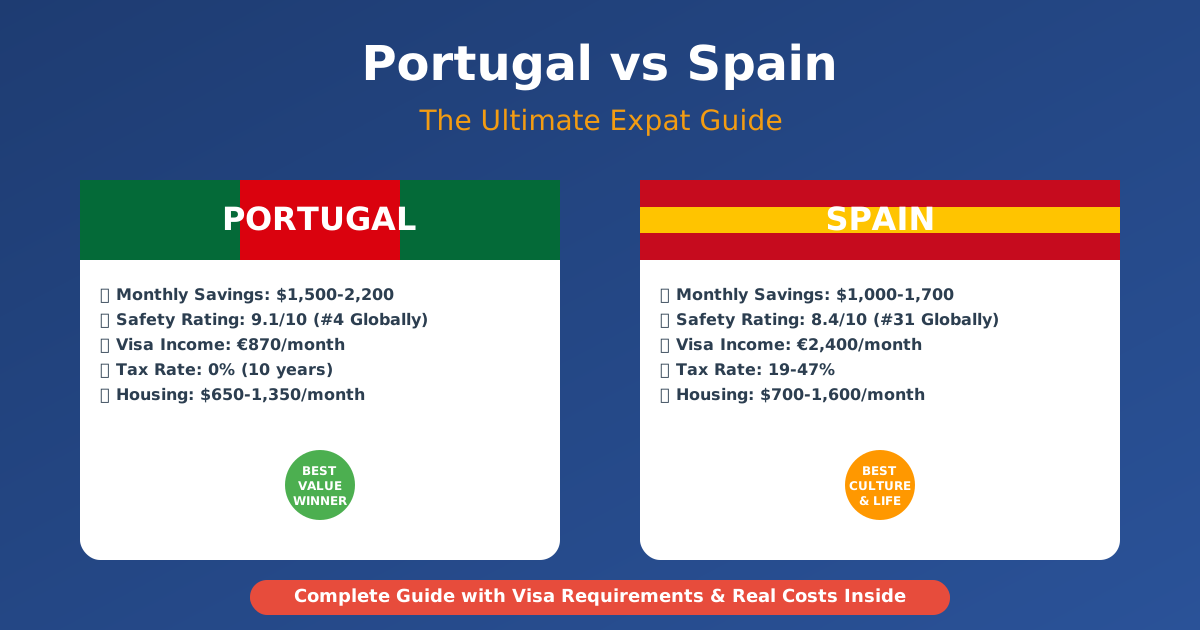
Portugal vs Spain: Which is Better for Expats & Remote Workers?
Choosing between Portugal and Spain? Complete 2026 comparison of costs, visas, lifestyle, and everything you need to make your international move.
France vs Germany: Which European Destination Is Right for You?
Can't decide between France's romantic allure and Germany's efficient charm? Compare everything from Paris vs Berlin, cost of living, food, and more!