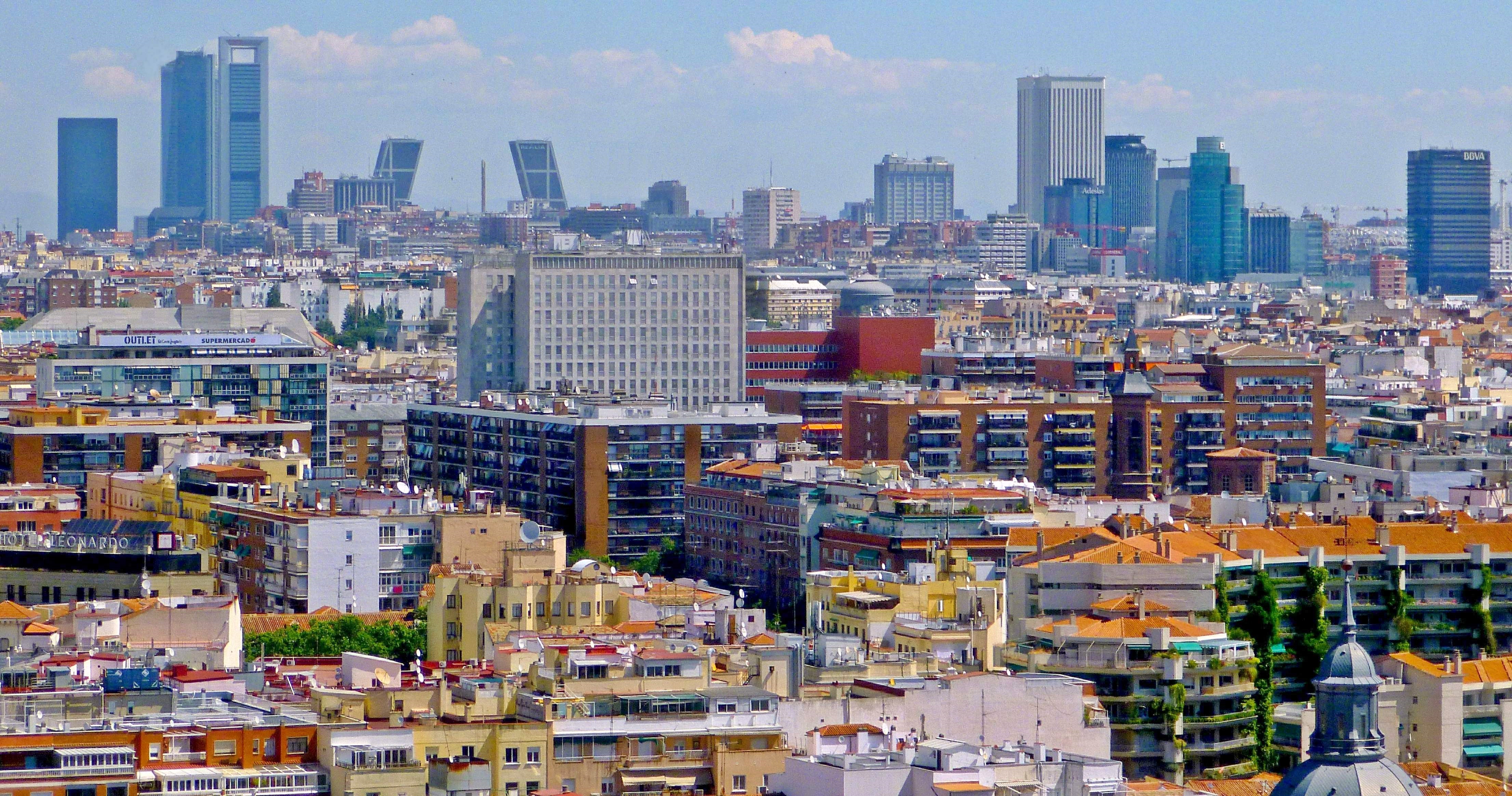
Madrid sits at the heart of Spain, a sprawling capital of 3.3 million people perched 667 meters above sea level in the country's central plateau. Its Mediterranean climate with continental influences means very hot, dry summers and cool winters, with plenty of sunshine year-round. Expats tend to cluster in neighborhoods like Salamanca, known for upscale shopping and dining, Malasaña, the creative and nightlife hub, and Chamberí, a quieter, residential favorite with tree-lined streets and local markets. The city's large and active expat community makes it easy to find your footing, whether you're here for a few months or planning to stay.
Estimate the cost of moving to Madrid, Spain
Get a free moving cost estimate for moving to Madrid, Spain. Takes 10 seconds.
How much are you shipping?
When are you moving?
Powered by Sirelo. Free quotes from international movers.
🏚️ Cost of Living
💰 Budgets and Costs
$1,719/mo, one person, rent included
Selected: budget lifestyle
Madrid on a budget budget comes to about $1,719 a month for one adult, with $1,194 of that going to rent. Beyond rent the estimate covers $139 on groceries, $72.00 on dining out, $36.00 on entertainment and lifestyle, $241 on utilities and connectivity and $37.00 on transport.
Rent
$1,194/mo
1BR outside the centre
Groceries
$139/mo
75% of mid-range grocery spend
Dining out
$72.00/mo
4 inexpensive meals
Entertainment & lifestyle
$36.00/mo
1 cinema trip, 8 cappuccinos
Utilities & connectivity
$241/mo
utilities, mobile, internet
Transport
$37.00/mo
Monthly pass
Budgets (excl. rent)
Single person$525/mo
Excludes rent. The total above is all-in, rent included.
$1,947/mo, one person, rent included
Selected: mid-range lifestyle
Madrid on a mid-range budget comes to about $1,947 a month for one adult, with $1,194 of that going to rent. Beyond rent the estimate covers $186 on groceries, $179 on dining out, $110 on entertainment and lifestyle, $241 on utilities and connectivity and $37.00 on transport.
Rent
$1,194/mo
1BR outside the centre
Groceries
$186/mo
Staples basket scaled to a full month
Dining out
$179/mo
10 inexpensive meals
Entertainment & lifestyle
$110/mo
gym, 2 cinema trips, 12 cappuccinos
Utilities & connectivity
$241/mo
utilities, mobile, internet
Transport
$37.00/mo
Monthly pass
Budgets (excl. rent)
Single person$753/mo
Excludes rent. The total above is all-in, rent included.
$2,495/mo, one person, rent included
Selected: comfortable lifestyle
Madrid on a comfortable budget comes to about $2,495 a month for one adult, with $1,491 of that going to rent. Beyond rent the estimate covers $260 on groceries, $309 on dining out, $157 on entertainment and lifestyle, $241 on utilities and connectivity and $37.00 on transport.
Rent
$1,491/mo
1BR in the centre
Groceries
$260/mo
140% of mid-range grocery spend
Dining out
$309/mo
6 inexpensive meals + 6 mid-range meals
Entertainment & lifestyle
$157/mo
gym, 4 cinema trips, 20 cappuccinos
Utilities & connectivity
$241/mo
utilities, mobile, internet
Transport
$37.00/mo
Monthly pass
Budgets (excl. rent)
Single person$1,004/mo
Excludes rent. The total above is all-in, rent included.
Estimates for one adult, built from this city's average prices and the usage shown for each tier. Your spending will differ with how often you eat out and where you live.
A 1BR in the center runs about $1491.38/mo. If your income is in another currency, bank FX fees add up. A multi-currency account can cut that cost.
Madrid is genuinely safe for daily life, with a Numbeo Safety Index of 80 reflecting a well-policed, walkable city. Expats report comfortable evening strolls in central neighborhoods like Salamanca, Retiro, and Chueca. The city feels secure compared to many major European capitals, though like any metropolis, situational awareness matters. Most expats settle in quickly without safety concerns dominating their experience.
Petty theft—pickpocketing on metro lines, bag snatching, and tourist scams—is the primary concern, not violent crime. High-risk zones include Sol, Plaza Mayor, and crowded transit during peak hours. Avoid displaying expensive jewelry or phones. Solo female travelers report feeling safe overall, though standard precautions apply in late-night areas. Scams targeting foreigners (fake police, overpriced drinks) occur but are avoidable with basic street smarts.
Spain's political environment is stable with reliable police and judicial systems. Madrid has experienced occasional protests related to housing and labor issues, but these rarely affect expat neighborhoods and are generally peaceful. Corruption is low by international standards. For Americans considering relocation, Madrid presents minimal geopolitical risk and strong institutional reliability. It's a genuinely safe choice for remote workers and retirees seeking a European base.
🏥 Healthcare
Excellent
Public Hospitals
Yes
Private Clinics
Yes
English-Speaking Doctors
Available
See how Madrid's healthcare compares with Barcelona
🌤️ Climate
Summer Temp
33°C
Winter Temp
3°C
Humidity
57%
Air Quality Index
52
Annual Rainfall
517 mm
Best Months
MarAprMaySep
Climate Notes
Mediterranean climate with continental influences; very hot, dry summers and cool winters.
💻 Digital Nomad
Avg Internet Speed
150 Mbps
Internet (monthly)
$35/mo
Coworking Availability
Abundant
Coworking Spaces Nearby
42
Digital Nomad Score
84/100
Community Notes
Madrid is a top choice for digital nomads with excellent infrastructure and lifestyle options.
Located in the Salamanca district, Utopicus offers a stylish and professional environment. It's known for its design-focused spaces, networking events, and central location, making it a good choice for expats looking to connect with other professionals.
Situated in the Chamberí neighborhood, this WeWork location provides a reliable and well-equipped coworking experience. Expats will appreciate the familiar amenities, international community, and convenient access to transportation.
Aticco offers multiple locations in Madrid, including one near Atocha. Known for its focus on community and well-being, it features rooftop terraces, events, and a vibrant atmosphere, appealing to digital nomads seeking a social coworking experience.
Located in the Lavapiés neighborhood, La Guarida Creativa offers a more intimate and creative coworking environment. It's a good option for those seeking a local vibe and a close-knit community, with a focus on artistic and entrepreneurial endeavors.
See how Madrid's digital nomad life compares with Barcelona
🧳 Expat Life
English Proficiency
Widely Spoken
Expat Community
Large & Active
Top Neighborhoods
Salamanca, Malasaña, Chamberí
Banks Nearby
955
ATMs Nearby
294
Expat Life Notes
A vibrant, world-class capital with an unmatched energy. It is exceptionally international and walkable.
Pros
✓ Incredible social scene and nightlife
✓ Global transit hub
✓ Safe and walkable center
Cons
✗ Noise pollution
✗ Expensive housing market
✗ Bureaucracy is slow
🏘️ Neighborhoods in Madrid
Areas of Madrid that expats often consider.
Conditions can change from one block to the next, and these descriptions are general guides, not safety assessments. Before choosing where to stay or live, check current travel advisories, talk to people who live there, and visit in person if you can.
Salamanca
Upscale, elegant, sophisticated shopping
Salamanca is known for its designer boutiques, Michelin-starred restaurants, and beautiful architecture. It's popular with affluent expats and retirees seeking a refined lifestyle. The area is very walkable and well-connected by public transport, but expect higher prices and less local flavor.
Malasaña
Trendy, bohemian, vibrant nightlife
Malasaña is a hub for young expats, digital nomads, and students, drawn to its alternative vibe, vintage shops, and lively bar scene. It's a very walkable area with excellent public transport links. Expect noise at night and a more gritty, less polished environment than Salamanca.
La Latina
Historic, traditional, tapas culture
La Latina is one of Madrid's oldest neighborhoods, famous for its tapas bars and the El Rastro flea market. It's popular with expats who want to immerse themselves in Spanish culture. While charming, it can be crowded and noisy, especially on weekends, and some areas are less well-maintained.
Chamberí
Residential, authentic, local atmosphere
Chamberí offers a more authentic Madrid experience, with a mix of families, professionals, and retirees. It's a quieter, more residential area than Malasaña or La Latina, but still has plenty of restaurants, bars, and shops. It's well-connected by metro and bus, and generally considered safe and walkable.
Lavapiés
Multicultural, diverse, budget-friendly
Lavapiés is a vibrant, multicultural neighborhood with a large immigrant population, offering a wide range of international cuisine and budget-friendly living. It's a good option for expats on a tighter budget who want to experience a more diverse side of Madrid. While generally safe, some areas can feel a bit rough around the edges, and petty crime is more common.
Retiro
Green spaces, peaceful, family-friendly
Named after the famous Retiro Park, this neighborhood offers a more relaxed and green environment. It's popular with families and retirees who enjoy outdoor activities. Expect higher rents due to the desirable location, but the proximity to the park and quieter atmosphere are a major draw.
Gran Vía (Centro)
Central, bustling, tourist hotspot
Living directly on Gran Vía puts you in the heart of Madrid's action, surrounded by theaters, shops, and restaurants. While convenient for sightseeing and entertainment, it's extremely touristy, noisy, and can feel overwhelming for long-term residents. Expect higher prices and less of a local feel.
Page 1 of 2
Could living/working in Madrid cut years off your work life?
With a 1-bedroom in the center at $1491/mo, your FIRE number here might be much lower than you think.
Madrid has a population of approximately 3,332,035 people.
A single person can expect to spend around $3,728 per month in Madrid, including rent. A 1-bedroom apartment in the city center costs approximately $1491/month.
The nearest airport to Madrid is MAD, approximately 8.4km away.
Madrid is considered relatively safe, with a safety index of 80.0. As with any city abroad, expats should research specific neighborhoods before committing to a location.
Madrid has an average internet speed of 150 Mbps. It is considered a well-established digital nomad destination.
For most jobs, yes — Spanish fluency is expected even in multinational firms. English-only roles exist in some tech startups and international organizations, but they're competitive and limited. For daily life, Madrid is less English-friendly than Barcelona; learning at least intermediate Spanish will significantly reduce friction.
It's genuinely painful. You'll need a NIE (foreigner ID number), empadronamiento (local registration), and depending on your situation, a visa like the Non-Lucrative or Digital Nomad Visa. Each step involves appointments that book out weeks in advance, documents that need apostilles, and offices that don't always communicate with each other. Budget 2–4 months to get fully sorted.
It's workable but not a bargain destination. A comfortable single-person budget runs €2,000–2,500/month including rent, food, transport, and healthcare. That's well below London or Paris, but higher than Portugal or Southeast Asia. The Non-Lucrative Visa requires proof of roughly €2,400/month in passive income for a single applicant, which aligns roughly with what you'd actually need to live decently.
Madrid has a continental climate with hot, dry summers and cold winters. Expect temperatures to range from below freezing in January to over 90°F (32°C) in July and August, with relatively little rain, especially during the summer months. Spring and fall offer the most pleasant weather for exploring the city.
Madrid is generally a very safe city with a low crime rate compared to many major US cities. Petty theft, like pickpocketing, can occur in touristy areas, so it's wise to be aware of your surroundings, especially on public transport and in crowded places like Plaza Mayor. Violent crime is rare.
For budget-conscious expats, consider neighborhoods like Lavapiés, Usera, or Vallecas. These areas offer more affordable rent and a diverse, authentic Madrid experience, though they may be further from the city center and have fewer English speakers. Malasaña and La Latina are trendy but can be pricier.
Madrid has an excellent and affordable public transportation system, including a comprehensive metro network, buses, and commuter trains (Cercanías). A monthly transport pass (Abono Transporte) offers unlimited travel within the city and surrounding areas and is a great value for regular commuters.
Madrid boasts excellent internet infrastructure, with widespread access to high-speed fiber optic connections. You can expect download speeds of 100 Mbps or more in most areas, making it ideal for remote work. Many cafes and coworking spaces also offer reliable Wi-Fi.
Yes, Madrid has a thriving coworking scene with numerous options catering to different needs and budgets. Popular coworking spaces include Utopicus, Aticco, and Loom, offering a range of amenities and networking opportunities for digital nomads and freelancers.
It's relatively easy to find English-speaking doctors in Madrid, especially in private healthcare facilities. Many hospitals and clinics have international departments with staff who speak English. Websites like Top Doctors and the US Embassy website can help you find qualified English-speaking medical professionals.
As a US citizen or green card holder, you're still required to file US taxes even when living abroad. The Foreign Earned Income Exclusion (FEIE) can help you exclude a certain amount of your foreign-earned income from US taxes, and the Foreign Bank Account Report (FBAR) is required if you have foreign bank accounts exceeding $10,000 in total.
Several options exist for transferring money from the US to Spain, including bank transfers, online money transfer services like Wise (formerly TransferWise) and Remitly, and international money orders. Compare fees and exchange rates to find the most cost-effective option. Be aware of potential ATM fees when withdrawing cash.
Madrid has a large and active expat community, making it easy to connect with other foreigners. Numerous Facebook groups, Meetup groups, and social events cater to expats, providing opportunities to make friends and build a support network. InterNations is also a popular platform.
Living comfortably in Madrid on $2,500 USD per month is possible, especially if you're mindful of your spending and choose a less expensive neighborhood. This budget should cover rent, utilities, groceries, transportation, and some leisure activities, but it may require some adjustments to your lifestyle.
Popular banks for expats in Madrid include Santander, BBVA, CaixaBank, and Sabadell. Research their fees, services, and English-language support to find the best fit for your needs. Opening an account typically requires a NIE (foreigner identification number) and proof of address.
Madrid generally has a more relaxed pace of life than many major cities in the US. People tend to take their time, enjoy leisurely meals, and prioritize social connections. Businesses may close for siesta in the afternoon, and the evening is often reserved for socializing and enjoying tapas.
Cost-of-living and visa updates for Madrid and the rest of Spain. Free with RA Postcards.
By submitting your email address, you will receive a free subscription to RA Postcards and special offers from Rewire Abroad and our affiliates. You can unsubscribe at any time, and we encourage you to read more about our Privacy Policy.