Moving to Andorra in 2026: Complete Guide to Residency, Taxes & Cost of Living
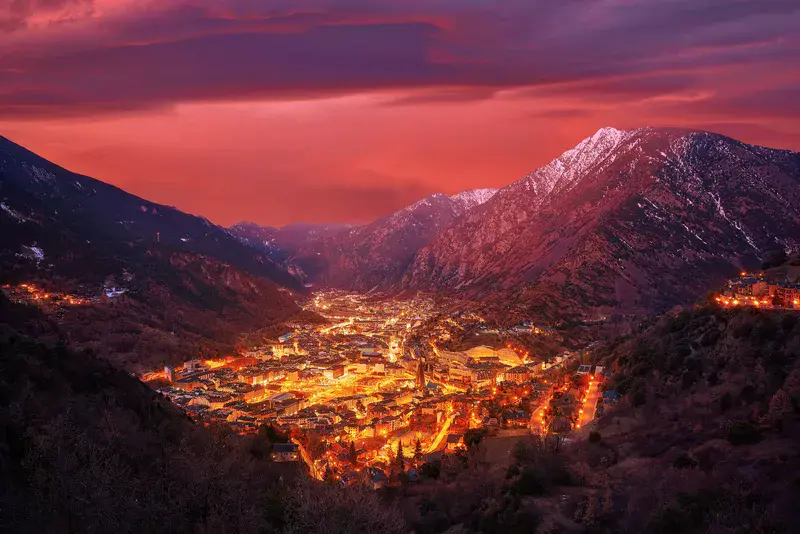
Most people discover Andorra by accident — a tax-efficient microstate sandwiched between France and Spain that nobody put on their shortlist. That's the point. Andorra isn't a traditional expat destination. It's a deliberate choice made by people who ran the numbers, love mountains, and decided that 10% maximum income tax and zero wealth tax are worth trading urban culture for.
Whether that trade makes sense depends entirely on your income, your lifestyle, and your honesty about what you actually want from daily life. This guide doesn't sell Andorra. It explains it.
Who Andorra Is Actually For
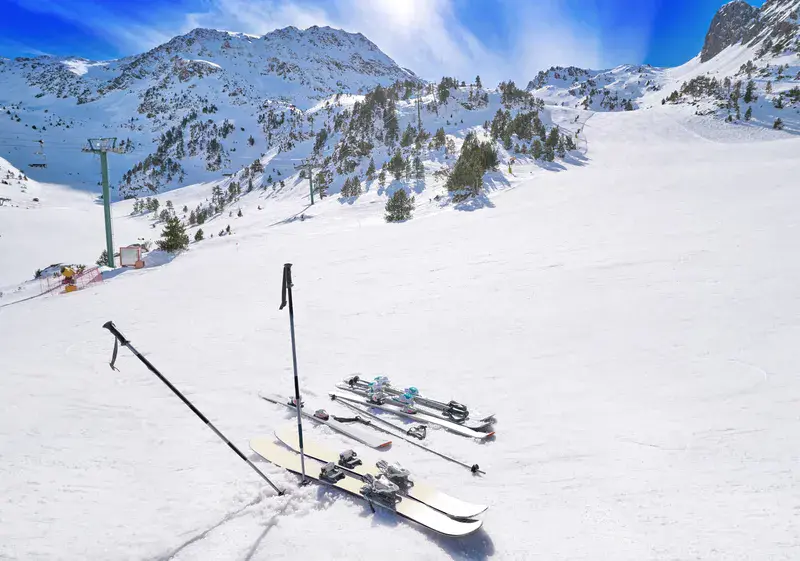
Andorra works for a specific type of person: high earners or investors who want legitimate tax optimization through genuine residence, not paper residency. Remote workers and entrepreneurs running businesses for non-Andorran clients. Retirees with $60,000+ annual income who prioritize safety, low taxes, and mountain lifestyle over beach weather and city energy. Serious winter sports enthusiasts for whom a Grandvalira season pass fifteen minutes from their apartment is a genuine quality-of-life argument.
The honest cut: if you earn under €80,000 a year, the tax savings don't justify the €1,000,000 passive residency investment (or €400,000 via the Housing Fund route) and the lifestyle constraints. If you need warm weather, walkable cities, cultural diversity, or local employment, you are looking at the wrong country. Andorra rewards people who genuinely want to be there — it punishes people who move for the tax rate alone.
Find Your Ideal Andorra Visa
11 quick questions to match you with the right visa.
Where do you hold a passport?
Determines which visas are open to you. If you hold multiple passports, pick the one you would apply with.
Understanding Andorra: Geography, Climate & Culture
Location & Accessibility
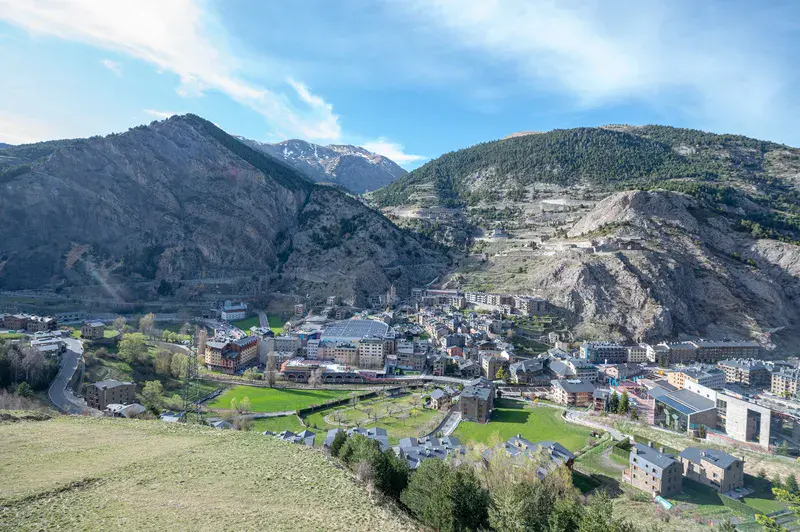
Andorra la Vella, the capital and largest city (population ~23,000), sits at 1,023 meters (3,356 feet) elevation, making it Europe's highest capital. The entire country spans just 30 kilometers (19 miles) at its longest point, divided into seven parishes (similar to counties): Canillo, Encamp, Ordino, La Massana, Andorra la Vella, Sant Julià de Lòria, and Escaldes-Engordany.
Getting There:
- Nearest Airports: Barcelona-El Prat (BCN) – 200km/2.5 hours; Toulouse-Blagnac (TLS) – 165km/2 hours; Girona-Costa Brava (GRO) – 225km/2.5 hours
- No Airport: Andorra has no commercial airport due to mountainous terrain, so plan for ground transportation
- Bus Services: Direct coaches run daily from Barcelona (€35-40) and Toulouse (€45-50)
- Driving: Essential for living in Andorra; winter tires mandatory November-May
Andorra Weather Year Round
Andorra experiences a mountain continental climate with distinct seasons that heavily influence daily life:
Season | Months | Temperature Range | Characteristics | Best For |
|---|---|---|---|---|
Winter ⛷️ | Dec-Mar | -2°C to 7°C (28-45°F) | Heavy snow, ski season peak, shorter days | Winter sports enthusiasts |
Spring 🌸 | Apr-May | 5°C to 15°C (41-59°F) | Snow melts, hiking trails open, variable weather | Nature lovers, fewer tourists |
Summer ☀️ | Jun-Sep | 15°C to 26°C (59-79°F) | Peak sunshine, warm days, cool nights | Hiking, mountain biking, outdoor dining |
Fall 🍂 | Oct-Nov | 5°C to 15°C (41-59°F) | Beautiful foliage, crisp air, early snow possible | Photography, peaceful hiking |
Key Climate Considerations:
- 300+ sunny days annually: One of Andorra's biggest selling points—more sunshine than most of Europe
- Winter dominates: Expect snow from November through March; some years snow persists until May at higher elevations
- Altitude matters: Temperature drops ~6°C (11°F) per 1,000m elevation gain; mountain parishes significantly colder than Andorra la Vella
- Inversions are common: Valley fog while mountains enjoy sunshine, particularly in winter
- UV intensity: High altitude means stronger sun—sunscreen essential year-round
Reality Check: If you struggle with long winters or limited daylight (December sunset ~5:15pm), Andorra's climate may feel challenging. Conversely, winter sports enthusiasts and those seeking escape from hot summers find the climate ideal.
Language & Cultural Integration
Andorra's official language is Catalan, though the reality is more complex:
Language Breakdown:
- Catalan: Official language, spoken by ~38% as first language
- Spanish: Most widely understood (~43% as first language), works almost everywhere
- Portuguese: Spoken by ~11% (large Portuguese immigrant community)
- French: Understood in tourist areas and by older generations (~7%)
- English: Increasingly common in business, especially with expats, but far from universal
Practical Language Reality: Most expats function perfectly well with Spanish, especially in Andorra la Vella and Escaldes-Engordany. However, government documentation is in Catalan, and learning basic Catalan demonstrates respect for local culture. The government offers free or subsidized Catalan courses for residents—highly recommended for integration.
Cultural Notes:
- Andorrans (those born in Andorra) represent a minority in their own country, creating a unique dynamic
- The society is cosmopolitan but somewhat reserved; building deep local friendships takes time
- Siesta culture doesn't exist as strongly as in Spain; shops stay open during lunch
- Smoking is notably more prevalent than in the US or UK
- The culture skews family-oriented and conservative despite the international population
How to Move to Andorra: Residency Pathways Explained
Moving to Andorra requires obtaining legal residency—you cannot simply arrive and stay. Andorra offers several residency categories, each with distinct requirements, benefits, and limitations. Choosing the right pathway depends on your professional situation, financial resources, and long-term goals.
Overview of Andorra Residency Types
Andorran residency falls into two main categories:
- Active Residency (Residència activa): For those working, running a business, or actively employed in Andorra
- Passive Residency (Residència passiva): For those not working in Andorra, including retirees and remote workers
Both lead to full residency rights, healthcare access, and the path to potential citizenship (after 20+ years, though Andorra doesn't allow dual citizenship).
Passive Residency: For Retirees, Remote Workers & Investors
Who it's for: Individuals with independent income sources (investments, rental income, remote work for non-Andorran companies, pensions, retirement savings)
Key Requirements:
- Minimum Investment: €600,000 in Andorran assets, structured as:
- €400,000 in Andorran real estate (property purchase), OR
- €400,000 deposit with Andorra Banc Agrícol (AFA), the national financial authority (interest-bearing)
- €200,000 deposit in a regular Andorran bank account
- Note: These are deposits, not fees—you retain ownership of the funds
- Andorran Address: Must rent or own property (the €400k can fulfill this if purchasing)
- Proof of Income: Demonstrate sufficient means to support yourself without working in Andorra (typically €300% of minimum wage, ~€40,000/year per adult)
- Clean Criminal Record: Police clearance from countries of residence for past 5 years
- Medical Certificate: Proving you're in good health
- Health Insurance: Private health insurance covering Andorra (can be Andorran public system after residency granted)
- Minimum Stay Requirement: Must spend at least 90 days per year in Andorra (not necessarily consecutive)
Processing Time: 3-6 months typically
Annual Fees: Small residency permit renewal fee (~€100)
Work Restrictions: Passive residents cannot work for Andorran companies or clients. You can run a business serving clients outside Andorra, work remotely for foreign employers, or live off investments/pensions.
Practical Considerations:
This is Andorra's most popular expat pathway. The €600,000 requirement is significant but manageable for many retirees selling property in high-cost countries like the US, UK, or northern Europe. The funds remain yours (unlike donation-based residency in some countries), and the real estate component can become your home or rental income source.
Is this Andorra's "Golden Visa"? Effectively, yes—though Andorra doesn't use that terminology. The passive residency pathway functions similarly to Portugal's or Spain's investor residency programs, requiring capital deployment in exchange for residence rights.
Active Residency: For Entrepreneurs & Employees
Who it's for: Those working for Andorran companies or running businesses serving the Andorran market
Key Categories:
1. Self-Employed Residency (Residència per compte propi)
Requirements:
- Create a business in Andorra (SLU, SA, or self-employed registration)
- €50,000 deposit with AFA (refundable)
- €15,000 deposit in Andorran bank
- Business plan demonstrating viability
- Same personal requirements as passive residency (criminal record, medical cert, etc.)
Best for: Entrepreneurs, consultants, digital business owners who want to serve Andorran clients or have physical presence
2. Employment Residency (Residència per compte d'altri)
Requirements:
- Employment contract with Andorran company
- Employer sponsors your residency application
- €15,000 deposit in Andorran bank
- Same personal documentation as other categories
Best for: Those securing jobs with Andorran companies (tourism, ski resorts, finance, professional services)
Reality Check: Job opportunities for foreigners are limited unless you bring specialized skills. Competition from Spanish and French workers (who commute daily) is significant.
3. Professional Residency
For specific professions (athletes, artists, scientists) or digital nomads—requirements vary based on category. Consult immigration lawyers for specifics.
Andorra Residency by Investment
Andorra's residency by investment program grants legal residence in one of Europe's lowest-tax jurisdictions — without requiring EU citizenship or a minimum stay of more than 90 days per year for most permit types.
Key Metrics:
Metric | Value | Note |
|---|---|---|
Minimum investment | €600,000 | Passive residency route |
Personal income tax (top rate) | 10% | No wealth or inheritance tax |
Minimum physical presence | 90 days/yr | Passive permit holders |
Path to permanent residency | 3 years | Citizenship after 20 years |
Comparison with Other European Programs:
Country | Minimum Investment | Real Estate Component | Work Rights | Residency Requirements |
|---|---|---|---|---|
€600,000 (€400k property/deposit + €200k bank) | Required | No local work | 90 days/year | |
None (NHR ended 2024) | Optional | Yes | Minimal (14 days/year) | |
€500,000+ | Required | Yes | Minimal | |
€250,000+ | Required | No | None | |
€300,000+ | Required | Yes | Minimal |
Residency routes available to investors
Route | Description | Requirements |
|---|---|---|
Passive residency | For individuals who derive income outside Andorra — typically HNWIs, retirees, and remote earners seeking tax optimisation. | Minimum investment: €600,000 in Andorran assets or real estate · Stay: 90 days/yr |
Active business | For entrepreneurs establishing a company in Andorra. Requires at least 34% ownership and evidence of genuine economic activity. | Company capital: €3,000 min · Stay: 183 days/yr for tax residency |
Professional (remote) | Suited to freelancers, consultants, and digital professionals contracted outside Andorra. No local employer required. | Proof of foreign income · Deposit: ~€15,000 with AFA |
Tip: You can also gain residence through various visas pathways.
Andorra's Unique Position:
- Higher capital requirement but you retain control of funds
- More generous tax treatment (10% max income tax vs 28%+ in Portugal)
- More restrictive work rights (passive residents can't work locally)
- Genuine residency requirement (90 days vs 7-14 days elsewhere)
This structure filters for people who genuinely want to live in Andorra, not just hold a residency permit while living elsewhere—which is exactly what Andorra intends.
Step-by-Step: The Application Process
Phase 1: Preparation (1-2 months)
- Engage Immigration Lawyer/Consultant: While technically possible DIY, professional help navigates bureaucracy efficiently (€3,000-€6,000 typically)
- Gather Documentation:
- Passport copies
- Birth certificates
- Marriage certificate (if applicable)
- Criminal record certificates (apostilled/legalized)
- Medical certificates
- Proof of income/assets
- Bank references
- Open Andorran Bank Account: Required before application (you'll need to visit in person initially)
- Secure Housing: Either purchase property or sign rental contract
Phase 2: Application Submission (1 month)
- Make Required Deposits:
- Transfer €400,000 to AFA (or complete property purchase)
- Transfer €200,000 to Andorran bank account
- Submit Application: Through Immigration Department (Servei d'Immigració)
- Pay Application Fees: ~€1,000-€1,500 depending on residency type
Phase 3: Processing (2-4 months)
- Background Checks: Andorran authorities verify documentation
- Possible Interview: Sometimes required, conducted in Catalan/Spanish/French
- Property Verification: If purchasing, authorities verify legitimate transaction
Phase 4: Approval & Activation (1 month)
- Receive Approval: Official notification of residency grant
- Medical Registration: Register with CASS (Andorran healthcare system)
- Collect Residency Card: Physical card issued after final documentation
- Register Address: At your local parish (Comú)
Total Timeline: 4-8 months from start to residency card in hand
Common Delays:
- Document legalization (especially from non-EU countries)
- Bank account opening (Andorran banks are cautious)
- Property transaction complications
- Language barriers in documentation
Official Resources:
- Immigration Service: www.immigracio.ad (Catalan/Spanish/French)
- Government Portal: www.govern.ad
- Ministry of Interior: Handles residency applications

Visa Pathways: Short-Term Entry vs Long-Term Residency
Important: Andorra is not part of the Schengen Area despite being surrounded by Schengen countries (France and Spain). This creates unique entry dynamics.
Tourist Entry:
- Visa-free access: Citizens of US, Canada, UK, EU, Australia, and many others can enter visa-free for up to 90 days
- Entry requirement: Must enter through France or Spain (which are Schengen), so your Schengen visa/entry rights apply
- No Andorran border control: Andorra has no immigration checkpoints; entry is through French or Spanish borders
From Tourist to Resident:
- Apply for residency from your home country or while legally in Andorra on tourist status
- Cannot overstay 90-day tourist limit while waiting for residency decision
- Many applicants maintain tourist status in Spain/France while processing Andorran residency
Border Reality: There are no physical border controls entering Andorra from France or Spain—you simply drive through. However, both countries maintain sporadic customs checks focusing on tobacco and alcohol (Andorra's duty-free status makes it a shopping destination). Keep your passport accessible when traveling in/out.
Andorra Residency Requirements: Beyond the Basics
Financial Proof & Source of Funds
Andorran authorities scrutinize financial documentation carefully—this isn't a rubber-stamp process. You must demonstrate:
1. Legitimate Income Sources
- Pension statements
- Investment portfolio statements
- Business income documentation
- Rental property income
- Employment contracts (for remote work)
2. Tax Compliance
- Recent tax returns from home country
- Proof of tax residence exit (if applicable)
- Declaration of worldwide income and assets
3. Clean Money Trail
- Bank statements showing fund origins
- Property sale documentation
- Inheritance documentation
- Business sale agreements
Why so thorough? Andorra takes its international reputation seriously. After years of "tax haven" accusations, the country now maintains strict due diligence to prevent money laundering and tax evasion. Expect questions about fund sources—transparency is essential.
Healthcare Requirements
Initial Requirement: Private health insurance valid in Andorra until you're integrated into CASS (Caixa Andorrana de Seguretat Social), the public healthcare system.
CASS Registration:
- Automatic for active residents (employed/self-employed)
- Passive residents must apply and meet minimum stay requirements
- Covers ~75% of medical costs; patients pay 25% copay
- Monthly contribution: ~€60-€100 depending on income level
- Family coverage available at additional cost
Healthcare Quality: Excellent primary care, well-equipped hospital in Escaldes-Engordany, but complex procedures often referred to Barcelona or Toulouse. Medical tourism is common for procedures not available locally.
Housing Proof & Address Registration
Options:
- Purchase Property: Fulfills €400,000 investment requirement if buying; must be your primary residence
- Rent: Typical requirement is 1-year lease; rental market is tight, expect €1,000-€2,000/month for apartments
Address Registration (Empadronament): Must register your address with your local parish (Comú) within days of residency approval. This is your official residence for tax and legal purposes. Changes of address must be reported.
Property Buying Considerations:
- Foreigners can purchase property freely (no restrictions like in Switzerland)
- Notary fees, registration, and taxes add ~10-12% to purchase price
- Property yields are modest (3-4% gross) but prices have steadily appreciated
- Rental demand is strong due to housing shortage
Cost of Living in Andorra: Detailed Breakdown
One of Andorra's biggest surprises for newcomers: it's not as cheap as expected. While taxes are low, everyday costs often match or exceed neighboring regions. However, the total financial picture—including tax savings—can still be highly favorable.
Monthly Budget Scenarios
Expense Category | Budget Single | Comfortable Couple | Luxury Family (2 kids) |
|---|---|---|---|
Housing (Rent) | €900 | €1,500 | €2,500 |
Utilities & Internet | €120 | €150 | €200 |
Groceries & Household | €350 | €600 | €900 |
Dining Out | €200 | €400 | €600 |
Transportation (Car) | €200 | €300 | €450 |
Healthcare (CASS + Private) | €150 | €250 | €400 |
Entertainment & Leisure | €150 | €300 | €500 |
Ski Passes (Winter) | €200 | €400 | €800 |
Phone & Services | €50 | €80 | €120 |
Miscellaneous | €180 | €300 | €500 |
TOTAL (Monthly) | €2,500 | €4,280 | €6,970 |
TOTAL (Annual) | €30,000 | €51,360 | €83,640 |
Notes on Budget Tiers:
- Budget: Basic comfort, cooking at home mostly, modest entertainment
- Comfortable: Eating out weekly, regular activities, nice (not luxury) housing
- Luxury: Prime location, frequent dining, extensive activities, higher quality goods
Housing Costs: Rent vs Purchase
Rental Market:
Andorra faces a housing shortage, driving competitive rental markets. Expect:
- Studio apartment (Andorra la Vella): €700-€900/month
- 1-bedroom apartment (central): €900-€1,200/month
- 2-bedroom apartment (central): €1,300-€1,800/month
- 3-bedroom house/apartment: €1,800-€2,500/month
- Luxury/mountain view properties: €2,500-€4,000+/month
Finding Rentals:
- Websites: idealista.ad, tucasaandorra.com, habitaclia.com
- Real Estate Agents: Engel & Völkers, Re/Max, local agencies (agent fees ~1 month rent)
- Parish Variance: Sant Julià and La Massana typically 15-20% cheaper than Andorra la Vella/Escaldes
- Lease Terms: 1-year minimum standard, often renewable; 2-month deposit typical
Purchase Market:
Property prices have risen ~40-50% over the past decade:
- Average price: €3,500-€4,500/m² (central areas)
- Studio apartment: €150,000-€200,000
- 2-bedroom apartment: €300,000-€450,000
- 3-bedroom apartment/house: €500,000-€800,000
- Luxury properties: €1,000,000-€5,000,000+
Buying Costs (Additional):
- Notary fees: ~1-1.5%
- Registration: ~2.5-3%
- Transfer tax: 4% (reduced to 2.5% if buyer is under 35)
- Legal fees: 1-2%
- Total: ~10-12% of property value
Investment Consideration: Property serves dual purpose—fulfills residency requirement and provides stable asset. Rental yields modest but property appreciation steady.
Groceries & Food Costs
Supermarket Reality: Food costs roughly match French/Spanish levels, with some items notably more expensive due to import logistics.
Typical Grocery Prices:
- Bread (loaf): €1.50-€2.50
- Milk (1L): €1.00-€1.50
- Eggs (dozen): €2.50-€3.50
- Chicken breast (1kg): €7-€9
- Beef (1kg): €12-€18
- Fresh vegetables: €2-€4/kg (varies by season)
- Local cheese: €12-€20/kg
- Wine (decent bottle): €6-€15
- Coffee beans (500g): €6-€10
Shopping Options:
- E.Leclerc: Largest, French-style hypermarket, best prices
- Caprabo: Mid-range, Spanish-style, convenient locations
- Punt de Trobada: Higher-end, organic options
- Pyrenees Andorra: Department store with gourmet section
Shopping in France/Spain: Many residents make monthly trips to French Carrefour or Spanish Mercadona for bulk purchases—can save 20-30% on household goods. However, customs limits apply (technical, rarely enforced for personal quantities).
Dining Out:
- Casual meal (menú del día): €12-€18
- Mid-range restaurant (dinner for 2, no wine): €50-€80
- High-end dining (dinner for 2, wine): €120-€200+
- Coffee/beer: €2.50-€3.50
- Pizza/burger: €12-€18
Transportation Costs
Car Ownership (Essential):
Public transportation exists but is limited; a car is practically mandatory for comfortable living.
Initial Purchase:
- New car: Prices similar to Spain, slightly below northern Europe
- Used car: Smaller market, prices hold value well
- Import: Can import from Spain/France but paperwork complex
- Registration: One-time fee ~€200-€500 depending on vehicle
Ongoing Costs:
- Fuel: €1.40-€1.60/L (significantly cheaper than France, similar to Spain)
- Insurance: €600-€1,500/year (depends on vehicle, driver history)
- Maintenance: €300-€600/year average
- Parking: Mostly free or €30-€100/month in central paid lots
- Winter tires: €400-€800/set (mandatory Nov-May, essential for safety)
- Snow chains: €50-€150 (keep in car, occasionally mandatory)
Fuel Advantage: Andorra's duty-free status makes gasoline ~€0.20-€0.30/L cheaper than France. Border residents often drive to Andorra just to fill up.
Public Transportation:
- Bus network: Operates within parishes and between major towns; €2.50-€5 per trip
- Ski bus: Free or included with ski pass during winter season
- Frequency: Buses run 7am-9pm, reduced weekends, very limited evenings
- Coverage: Decent for Andorra la Vella/Escaldes corridor; limited elsewhere
Taxi & Ride-sharing:
- Taxis available, expensive (€2 flag drop, €1.30/km)
- No Uber/Bolt—only licensed taxis
- Most common for airport transfers or evening transport
Utilities & Internet
Monthly Costs:
- Electricity: €60-€150 (higher in winter with heating)
- Water: €20-€40
- Gas (heating): €50-€150 (winter), minimal (summer)
- Internet (100-300 Mbps): €35-€60/month
- Mobile phone: €15-€40/month per line
- Total average: €150-€250/month for couple
Utility Notes:
- Central heating common in apartments (gas-fired)
- Some properties use electric heating (expensive in winter)
- Hot water typically gas-powered
- Internet quality excellent (fiber widely available)
- Mobile coverage strong with Andorra Telecom, less so with alternatives
Providers:
- Andorra Telecom: Dominant provider, reliable, nationwide coverage
- Més Mòbil: Alternative with competitive pricing
- Calls to Spain/France: Often part of plans due to proximity
Healthcare Costs
CASS (Public System):
- Monthly contribution: €60-€100 (income-based)
- Covers ~75% of costs; patient pays 25% copay
- GP visit copay: €7-€10
- Specialist copay: €15-€20
- Prescription copay: 25-50% of cost
- Hospital stay copay: €10-€20/day
Private Insurance (Supplemental): Many residents maintain private insurance for:
- Coverage of the 25% copay
- Access to Spanish/French hospitals
- Faster specialist appointments
- English-speaking providers
Cost: €80-€200/month depending on coverage and age
Dental & Optical: Not covered by CASS; fully out-of-pocket or via private insurance
- Dental cleaning: €50-€80
- Cavity filling: €80-€150
- Eye exam: €40-€60
- Prescription glasses: €150-€400
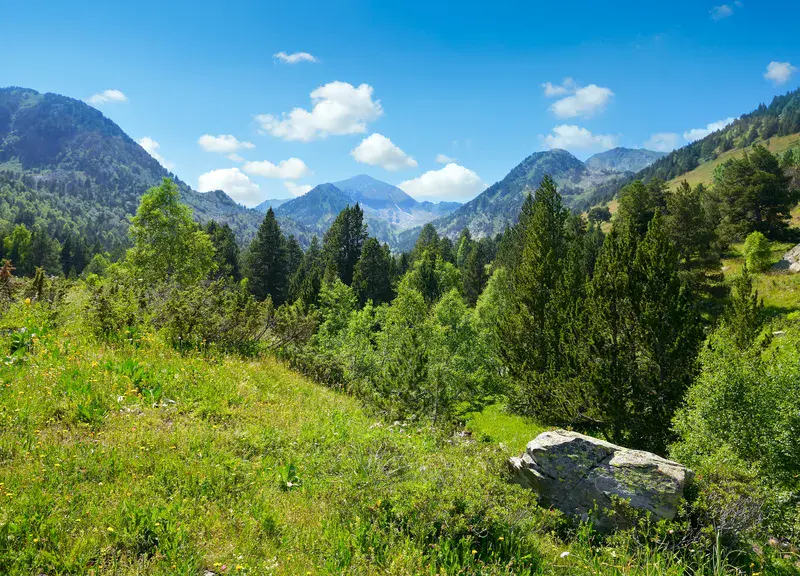
Education Costs
Public Schools (Free): Three systems operate in Andorra, all tuition-free:
- Andorran System: Catalan-language, follows Andorran curriculum
- Spanish System: Spanish-language, follows Spanish curriculum
- French System: French-language, follows French curriculum
All three systems are high-quality and free through high school. Most expat children attend Spanish or French systems depending on family background/future plans.
Private & International Schools:
- British College of Andorra: English curriculum, €8,000-€12,000/year
- American School (in La Seu d'Urgell, Spain - 25 min away): Popular option, ~€10,000/year
- Other Private Schools: €5,000-€15,000/year
Childcare (0-3 years):
- Public nurseries: €300-€500/month (subsidized, waitlists common)
- Private nurseries: €600-€900/month
Entertainment & Lifestyle
Ski Passes (Major Expense for Winter Enthusiasts):
- Grandvalira Season Pass: €899 adult, €700 senior (65+), €700 youth
- Vallnord Season Pass: €750 adult
- Combined Pass: ~€1,150
- Family Packages: Significant discounts for families
- Day Passes: €54-€60/day
For ski enthusiasts, season passes deliver tremendous value—Grandvalira is one of Europe's largest ski domains (210km of slopes).
Other Activities:
- Gym Membership: €40-€80/month
- Spa & Wellness (Caldea): €35-€50/visit
- Movie Ticket: €8-€10
- Concert/Event: €20-€100+
- Hiking/Mountain Biking: Free (Andorra's greatest bargain)
Overall Cost of Living Assessment
Where Andorra is Expensive:
- Housing (rent/purchase)
- Dining out (especially mid/high-end)
- Imported goods
- Private schooling
- Healthcare supplemental insurance
Where Andorra is Reasonable/Cheap:
- Fuel
- Alcohol & tobacco (duty-free)
- Electronics & luxury goods (duty-free—tourism magnet)
- Utilities (especially compared to northern Europe)
- Outdoor activities (mostly free or low-cost)
The Tax Factor: Maximum 10% income tax plus ~6% social security dramatically shifts the total financial picture. A high-earning couple might save €30,000-€100,000+ annually in taxes compared to US/UK/France, easily offsetting higher living costs.
For retirees: Focus on taxation of pensions, investment income, and capital gains. Andorra's treatment of these income sources often generates substantial savings versus home countries.
Is Andorra a Tax Haven? Understanding Andorra's Tax System
The short answer: not anymore, but the rates are still exceptional. Andorra transformed from a zero-tax, secretive jurisdiction before 2010 into a fully compliant low-tax country — OECD member, automatic exchange of information, no banking secrecy. What remains is a maximum 10% income tax on all income above €40,000, zero on the first €24,000, no wealth tax, no inheritance tax for direct descendants, and 10% capital gains. Your home country tax authority knows about your Andorran accounts. The benefit comes from genuinely living here at lower rates, not from hiding anything.
Tax Snapshot: Andorra
How you get taxed in Andorra
0%-10%
Estimated tax (floor)
$4,800
Ballpark effective rate
~6%
This is a floor. Your real rate depends on whether your income is salary, dividends, capital gains, or pension — Andorra taxes each one differently.
Top income
10.0%
CGT
10.0%
Dividends
10.0%
CGT type
Flat
Ballpark estimate using a simplified effective-rate multiplier. Your actual rate depends on income composition, deductions, the FEIE, expat tax regimes, and any new CGT or dividend taxes. Not tax advice.
Personal Income Tax (IRPF)
Andorra implements a progressive income tax with these brackets:
Annual Income | Tax Rate |
|---|---|
€0 - €24,000 | 0% |
€24,001 - €40,000 | 5% |
€40,001+ | 10% |
Key Points:
- Maximum rate: 10% regardless of income level (highest bracket)
- First €24,000 tax-free: Significant for retirees with modest pensions
- Simple system: No regional/local income taxes, just the national rate
- Social security: ~6% additional (lower than most European countries)
For comparison:
- US: Up to 37% federal + state taxes
- UK: Up to 45%
- France: Up to 45% + social charges
- Spain: Up to 47%
- Portugal: Up to 48%
The difference compounds dramatically at higher income levels.
Capital Gains Tax
Rate: 10% maximum
Treatment:
- Gains from sale of assets (stocks, real estate, businesses) taxed at 10%
- No distinction between short-term and long-term gains
- No special rates for different asset classes
For investors and retirees: Andorra's capital gains treatment is exceptionally favorable compared to most countries:
- US: Up to 20% federal + 3.8% NIIT + state taxes
- UK: 10-20% depending on income and asset type
- Many EU countries: 20-30%+
Wealth Tax
Andorra has NO wealth tax.
Countries like Spain, France, Norway, and Switzerland impose annual taxes on net worth above certain thresholds—often 0.5-1.5% of assets annually. For high-net-worth individuals, this absence alone can save tens of thousands annually.
Inheritance & Gift Tax
For direct descendants (children): 0%
For others: Progressive rates up to 10%
Significance: Many European countries impose heavy inheritance taxes:
- UK: 40% over £325,000
- France: Up to 45% for direct heirs, 60% for others
- Spain: Up to 34% (varies by region)
- Germany: Up to 30%
Andorra's policy allows seamless wealth transfer to children without tax erosion.
Corporate Tax
Rate: 10% (one of Europe's lowest)
Relevance: For entrepreneurs or those running businesses through Andorran entities, the 10% corporate rate combined with low dividend taxation
AV
Continue
creates highly tax-efficient structures for business income.
Additional benefits:
- Holding company regime with favorable treatment of dividends and capital gains from foreign subsidiaries
- No withholding taxes on dividends paid to foreign shareholders in most cases
- Participation exemption for dividends received from qualifying subsidiaries
- Strong network of tax treaties (expanding annually)
Value Added Tax (IGI)
General Rate: 4.5% (one of Europe's lowest)
Reduced Rates:
- 1% for essential goods (food, books, medicine)
- 2.5% for certain services
- 0% for exports and specific international services
Comparison:
- Spain/France: 20-21% standard VAT
- UK: 20%
- Portugal: 23%
- Germany: 19%
This dramatically reduces the cost of goods and services, though the duty-free status on many items creates even greater savings.
Property Taxes
Annual Property Tax (ITP): Minimal compared to other countries
- Rates vary by parish
- Typically 0.3-0.6% of cadastral value (assessed value, usually below market)
- €200-€800/year for average properties
Transfer Tax (on purchase): 4% (2.5% for buyers under 35)
Rental Income Tax: Treated as personal income, taxed at standard IRPF rates (max 10%)
Social Security Contributions
Employees:
- Employee contribution: ~6.5%
- Employer contribution: ~15.5%
- Total: ~22% (lower than most European countries at 30-45%)
Self-employed:
- ~22% on declared income with minimums/maximums
- Can choose income declaration level within ranges
Tax Residency Rules
To benefit from Andorran tax treatment, you must be a tax resident:
Criteria:
- Spend 183+ days per year in Andorra (strictly monitored), OR
- Have your "center of vital interests" in Andorra (family, economic ties)
- Cannot be tax resident elsewhere simultaneously
What triggers tax residency:
- Passive residents: Must meet 90-day minimum physical presence
- Active residents: Typically automatic with employment/business
- Day counting: Entry and exit days both count; border crossings monitored
Exit Tax Considerations:
Many countries impose exit taxes when you cease tax residency:
- US: Citizens subject to exit tax on worldwide assets over $2M (or meeting income thresholds); continue filing tax returns perpetually unless renouncing citizenship
- Canada: Deemed disposition (exit tax) on departure for most assets
- Australia: CGT event on many assets when ceasing tax residency
- UK: No exit tax generally, but some anti-avoidance rules
- France: Exit tax on capital gains for certain assets/departures
Critical: Consult tax professionals in BOTH home country and Andorra before moving. Improper exit can trigger massive tax bills.
Banking & Financial Transparency
Modern Compliance:
Andorra's banking system underwent complete transformation post-2010:
- OECD Member: Committed to international tax standards
- Automatic Exchange of Information (AEOI): Andorran banks automatically report account information to tax authorities in account holders' countries of citizenship/residence
- FATCA Compliant: Reports US citizen/resident accounts to IRS
- CRS Participating: Common Reporting Standard participant
- No banking secrecy: Gone are the days of anonymous accounts
What this means: You cannot hide money in Andorra. Your home country tax authority will know about your Andorran accounts. The benefit comes from legitimate tax residence and lower rates, not secrecy.
Bank Account Reality:
- Opening accounts requires extensive documentation
- Banks scrutinize source of funds carefully
- Minimum balances often required (€50,000-€100,000 for private banking)
- Banking in person often necessary initially
- English-speaking service improving but not universal
Tax Planning Strategies for Andorra Residents
For High-Earning Professionals:
- Timing income: Delay bonuses/stock options until after establishing tax residency
- Remote work structure: Working for foreign companies as Andorran tax resident
- Dividend optimization: Receiving dividends from foreign corporations as Andorran resident
For Retirees:
- Pension taxation: Understanding how your home country pension is taxed in Andorra (tax treaties critical)
- Social Security: US Social Security taxed based on US-Andorra tax treaty provisions
- IRA/401(k) distributions: Treaty treatment of retirement account withdrawals
- Investment portfolio restructuring: Taking advantage of 10% capital gains rate
For Entrepreneurs:
- Andorran company formation: 10% corporate tax + low dividend taxation
- Holding company structures: For those with multiple business interests
- IP holding: Favorable treatment of intellectual property income
The Geographic Arbitrage Tool:
Understanding exactly how much you'll save by moving to Andorra requires detailed analysis. Our Geo-Arbitrage Savings Calculator lets you compare your current tax situation with Andorran residency, factoring in income sources, capital gains, and living costs.
The "Tax Haven" Verdict
Historical context: Pre-2010, Andorra was legitimately a tax haven—zero income tax, banking secrecy, minimal transparency.
Current reality: Andorra is now a low-tax jurisdiction with full international compliance—fundamentally different from a tax haven.
The distinction matters:
- Tax haven: Secrecy, minimal substance requirements, regulatory arbitrage
- Low-tax jurisdiction: Transparent, requires genuine residence, complies with international standards
Andorra falls squarely in the second category. You must genuinely live there (90+ days minimum), pay taxes on worldwide income (albeit at low rates), and your financial information is reported internationally.
Who benefits most from Andorra's tax system:
- High earners seeking legitimate tax reduction through relocation ✅
- Investors with significant capital gains ✅
- Entrepreneurs running international businesses ✅
- Wealthy retirees concerned about inheritance taxes ✅
- Those seeking to hide money from home country tax authorities ❌
Living in Andorra: Pros and Cons from Real Expats
The Advantages: What Andorra Does Exceptionally Well
🏔️ Unparalleled Outdoor Access
The mountain lifestyle is real. With 300+ days of sunshine, world-class ski resorts minutes from your door, and hiking trails everywhere, outdoor enthusiasts find Andorra transformative. Winter sports, mountain biking, trail running, rock climbing—if mountains are your passion, Andorra delivers.
Real expat perspective: "I've skied in Switzerland, Austria, and the US. Grandvalira offers 210km of slopes 15 minutes from my apartment. Season pass costs less than 5 days of skiing in Colorado. The lifestyle shift is dramatic—ski before work, evening ski, weekend adventures—it's all accessible." — James, UK expat, 3 years in Andorra
💰 The Tax Mathematics Work
For higher earners, the savings are substantial. A professional earning $200,000 might pay $60,000-$80,000 in taxes in the US/UK versus $18,000 in Andorra. That's $40,000-$60,000 annual savings—enough to fund a luxury lifestyle, aggressive retirement savings, or extensive travel.
Retirement income example:
- Retiree with $100,000 annual income from investments/pensions
- US taxation: ~$20,000-$25,000 (federal + state)
- Andorran taxation: ~$7,600 (76% on €24k, 10% on remainder)
- Annual savings: $12,000-$17,000+
Over 20 years of retirement, that's $240,000-$340,000 retained wealth.
🛡️ Safety & Political Stability
Crime is virtually nonexistent. Violent crime is exceptionally rare; property crime minimal. Parents feel comfortable letting children walk to school alone. Car thefts are rare enough to make news.
Political stability: Andorra has been politically stable for centuries. Co-princes (President of France and Bishop of Urgell) provide symbolic leadership; parliamentary democracy handles governance. No recent political instability, protests, or civil unrest.
🎿 The Value Proposition for Ski Enthusiasts
This deserves emphasis: If you're a serious skier or snowboarder, Andorra's value is extraordinary. Compare:
- Colorado (Vail): Season pass ~$900, but housing/living costs 3-4x Andorra
- Swiss Alps (Verbier): Season pass €2,500+, astronomic living costs
- Andorra: Season pass €899, moderate living costs, 210km of slopes
Many ski-focused expats report that skiing access alone justifies the relocation.
🇪🇺 Strategic European Location
2-3 hours to major cities:
- Barcelona: 2.5 hours
- Toulouse: 2 hours
- Perpignan: 90 minutes
- Girona: 2.5 hours
Plus access to Spanish and French cultures, cuisines, and airports. Weekend trips to Mediterranean beaches (2 hours), Pyrenean villages, wine regions, or historic cities are trivial.
For American expats: Use Andorra as a European base for exploring the continent—low-cost airline access from Barcelona or Toulouse, plus central European location.
🏥 Healthcare Quality & Cost
The CASS system delivers solid healthcare at low cost. Modern facilities, well-trained doctors, short wait times for most services. The 25% copay keeps costs reasonable while ensuring quality.
Medical tourism to Barcelona: Complex procedures (surgeries, specialized care) often involve referrals to Barcelona hospitals—excellent care within 3 hours. Many residents see this as best of both worlds: routine care locally, world-class specialists nearby.
🧒 Safe, Family-Friendly Environment
Expat families consistently praise Andorra's family orientation:
- Excellent free public schools (three systems to choose from)
- Safe environment for children
- Strong community feel in parishes
- Outdoor activities for all ages
- Low crime/drug presence
Parental peace of mind: The compact size means children can develop independence (walking to friends' homes, school) while parents feel secure.
The Challenges: What Andorra Gets Wrong (or Just Is)
🏔️ It's Small. Really Small.
468 km² is genuinely tiny. You can drive the entire country in 45 minutes. There's one main road. For some, this creates a sense of freedom and community; for others, claustrophobia.
Real expat challenge: "After six months, I knew every restaurant, every road, every view. The novelty wore off. I need variety, new experiences, cultural diversity. Andorra doesn't have that." — Sarah, American expat, left after 18 months
Who struggles:
- Urban dwellers used to big-city energy and variety
- People who need cultural diversity (museums, theater, diverse cuisines)
- Those requiring constant novelty and stimulation
Who thrives:
- Small-town personalities
- Nature lovers prioritizing outdoors over urban culture
- People seeking simplicity and slower pace
❄️ Winter Dominates the Year
6+ months of winter weather is real. Snow arrives in November and can persist into May at higher elevations. Short days (sunset ~5:15pm in December), cold temperatures, and snow shoveling become routine.
Reddit reality check: Multiple expats on Reddit note that winter is long and dark. If you don't embrace winter sports or cozy indoor life, you'll struggle. Seasonal Affective Disorder (SAD) is a genuine concern—some expats use light therapy lamps.
Who thrives: Winter sports enthusiasts, people comfortable with cold/snow, those unbothered by seasonal darkness
Who struggles: Those preferring warm climates, year-round outdoor activity variety, or sensitive to limited daylight
🚗 Car Dependency is Absolute
No car = limited life. Public transportation exists but operates limited hours/routes. Walkable urbanism exists in Andorra la Vella's center, but most residents live in areas requiring cars for everything: groceries, work, socializing, activities.
Parking challenges: Central Andorra la Vella parking is tight; paid lots necessary. Snow removal in winter adds complexity.
Who struggles:
- Non-drivers or those uncomfortable with mountain driving
- Environmentalists preferring car-free lifestyles
- Those from highly walkable urban environments
Mountain driving: Steep grades, hairpin turns, winter conditions. Not for nervous drivers.
🗣️ Language Barriers Persist
Catalan dominance in official matters: Government documents, school communications (Andorran system), official notices—all in Catalan. Spanish works conversationally, but official Andorra operates in Catalan.
English limitations: Outside expat bubbles and tourism centers, English speakers are limited. Medical appointments, bureaucracy, service providers—expect Spanish or Catalan.
Integration reality: Expats functioning solely in English or minimal Spanish report feeling excluded from community life. Learning Catalan (or fluent Spanish) dramatically improves experience.
Who thrives: Multilingual individuals or committed language learners
Who struggles: Monolingual English speakers expecting everyone to accommodate them
🏢 Limited Professional Opportunities
Job market is small and competitive. Major industries:
- Tourism (hotels, ski resorts, restaurants)
- Finance/banking (specialized, requires expertise)
- Retail (duty-free shopping drives this sector)
- Professional services (law, accounting—mostly for locals/residents)
For young professionals seeking career growth: Andorra offers limited options. This is a place to run a remote business, work remotely for foreign companies, or retire—not build a career.
Commuter competition: Spanish and French residents commute daily to Andorran jobs (no visa required as EU citizens), creating competition for positions.
🛒 Limited Selection & Import Costs
Consumer choice is restricted. You'll find most necessities, but specialty items, specific brands, or niche products require trips to Spain/France or online ordering.
Examples:
- Ethnic foods (Asian, Middle Eastern, etc.) limited
- Specialty dietary products (vegan alternatives, allergen-free) scarce
- Specific brands/products may not be available
- Electronics/tech can be limited in selection (though duty-free pricing helps)
Workaround: Barcelona shopping runs every 4-6 weeks become routine for many expats. Combines restocking with city culture fix.
👥 Social Integration Takes Time
Andorrans are a minority in their own country, creating complex social dynamics. The population is roughly:
- 48% Spanish
- 25% Andorran
- 11% Portuguese
- 6% French
- 10% other (including growing expat communities)
Expat experience: Building friendships takes effort. Expat communities exist (especially British, French, Spanish) and are welcoming. Integrating into Andorran society requires language skills, time, and genuine effort.
Reddit insight: Multiple posters note that making local friends is challenging. Expat social circles form readily; deeper integration requires years and language commitment.
Who thrives:
- Social networkers comfortable building community
- Those with language skills
- People content with expat social circles
Who struggles:
- Those expecting instant belonging
- Introverts who struggle with proactive socializing
- People requiring deep local cultural immersion
🏥 Healthcare Limitations for Complex Care
Primary and routine care: Excellent. Complex procedures, rare conditions, specialized care—often referred to Barcelona or Toulouse hospitals.
For elderly/retirees: Consider proximity to comprehensive medical care. If you have chronic conditions requiring specialist monitoring, understand that care may involve travel.
Emergency care: Well-equipped, but severe trauma or complex emergencies sometimes require helicopter evacuation to Spanish/French hospitals.
📱 Digital Infrastructure & Banking
Internet/mobile: Generally excellent, though remote valleys can have spotty coverage.
Banking: While functional, Andorran banking can feel dated:
- Limited online banking features (improving)
- In-person requirements for many transactions
- English-speaking services inconsistent
- International transfers sometimes complicated/slow
Fintech limitations: Services like Wise, Revolut, PayPal sometimes have limitations for Andorran residents due to country classification.
The "why not both" consideration: Some expats use Andorra as a primary residence (capturing tax benefits) while maintaining secondary bases elsewhere (Spanish coast, French city, home country property) to provide variety. The 90-day minimum allows 275 days elsewhere—plenty for extended travel or dual-location living.
Expat Life in Andorra: Day-to-Day Realities
Parish Selection: Where to Live
Andorra's seven parishes offer distinct personalities. Choosing correctly dramatically impacts your experience:
Andorra la Vella (Capital)
Population: ~23,000
Character: Urban (by Andorran standards), commercial center, government offices
Pros:
- Most services, shops, restaurants
- Best public transportation
- Most walkable area
- Cultural events and activities
- English more common
Cons:
- Highest cost of living
- Most traffic (still minimal by international standards)
- Less mountain village character
- Parking challenges
Best for: Those wanting maximum convenience, services, and urban amenities (relatively speaking)
Escaldes-Engordany
Population: ~15,000
Character: Spa town (famous Caldea thermal spa), upscale, connected to capital
Pros:
- High-quality amenities
- Hospital located here
- Spa and wellness culture
- Walking distance to Andorra la Vella
- Excellent shopping
Cons:
- Expensive
- Tourist-heavy (especially around Caldea)
- Less "authentic" mountain feel
Best for: Those prioritizing wellness, healthcare proximity, and upscale amenities
Encamp
Population: ~13,000
Character: Mix of residential and Funicamp access (cable car to Grandvalira)
Pros:
- Direct ski access via Funicamp
- More affordable than capital
- Good services
- Mountain views
Cons:
- Valley location (less direct sunlight in winter)
- Can feel like a pass-through town
- Less dining/entertainment variety
Best for: Skiers prioritizing Grandvalira access, those seeking value near capital
Canillo
Population: ~5,000
Character: Mountain village, highest parish, ski-resort adjacent
Pros:
- Closest to Grandvalira ski slopes
- Authentic mountain village feel
- Beautiful setting
- Palau de Gel (ice rink/sports center)
- Lower costs
Cons:
- Furthest from capital (20 min drive)
- Fewer services locally
- Colder/more snow
- Less English spoken
Best for: Serious skiers, those seeking village life, families wanting mountain upbringing
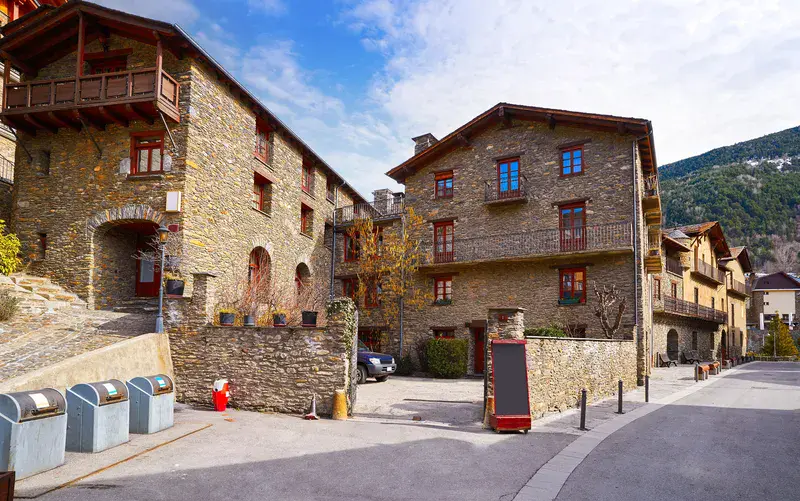
Ordino
Population: ~5,000
Character: Charming mountain village, artistic/cultural vibe
Pros:
- Most picturesque parish
- Quieter, more authentic
- Near Vallnord Ordino Arcalís ski area
- Growing expat community
- Lower cost of living
Cons:
- Limited services (frequent trips to capital necessary)
- Further from capital (25 min)
- Winter access can be challenging in heavy snow
- Fewer job opportunities
Best for: Those seeking authentic mountain village life, nature lovers, retirees prioritizing peace
La Massana
Population: ~11,000
Character: Split between valley (Massana town) and mountain (Pal-Arinsal ski area)
Pros:
- Vallnord Pal-Arinsal ski access
- More affordable than capital
- Growing services and amenities
- Good schools
- Mix of town and mountain life
Cons:
- Valley town can feel less charming than other villages
- Still requires capital visits for many services
- Divided feel between valley and mountain areas
Best for: Families, those wanting balance between services and affordability, Vallnord skiers
Sant Julià de Lòria
Population: ~9,000
Character: Southern parish, closest to Spain, warmer/lower elevation
Pros:
- Cheapest living costs
- Warmer climate (relative to other parishes)
- Easy access to Spain
- Growing services
- Tobacco Museum (if that interests you)
Cons:
- Furthest from ski areas (30-40 min to slopes)
- Least "mountain village" feel
- Limited expat community
- Fewer English speakers
Best for: Budget-conscious residents, those prioritizing Spanish access over skiing, retirees seeking affordability
Daily Life: A Typical Week
Monday-Friday (Working Professional):
- 7:00am: Wake up, mountain views from bedroom
- 7:30am: Coffee, check weather/road conditions (winter concern)
- 8:30am: Drive to office (5-15 min depending on parish)
- 12:30pm: Lunch break (1.5-2 hours typical, Spanish influence)
- 6:00pm: Finish work
- 6:30pm: Evening ski session (winter) or trail run (summer)
- 8:00pm: Dinner (later than US/UK, Spanish influence)
- 10:00pm: Evening walk, read, Netflix
Weekend (Typical Andorra Resident):
- Saturday: Morning ski/hike, grocery shopping, Barcelona lunch trip (monthly), evening drinks with friends
- Sunday: Longer outdoor adventure, family time, meal prep, quiet evening
Seasonal Variation:
- Winter (Dec-Mar): Life revolves around skiing, indoor activities, cozy socializing
- Spring (Apr-May): Transition period, mud season, hiking trails opening
- Summer (Jun-Sep): Hiking, biking, outdoor dining, festivals, European visitors
- Fall (Oct-Nov): Golden hiking season, preparation for winter, quieter period
Social Life & Community
Expat Communities:
- British expats: Well-established, active social scene, British businesses/services
- French expats: Large community, cultural events, French schools
- Spanish expats: Largest group, integrated across all aspects
- American expats: Growing but small, connect through online groups
- Portuguese expats: Significant working-class community, some middle-class professionals
Meeting People:
- Sports clubs: Ski clubs, hiking groups, cycling clubs, running groups
- Language classes: Government-sponsored Catalan courses = social opportunity
- Expat organizations: International Club of Andorra, various national groups
- Children's activities: School connections create parent networks
- Bars/restaurants: Regular haunts build community (small town effect)
- Facebook groups: Active expat groups for each parish/interest
Reddit Reality: Multiple posters note that social life requires initiative. The small population means finding your tribe matters—interest-based communities (sports, hobbies) work better than general socializing.
Shopping & Errands
Weekly Shopping: Most residents develop routines:
- Primary shopping: Local supermarket (E.Leclerc, Caprabo)
- Monthly stock-up: Trip to Spanish/French hypermarkets
- Specialty items: Online ordering or Barcelona trips
Duty-Free Shopping: Andorra's tax-free status makes electronics, alcohol, tobacco, perfumes, and luxury goods significantly cheaper than EU countries. Tourism is built on this—massive shopping centers line main roads.
Practical limits:
- Alcohol: 1.5L spirits OR 5L wine per person when leaving Andorra for Spain/France
- Tobacco: 300 cigarettes OR 150 cigarillos OR 75 cigars OR 400g tobacco
- Other goods: €900 per person limit (rarely enforced for personal items)
Exceeding limits technically requires declaration and duty payment—enforcement is sporadic but possible.
Healthcare Experience
CASS Registration Process:
- Submit residency documents to CASS office
- Pay monthly contribution (income-based)
- Receive health card (targeta sanitària)
- Choose GP from list of CASS providers
- Use card for appointments, prescriptions, hospital
Using the System:
- GP appointment: Call or online booking, usually same-week availability
- Specialist referral: GP refers, appointment within 2-4 weeks (faster than UK NHS, slower than US private)
- Prescriptions: Pick up at pharmacy, show CASS card, pay copay
- Emergency: Hospital emergency room in Escaldes-Engordany
Expat Experience: Most report positive healthcare experiences. Quality is good, wait times reasonable, costs manageable. English-speaking doctors exist but aren't guaranteed—medical vocabulary in Spanish/Catalan helpful.
Supplemental Insurance: Many expats maintain coverage in home countries (Medicare supplement, UK private insurance) or purchase international coverage for global/home country treatment access.
Education for Families
School System Choice:
Most expat families choose between:
- Spanish System: If planning eventual return to Spain or Spanish-speaking countries, or want Spanish-language education
- French System: If from France or planning French higher education
- Andorran System: For permanent integration (though many expats hesitate due to Catalan focus)
- Private/International: British College or American School for English-language continuity
School Quality: All three public systems are good. Small class sizes, modern facilities, outdoor education emphasis. High school graduates qualify for Spanish, French, or Andorran universities depending on system attended.
Expat Parent Perspective: "We chose Spanish system for our kids. Free, high-quality, keeps Spanish fluency, and allows flexibility if we relocate to Spain later. They're learning Catalan as well, which helps with integration." — Maria, Spanish expat, 5 years in Andorra
Andorra for Retirees: Special Considerations
Why Andorra Appeals to Retirees
The combination of tax efficiency, safety, healthcare access, and lifestyle creates a compelling retirement destination—but Andorra differs significantly from traditional retirement havens like Portugal, Spain's coastal regions, or Central American countries.
Andorra's Retirement Value Proposition:
💰 Tax-efficient pension/investment income: 0% on first €24k, max 10% above 🏔️ Active outdoor lifestyle: For retirees prioritizing health and activity 🛡️ Safety and stability: Peace of mind for aging in place 🏥 Quality healthcare: Modern facilities, affordable costs, Barcelona proximity for complex care 🇪🇺 European base: Travel throughout Europe easily
Retirement Budget Reality Check
Using our earlier budgets, let's focus on realistic retirement scenarios:
Comfortable Retired Couple (Active Lifestyle):
Monthly Category | Cost |
|---|---|
Rent (2-bed apartment, good location) | €1,500 |
Utilities & Internet | €150 |
Groceries & Household | €600 |
Dining Out (2-3x/week) | €400 |
Car (payment, insurance, fuel, maintenance) | €400 |
Healthcare (CASS + supplemental insurance) | €250 |
Entertainment & Activities | €300 |
Ski Passes (seasonal, amortized) | €150 |
Travel (amortized) | €500 |
Miscellaneous | €300 |
TOTAL MONTHLY | €4,550 |
TOTAL ANNUAL | €54,600 |
Add: Property purchase instead of rent changes the equation—no monthly rent but higher upfront capital and maintenance costs.
Retirement Income Tax Example:
Couple with €60,000 annual income (pensions, investment income, Social Security):
- First €24,000: 0%
- Next €16,000 (€24k-€40k): 5% = €800
- Remaining €20,000 (above €40k): 10% = €2,000
- Total Andorran Tax: €2,800
Compare to:
- US (California): ~€10,000-€12,000 (federal + state)
- UK: ~€6,500-€8,000
- France: ~€10,000-€13,000
Annual Savings: €3,700-€10,000+ in taxes alone
Healthcare for Aging Retirees
Strengths:
- Primary care excellent
- Hospital in Escaldes-Engordany modern and well-equipped
- Costs manageable with CASS
- Barcelona hospitals 2.5 hours away for specialized care
Concerns:
- Long-term care facilities limited
- Complex chronic disease management may require Barcelona specialists
- End-of-life care options less comprehensive than larger countries
- Language barriers for non-Spanish/Catalan speakers in medical settings
Critical Planning: Retirees with serious chronic conditions or foreseeing complex care needs should carefully assess whether Andorra's healthcare system suffices. Barcelona proximity helps, but regular travel for medical care becomes burdensome.
Age-Friendly Infrastructure
Positives:
- Most newer buildings have elevators
- Walking paths and infrastructure generally good
- Driving culture (less reliance on walking/stairs than some Mediterranean countries)
Challenges:
- Mountainous terrain = hills and slopes unavoidable
- Winter snow/ice creates mobility challenges for elderly
- Public transportation limited (car dependency)
- Some older properties lack elevators
Aging in place: Andorra works well for active, healthy retirees. As mobility declines, challenges increase—particularly in winter.
Social Considerations for Retired Expats
Building Community:
Retired expats report mixed experiences:
- Positive: Small community facilitates connection; expat retiree groups exist
- Challenge: Without work connections, building friendships requires proactive effort
- Language: Non-Spanish/Catalan speakers can feel isolated from local community
Activities for Retirees:
- Hiking groups (various skill levels)
- Cultural associations (music, art, history)
- Volunteer opportunities (limited but exist)
- Language classes (excellent for social connection)
- Sports clubs (skiing, golf in La Seu d'Urgell - Spain, cycling)
Seasonal Residents: Some retirees use Andorra as winter base (skiing, tax residency) and spend summers elsewhere (Mediterranean coast, home country). The 90-day minimum allows flexibility.
Retire in Andorra: The Path Forward
For Americans considering Andorra retirement:
- Tax analysis: Understand US-Andorra tax treaty, FBAR/FATCA obligations, exit tax implications
- Healthcare planning: Medicare doesn't work abroad; supplement with international insurance
- Social Security: Understand treaty treatment and payment logistics
- Cultural fit: Visit in both summer and winter before committing
For EU citizens:
- Pension portability: Verify your pension transfers/pays internationally
- Healthcare coordination: Understand how your EU healthcare rights transfer (or don't)
- Tax treaty: Review home country-Andorra treaty for pension treatment
The FIRE Perspective:
For early retirees pursuing Financial Independence, Retire Early (FIRE), Andorra offers intriguing advantages:
- Geographic arbitrage: Lower living costs than northern Europe/US coastal cities (though higher than Southeast Asia/Latin America)
- Tax efficiency: 10% maximum rate accelerates wealth accumulation
- Quality of life: High safety, healthcare, outdoor access
- European base: Freedom to travel throughout Europe
However, Andorra's lifestyle is specific—mountain-focused, winter-heavy, small-town vibe. FIRE adherents seeking beach life, tropical climates, or ultra-low-cost destinations will find better options elsewhere.
Explore your retirement timeline: Our FIRE Calculator helps model your path to financial independence, while the FIRE Procrastination Calculator shows exactly what delaying retirement costs you.
Practical Steps: Your Andorra Relocation Roadmap
Phase 1: Research & Validation (3-6 Months)
1. Visit Andorra (Essential)
Spend minimum 1-2 weeks, ideally split between seasons:
- Winter visit: Experience snow, cold, ski culture, short days
- Summer visit: Hiking, events, tourist season, warmer weather
What to do during visit:
- Stay in 2-3 different parishes
- Explore neighborhoods at different times of day
- Visit supermarkets, banks, government offices
- Test daily driving routes, parking situations
- Attend community events, expat meetups
- Speak with expats (cafes, ski slopes, hiking trails)
- Visit healthcare facilities
- Check schools if relocating with children
- Experience the commute to Spain/France
Critical questions to answer:
- Does the scale feel right? (Not too small/claustrophobic?)
- Can you handle 6+ months of winter?
- Is the outdoor lifestyle genuinely appealing or romanticized?
- Do language barriers feel manageable?
- Can you see yourself building community here?
2. Financial Modeling
Create detailed projections:
Income Analysis:
- Current income sources
- How will they continue in Andorra?
- Tax implications in home country vs Andorra
- Currency exposure (EUR vs home currency)
Expense Modeling:
- Current monthly expenses vs projected Andorra costs
- Housing (rent vs purchase scenarios)
- Healthcare costs
- Travel/transportation
- Maintaining ties to home country (flights, property, etc.)
Use Our Tools:
Country Search - Compare Andorra to other retirement/expat destinations across cost of living, climate, visa difficulty, healthcare
Geo-Arbitrage Savings Calculator - Calculate exact savings from relocating to Andorra, including tax benefits and cost differences
Country Directory - Deep-dive into 100+ countries' residency requirements, costs, and expat realities
3. Tax Professional Consultation
Critical: Engage qualified tax advisors in BOTH jurisdictions:
Home Country Tax Advisor:
- Exit tax implications
- Ongoing filing requirements (especially US citizens)
- Treaty provisions affecting your income types
- Timing strategies for departure
- Asset restructuring before departure
Andorran Tax Advisor/Immigration Lawyer:
- Residency pathway selection
- Tax residency establishment
- Income source treatment
- Ongoing compliance requirements
- Banking setup strategies
Budget: €3,000-€8,000 total for professional guidance (worth every euro to avoid costly mistakes)
Recommended firms: Research via expat forums, LinkedIn groups, Andorra Chamber of Commerce website
4. Readiness Assessment
Are you actually ready for international relocation?
Take the Expat Readiness Quiz - Honest assessment of your financial, emotional, and practical readiness for expat life
Phase 2: Preparation & Application (6-12 Months)
1. Document Gathering (2-3 Months)
Start early—some documents take time:
Personal Documents:
- Passports (ensure 2+ years validity)
- Birth certificates (apostilled/legalized)
- Marriage certificate (apostilled/legalized)
- Divorce decrees if applicable
- Criminal record certificates from all countries of residence (past 5 years)
- US: FBI background check + state checks
- UK: ACRO Criminal Records Office
- Others: Check specific country requirements
- Educational credentials (if seeking employment)
- Medical certificates (doctor certification of good health)
- Medical records (bring comprehensive history for new doctors)
Financial Documents:
- Bank statements (past 6-12 months)
- Investment account statements
- Pension/retirement account documentation
- Tax returns (past 3-5 years)
- Proof of income sources
- Property valuations
- Business ownership documentation
- Letter of reference from current bank
Apostille/Legalization: Documents must be authenticated for international use:
- Apostille: For countries in Hague Convention (most Western countries)
- Consular legalization: For non-Hague countries
- Process through your country's designated authority
- Can take 2-8 weeks depending on country
Translation: All documents must be translated to Catalan by sworn translators:
- Find translators via Andorran consulate/embassy
- Budget €50-€150 per document
- Total translation costs: €500-€2,000+
2. Housing Search (2-4 Months)
Option A: Rental (Most Common Initially)
Strategies:
- Start online: idealista.ad, tucasaandorra.com, habitaclia.com
- Engage real estate agent (1 month rent as fee)
- Visit properties in person (remote rental risky)
- Understand lease terms (1-year minimum, 2-month deposit)
- Verify property legitimacy (scams rare but exist)
Red flags:
- Requests for payment before viewing
- Prices dramatically below market
- Landlord unwilling to meet in person
- Property not matching photos
Ready to Rewire your Life?
Sign up to receive updates and insights.
By submitting your email address, you will receive a free subscription to RA Postcards and special offers from Rewire Abroad and our affiliates. You can unsubscribe at any time, and we encourage you to read more about our Privacy Policy.
Lease negotiations:
- First month + last month + deposit (€1,500 apartment = €4,500 upfront)
- Inventory documentation (condition of property)
- Utility responsibility (who pays what)
- Maintenance terms
- Notice period (typically 2-3 months)
Option B: Purchase (For Residency Investment)
Process:
- Property search (agent or direct)
- Make offer (typically 5-10% below asking as starting point)
- Sign reservation contract (señal) with 10% deposit
- Arrange financing if needed (Andorran mortgages available for residents)
- Due diligence (lawyer reviews title, liens, urban planning status)
- Sign purchase deed (escriptura) at notary
- Register property in Land Registry
- Pay taxes and fees (~10-12% of purchase price)
Timeline: 2-4 months from offer to completion
Financing: Andorran banks offer mortgages to residents:
- Down payment: 20-30% typical
- Interest rates: 2-4% (varies with ECB rates)
- Terms: Up to 30 years
- Income verification: 3x annual income to loan amount ratio
3. Banking Setup (1-2 Months)
Opening Andorran Bank Account:
Major Banks:
- Andbank
- MoraBanc
- Crèdit Andorrà
- Vall Banc
Requirements:
- Passport
- Proof of address (utility bill, rental contract)
- Proof of income/employment
- Tax identification number
- Reference letter from current bank
- Explanation of fund sources
Initial Meeting: Most banks require in-person meeting initially. Phone or video consultation followed by in-person visit to finalize.
Minimum Balances:
- Standard accounts: €3,000-€10,000
- Private banking: €50,000-€100,000+
Services:
- Basic checking/savings
- Debit cards (Maestro/Visa common)
- Credit cards (after relationship established)
- Online banking (improving but less advanced than northern Europe)
- International transfers (SWIFT/SEPA)
Banking Reality Check: Andorran banking is more conservative and traditional than digital-first banks in UK/US. Expect more in-person requirements and less flexibility.
4. Residency Application Submission
With Immigration Lawyer (Recommended):
- Lawyer prepares application package
- Reviews all documents for completeness
- Submits to Immigration Service on your behalf
- Acts as representative for communications
- Cost: €3,000-€6,000
DIY (Possible but Challenging):
- Must navigate Catalan-language bureaucracy
- Personal submission to Immigration Service
- Risk of delays due to errors/omissions
- Cost: Application fees only (~€1,000-€1,500)
After Submission:
- Background checks: 1-2 months
- Potential interview: Scheduled if needed
- Approval notification: Via mail or email
- Timeline: 3-6 months typical
Potential Delays:
- Incomplete documentation
- Background check delays
- Bank verification issues
- Property transaction complications
Tip: Stay in close contact with your lawyer/Immigration Service. Delays often stem from simple issues that can be resolved quickly if you respond promptly.
Phase 3: Arrival & Integration (3-6 Months)
1. Initial Arrival (First 2 Weeks)
Immediate Tasks:
- Register address: Visit your Comú (parish office) with residency approval and housing proof
- Collect residency card: Immigration Service or designated pickup location
- Open bank accounts: If not done previously, finalize in-person
- Register with CASS: Healthcare enrollment at CASS office
- Driver's license:
- US/EU licenses valid for 6-12 months
- After that, must convert to Andorran license (some countries exempt from testing)
- Process: Medical exam, paperwork, possible theory/practical test
- Vehicle registration: If importing car or buying locally
- Set up utilities: Electricity, water, gas, internet, mobile
Helpful Resources:
- Trámits section of govern.ad website lists all administrative procedures
- Your lawyer can guide through these steps
- Expat groups on Facebook offer peer support
2. Healthcare Activation
CASS Registration:
- Visit CASS office with residency card, passport, address registration
- Complete enrollment forms
- Choose GP from provider list
- Pay first monthly contribution
- Receive targeta sanitària (health card) immediately or within days
Finding English-Speaking Doctors:
- Ask expat community for recommendations
- Call clinics directly to inquire about English-speaking staff
- Private clinics more likely to have English speakers
- Hospital has some English-speaking staff
Private Insurance (Optional but Common):
- Covers CASS copays
- Access to private clinics/faster appointments
- English-speaking providers
- Coverage in Spain/France
- Cost: €80-€200/month
Providers:
- Adeslas
- Sanitas
- DKV
- Cigna Global (international coverage)
3. Language Learning (Ongoing)
Free/Subsidized Catalan Courses:
Andorran government offers Catalan courses for residents:
- ServeiSkills: Government language training service
- Levels: A1 (beginner) through C2 (advanced)
- Schedule: Evening classes, intensive summer courses
- Cost: Free or minimal (€50-€100 for materials)
- Commitment: 2-3 hours/week typically
Why Learn Catalan:
- Required for citizenship (though 20+ years away)
- Demonstrates respect and integration commitment
- Essential for government documentation
- Opens social opportunities
- Makes daily life easier
Spanish Language: If you don't speak Spanish, prioritize it alongside or even before Catalan—it's more immediately useful in daily life.
Options:
- Private tutors: €20-€40/hour
- Online platforms: iTalki, Preply, Verbling
- Language exchange: Find native speakers learning your language
- Immersion: Force yourself to use Spanish/Catalan in shops, restaurants
4. Social Integration
First 3 Months: Find Your People
Join Activities:
- Sports clubs: Search "club excursionista Andorra," cycling clubs, ski clubs
- Hiking groups: Check Facebook, Meetup, expat forums
- Gym membership: Social opportunity beyond fitness
- Volunteer: UNICEF Andorra, Red Cross, local charities
Expat Communities:
- Facebook Groups:
- "Expats in Andorra"
- "Andorra Expat Network"
- Parish-specific groups
- National groups (Americans in Andorra, British in Andorra, etc.)
- LinkedIn: Andorra professional groups
- Reddit: r/Andorra (small but helpful)
- International Club of Andorra: Formal organization for expats
Local Integration:
- Attend parish festivals (each parish has annual festivals)
- Shop at same local businesses regularly (familiarity builds connection)
- Say hello to neighbors (small-town culture)
- Participate in community events (posted at Comú buildings)
Don't Expect Instant Deep Friendships: Building genuine relationships takes time. Focus on consistent participation and patience.
5. Practical Life Setup
Driving & Transportation:
- Winter driving course: Consider taking one—mountain winter driving is serious
- Winter equipment: Snow shovel, ice scraper, emergency kit for car
- Tire storage: Many residents swap summer/winter tires; find storage or DIY
- GPS/Apps: Google Maps works fine; offline maps recommended for valleys
Shopping Routines:
- Weekly: Local supermarket
- Monthly: Barcelona/Toulouse stock-up trip
- Specialty: Online ordering from Amazon.es or Amazon.fr
- Fresh produce: Local markets (limited compared to Mediterranean countries)
Technology & Connectivity:
- VPN: Useful for accessing home-country streaming services
- International calling: WhatsApp, Skype, FaceTime standard
- Mail forwarding: Set up service from home country if needed
- Cloud storage: Essential for documents, photos (limited physical storage in small apartments)
Financial Management:
- Multi-currency accounts: Wise, Revolut for home currency management
- International transfers: Expect some friction with Andorran banks
- Investment accounts: Understand which remain accessible as Andorran resident
- Tax software: US citizens need expat-specific tax software/advisors
6. Visa Pathways for Friends & Family
Relatives wanting to visit:
Tourist Visits:
- US/UK/EU/Canadian/Australian citizens: 90 days visa-free
- Entry through France or Spain (no Andorran border control)
- No advance approval needed
Longer Visits: Complex—Schengen rules apply for entry, but Andorra isn't Schengen. Extended stays require legal navigation.
Bringing Family:
- Spouse and minor children included in residency application (additional fees)
- Adult children: Must apply separately if eligible
- Parents: Possible under family reunification (strict requirements)
Explore comprehensive visa pathways for different countries and family situations.
Financial Planning: Maximizing Andorra's Advantages
Investment Strategies for Andorran Residents
Tax-Optimized Portfolio Construction:
Andorra's 10% maximum tax on investment income creates opportunities:
1. Dividend-Focused Strategy
Rationale: Qualified dividends often taxed at 15-20%+ in home countries; Andorra taxes all investment income at 10% maximum.
Approach:
- Build dividend portfolio generating steady income
- Focus on quality dividend aristocrats (consistent, growing payouts)
- International diversification (minimize concentration risk)
Example Portfolio:
- 40% US dividend stocks
- 30% European dividend stocks
- 20% Dividend-focused funds (VIG, VIGI, etc.)
- 10% REITs (real estate exposure + income)
Tax Efficiency: €50,000 dividend income = €2,600 tax in Andorra (10% on amount over €24k) vs €7,500-€10,000+ in US/UK.
Tool: Dividend Portfolio Shield - Analyze your dividend portfolio's resilience during downturns and optimize for tax-efficient income in Andorra
2. Capital Gains Harvesting
Strategy: With 10% capital gains tax, tax-loss harvesting becomes less critical, but strategic realization makes sense.
Approaches:
- Realize gains in years with lower other income (sliding below brackets)
- Harvest losses to offset gains (still beneficial at 10%)
- Consider timing of large asset sales (property, business) during Andorran residency
Example: Selling €500,000 property with €300,000 gain:
- Andorra tax: €30,000 (10%)
- US tax: €60,000+ (20% LTCG + 3.8% NIIT + state)
- Savings: €30,000+
3. ETF vs Mutual Fund Considerations
For US Citizens:
- PFIC rules make non-US funds tax-nightmares
- Stick with US-domiciled ETFs even as Andorran resident
- Irish-domiciled ETFs trigger PFIC reporting (avoid unless giving up citizenship)
For Non-US Citizens:
- Irish-domiciled ETFs often more tax-efficient than US equivalents
- Vanguard Ireland, iShares Ireland common choices
- Lower withholding taxes on dividends for non-US residents
4. Retirement Account Management
US Accounts (401k, IRA, Roth IRA):
- Don't panic and liquidate! Common mistake by new expats
- Most retirement accounts can remain open
- Distributions taxed according to US-Andorra tax treaty
- Roth IRA distributions potentially tax-free in both countries
- Required Minimum Distributions (RMDs) still apply
UK Accounts (SIPP, pensions):
- Generally can remain and grow
- Distributions taxed per UK-Andorra treaty
- Some pensions allow partial international transfers
- 25% lump sum potentially tax-advantaged
Strategy: Understand treaty treatment of each account type before making decisions.
Tax Treaty Navigation
US-Andorra Tax Treaty:
Signed 2009, addresses double taxation:
Key Provisions:
- Pensions: US Social Security taxed only in US; private pensions generally taxed in residence country (Andorra) but US retains some rights
- Investment income: Generally taxed in residence country
- Capital gains: Generally taxed in residence country
- Businesses: Permanent establishment rules determine taxation location
- Real estate: Income from real property taxed where property located
Critical for Americans: US citizens must still file US tax returns even as Andorran residents (citizenship-based taxation). However:
- Foreign Earned Income Exclusion (FEIE): ~$120,000 of earned income excluded
- Foreign Tax Credit (FTC): Andorran taxes paid credit against US taxes
- Net result: Most expats pay little/no US tax but must file
UK-Andorra Tax Treaty:
Similar structure:
Key Provisions:
- Pensions: State pension taxed only in UK; private pensions generally Andorra
- Investment income: Andorra taxes as resident
- Capital gains: Andorra taxes as resident
- No UK tax on Andorran income once non-resident
Advantage for Brits: Complete tax exit from UK (unlike US citizenship-based system).
EU Citizens:
Most EU countries have tax treaties with Andorra covering similar provisions. Specific terms vary—consult tax advisor for your specific country.
Andorran Company Formation for Entrepreneurs
When It Makes Sense:
- You run location-independent business (online services, consulting, software, e-commerce)
- Clients are primarily outside Andorra
- Revenue exceeds ~€75,000-€100,000/year (below this, self-employed may be simpler)
- You want corporate structure benefits (liability protection, tax planning)
Entity Types:
1. Societat de Responsabilitat Limitada (SL/SLU)
- Similar to LLC/Ltd
- Minimum capital: €3,000
- Single shareholder allowed (SLU)
- Limited liability
- Most common for small businesses
2. Societat Anònima (SA)
- Similar to Corp/PLC
- Minimum capital: €60,000
- Designed for larger businesses
- Can be publicly traded (rare in Andorra)
3. Self-Employed (Autònom)
- No corporate structure
- Personal liability
- Lower admin burden
- Good for freelancers/consultants under ~€50k revenue
Formation Process:
- Reserve company name: Check availability, reserve
- Prepare bylaws (estatuts): Lawyer drafts in Catalan
- Open company bank account: Deposit minimum capital
- Register with Registre de Societats: Official company registry
- Obtain tax ID (NRT): Company tax identification number
- Register with CASS: Company social security registration
- Begin operations
Timeline: 4-8 weeks
Costs:
- Lawyer fees: €2,000-€4,000
- Registration fees: €500-€1,000
- Minimum capital: €3,000 (remains in company)
- Annual accounting: €1,500-€3,000/year
Ongoing Compliance:
- Annual financial statements
- Corporate tax return (10%)
- VAT returns if applicable (quarterly)
- CASS contributions
- Annual general meeting minutes
Tax Structure:
- Corporate tax: 10% on profits
- Dividend distribution: Taxed as personal income (0-10% depending on total income)
- Combined effective rate: ~10-19% depending on income level and distribution timing
Comparison:
- US C-Corp + dividends: ~30-40% combined (corporate + dividend)
- UK Ltd + dividends: ~25-30% combined
- Andorra SL + dividends: ~10-19% combined
Significant savings for profitable businesses.
Portfolio Construction for Tax Efficiency
Asset Location Strategy:
Different account types (taxable, retirement, Roth) should hold different assets:
Taxable Accounts (Most Tax-Efficient Holdings):
- Growth stocks (minimal dividends, defer gains)
- Municipal bonds if US citizen (though less relevant in Andorra)
- Tax-managed funds
- Index funds (low turnover)
Retirement Accounts (Tax-Deferred):
- Bonds (interest taxed as ordinary income)
- REITs (high dividend payouts)
- Actively managed funds (high turnover)
- Dividend stocks (shelter income from current taxation)
Roth IRA (Tax-Free):
- Highest growth potential assets (maximize tax-free gains)
- Aggressive stocks
- High-growth sectors (tech, emerging markets)
For Andorran Residents: The 10% maximum rate somewhat flattens the advantage of asset location, but optimization still matters for international account holders.
DRIP vs NAV Comparison:
For dividend investors, understanding DRIP (Dividend Reinvestment Plan) vs NAV (Net Asset Value) tracking matters:
DRIP vs NAV Comparison Calculator - Understand the real returns from dividend reinvestment vs total return approaches in your portfolio
Common Mistakes & How to Avoid Them
Mistake #1: Underestimating Winter's Impact
The Error: Visiting Andorra in summer, falling in love with sunshine and mountains, then struggling through long, dark winters.
Reality: Winter is 6+ months. Snow from November through March (sometimes May). Short days. Skiing isn't everyone's passion, and even ski lovers can tire of it.
Solution:
- Visit in January/February before committing
- Ask yourself honestly: Can I handle 6 months of cold and snow annually?
- Have winter hobbies/activities beyond skiing
- Consider seasonal residence strategy (winter in Andorra, summer elsewhere)
Mistake #2: Ignoring Exit Tax Implications
The Error: Moving to Andorra without properly exiting home country tax system, triggering massive tax bills.
Examples:
- US expats with>$2M net worth subject to exit tax on unrealized gains
- Canadians triggering deemed disposition on departure
- French residents caught by exit tax on substantial shareholdings
Solution:
- Consult tax professionals in home country before departure
- Understand exit tax triggers and thresholds
- Plan timing of departure strategically
- Consider asset restructuring before moving
Mistake #3: Expecting English-Only Life
The Error: Assuming tourism/banking sectors' English means daily life works in English.
Reality: Outside expat bubbles, Catalan and Spanish dominate. Government, healthcare, schools, local businesses—expect Spanish minimum, Catalan for official matters.
Solution:
- Start learning Spanish before moving (basic conversational ability minimum)
- Commit to Catalan learning upon arrival
- Accept that language learning is multi-year process
- Don't isolate yourself in expat-only circles
Mistake #4: Underestimating Housing Costs
The Error: Expecting significantly cheaper housing than home country, especially if coming from moderate-cost areas.
Reality: Andorra's housing shortage keeps prices high. Rents in Andorra la Vella match mid-size Spanish cities. Purchase prices have risen 40-50% in past decade.
Solution:
- Budget realistically: €1,200-€2,000/month for decent apartments
- Consider less central parishes (Ordino, Sant Julià) for savings
- Factor housing into total cost-of-living analysis
- The tax savings should more than offset housing costs—if they don't, reconsider
Mistake #5: Assuming Passive Residency Allows Local Work
The Error: Obtaining passive residency thinking "I'll figure out local work opportunities later."
Reality: Passive residents cannot work for Andorran companies or Andorran clients legally. Converting to active residency later is possible but requires meeting different requirements.
Solution:
- Choose correct residency type from the start
- If you might want Andorran work, pursue active residency
- Understand passive residency is for: remote work (foreign employers), retirement income, investment income, business serving non-Andorran clients
Mistake #6: Neglecting 90-Day Requirement
The Error: Obtaining passive residency, then spending minimal time in Andorra while traveling extensively.
Reality: Andorra enforces the 90-day minimum. Border crossings are logged (even though no physical passport control). Failing to meet requirements can result in residency revocation.
Solution:
- Track your days meticulously
- Build buffer above 90 days (aim for 100-120 to be safe)
- Keep documentation of presence (receipts, medical visits, utility bills)
- Understand that day counting includes both entry and exit days
Mistake #7: Bringing Home-Country Driving Habits
The Error: Driving Andorran mountain roads like home-country highways.
Reality: Mountain roads are narrow, winding, steep. Winter adds snow, ice, limited visibility. Accidents happen.
Solution:
- Take mountain driving seriously
- Invest in proper winter tires (mandatory anyway)
- Drive slower than you think necessary initially
- Learn from locals (observe how they navigate)
- Consider winter driving course
Mistake #8: Not Budgeting for Spain/France Needs
The Error: Budgeting only Andorran costs, forgetting regular trips to Spain/France for shopping, entertainment, travel.
Reality: Most residents make monthly trips to Barcelona, Toulouse, or border towns. These add costs: fuel, dining, shopping, activities.
Solution:
- Budget €300-€500/month for Spain/France expenses
- Factor in time cost (4-5 hours for Barcelona day trip)
- Consider this part of lifestyle, not exceptional expense
Mistake #9: Isolating in Expat Bubble
The Error: Only socializing with English-speaking expats, never engaging with Andorran/Spanish/Catalan communities.
Reality: While expat communities provide comfort, isolation from local culture creates shallow experience and limits integration.
Solution:
- Force yourself to participate in local activities
- Accept language barrier challenges as growth opportunities
- Build friendships outside your linguistic comfort zone
- Remember: You moved to Andorra, not "English-Speaking Expat Land"
Mistake #10: Failing to Plan for Healthcare Aging
The Error: Moving to Andorra as healthy 40-year-old without considering healthcare needs at 60, 70, 80+.
Reality: Andorra's healthcare works well for routine and moderate needs. Complex chronic conditions, long-term care, end-of-life care—less developed than larger countries.
Solution:
- Research long-term care options before moving
- Maintain international health insurance with evacuation coverage
- Have plan B for potential return to home country or move to Barcelona area if health deteriorates
- Discuss with family about aging plans
Andorra vs Other Tax-Efficient Destinations
How does Andorra compare to other popular expat/retirement destinations offering tax advantages?
Factor | Andorra | Portugal (NHR) | Spain (Beckham Law) | Monaco | Switzerland |
|---|---|---|---|---|---|
Max Income Tax | 10% | 20-48% (NHR expired) | 24% (special regime) | 0% | Varies by canton, ~25-40% |
Wealth Tax | None | None | 0.5-3.5% (varies by region) | None | Yes (most cantons) |
Minimum Investment | €600k (refundable) | None (NHR ended) | None (high income required) | Complex, millions | Varies, canton-specific |
Residency Requirement | 90 days/year | 183 days/year | 183 days/year | 183 days/year | Varies by canton |
Cost of Living | Moderate-High | Moderate | Moderate | Extremely High | Very High |
Climate | Mountain/Continental | Mediterranean | Mediterranean | Mediterranean | Alpine |
Language | Catalan/Spanish | Portuguese | Spanish | French | German/French/Italian |
Healthcare | Good | Excellent | Excellent | Excellent | Excellent |
Ease of Integration | Moderate | Easy | Easy | Difficult | Moderate-Difficult |
Work Opportunities | Limited | Moderate | Good | Excellent | Good |
For a lower barrier to entry, retiring in Slovenia offers European residency without the €600k investment requirement."
Andorra's Sweet Spot:
- Better tax rates than Portugal/Spain
- More accessible than Monaco/Switzerland
- Lower costs than Monaco/Switzerland
- Mountain lifestyle (pro or con depending on preference)
When to Choose Andorra Over Alternatives:
✅ Choose Andorra if:
- You prioritize tax optimization (especially capital gains, inheritance)
- You love mountains, skiing, outdoor activities
- You want European base with lower costs than Monaco/Switzerland
- You run location-independent business with non-local clients
- You're comfortable with smaller community and limited urban culture
❌ Choose elsewhere if:
- You require warm, beach-centric climate → Portugal, Spain coast
- You need major city energy and cultural diversity → Barcelona, Lisbon, Madrid
- You want extensive job opportunities → Major EU cities
- You prioritize ultra-luxury lifestyle → Monaco
- You struggle with winter/cold → Anywhere Mediterranean
Compare countries systematically across 50+ data points to find your ideal destination.
Final Thoughts: Is Andorra Right for You?
Moving to Andorra represents a specific choice—one that prioritizes tax efficiency, mountain lifestyle, safety, and simplicity over urban culture, professional opportunity, and linguistic/cultural diversity.
Andorra is not:
- A traditional retirement paradise like Portugal's Algarve or Spain's Costa del Sol
- A cosmopolitan international hub like Barcelona or London
- A place to build a career in most fields
- A warm, beach-centric lifestyle destination
Andorra IS:
- A tax-optimized mountain lifestyle for those who genuinely want to be there
- A safe, stable base for families and retirees
- A paradise for outdoor enthusiasts, especially winter sports lovers
- A legitimate (not shady) low-tax jurisdiction with full international compliance
- A tight-knit community where you can build deep roots if you commit
The Decision Framework
Ask yourself these questions:
- Do I genuinely love mountains and winter? Not "I enjoy skiing vacations" but "I want to live in the mountains year-round."
- Is tax efficiency a primary driver? If saving €20,000-€100,000+ annually in taxes meaningfully improves your life, Andorra makes sense. If not, lifestyle should dominate.
- Can I handle a small community? 79,000 total population means limited anonymity, limited entertainment options, everyone-knows-everyone dynamics.
- Am I self-sufficient professionally? Remote work, business owner, retired, or investor—yes. Seeking local employment—probably no.
- Do I embrace language learning? If linguistic challenges frustrate you, Andorra will be hard.
- Is my family on board? If your partner or children don't share the vision, forcing them into Andorra creates resentment.
The Andorra Experiment
Consider a trial period strategy:
Year 1: Test Phase
- Rent (don't buy immediately)
- Establish passive residency
- Experience all four seasons
- Build community connections
- Evaluate honestly whether it works
Year 2: Commitment Phase
- If Year 1 successful, consider property purchase
- Deepen community involvement
- Optimize tax and financial structures
- Settle into long-term lifestyle
Exit Strategy: Maintain flexibility. If Andorra doesn't work:
- Rental lease ends (flexibility)
- Residency not renewed (just leave)
- Minimal sunk costs (deposits, moving costs)
The €600,000 investment requirement is refundable (minus property transaction costs if you purchased). You're not locked in permanently.
Resources for Your Journey
Official Andorran Resources:
- Government Portal: govern.ad - Official information (Catalan/Spanish/French)
- Immigration Service: immigracio.ad - Residency information
- Tourism Office: visitandorra.com - Practical visitor information
- Chamber of Commerce: ccis.ad - Business information
Expat Community Resources:
- Facebook: "Expats in Andorra," "Andorra Expat Network"
- Reddit: r/Andorra (small but helpful community)
- LinkedIn: Andorra professional groups
- Expat forums: InterNations, ExpatFocus
RewireAbroad Tools for Your Planning:
🌍 Country Search - Compare Andorra against 100+ destinations across cost of living, climate, visa requirements, and lifestyle factors
🧮 FIRE Calculator - Model your path to financial independence and early retirement, factoring in Andorra's tax advantages
⏰ FIRE Procrastination Calculator - See exactly what delaying your retirement costs you in real dollars
📊 Country Directory - Deep-dive into residency requirements, costs, and expat experiences for 100+ countries
🛂 Visa Pathways - Navigate residency options across multiple countries and find the path that fits your situation
✅ Expat Readiness Quiz - Honest assessment of your financial, emotional, and practical readiness for international relocation
💼 Dividend Portfolio Shield - Analyze your dividend portfolio's resilience and optimize for tax-efficient income in Andorra
💰 Geo-Arbitrage Savings Calculator - Calculate exact savings from relocating to Andorra, including detailed tax benefits and cost comparisons
📈 DRIP vs NAV Comparison Calculator - Understand the real returns from dividend reinvestment strategies in your portfolio
Taking the First Step
If Andorra intrigues you, here's your immediate action plan:
This Week:
- Research deep-dive: Spend 3-5 hours reading expat experiences (Reddit threads, blog posts, YouTube videos)
- Financial snapshot: Calculate your current tax burden and projected Andorran tax liability
- Climate check: Review Andorra weather data for all 12 months—can you genuinely handle it?
This Month:
- Book exploratory visit: Plan 7-10 day trip covering at least two seasons if possible
- Join expat groups: Start conversations with current Andorra expats online
- Consult tax professional: Initial consultation about feasibility and implications
This Quarter:
- Visit Andorra: Execute your exploratory trip with specific goals (parish comparisons, expat interviews, lifestyle testing)
- Financial modeling: Use Rewire Abroad tools to build detailed financial projections
- Family discussion: If applicable, ensure everyone understands and commits to the potential move
This Year:
- Decision point: Commit or rule out Andorra based on research and visit
- If yes: Begin document gathering, tax planning, language learning
- If no: Apply lessons learned to alternative destinations
The Bigger Picture: Geographic Flexibility
Andorra represents one option in a much larger landscape of international retirement and expat opportunities. The rise of remote work, increasing cost of living in traditional Western countries, and growing acceptance of geographic arbitrage means you have more choices than ever.
The core insight: Where you live is a choice, not a default. Tax efficiency, cost of living, climate, culture, adventure—you can optimize for what matters most to you.
Andorra might be your answer. Or perhaps it's Portugal's temperate coast, Spain's vibrant cities, Thailand's tropical affordability, or Mexico's cultural richness. The point is to actively choose based on your priorities rather than accepting circumstance.
Rewire Abroad exists to help you make that choice intelligently—with comprehensive data, honest assessments, and practical tools that cut through the marketing hype and show you the real financial and lifestyle implications of your options.
Estimate your move costs to Andorra
Get a free moving cost estimate for moving to andorra. Takes 10 seconds.
How much are you shipping?
When are you moving?
Powered by Sirelo. Free quotes from international movers.
Your Andorra Journey Starts Now
Whether Andorra becomes your home or simply a waypoint in your research, you now have the comprehensive framework to make an informed decision:
✅ You understand Andorra's residency pathways and requirements
✅ You know the real costs of living and financial implications
✅ You've seen the pros and cons through expat eyes
✅ You have the tools to model your specific financial scenario
✅ You can compare Andorra systematically to alternatives
✅ You have a roadmap for exploration and potential relocation
The question isn't whether Andorra is "good" or "bad"—it's whether Andorra aligns with your specific priorities, circumstances, and vision for your life.
Andorra Frequently Asked Questions
Click any question to expand the answer.
Conclusion: Your Andorra Decision
Andorra represents a highly specific opportunity: legitimate tax optimization through genuine residence in a safe, stable, mountain-centric microstate. It's neither a traditional retirement paradise nor a cosmopolitan career hub—it's something altogether different.
The mathematics work: For higher earners and investors, Andorra's tax advantages generate substantial annual savings that compound over decades. A professional saving €50,000 annually in taxes accumulates €1,000,000+ over 20 years—life-changing wealth preservation.
The lifestyle delivers—for the right person: If you genuinely love mountains, embrace winter, enjoy outdoor activities, value safety and simplicity, and can thrive in a small community, Andorra offers exceptional quality of life.
The challenges are real: Language barriers, limited professional opportunities, long winters, small-town dynamics, and healthcare limitations for complex care create genuine obstacles. Success in Andorra requires honesty about your preferences and adaptability.
Your next step: Use the action plan outlined above. Research, visit, model your finances, consult professionals, and make an informed decision based on your unique priorities.
Andorra might be your answer. Or it might help you clarify that your answer lies elsewhere—in Portugal's sun-drenched coast, Spain's vibrant cities, or another of the world's expat destinations.
Either way, you're asking the right questions and thinking strategically about your future. That alone puts you ahead of most people who simply accept their geographic default.
The world is bigger than your current zip code. Andorra is proof that alternatives exist—and that with proper planning, you can optimize your life for what matters most to you.
🏔️ Ready to explore whether Andorra (or another destination) aligns with your retirement or expat goals? Start with our Country Search to compare options systematically, or dive into the Country Directory for comprehensive guides to 100+ destinations.
Your rewired life abroad starts with a single decision: "What if?"
Andorra might just be your answer to that question.
Adonis Villanueva
Adonis Villanueva covers the practical side of moving abroad for Rewire Abroad: visas, taxes, cost of living, and reaching financial independence by living where your money stretches further. He reports from the ground, across 56 countries, rather than recycling other guides, and holds every piece to verified, current figures and the tradeoffs most relocation content skips.
Rewire Abroad
From Couch to Coastline: Real Stories of People Who Achieved FIRE by Moving Abroad
Real people used geoarbitrage to retire early by moving abroad. Discover their stories and learn how you could cut 5–10 years off your FIRE timeline.
Moving to Gabon (2026): What Expats Actually Pay to Live There
Libreville costs $2,000–$3,000/mo for housing alone, French is non-negotiable, and there's no retirement visa. The honest reality before you commit.
Unlock Global Freedom: Your Guide to Digital Nomad Visas (Even Without a 9-to-5)
Unlock global living! Learn how Digital Nomad Visas offer freedom for Americans, even with freelance or passive income. Requirements & top countries.
Retire or Move to Belize in 2026: Costs, QRP Visa & Honest Expat Guide
Everything you need to retire or move to Belize in 2026 - real monthly costs, the QRP visa, best towns, healthcare, and what expats don't tell you.