Best Countries to Retire Abroad for Every Budget 2026

Susan Martinez never imagined that her $2,800 monthly retirement income would buy her a Mediterranean villa with ocean views, premium healthcare, and a social calendar busier than her corporate days. Yet there she was, sipping Portuguese wine on her terrace in the Algarve, watching the sunset paint the Atlantic in shades of gold. Meanwhile, her neighbor back in Phoenix was rationing air conditioning and choosing between medications and groceries on the same budget. 🌅
The secret isn't magic—it's strategic geography. While many Americans resign themselves to downsizing their retirement dreams, millions are discovering that the right international move can upgrade their lifestyle, slash their costs, and add decades of adventure to their golden years. Whether you're planning traditional retirement at 65, eyeing early retirement in your 50s, or simply seeking better value for your hard-earned savings, there's a perfect overseas destination waiting for your budget.
This comprehensive guide breaks down the best countries to retire abroad across every budget tier, from ultra-budget havens at $500 monthly to luxury lifestyle destinations at $5,000+. You'll discover real costs, visa pathways, healthcare quality, and lifestyle factors for each destination—plus the tools and strategies to make your international retirement dreams a reality.
Why Retire Abroad? The Financial and Lifestyle Revolution
The mathematics of international retirement are compelling. Consider this: the median retirement income in the United States hovers around $3,200 monthly, yet this same amount can fund dramatically different lifestyles depending on geography. In rural Mississippi, it might cover basic needs. In San Francisco, it's poverty-level. But in Portugal, it can fund a comfortable middle-class lifestyle with better healthcare than most Americans receive. 💰

The Geographic Arbitrage Advantage
Geographic arbitrage—earning or receiving income in a strong currency while living where costs are lower—represents one of the most powerful retirement strategies available today. For retirees, this means:
- Healthcare Access: Many countries offer superior healthcare systems at a fraction of US costs
- Quality of Life: Less stress, better work-life balance, stronger community connections
- Adventure Factor: Cultural immersion, travel opportunities, lifelong learning
- Financial Security: Making retirement savings last longer or go further
- Climate Control: Year-round pleasant weather without premium pricing
Beyond Traditional Retirement
This guide serves multiple international lifestyle goals:
- Traditional Retirees (60+): Maximizing fixed incomes and accessing better healthcare
- Early Retirement Seekers: Achieving financial independence sooner through lower costs
- Remote Workers: Optimizing lifestyle while building retirement savings abroad
- Lifestyle Relocators: Improving quality of life regardless of age or career stage
- Future Planners: Researching options for eventual retirement or extended stays
The destinations and strategies outlined work whether you're collecting Social Security, living off investment income, working remotely, or planning for future retirement abroad.

Understanding Your Retirement Abroad Budget Tiers
Before diving into specific countries, it's crucial to understand how international retirement budgets translate into real lifestyle experiences. Unlike domestic retirement planning, international retirement requires factoring in visa costs, currency fluctuations, healthcare systems, and cultural adaptation expenses.
Budget Tier | Monthly Range | Lifestyle Description | Ideal For |
|---|---|---|---|
Ultra Budget | $500-$800 | Basic local lifestyle, authentic experiences | Adventurous retirees, tight budgets |
Budget Comfort | $800-$1,500 | Comfortable local lifestyle, some expat amenities | Most American retirees, good value seekers |
Middle Comfort | $1,500-$3,000 | Expat-friendly lifestyle, premium amenities | Traditional middle-class retirement |
Upper Comfort | $3,000-$5,000 | Luxury local lifestyle, international amenities | Successful professionals, higher savings |
Premium Luxury | $5,000+ | High-end international lifestyle | Wealthy retirees, executive-level income |
Each tier represents a different approach to international retirement, and the "right" choice depends on your risk tolerance, adventure appetite, and financial situation.
Ultra Budget Destinations ($500-$800/Month)
Guatemala: Central America's Hidden Gem
Lake Atitlán's volcanic landscape provides a stunning backdrop for one of the world's most affordable retirement destinations. American retiree Robert Chen lives comfortably in Panajachel on just $650 monthly, including his lakefront apartment, fresh local meals, and weekend trips to Guatemala City. 🏔️
Monthly Budget Breakdown:
- Housing: $200-$350 (local rental)
- Food: $100-$200 (local markets and restaurants)
- Healthcare: $30-$50 (basic coverage)
- Utilities: $30-$60
- Transportation: $20-$40
- Entertainment: $50-$100
- Total: $430-$800
Retirement Advantages:
- Year-round spring climate
- Strong expat community around Lake Atitlán
- Easy US access (4-hour flight)
- No tax on foreign income
- Rich Mayan culture and history
Considerations:
- Language barrier (Spanish essential)
- Limited high-end healthcare
- Infrastructure challenges in rural areas
- Safety varies by location

Vietnam: Southeast Asia's Value Champion
Ho Chi Minh City and Da Nang offer remarkable value for retirees seeking Asian culture with Western amenities. Linda Walsh, 63, enjoys a comfortable lifestyle in Da Nang for $780 monthly, including her beachfront apartment, daily meals out, and regular massage treatments. For detailed comparisons, see our Vietnam vs Thailand living costs analysis. 🍜
Monthly Budget Breakdown:
- Housing: $250-$400 (modern apartment)
- Food: $150-$250 (mix of local and Western)
- Healthcare: $50-$100 (quality private care)
- Utilities: $50-$80
- Transportation: $30-$50 (motorbike or taxi)
- Entertainment: $100-$150
- Total: $630-$1,030
Retirement Advantages:
- Exceptional food culture
- Growing expat communities
- Affordable quality healthcare
- Rich history and culture
- Tropical climate options
Considerations:
- Visa requirements complex for long-term stays
- Language barrier significant
- Air quality concerns in cities
- Cultural adaptation required

India: Diverse and Affordable
From the hill stations of Himachal Pradesh to the beaches of Goa, India offers incredible diversity at ultra-low costs. American expat communities thrive in cities like Pune and Rishikesh, where $700 monthly funds a middle-class lifestyle. 🕉️
Monthly Budget Breakdown:
- Housing: $150-$300 (furnished apartment)
- Food: $100-$200 (incredible variety)
- Healthcare: $50-$150 (world-class private)
- Utilities: $30-$60
- Transportation: $20-$50
- Entertainment: $50-$100
- Total: $400-$860
Retirement Advantages:
- English widely spoken
- Diverse climates and cultures
- Outstanding healthcare value
- Rich spiritual and cultural opportunities
- Large expat communities in major cities
Considerations:
- Overwhelming for some Westerners
- Bureaucracy and infrastructure challenges
- Air pollution in major cities
- Significant cultural adaptation required
Budget Comfort Destinations ($800-$1,500/Month)
Mexico: America's Favorite Retirement Haven
Puerto Vallarta, San Miguel de Allende, and the Riviera Maya host over one million American retirees and expats for good reason. Close proximity, familiar amenities, and established expat infrastructure make Mexico the easiest international retirement transition. 🌮
Monthly Budget Breakdown:
- Housing: $400-$800 (expat-friendly areas)
- Food: $200-$400 (mix of local and international)
- Healthcare: $100-$200 (excellent private care)
- Utilities: $80-$120
- Transportation: $60-$100
- Entertainment: $150-$300
- Total: $990-$1,920
Retirement Advantages:
- Proximity to US (driving possible)
- Established expat communities
- Excellent healthcare infrastructure
- Year-round pleasant climate options
- Easy visa process for Americans
- Cultural familiarity with American needs
Considerations:
- Popular areas increasingly expensive
- Safety varies significantly by region
- Healthcare quality varies by location
- Tourist pricing in expat areas

Philippines: Tropical Paradise Value
From the beaches of Palawan to the mountain cities of Baguio, the Philippines offers exceptional value for English-speaking retirees. The Special Resident Retiree's Visa (SRRV) makes long-term residence straightforward for retirees over 50. 🏝️
Monthly Budget Breakdown:
- Housing: $300-$600 (beachfront or city center)
- Food: $150-$300 (incredible seafood and local cuisine)
- Healthcare: $100-$200 (improving private sector)
- Utilities: $60-$100
- Transportation: $50-$100
- Entertainment: $100-$200
- Total: $760-$1,500
Retirement Advantages:
- English widely spoken
- Retirement visa program
- 7,000+ islands to explore
- Warm, welcoming culture
- Strong expat communities
- Affordable domestic travel
Considerations:
- Typhoon season considerations
- Infrastructure limitations outside major cities
- Healthcare quality varies by location
- Bureaucratic processes can be slow

Eastern Europe: European Culture, Asian Prices
Countries like Bulgaria, North Macedonia, and parts of Romania offer European Union benefits at developing-world prices. For another affordable European option, consider Albania, where you can live comfortably for around $800 monthly. Sofia and Skopje provide cultural richness, safety, and affordability rarely found together. 🏰
Monthly Budget Breakdown (Bulgaria):
- Housing: $300-$600 (city center apartments)
- Food: $200-$350 (European variety)
- Healthcare: $80-$150 (EU-standard care)
- Utilities: $100-$150
- Transportation: $50-$80
- Entertainment: $100-$200
- Total: $830-$1,530
Retirement Advantages:
- EU healthcare access
- Rich cultural heritage
- Four-season climate
- Growing expat communities
- Affordable within Europe
- Historical significance
Considerations:
- Language barriers significant
- Economic instability in some countries
- Limited flight connections to US
- Bureaucratic processes
Middle Comfort Destinations ($1,500-$3,000/Month)
Portugal: Europe's Retirement Darling
The Algarve and Silver Coast have become synonymous with successful European retirement. Portugal's combination of excellent healthcare, temperate climate, English-friendly environment, and reasonable costs creates an ideal retirement equation. The D7 visa makes long-term residence achievable for most retirees. 🇵🇹
Monthly Budget Breakdown:
- Housing: $600-$1,200 (coastal or city areas)
- Food: $300-$500 (excellent local markets and restaurants)
- Healthcare: $150-$300 (world-class public and private)
- Utilities: $100-$180
- Transportation: $80-$150
- Entertainment: $200-$400
- Total: $1,430-$2,730
Retirement Advantages:
- EU membership benefits
- Excellent healthcare system
- English increasingly common
- Strong expat communities
- Beautiful, diverse geography
- Reasonable cost of living for Europe
- US-Portugal tax treaty (prevents double taxation; NHR closed to new arrivals in 2024)
- Easy US flight connections
Considerations:
- Growing popularity increases costs
- Bureaucracy for legal processes
- Limited English in rural areas
- Property prices rising quickly
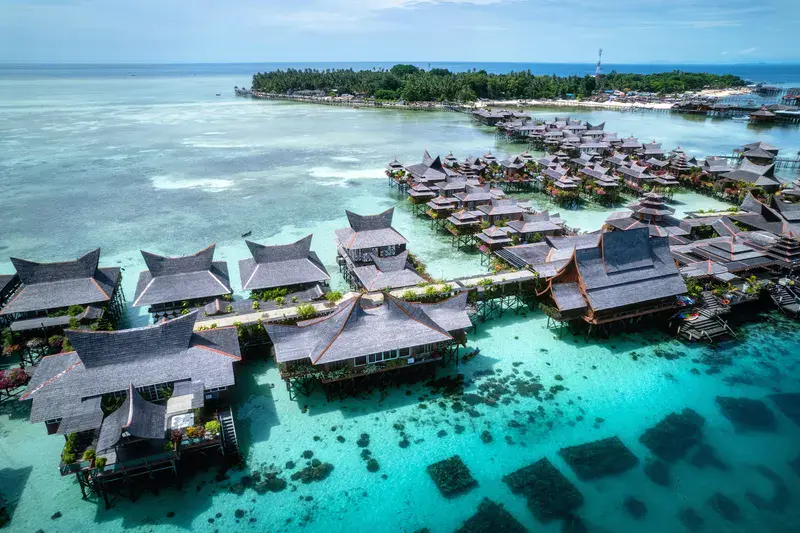
Malaysia: Asia's Most Livable Country
Kuala Lumpur, Penang, and Kuching offer first-world infrastructure with developing-world costs. The Malaysia My Second Home (MM2H) program has attracted thousands of international retirees seeking Asian culture with English-language convenience. 🏙️
Monthly Budget Breakdown:
- Housing: $500-$1,000 (modern condos with amenities)
- Food: $200-$400 (incredible diversity)
- Healthcare: $150-$300 (world-class private system)
- Utilities: $80-$120
- Transportation: $100-$200
- Entertainment: $200-$350
- Total: $1,230-$2,370
Retirement Advantages:
- English widely spoken
- MM2H retirement visa program
- Excellent healthcare system
- Cultural diversity and tolerance
- Modern infrastructure
- Strategic location for Asian travel
- Political stability
Considerations:
- Hot, humid climate year-round
- MM2H program requirements recently tightened
- Air quality issues during haze season
- Cultural and religious considerations
-800x542.webp)
Costa Rica: Pura Vida Paradise
The Central Valley and Guanacaste provinces offer an ideal combination of tropical paradise and modern amenities. Costa Rica's political stability, environmental consciousness, and established expat infrastructure make it a top choice for American retirees. 🦜
Monthly Budget Breakdown:
- Housing: $600-$1,200 (furnished rentals)
- Food: $250-$450 (high quality, organic options)
- Healthcare: $200-$400 (excellent private system)
- Utilities: $100-$200
- Transportation: $100-$200
- Entertainment: $200-$350
- Total: $1,450-$2,800
Retirement Advantages:
- Political stability and safety
- Excellent healthcare system
- Strong environmental focus
- No military, peaceful culture
- Pensionado visa for retirees
- Close to US (5-hour flight)
- Year-round spring climate in Central Valley
Considerations:
- Higher costs than other Central American countries
- Rainy season can be intense
- Infrastructure challenges in some areas
- Bureaucratic processes

Upper Comfort Destinations ($3,000-$5,000/Month)
Spain: European Sophistication
Madrid, Barcelona, Valencia, and the coastal regions offer sophisticated European living with reasonable costs compared to other Western European countries. The non-lucrative visa provides a pathway for financially independent retirees. For a detailed comparison, see our Portugal vs Spain ultimate comparison guide. 🥘
Monthly Budget Breakdown:
- Housing: $800-$1,800 (city centers or coastal areas)
- Food: $400-$700 (world-class cuisine culture)
- Healthcare: $200-$400 (excellent public and private)
- Utilities: $150-$250
- Transportation: $100-$200
- Entertainment: $300-$600
- Total: $1,950-$3,950
Retirement Advantages:
- Rich cultural heritage
- Excellent healthcare system
- Sophisticated urban environments
- Great climate in southern regions
- Strong expat communities
- EU membership benefits
- High quality of life
- Excellent public transportation
Considerations:
- Bureaucratic processes complex
- Language barrier significant
- Economic uncertainty periodically
- Tax implications for residents

Australia: Familiar Excellence
For Americans seeking familiar culture with adventure, Australia's major cities provide exceptional quality of life. While expensive, the lifestyle, healthcare, and cultural similarity make it worthwhile for those who can afford it. 🦘
Monthly Budget Breakdown:
- Housing: $1,200-$2,500 (major cities)
- Food: $500-$800 (high quality, expensive)
- Healthcare: $300-$500 (world-class system)
- Utilities: $200-$350
- Transportation: $150-$300
- Entertainment: $400-$700
- Total: $2,750-$5,150
Retirement Advantages:
- English-speaking culture
- World-class healthcare
- Political stability
- Diverse climate options
- High quality of life
- Strong rule of law
- Cultural similarity to US
Considerations:
- Very high cost of living
- Difficult visa requirements for retirees
- Geographic isolation
- High taxes

New Zealand: Natural Beauty Paradise
Auckland and Wellington offer stunning natural beauty combined with first-world amenities. The New Zealand quality of life consistently ranks among the world's highest, though costs are significant. 🗻
Monthly Budget Breakdown:
- Housing: $1,000-$2,200 (major cities)
- Food: $450-$750 (high quality, expensive)
- Healthcare: $250-$450 (excellent public system)
- Utilities: $150-$280
- Transportation: $120-$250
- Entertainment: $350-$600
- Total: $2,320-$4,530
Retirement Advantages:
- English-speaking culture
- Stunning natural environment
- Low crime rates
- Excellent healthcare
- Clean, green environment
- Political stability
Considerations:
- Very difficult retirement visa requirements
- High cost of living
- Geographic isolation
- Limited flight connections
Premium Luxury Destinations ($5,000+/Month)
Switzerland: Alpine Perfection
Geneva, Zurich, and mountain resort towns represent the pinnacle of European quality of life. While expensive, the combination of natural beauty, political stability, healthcare excellence, and cultural sophistication attracts wealthy international retirees. For more European options, explore tax-free retirement havens for 2025. 🏔️
Monthly Budget Breakdown:
- Housing: $2,000-$4,000+ (luxury apartments)
- Food: $800-$1,200 (world-class dining)
- Healthcare: $500-$800 (premium private care)
- Utilities: $200-$350
- Transportation: $200-$400
- Entertainment: $500-$1,000+
- Total: $4,200-$7,750+

Singapore: Asian Financial Hub
This city-state combines Asian efficiency with international sophistication. The highest quality of life in Asia comes at premium prices, but for wealthy retirees seeking urban excellence, Singapore is unmatched. 🏙️
Monthly Budget Breakdown:
- Housing: $2,500-$5,000+ (luxury condos)
- Food: $600-$1,000 (incredible dining scene)
- Healthcare: $400-$700 (world-class private)
- Utilities: $150-$250
- Transportation: $100-$200 (excellent public system)
- Entertainment: $400-$800
- Total: $4,150-$7,950+
Monaco: Mediterranean Luxury
For the ultra-wealthy, Monaco offers tax advantages, Mediterranean climate, and unparalleled luxury. Residency requirements are strict but achievable for those with sufficient assets. 🏎️
Monthly Budget Breakdown:
- Housing: $3,000-$8,000+ (luxury apartments)
- Food: $800-$1,500 (Michelin-starred dining)
- Healthcare: $500-$1,000 (premium private care)
- Utilities: $200-$400
- Transportation: $300-$600
- Entertainment: $1,000-$2,000+
- Total: $5,800-$13,500+
Healthcare Considerations for Retiring Abroad
Healthcare access and quality often determine international retirement success more than cost of living. Understanding healthcare systems, insurance options, and medical infrastructure is crucial for any international retirement decision.
Healthcare System Types
Universal Healthcare Countries:
- Portugal, Spain, United Kingdom: Excellent public systems with private options
- Canada, Australia, New Zealand: High-quality universal care
- France, Germany, Netherlands: Premium European systems
Private System Countries:
- United States, Switzerland: High quality, high cost
- Singapore, Thailand: Excellent private systems
- Philippines, India: Growing private sectors
Mixed Systems:
- Mexico, Malaysia, Costa Rica: Good private with improving public
- Chile, Uruguay: Developed mixed systems
Key Healthcare Factors for Retirees
Quality Indicators:
- WHO health system rankings
- Medical tourism destination status
- International hospital accreditation
- English-speaking medical staff availability
Cost Considerations:
- Insurance requirements for visas
- Prescription drug availability and costs
- Dental and vision care access
- Emergency evacuation insurance needs
Practical Access:
- Proximity to quality hospitals
- Specialist availability
- Medical equipment and technology
- Cultural attitudes toward aging
For comprehensive coverage options, see our guide on overseas health coverage and Medicare vs international health insurance comparisons.
Visa Pathways for International Retirement
Understanding visa options is crucial for retirement abroad planning. Each country offers different pathways, requirements, and benefits for long-term residents.
Common Retirement Visa Types
Pensioner/Retirement Visas:
- Philippines SRRV: $10,000-$50,000 deposit
- Malaysia MM2H: Recently tightened requirements
- Panama Pensionado: $1,000+ monthly pension required
- Ecuador Retirement Visa: $800+ monthly income
Investment Visas:
- Portugal Golden Visa: €280,000+ investment
- Spain Golden Visa: €500,000+ property investment
- Greece Golden Visa: €250,000+ property investment
- Various citizenship by investment programs
Non-Lucrative Visas:
- Spain: €27,000+ annual income, no work permitted
- Italy Elective Residency: €31,000+ annual income
- Similar programs in various EU countries
Temporary Residence to Permanent Pathways:
- Most countries offer paths from temporary to permanent residence
- Typically require 3-5 years of continuous residence
- Often lead to citizenship opportunities after 5-10 years
Essential Tools for Planning Your Retirement Abroad
Before making any major international retirement decisions, these comprehensive planning tools can help you evaluate options, understand costs, and prepare for your transition abroad.
Destination Research and Comparison
Compare Countries Side-by-Side: Our Country Search Tool allows you to filter retirement destinations based on your specific priorities—climate, healthcare quality, cost of living, visa requirements, and expat community size. Compare up to three countries simultaneously across dozens of factors that matter most for retirement abroad.
Comprehensive Country Profiles: Browse our Country Directory for detailed retirement guides covering visa requirements, healthcare systems, tax implications, cost breakdowns, and expat community insights for over 50 retirement destinations worldwide.
Financial Planning and Optimization
Retirement Timeline Calculator: Use our FIRE Calculator to determine how geographic arbitrage can accelerate your retirement timeline. Input your current savings rate and target retirement income to see how different countries can help you retire years earlier than planned.
Procrastination Cost Calculator: Our FIRE Procrastination Calculator shows the financial impact of delaying your international retirement plans. Discover how each year of delay affects your potential savings and retirement timeline. Many retirees are surprised to learn the true cost of the "latte myth and procrastination" when it comes to retirement planning.
Geographic Arbitrage Savings: The Geo-Arbitrage Savings Calculator helps you understand exactly how much money you can save annually by choosing different retirement destinations, factoring in housing, healthcare, food, and lifestyle costs.
Investment Protection: Our Dividend Portfolio Shield helps you structure retirement investments for international living, considering tax treaties, currency hedging, and portfolio protection strategies for expat retirees.
Visa and Legal Preparation
Visa Pathway Explorer: Navigate complex visa requirements with our Visa Pathways tool, which breaks down retirement visa options, investment requirements, and application processes for each country based on your specific situation.
Readiness Assessment
Expat Readiness Quiz: Take our comprehensive Expat Readiness Quiz to identify potential challenges and areas for preparation before retiring abroad. The assessment covers financial readiness, cultural adaptability, practical skills, and legal preparation.
These tools integrate seamlessly with the retirement planning process, helping you make data-driven decisions about your international retirement while avoiding common pitfalls and missed opportunities.

Real Retirement Success Stories Across Budget Tiers
Ultra Budget Success: Robert's Guatemala Adventure
Robert Chen, 67, stretched his $1,850 Social Security payment into a comfortable Guatemala retirement. Living in Antigua for $720 monthly, he enjoys daily Spanish lessons, weekend trips to archaeological sites, and a active expat social calendar. "I'm living better here than I could afford in the US," Robert says. "My money goes three times further, and I'm having the adventure of my lifetime." 🗿
His monthly breakdown: $280 for a colonial house rental, $180 for food (eating out daily), $60 for utilities, $50 for his part-time Spanish tutor, and $150 for travel and entertainment. The remaining $1,100 from his Social Security goes toward building an emergency fund and annual US visits.
Budget Comfort Success: Linda's Portuguese Paradise
Linda Walsh, 58, achieved early retirement by moving to Portugal's Silver Coast. Her $2,400 monthly budget funds a coastal lifestyle that would cost $6,000+ in California. "I walk to the beach every morning, take Portuguese classes at the community center, and cook with ingredients from the local market," Linda explains. "My healthcare is better, my stress is gone, and I'm saving money every month." 🏖️
Her monthly costs: $750 for a two-bedroom apartment with ocean views, $450 for food and dining out, $200 for comprehensive healthcare, $120 for utilities, $180 for her car and transportation, and $300 for entertainment and travel. She's saving $400 monthly while living better than ever.
Premium Comfort Success: Susan's Swiss Excellence
Susan Martinez, 63, used her executive retirement savings to fund a luxury Swiss lifestyle. At $7,200 monthly, her Montreux apartment overlooks Lake Geneva, she enjoys world-class healthcare, and her grandchildren visit every summer. "Yes, it's expensive, but the quality of life is unmatched," Susan notes. "I feel safe, healthy, and inspired every day." 🏔️
Her monthly budget includes $3,200 for her lakefront apartment, $1,000 for fine dining and groceries, $600 for premium healthcare, $300 for utilities, $400 for transportation, and $800 for entertainment, travel, and cultural activities. The remaining retirement income funds annual family visits and emergency reserves.
Common Challenges and How to Overcome Them
Language Barriers
Challenge: Communication difficulties affecting daily life, healthcare access, and legal processes.
Solutions:
- Start language learning before moving (Duolingo, Babbel, local classes)
- Choose destinations with established English-speaking expat communities
- Hire local assistants for complex translations and bureaucracy
- Use translation apps for daily communication
- Join expat Facebook groups for recommendations and support
Healthcare Navigation
Challenge: Understanding foreign healthcare systems and ensuring quality care.
Solutions:
- Research healthcare rankings and accreditation before choosing destinations
- Purchase comprehensive international health insurance
- Identify English-speaking doctors and hospitals in advance
- Maintain relationships with US doctors for second opinions
- Understand prescription drug availability and costs
Legal and Tax Complications
Challenge: Managing visa requirements, tax obligations, and legal compliance.
Solutions:
- Consult international tax specialists before moving
- Understand tax treaties between US and destination countries
- Maintain detailed records of residency and income
- Work with local legal experts for visa compliance
- Plan for potential changes in tax laws or visa requirements
Social Isolation
Challenge: Building social connections and community in a new country.
Solutions:
- Research expat communities before choosing specific locations within countries
- Join international clubs, volunteer organizations, and hobby groups
- Attend language exchange events and cultural activities
- Use expat networking apps and Facebook groups
- Consider destinations with established American expat populations initially
Ready to Rewire your Life?
Sign up to receive updates and insights.
By submitting your email address, you will receive a free subscription to RA Postcards and special offers from Rewire Abroad and our affiliates. You can unsubscribe at any time, and we encourage you to read more about our Privacy Policy.
Currency Fluctuations
Challenge: Budget volatility due to exchange rate changes.
Solutions:
- Budget conservatively with 15-20% buffer for currency fluctuations
- Consider currency hedging strategies for large expense categories
- Diversify income sources across currencies when possible
- Monitor exchange rate trends and time large purchases strategically
- Maintain emergency funds in both US dollars and local currency
Your Action Plan for Retiring Abroad
Phase 1: Research and Planning (6-18 months before moving)
Destination Selection:
- Use the Country Search Tool to identify 3-5 potential destinations
- Research visa requirements and create timeline for applications
- Connect with expat communities online for firsthand insights
- Plan reconnaissance trips to top 2-3 destinations
Financial Preparation:
- Calculate precise retirement income and expenses
- Understand tax implications with international tax specialist
- Research healthcare costs and insurance options
- Plan currency conversion and international banking strategies
Phase 2: Legal and Administrative Setup (3-12 months before)
Visa Applications:
- Gather required documentation (varies by country)
- Submit visa applications with plenty of time buffer
- Plan for potential delays or additional requirements
- Consider visa agency assistance for complex applications
Financial Infrastructure:
- Set up international banking relationships
- Notify current financial institutions of international move
- Research and purchase appropriate insurance coverage
- Plan tax compliance strategies with professional help

Phase 3: Practical Preparation (1-6 months before)
Logistics Planning:
- Research housing options and temporary accommodations
- Plan shipping for essential belongings
- Research local services (internet, utilities, transportation)
- Arrange temporary and permanent communication solutions
Healthcare Setup:
- Obtain comprehensive medical records and prescriptions
- Research local healthcare providers and insurance
- Plan prescription drug availability and importation
- Arrange emergency medical evacuation insurance
Phase 4: Initial Settlement (first 3 months)
Immediate Priorities:
- Secure temporary housing and basic utilities
- Register with local authorities as required
- Set up banking and financial services
- Obtain local phone service and internet
- Find grocery stores, pharmacies, and essential services
Community Integration:
- Join expat groups and local organizations
- Begin or continue language learning
- Explore transportation options and routes
- Identify entertainment and social opportunities
Phase 5: Long-term Establishment (months 3-12)
Permanent Settlement:
- Secure long-term housing arrangements
- Establish local professional relationships (doctor, dentist, etc.)
- Build social networks and friendships
- Explore travel opportunities within your new region
- Evaluate and adjust budget based on actual costs
Ongoing Optimization:
- Monitor visa renewal requirements and timelines
- Track tax obligations and filing requirements
- Maintain connections with home country as desired
- Continue exploring your new country and region
- Share experiences with other prospective expat retirees
Conclusion: Your International Retirement Awaits
The mathematics are clear: strategic geographic choices can transform your retirement from subsistence to abundance, from limitation to adventure. Whether you're drawn to Guatemala's volcanic lakes at $650 monthly, Portugal's coastal charm at $2,100 monthly, or Switzerland's alpine perfection at $6,500 monthly, there's an international retirement destination that aligns with your budget and dreams.
The key isn't finding the cheapest destination—it's finding the optimal intersection of affordability, lifestyle, healthcare, and adventure that matches your unique retirement vision. Robert Chen's Guatemalan adventure, Linda Walsh's Portuguese paradise, and Susan Martinez's Swiss excellence prove that successful international retirement happens at every budget level.
The tools, strategies, and destinations outlined in this guide provide your roadmap, but the journey begins with a single step: deciding that your retirement doesn't have to be constrained by domestic geography. Your monthly Social Security check, pension income, or retirement savings can fund dramatically different lifestyles depending on where you choose to spend them. For more inspiration, explore our complete roadmap to thriving overseas.
Start with the Country Search Tool to identify destinations that match your budget and priorities. Use the calculators to understand exactly how international retirement affects your timeline and finances. Take the readiness quiz to identify areas for preparation. But most importantly, take action.
Your international retirement adventure is waiting. The only question is: which country will you choose to call your new home? 🌍
Ready to start planning your retirement abroad? Subscribe to our newsletter for weekly destination guides, visa updates, and retirement planning strategies delivered to your inbox.
Adonis Villanueva
Adonis Villanueva has visited over 56 countries and built Rewire Abroad to solve the problem he kept running into: most expat resources either cater to the already-wealthy or rely on outdated data that doesn't reflect what international living actually costs. Driven by the FIRE movement and a belief that geographic freedom shouldn't require a fortune, he combines firsthand experience with verified meteorological data, live infrastructure benchmarks, and expat-weighted cost-of-living models to give readers the honest numbers behind the dream.
Rewire Abroad
Your $5 Latte Isn't Why You're Not Rich. I Used a Calculator to Prove It
I used a calculator to prove your daily latte isn't killing your wealth. One year of investment delay costs 4x more than a lifetime of coffee, go see.
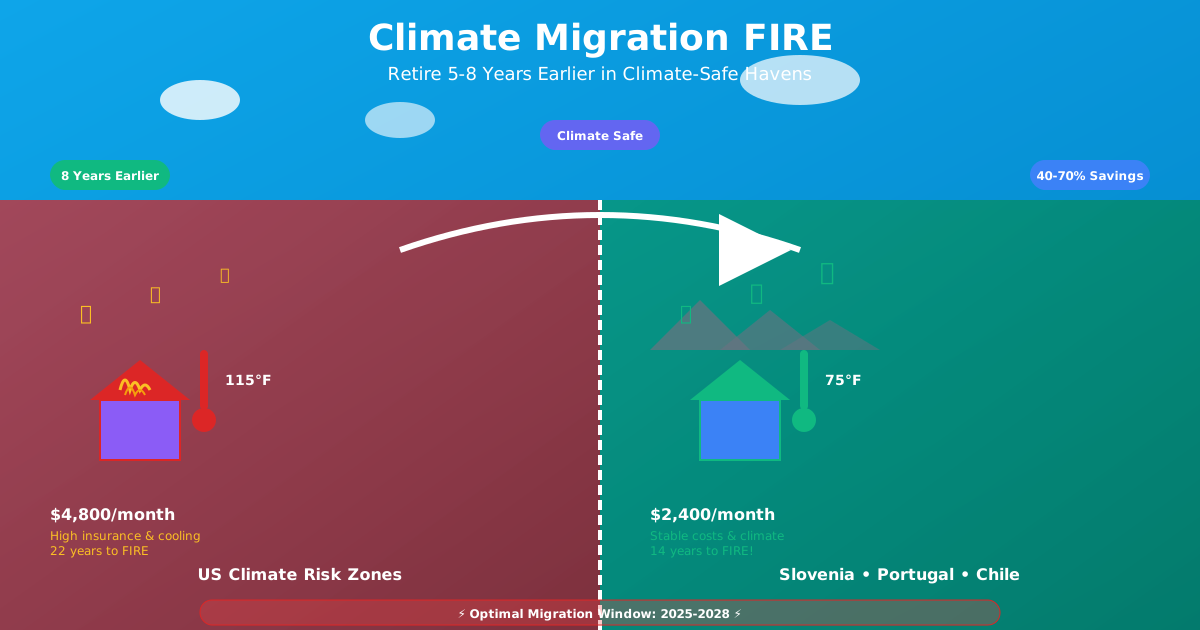
The Climate Migration FIRE Guide: Retire Early While Escaping Extreme Weather
Combine climate safety with FIRE. Discover climate-resilient countries where you can retire early while escaping extreme weather events.
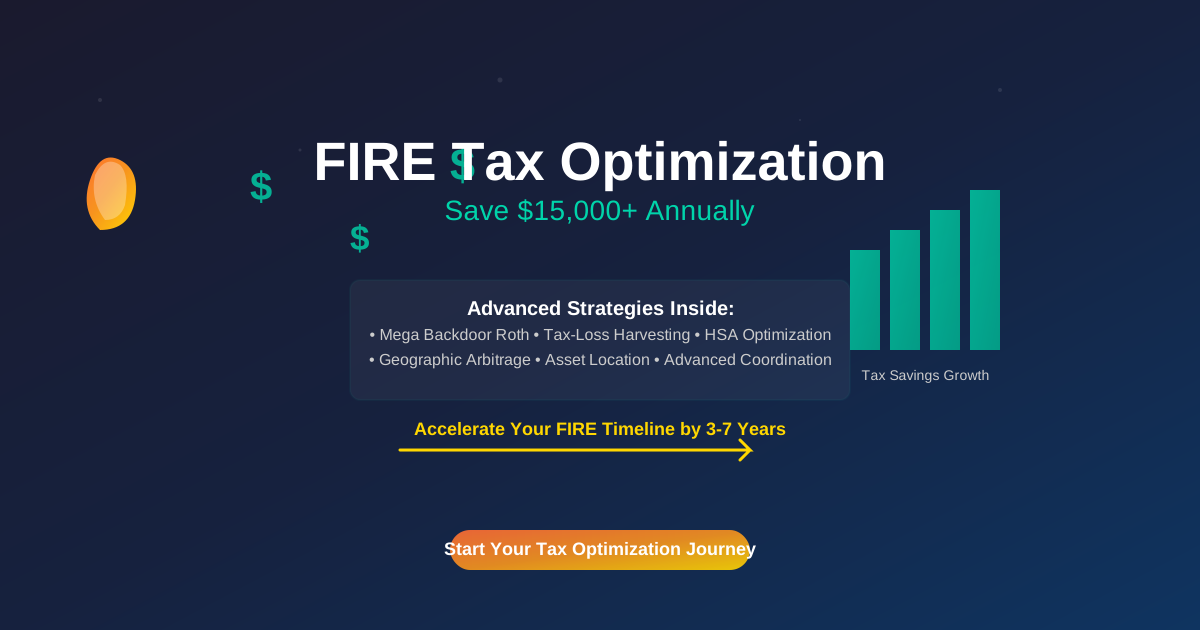
The FIRE Tax Optimization Playbook: Save $10K+ Annually
Master advanced tax strategies to accelerate your FIRE journey. Mega backdoor Roth, tax-loss harvesting, HSA optimization, and geographic arbitrage.