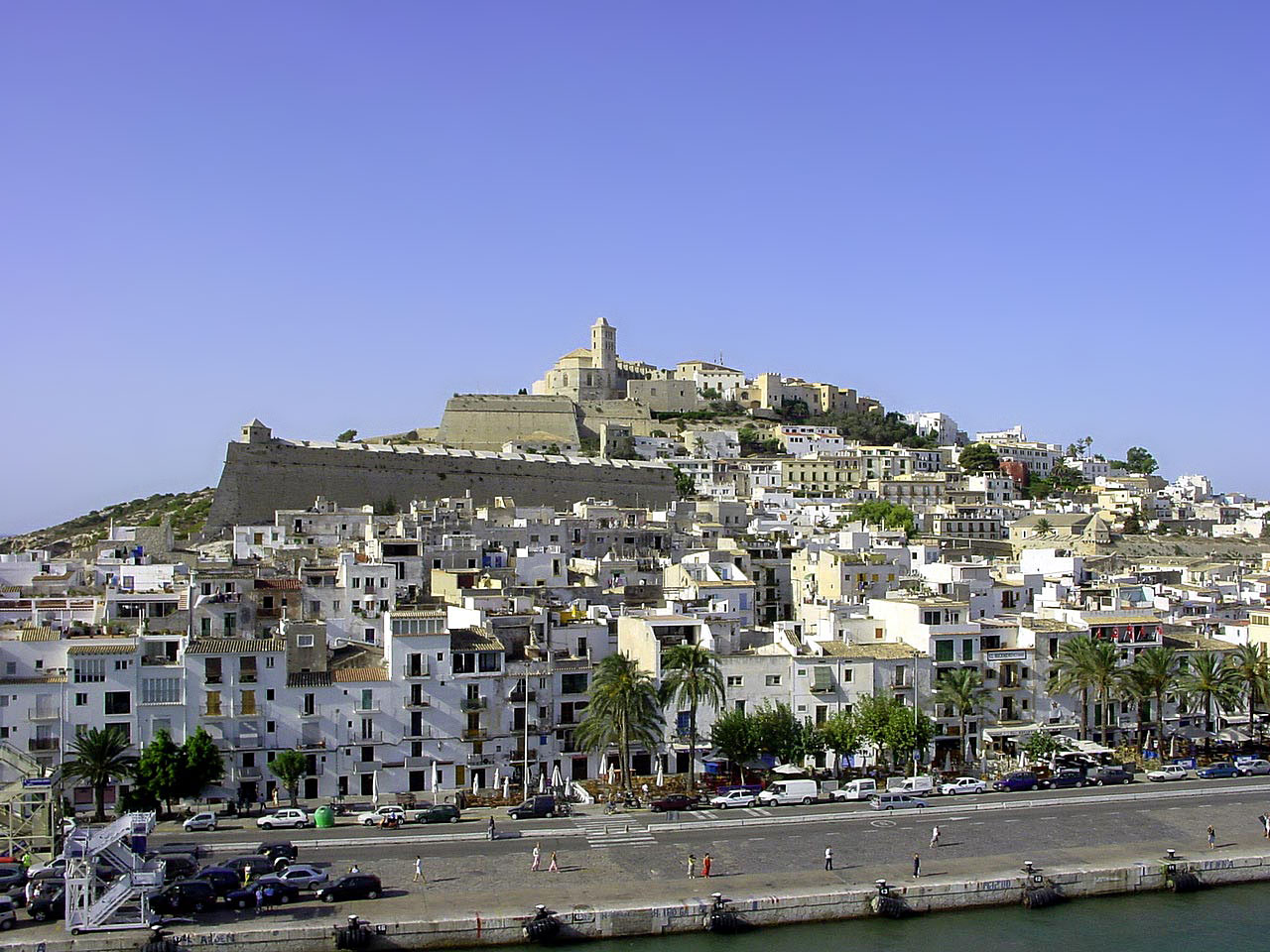
Tourism drives everything here, creating a feast-or-famine economy that peaks from June to September when the island transforms into Europe's electronic music capital. Most locals work in hospitality, retail, or real estate, with many holding multiple seasonal jobs to survive the quieter winter months. Construction and property development provide year-round work, but competition is fierce and wages often don't match the inflated cost of living that comes with being a luxury destination.
Expect to pay $1,800+ monthly for a basic one-bedroom in town, with prices doubling during summer season when many landlords switch to short-term rentals. Public transport exists but is limited—you'll likely need a car or scooter, though parking is a nightmare in summer. Healthcare is decent through Spain's public system, but private insurance helps for faster service. Spanish is essential for bureaucracy and most jobs, though English works in tourist areas.
The climate delivers 300+ sunny days annually with scorching summers that hit 35°C+ and pleasant winters around 15°C. Food is expensive but excellent, mixing traditional Catalan dishes with international cuisine from the diverse expat population. Weekends mean beach clubs, hiking coastal trails, or exploring the UNESCO-listed old town when you need a break from the relentless party scene. This works for digital nomads with solid income, retirees seeking Mediterranean luxury, or hospitality workers chasing the seasonal money—but budget-conscious expats will struggle with the premium pricing on everything.
Estimate the cost of moving to Ibiza, Spain
Get a free moving cost estimate for moving to Ibiza, Spain. Takes 10 seconds.
How much are you shipping?
When are you moving?
Powered by Sirelo. Free quotes from international movers.
🏚️ Cost of Living
💰 Budgets and Costs
A category breakdown is not available for Ibiza yet. We publish a breakdown only when every category can be priced from local data, rather than showing figures we cannot stand behind.
Ibiza is genuinely safe for daily life, with a strong police presence and low violent crime. Walking at night in central areas and tourist zones feels secure; locals and expats move freely after dark without significant concern. The island's reputation as a party destination masks its actual safety profile—outside the nightlife districts, it's a quiet, orderly Mediterranean community where expats report feeling comfortable.
Petty theft and pickpocketing occur primarily in crowded nightlife areas (Playa d'en Bossa, Old Town clubs) and during peak summer season. Scams targeting tourists exist but rarely affect residents. Avoid displaying expensive items in clubs, and use common sense around intoxicated crowds. Solo female travelers report feeling safe; harassment is minimal compared to other European cities, though standard nightlife precautions apply.
Spain has stable governance, reliable police, and no significant political instability affecting daily life. Corruption is low by European standards. The main consideration is seasonal tourism volatility—summer brings crowds and petty crime spikes, while winter is quieter and safer. For Americans 30-65 considering relocation, Ibiza offers genuine safety with excellent healthcare and EU legal protections. It's a sound choice for remote workers or retirees seeking a secure Mediterranean base.
See how Ibiza's digital nomad life compares with Cuenca
🧳 Expat Life
English Proficiency
Widely Spoken
Expat Community
Large & Active
Top Neighborhoods
Ibiza Town, Santa Eulalia
Banks Nearby
20
ATMs Nearby
50
Expat Life Notes
Global hub for lifestyle and music. high energy and extremely international.
Pros
✓ Best nightlife in the world
✓ Island beauty
✓ Native level English common
Cons
✗ Extremely expensive in summer
✗ Quiet in winter
🏘️ Neighborhoods in Ibiza
Areas of Ibiza that expats often consider.
Conditions can change from one block to the next, and these descriptions are general guides, not safety assessments. Before choosing where to stay or live, check current travel advisories, talk to people who live there, and visit in person if you can.
Ibiza Town (Eivissa)
Vibrant capital, historic charm
The island's capital offers a mix of history, culture, and nightlife. Dalt Vila (Old Town) is a UNESCO World Heritage site. Expect higher prices and tourist crowds, but excellent amenities and transport links.
Santa Eulària des Riu
Family-friendly, relaxed coastal town
A quieter alternative to Ibiza Town, Santa Eulària is popular with families and retirees. It boasts a beautiful marina, a pedestrianized promenade, and a more laid-back atmosphere. Good for those seeking a less intense Ibiza experience.
Sant Antoni de Portmany
Lively, budget-friendly, party atmosphere
Known for its nightlife, Sant Antoni offers more affordable accommodation options. While it can be noisy and crowded, especially during peak season, it's well-connected and has a vibrant atmosphere. Consider the quieter outskirts if you prefer less intense partying.
Playa d'en Bossa
Beachfront party central, modern
Home to famous beach clubs and hotels, Playa d'en Bossa is a popular tourist destination. Expect higher prices and a lively, party-focused atmosphere. It's very walkable and offers easy access to the beach, but can be overwhelming for long-term residents seeking peace and quiet.
Sant Josep de sa Talaia
Authentic village, scenic beauty
Located inland, Sant Josep offers a more traditional Ibizan experience. It's surrounded by beautiful countryside and boasts a charming village center. While less touristy than coastal areas, it still has good amenities and is within easy reach of beaches.
Jesús
Residential, convenient, close to Ibiza Town
A small village close to Ibiza Town, Jesús offers a more residential feel. It's a convenient location with good access to amenities and transport links. It's a good option for those who want to be close to the action but prefer a quieter living environment.
Es Canar
Relaxed beach resort, family-oriented
Es Canar is a smaller resort town known for its weekly hippy market and family-friendly atmosphere. It's a good option for those seeking a quieter beachside location with a relaxed vibe. It's less developed than some of the larger resorts, offering a more authentic experience.
Page 1 of 2
Could living/working in Ibiza cut years off your work life?
With a 1-bedroom in the center at $2053/mo, your FIRE number here might be much lower than you think.
Ibiza has a population of approximately 161,485 people.
A single person can expect to spend around $5,132 per month in Ibiza, including rent. A 1-bedroom apartment in the city center costs approximately $2053/month.
The nearest airport to Ibiza is IBZ, approximately 5.6km away.
Ibiza is considered relatively safe, with a safety index of 83.0. As with any city abroad, expats should research specific neighborhoods before committing to a location.
Ibiza has an average internet speed of 66 Mbps. It is considered a well-established digital nomad destination.
English-only jobs exist in tourism, hospitality, and some international businesses, but they're competitive and mostly seasonal. Spanish fluency opens far more opportunities and is essential for dealing with bureaucracy, healthcare, and local services year-round.
Yes, but it's a different island entirely. Many restaurants and clubs close October-April, the expat population shrinks significantly, and job opportunities become scarce. However, rent drops, crowds disappear, and you get a peaceful Mediterranean lifestyle with perfect hiking weather.
Santa Eulària des Riu is popular for its relaxed atmosphere and family-friendly vibe, while Ibiza Town offers a more vibrant, cosmopolitan experience. San Antonio caters to a younger crowd, but areas further from the West End can be quieter. For luxury living, consider Jesús or Roca Llisa.
Ibiza is generally safe, with low levels of violent crime. Petty theft, especially during the peak tourist season, is the most common concern, so be mindful of your belongings in crowded areas. Some areas around San Antonio can get rowdy at night, so exercise caution.
Ibiza enjoys a Mediterranean climate with hot, dry summers and mild, wet winters. Expect temperatures to soar in July and August, while January and February are the coolest months. Spring and autumn offer pleasant temperatures and fewer crowds, making them ideal for visiting or living.
While a car offers the most flexibility, Ibiza has a decent bus network connecting major towns and beaches. Taxis are readily available, but can be expensive, especially during peak season. Consider renting a scooter for shorter distances, but be aware of traffic.
As a US citizen, you can stay in Spain for up to 90 days visa-free within a 180-day period. For longer stays, you'll need to apply for a visa, such as the Non-Lucrative Visa (if you have sufficient passive income) or a work visa (if you have a job offer). Consult the Spanish consulate for the most up-to-date requirements.
Internet speeds in Ibiza are generally good, especially in urban areas like Ibiza Town and Santa Eulària. You can expect download speeds of 50-100 Mbps, sufficient for most remote work tasks. However, speeds may be slower in more rural areas, so check before committing to a long-term rental.
Yes, there are several coworking spaces in Ibiza, primarily located in Ibiza Town and Santa Eulària. These spaces offer a professional environment with reliable internet, meeting rooms, and networking opportunities. Expect to pay around €150-€300 per month for a dedicated desk.
Ibiza has a good public healthcare system, but access may require residency. Private healthcare is also available and offers shorter waiting times. Many doctors, especially in tourist areas, speak English. Consider getting private health insurance for comprehensive coverage.
As a US citizen, you're still required to file US taxes even when living abroad. You may be able to exclude a significant portion of your income using the Foreign Earned Income Exclusion (FEIE) or claim the Foreign Tax Credit. Report foreign bank accounts if they exceed $10,000 total value (FBAR).
Ibiza has a sizable and diverse expat community, making it relatively easy to socialize and find support. There are numerous expat groups and social events, both online and offline. English is widely spoken, which helps with integration, but learning Spanish will enhance your experience.
Living comfortably on $2,500 per month in Ibiza is possible, but requires careful budgeting, especially if renting. Consider living outside the main tourist areas, cooking at home, and taking advantage of free activities. It's more feasible during the off-season when rental prices are lower.
Groceries in Ibiza are generally comparable to prices in the US, although imported items can be more expensive. Dining out can range from affordable tapas bars to high-end restaurants. Expect to pay around €15-€25 per person for a mid-range meal.
The West End of San Antonio is known for its party atmosphere and can be noisy and crowded, especially during peak season. While not necessarily dangerous, it may not be suitable for those seeking a peaceful living environment. Some more remote areas may lack convenient access to amenities.
Cost-of-living and visa updates for Ibiza and the rest of Spain. Free with RA Postcards.
By submitting your email address, you will receive a free subscription to RA Postcards and special offers from Rewire Abroad and our affiliates. You can unsubscribe at any time, and we encourage you to read more about our Privacy Policy.