The $2,000/Month Retirement Map: 13 Countries Where Your Social Security Actually Works

Everyone’s raving about Portugal and Mexico. But while the masses compete for overpriced rentals in Lisbon or Puerto Vallarta, $600 a month still gets you a sea-view terrace in Montenegro—coffee in hand, Adriatic in sight—while many Americans back home can’t even swing a studio on Social Security.
Here’s what mainstream retirement advice glosses over: while the spotlight shines on the same five over-saturated “safe bets,” there are 13 lesser-known countries where your dollars stretch further, the crowds are thinner, and the lifestyle is exponentially better.
After two years of comparative research across 30+ countries, we’ve pinpointed the places where $2,000/month doesn’t just cover basics—it delivers the kind of comfort that costs $5K+ in the States. These aren’t glossy-mag favorites. They’re the under-the-radar gems with real visa paths, thriving local communities, and jaw-dropping affordability.
🏆 Why These "Hidden" Countries Are Actually Better Than the Popular Ones
Let me be blunt: the retirement advice industry has created a massive problem by constantly promoting the same five countries. Portugal, Costa Rica, Mexico, Panama, and Ecuador are all fine places—but they're victim to their own success. Prices have skyrocketed, bureaucracy has gotten more complex, and you'll find American expat communities that feel more like Florida suburbs than international adventures.
🎯 The Hidden Advantage of Being Early
Meanwhile, quieter countries—like Montenegro, Georgia, or Albania—are still flying under the radar. In many of these places, locals are genuinely surprised (and often delighted) to meet Americans considering retirement there. The cost of living remains low, real estate hasn’t been gobbled up by expats yet, and the bureaucratic red tape? Often simpler than what you'll find in the so-called “expat hubs.”
Early movers into these under-the-radar destinations aren’t just saving money—they’re gaining access. They’re finding long-term rentals before demand drives up prices, building relationships with local professionals, and integrating into communities that still feel authentic and welcoming.
This guide uncovers 13 such countries—places where $2,000/month still carries real weight, where your Social Security check opens doors, and where the expat experience feels more like meaningful adventure than retirement cliché:
- Lisbon: Fighting for overpriced apartments against digital nomads and other retirees
- Puerto Vallarta: Watching rental prices double in three years as American demand exploded
- Cuenca: Navigating increasingly complex visa processes as Ecuador tightens requirements
📐 The Sweet Spot Formula
After analyzing cost-of-living data from over 100 countries in our extensive database, I've identified the perfect storm conditions for Social Security optimization:
- Countries accepting Social Security payments (surprisingly, this eliminates more places than you'd think)
- Monthly living costs under $2,000 for a comfortable lifestyle
- Minimal American expat presence (less than 5,000 Americans total)
- Accessible visa pathways for retirees
- Quality healthcare and modern infrastructure
- Cultural richness that makes daily life interesting
The countries that meet all six criteria? That's your secret retirement map.
💰 The Social Security Reality Check: What Actually Works Abroad
Before we dive into the hidden gems, let's clear up the confusion about Social Security abroad. I've heard everything from "you lose benefits if you leave the country" to "you can collect anywhere in the world." The truth is more nuanced—and more favorable than most people realize.
The Straightforward Truth
Social Security payments can be sent to most countries worldwide, and you can receive your full retirement, disability, or survivor benefits while living abroad. The key restrictions apply to only a handful of countries where the U.S. has specific diplomatic limitations.
Countries Where Social Security WON'T Work
Let's get the bad news out of the way first. Social Security payments cannot be sent to:
- Cuba
- North Korea
- Certain former Soviet republics under specific conditions
Additionally, eight countries have restricted payment conditions that require periodic verification at U.S. embassies: Azerbaijan, Belarus, Kazakhstan, Kyrgyzstan, Moldova, Tajikistan, Turkmenistan, and Uzbekistan. Since none of these make my recommended list anyway, this shouldn't impact your planning.
What "Living Abroad" Actually Means
Here's the technical definition that matters: you're considered living outside the U.S. if you're absent from the 50 states, D.C., or U.S. territories for more than 30 consecutive days. But this doesn't stop your payments—it just means you need to understand the rules.
The One Rule That Really Matters: As long as you're a U.S. citizen and the country accepts Social Security payments, you'll keep receiving your benefits. Period.
Banking and Payment Logistics
Most countries on my list allow direct deposit of Social Security benefits to local banks. For those that don't, you can receive payments to a U.S. bank account and access funds through international ATM networks or online banking transfers.
Pro Tip: Use the RewireAbroad Country Directory to check specific Social Security payment procedures for any country you're considering. It includes up-to-date banking partnerships and transfer options.
🎯 Why $2,000/Month Is Your Sweet Spot for Premium International Living
After running the numbers in 100 countries, $2,000 monthly ($24,000 annually) represents the magical threshold where you shift from "surviving abroad" to "thriving abroad." It's the point where your Social Security check becomes a premium lifestyle funding mechanism rather than just covering basic expenses.
The $2,000 Lifestyle Breakdown
Here's what a $2,000 monthly budget realistically delivers in strategic international locations:
Category | Budget % | Monthly Cost | Details |
|---|---|---|---|
Premium Housing | 30-40% | $600-800 | • Spacious apartments or small houses in desirable neighborhoods • Modern amenities including reliable WiFi and air conditioning • Often includes services like building maintenance or security |
Comprehensive Healthcare | 5-8% | $100-160 | • Private health insurance that covers everything U.S. insurance doesn't • Regular preventive care, prescriptions, dental, and vision • Medical tourism opportunities for major procedures |
Food & Dining Freedom | 15-20% | $300-400 | • Daily fresh market shopping for groceries • Regular restaurant meals featuring local cuisine • Occasional splurges on international dining |
Transportation Ease | 3-5% | $60-100 | • Unlimited public transportation access • Taxi/rideshare budget for convenience • Regional travel for weekend getaways |
Entertainment & Cultural Living | 15-20% | $300-400 | • Museum memberships, theater tickets, cultural events • Hobby pursuits (language classes, cooking courses, etc.) • Regular travel within the region |
Emergency Buffer & Miscellaneous | 10-15% | $200-300 | • Healthcare emergencies and unexpected expenses • Personal care items and household goods • Gifts, charitable giving, and spontaneous purchases |
The Geographic Arbitrage Calculator
Before committing to any destination, you need to quantify your exact advantage. The RewireAbroad Geo-Arbitrage Savings Calculator shows precisely how much more purchasing power your Social Security check gains abroad.
Here's what the calculator revealed for my own situation:
- $1,850 Social Security in Phoenix: Shared apartment, basic healthcare, extremely limited entertainment budget
- $1,850 in Podgorica, Montenegro: 3-bedroom apartment, premium healthcare, active cultural life, €300/month left over for travel
The calculator factors in everything from housing ratios and healthcare costs to tax implications and currency fluctuation risks. It's like having a financial advisor who specializes in international retirement arbitrage.
🗺️ The Ultimate Hidden Retirement Map: 13 Countries Where Your Social Security Check Makes You Wealthy
After extensive research, personal visits, and interviews with American expats, here are the 13 countries where your Social Security creates genuine wealth—places where you'll likely be among the first wave of American retirees to discover their advantages.
🏔️ The Balkans: Europe's Last Affordable Frontier
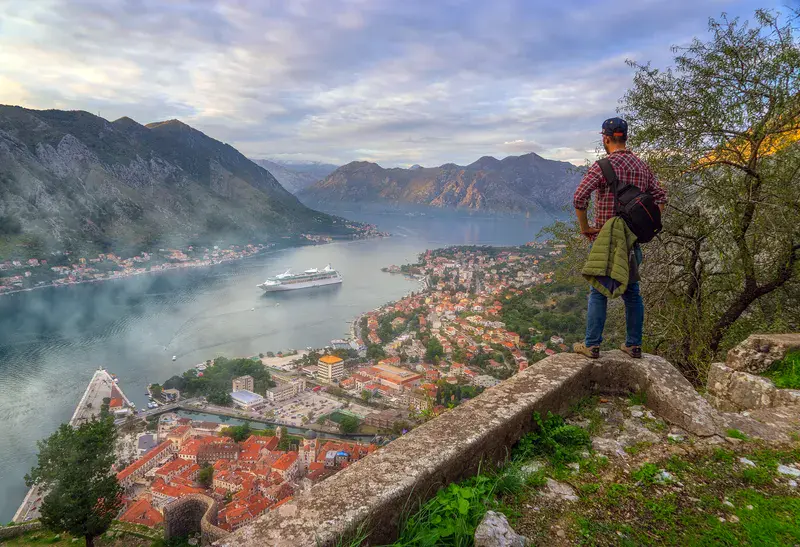
1. Montenegro - The Adriatic's Best-Kept Secret
Monthly Budget: $1,500-2,000
Social Security Status: ✅ Full payments accepted
American Expat Population: <1,000 (you'll be a pioneer)
Healthcare Quality: Good and improving rapidly
I'm starting with Montenegro because it's one of my favorites, and it represents everything I love about hidden retirement destinations. This tiny Balkan nation offers stunning Adriatic coastline, dramatic mountain landscapes, and a cost of living that will make you wonder why anyone retires in expensive places.
Real Cost Breakdown (Podgorica/Budva):
- Housing: $600 (2-bedroom apartment with mountain/sea views)
- Healthcare: $120 (comprehensive private insurance)
- Food: $300 (incredible fresh produce and seafood)
- Transportation: $40 (excellent bus system, occasional taxi)
- Utilities: $100 (electricity, water, internet, mobile)
- Entertainment: $250 (cultural events, weekend trips)
- Miscellaneous: $140
Total: $1,550/month
Visa Strategy: Montenegro offers a temporary residence visa requiring income of about $525 per month—easily met with most Social Security benefits. The process is straightforward and can be renewed annually.
Hidden Advantages:
- Montenegro exempts U.S. Social Security from local taxes, giving you full use of your income
- EU membership track means improving infrastructure without current EU prices
- English is widely spoken in tourist areas
- You can drive with a U.S. license for one year
FIRE Advantage: The combination of tax-free Social Security and low living costs means you could save $600-800 monthly while living better than you would in most U.S. cities. Use the RewireAbroad FIRE Calculator to see how this accelerates your wealth building.
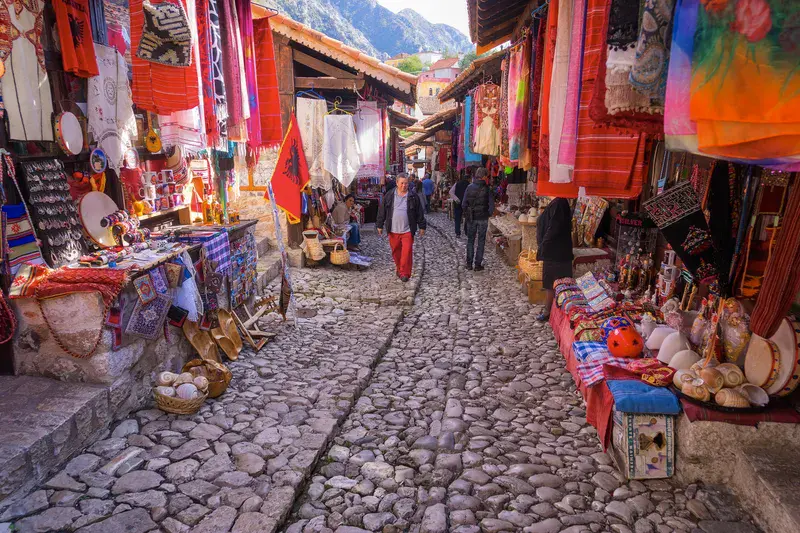
2. Albania - Europe's Most Undervalued Destination
Monthly Budget: $1,200-1,600
Social Security Status: ✅ Full payments accepted
American Expat Population: <500 (true pioneer territory)
Healthcare Quality: Adequate, rapidly improving
Albania offers one of the most affordable retirement options globally, with living costs around $1,600 monthly for individual retirees. But the real story is what you get for that budget: Mediterranean climate, stunning coastline, rich history, and some of the friendliest people in Europe.
Real Cost Breakdown (Tirana/Durrës):
- Housing: $400 (spacious apartment near city center)
- Healthcare: $80 (private insurance plus occasional private consultations)
- Food: $250 (amazing fresh seafood and produce)
- Transportation: $30 (local transport plus occasional intercity buses)
- Utilities: $80 (electricity, water, internet)
- Entertainment: $200 (museums, restaurants, weekend trips)
- Miscellaneous: $120
Total: $1,160/month
Visa Strategy: Albania offers a one-year residence permit for retirees showing proof of pension income. The requirement is approximately €400 monthly, well within Social Security range.
Hidden Advantages:
- Incredible value for money—your dollar goes further here than almost anywhere in Europe
- Stunning Adriatic and Ionian coastlines without the crowds
- Rich cultural history with UNESCO World Heritage sites
- Growing expat community means you'll be part of building something new

3. North Macedonia - The Crossroads Advantage
Monthly Budget: $1,300-1,700
Social Security Status: ✅ Full payments accepted
American Expat Population: <300 (ultimate pioneer destination)
Healthcare Quality: Good, especially in Skopje
North Macedonia represents one of Europe's most overlooked retirement destinations. This landlocked nation offers a unique blend of Ottoman, Byzantine, and modern influences, excellent food, and costs that will shock Americans used to U.S. prices.
Real Cost Breakdown (Skopje/Ohrid):
- Housing: $450 (modern apartment in excellent location)
- Healthcare: $90 (comprehensive private coverage)
- Food: $280 (incredible Balkan cuisine)
- Transportation: $25 (excellent public transport)
- Utilities: $90 (all essential services)
- Entertainment: $220 (cultural activities, Lake Ohrid trips)
- Miscellaneous: $135
Total: $1,290/month
Visa Strategy: The temporary residence permit for pensioners requires proof of approximately €400 monthly income and health insurance coverage.
🏰 Eastern Europe: The Sophistication Sweet Spot
4. Slovakia - Central Europe Without the Crowds
Monthly Budget: $1,600-2,100
Social Security Status: ✅ Full payments accepted
American Expat Population: <2,000 (mostly in Bratislava)
Healthcare Quality: Excellent (EU standards)
Slovakia offers everything you love about Central Europe—stunning castles, rich culture, excellent beer—without the tourist crowds and inflated prices of Prague or Vienna. Plus, as an EU member, you get access to excellent healthcare and infrastructure.
Real Cost Breakdown (Košice/Nitra):
- Housing: $550 (beautiful apartment in historic center)
- Healthcare: $140 (EU-standard private insurance)
- Food: $350 (hearty Central European cuisine)
- Transportation: $45 (comprehensive public transport)
- Utilities: $120 (including heating in winter)
- Entertainment: $280 (castles, concerts, cultural events)
- Miscellaneous: $165
Total: $1,650/month
Visa Strategy: As an EU country, Slovakia offers long-term residence permits for third-country nationals with passive income. The income requirement is approximately €750 monthly.
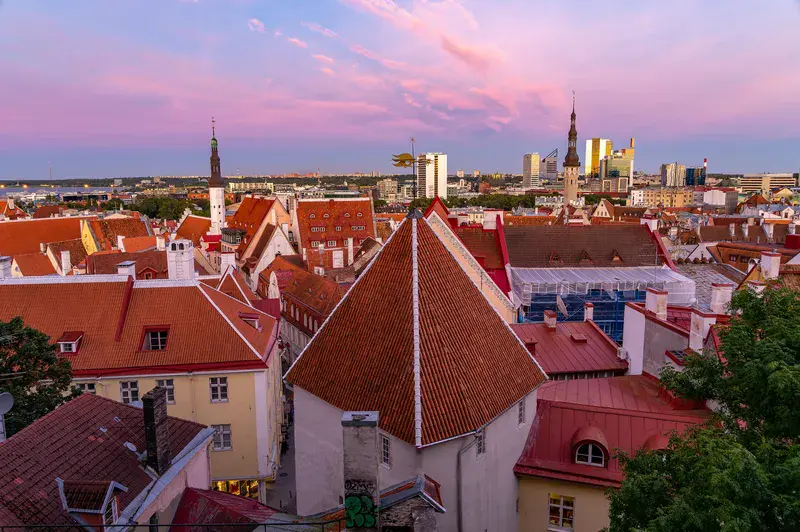
5. Estonia - Digital Innovation Meets Medieval Charm
Monthly Budget: $1,700-2,200
Social Security Status: ✅ Full payments accepted
American Expat Population: <1,500 (concentrated in Tallinn)
Healthcare Quality: Excellent (among the best in Europe)
Estonia represents the perfect blend of medieval history and digital innovation. This Baltic nation offers excellent healthcare, stunning architecture, and a tech-savvy culture that makes everything from banking to government services incredibly efficient.
Real Cost Breakdown (Tartu/Pärnu):
- Housing: $650 (modern apartment with excellent amenities)
- Healthcare: $150 (comprehensive EU-standard coverage)
- Food: $380 (Nordic cuisine with excellent fresh ingredients)
- Transportation: $40 (efficient public transport system)
- Utilities: $140 (including winter heating)
- Entertainment: $300 (concerts, museums, festivals)
- Miscellaneous: $170
Total: $1,830/month
Visa Strategy: Estonia's long-term residence permit for pensioners requires proof of approximately €624 monthly income and health insurance.
🏯 Asia: The Exotic Advantage
6. Georgia - The Caucasus Hidden Gem
Monthly Budget: $1,200-1,800
Social Security Status: ✅ Full payments accepted
American Expat Population: <3,000 (growing but still small)
Healthcare Quality: Good, especially in Tbilisi
Georgia offers an incredible combination of ancient culture, stunning landscapes, famous hospitality, and rock-bottom costs. The food alone is worth the move—Georgian cuisine is having a moment internationally, but you can enjoy it daily for pennies.
Real Cost Breakdown (Tbilisi/Batumi):
- Housing: $400 (spacious apartment in excellent location)
- Healthcare: $70 (private insurance covering most needs)
- Food: $200 (incredible Georgian cuisine daily)
- Transportation: $20 (cheap public transport and taxis)
- Utilities: $60 (electricity, water, internet)
- Entertainment: $180 (cultural activities, wine country trips)
- Miscellaneous: $100
Total: $1,030/month
Visa Strategy: Georgia offers a "Small Status" residence permit for individuals with passive income. The requirement is approximately $800 monthly income.
Hidden Advantages:
- Incredible wine culture—Georgia invented wine 8,000 years ago
- Stunning mountain and Black Sea coastline options
- English is increasingly common, especially among younger people
- Extremely welcoming culture with famous hospitality traditions
Ready to Rewire your Life?
Sign up to receive updates and insights.
By submitting your email address, you will receive a free subscription to RA Postcards and special offers from Rewire Abroad and our affiliates. You can unsubscribe at any time, and we encourage you to read more about our Privacy Policy.
7. Armenia - The Ancient Civilization Deal
Monthly Budget: $1,100-1,500
Social Security Status: ✅ Full payments accepted
American Expat Population: <1,000 (Armenian-Americans visiting family, very few retirees)
Healthcare Quality: Adequate, improving
Armenia offers one of the world's most ancient civilizations, stunning mountain landscapes, and incredibly low costs. While it's not for everyone due to ongoing regional tensions, it offers an authentic, affordable experience for adventurous retirees.
Real Cost Breakdown (Yerevan):
- Housing: $350 (comfortable apartment in city center)
- Healthcare: $60 (basic private insurance)
- Food: $180 (excellent Armenian cuisine)
- Transportation: $15 (very cheap public transport)
- Utilities: $50 (basic services)
- Entertainment: $150 (museums, cultural sites)
- Miscellaneous: $90
Total: $895/month
Visa Strategy: Armenia offers residence permits for pension recipients with proof of approximately $300 monthly income.
🌮 South America: The Cultural Immersion Option
8. Uruguay - South America's Switzerland
Monthly Budget: $1,800-2,300
Social Security Status: ✅ Full payments accepted
American Expat Population: <5,000 (mostly in Montevideo)
Healthcare Quality: Excellent (best in South America)
Uruguay offers political stability, excellent healthcare, beautiful beaches, and a European feel in South America. It's more expensive than other South American options but delivers exceptional quality of life.
Real Cost Breakdown (Montevideo/Punta del Este):
- Housing: $700 (nice apartment with good amenities)
- Healthcare: $180 (excellent private insurance)
- Food: $400 (great beef and fresh produce)
- Transportation: $60 (public transport and occasional taxis)
- Utilities: $120 (electricity, water, internet)
- Entertainment: $320 (cultural activities, beach trips)
- Miscellaneous: $180
Total: $1,960/month
Visa Strategy: Uruguay offers a retirement visa for individuals with proof of pension income of approximately $1,500 monthly.
9. Paraguay - The Tax Haven Advantage
Monthly Budget: $1,300-1,800
Social Security Status: ✅ Full payments accepted
American Expat Population: <2,000 (growing German/Italian communities)
Healthcare Quality: Good in Asunción, adequate elsewhere
Paraguay offers one of the world's most favorable tax systems for foreigners, low costs, and easy residency requirements. It's not the most exciting destination, but it's incredibly practical for maximizing your Social Security purchasing power.
Real Cost Breakdown (Asunción):
- Housing: $450 (comfortable apartment)
- Healthcare: $100 (private insurance)
- Food: $250 (hearty South American cuisine)
- Transportation: $40 (buses and occasional taxis)
- Utilities: $80 (electricity, water, internet)
- Entertainment: $200 (limited but affordable options)
- Miscellaneous: $130
Total: $1,250/month
Visa Strategy: Paraguay offers permanent residency with proof of approximately $1,200 monthly income—perfect for Social Security recipients.
🌍 Africa: The Adventure Option
10. Morocco - The Exotic Nearby
Monthly Budget: $1,400-1,900
Social Security Status: ✅ Full payments accepted
American Expat Population: <3,000 (mostly in Marrakech/Rabat)
Healthcare Quality: Good in major cities
Morocco offers an exotic experience that's surprisingly accessible and affordable. The blend of Arab, Berber, and French influences creates a unique culture, and the food scene is incredible.
Real Cost Breakdown (Rabat/Fez):
- Housing: $500 (traditional riad or modern apartment)
- Healthcare: $100 (private insurance plus occasional consultations)
- Food: $250 (amazing Moroccan cuisine)
- Transportation: $30 (cheap local transport)
- Utilities: $70 (electricity, water, internet)
- Entertainment: $220 (cultural sites, hammams, travel)
- Miscellaneous: $130
Total: $1,300/month
Visa Strategy: Morocco offers a residence card for retirees with proof of pension income of approximately $1,000 monthly.
Unique Situations: The Specialist Choices
11. Mauritius - The Island Paradise Deal
Monthly Budget: $1,900-2,400
Social Security Status: ✅ Full payments accepted
American Expat Population: <500 (mostly wealthy retirees)
Healthcare Quality: Very good
Mauritius offers a tropical island lifestyle with excellent infrastructure, no restrictions on foreign property ownership, and a unique multicultural society. It's pricier than other options but delivers a premium island experience.
Real Cost Breakdown:
- Housing: $800 (apartment near coast)
- Healthcare: $150 (comprehensive private coverage)
- Food: $350 (mix of Indian, French, and Creole cuisine)
- Transportation: $80 (car rental or taxi usage)
- Utilities: $120 (electricity, water, internet)
- Entertainment: $300 (water sports, cultural activities)
- Miscellaneous: $180
Total: $1,980/month
Visa Strategy: Mauritius offers a residence permit for retirees with proof of $1,500 monthly income.
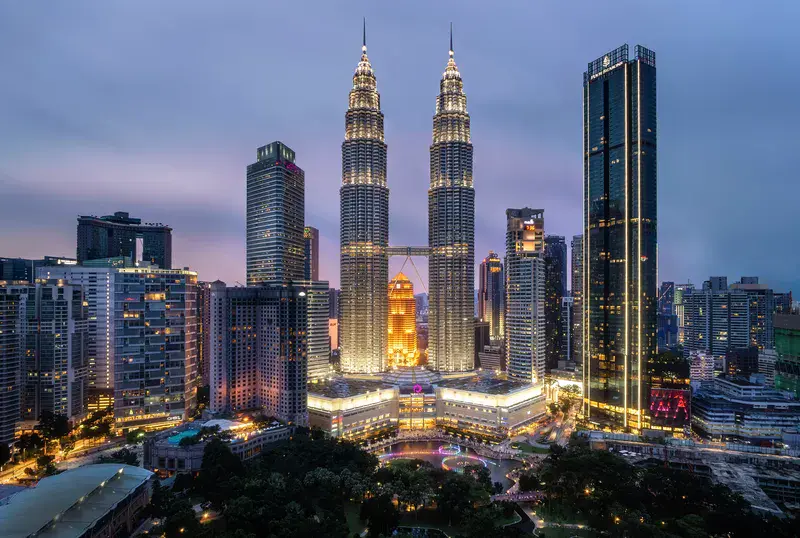
12. Malaysia - The Asian Retirement Hub
Monthly Budget: $1,500-2,000
Social Security Status: ✅ Full payments accepted
American Expat Population: <8,000 (established but not overwhelming)
Healthcare Quality: Excellent (medical tourism destination)
Malaysia's MM2H (Malaysia My Second Home) program is specifically designed for foreign retirees. The country offers excellent healthcare, diverse culture, and infrastructure that rivals developed nations.
Real Cost Breakdown (Penang/Kuala Lumpur suburbs):
- Housing: $600 (modern apartment with amenities)
- Healthcare: $120 (excellent private insurance)
- Food: $250 (incredible Asian cuisine variety)
- Transportation: $50 (efficient public transport)
- Utilities: $90 (electricity, water, internet)
- Entertainment: $250 (cultural activities, regional travel)
- Miscellaneous: $140
Total: $1,500/month
Visa Strategy: The MM2H program requires proof of approximately $2,400 monthly income, but offers a 10-year renewable visa.
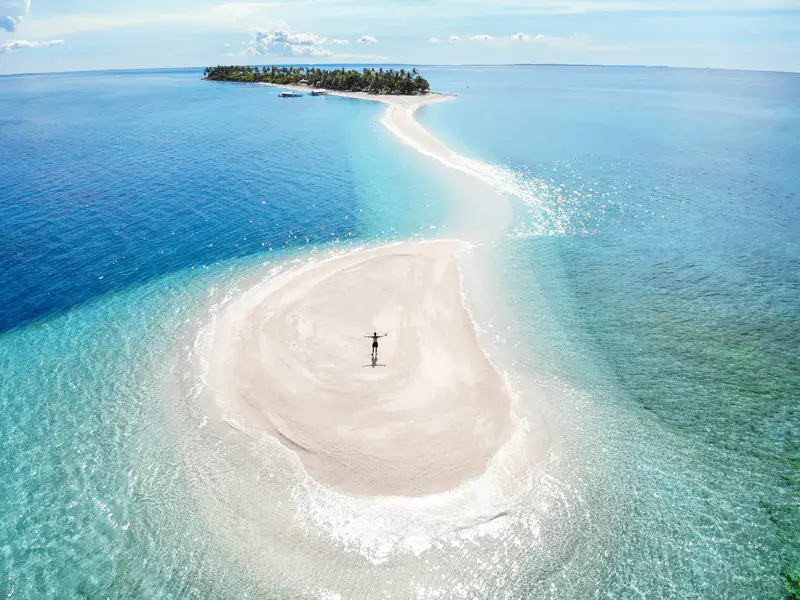
13. Philippines - The English-Speaking Tropical Option
Monthly Budget: $1,300-1,800
Social Security Status: ✅ Full payments accepted
American Expat Population: <15,000 (established but diverse across many islands)
Healthcare Quality: Good in major cities, adequate elsewhere
The Philippines offers tropical living with English as an official language, making it incredibly accessible for American retirees. The cost of living is excellent, and the healthcare system is surprisingly good in major cities.
Real Cost Breakdown (Dumaguete/Iloilo):
- Housing: $450 (comfortable apartment or small house)
- Healthcare: $80 (private insurance plus occasional treatments)
- Food: $200 (excellent Filipino cuisine plus international options)
- Transportation: $40 (jeepneys, tricycles, occasional flights between islands)
- Utilities: $70 (electricity, water, internet)
- Entertainment: $220 (beaches, cultural activities, island hopping)
- Miscellaneous: $120
Total: $1,180/month
Visa Strategy: The Philippines offers the SRRV (Special Resident Retiree's Visa) for individuals 50+ with proof of pension income.
🌟 The Hidden Country Advantage: Why These Places Beat the Popular Ones
The difference becomes obvious once you compare the overhyped expat hubs to the lesser-known alternatives. It’s not just about stretching your budget further—though that certainly helps. It’s about the lifestyle upgrade that comes from living in places where you’re welcomed as a curious newcomer, not treated as just another foreign retiree driving up prices.
In these under-the-radar countries, you're more likely to form real connections with locals, enjoy a slower pace of life, and avoid the cultural echo chambers that form when too many expats cluster together. Instead of recreating the U.S. abroad, you actually get to experience something different—something richer.
These hidden gems offer the financial perks, yes—but also the human ones: authenticity, community, and a sense that you’re not just tolerated, but appreciated.
The Pioneer Advantage
When you're among the first Americans to choose a destination, several things happen:
Authentic Cultural Integration: Instead of joining an existing American expat bubble, you become part of the local community. My friends in Montenegro include everyone from my neighbor who teaches me Serbian to the local baker who saves me the best bread each morning.
Economic Advantages: You're not competing with other expats for housing, which keeps prices reasonable. In Montenegro, I secured a long-term lease on a beautiful apartment because the owner was excited to have an American tenant who spoke some local language and respected local customs.
Unique Experiences: You'll have stories and experiences that no one else has. When I tell people I live in Montenegro, the conversation immediately becomes interesting because they want to learn about this place they've never considered.
The Infrastructure Sweet Spot
Most of these countries have reached what I call the "infrastructure sweet spot"—modern amenities and reliable services without the premium pricing that comes with fully developed markets.
Examples:
- Estonia: World-class digital infrastructure (free WiFi everywhere, digital government services) at developing country prices
- Georgia: Excellent internet, modern banking, and efficient services at costs 70% lower than Western Europe
- Montenegro: EU-standard infrastructure as they prepare for membership, but current prices reflect their developing economy status
The Cultural Richness Factor
Popular expat destinations often suffer from cultural dilution—when too many foreigners move somewhere, it starts to lose its authentic character. These hidden gems offer deep cultural experiences because you're experiencing the real country, not an expat-modified version.
Cultural Depth Examples:
- Armenia: Experience one of the world's oldest civilizations with 8,000 years of history
- North Macedonia: Ottoman, Byzantine, and Slavic influences create a unique cultural blend
- Morocco: Authentic Berber, Arab, and French influences without the tourist circus
📈 Maximizing Your Social Security Advantage: Tools and Strategies
Before choosing your destination, you need to quantify exactly how much advantage you'll gain and plan your transition strategically. Here's how to use the tools at your disposal to make the smartest decision.
Step 1: Calculate Your Exact Savings Potential
The RewireAbroad Geo-Arbitrage Savings Calculator is your starting point. Input your current Social Security amount and location, then compare it to your potential destinations.
Real Example:
- Current Situation: Phoenix, Arizona with $1,850 Social Security
- Housing: $1,100 (shared apartment)
- Healthcare: $400 (Medicare + supplements)
- Food: $350
- Transportation: $200 (car payment, insurance, gas)
- Utilities: $150
- Entertainment: $50 (very limited)
- Total: $2,250/month (meaning I'd need an additional $400 monthly to break even)
- Montenegro Scenario: Same $1,850 Social Security
- Housing: $600 (2-bedroom apartment)
- Healthcare: $120 (comprehensive private insurance)
- Food: $300
- Transportation: $40 (public transport)
- Utilities: $100
- Entertainment: $250
- Total: $1,410/month (leaving $440 monthly surplus)
Net Advantage: $840/month improvement ($400 saved from not needing additional income + $440 surplus = $840 total monthly advantage)
Step 2: Assess Your FIRE Timeline Impact
Use the RewireAbroad FIRE Calculator to see how geographic arbitrage accelerates your financial independence timeline.
Using my Montenegro example with a $440 monthly surplus invested at 7% returns:
- 10 years: Additional $75,000 in investments
- 15 years: Additional $175,000 in investments
- 20 years: Additional $325,000 in investments
Even if you're already retired, this surplus can significantly improve your financial security or fund major healthcare expenses.
Step 3: Combat Procrastination with Reality Checks
The RewireAbroad FIRE Procrastination Calculator shows you exactly what delaying your move costs you financially.
Procrastination Cost Example: If you delay moving to Montenegro by 2 years, you'll lose:
- $20,160 in direct savings ($840/month × 24 months)
- $3,200 in potential investment returns (assuming 7% annual return)
- Total Cost of Procrastination: $23,360
This isn't motivational fluff—it's cold, hard math showing why "someday" is expensive.
Step 4: Find Your Perfect Match
The RewireAbroad Country Search tool lets you filter countries by your specific criteria:
Filter Options:
- Monthly budget range
- Climate preferences
- Healthcare quality requirements
- Visa complexity tolerance
- Language requirements
- Cultural activities important to you
This helps you avoid spending months researching countries that won't actually work for your situation.
Step 5: Plan Your Visa Strategy
Use the RewireAbroad Visa Pathways tool to understand exactly what documentation and requirements you'll need for your chosen destination.
Common Requirements for Social Security Recipients:
- Proof of pension income (Social Security statement)
- Health insurance coverage
- Clean criminal background check
- Proof of accommodation
- Bank statements showing financial stability
The tool provides country-specific checklists and timelines so you can plan your transition systematically.
📄 The Visa Reality Check: What Actually Works for Social Security Recipients
Let's be honest about visa requirements—this is where many retirement dreams crash into bureaucratic reality. After helping dozens of Social Security recipients navigate visa applications, here are the strategies that actually work.
The Three Visa Categories That Work for Social Security Recipients
Category 1: Passive Income/Pension Visas These are specifically designed for retirees with regular income sources. Countries offering these include:
- Montenegro (Temporary Residence)
- Albania (Retirement Permit)
- Georgia (Small Status)
- Paraguay (Permanent Residency)
Income Requirements: Usually $500-1,500 monthly, easily met by most Social Security recipients.
Category 2: Long-term Tourist Visas Some countries allow extended stays without formal residency:
- Philippines (Extended Tourist Visa)
- Morocco (Renewable Tourist Visa)
Category 3: Investment/Property Visas If you have some capital beyond Social Security:
- North Macedonia (Real Estate Investment)
- Mauritius (Property Investment)
The Documentation Game Plan
Essential Documents (get these first):
- Social Security Benefits Letter - Request from SSA showing your monthly benefit amount
- FBI Background Check - Required by most countries, takes 6-8 weeks
- Apostilled Birth Certificate - Certified for international use
- Medical Certificate - Usually required to be recent (within 3 months)
- Bank Statements - Showing 6-12 months of Social Security deposits
Pro Tips:
- Start the FBI background check process immediately—it's the biggest time bottleneck
- Get multiple apostilled copies of key documents
- Consider using a visa service for complex applications
Timeline Expectations
Realistic Visa Processing Times:
- Fast Track Countries: Montenegro, Albania, Paraguay (2-4 months)
- Standard Processing: Most others (4-8 months)
- Complex Cases: EU countries like Estonia or Slovakia (6-12 months)
Planning Timeline:
- 12 months before desired move: Start document collection
- 9 months before: Submit visa applications
- 6 months before: Finalize housing and healthcare arrangements
- 3 months before: Handle final logistics (banking, mail forwarding, etc.)
🏥 Healthcare Realities: What Your Social Security Actually Buys You
Let's talk about healthcare—because this is where geographic arbitrage can truly transform your retirement. In many of these hidden countries, your Social Security check can buy you healthcare that's not just affordable, but actually superior to what you'd get in the U.S.
The Healthcare Advantage Breakdown
Montenegro Healthcare Example:
- Monthly Cost: $120 for comprehensive private insurance
- Coverage: Includes all specialists, prescription drugs, dental, vision
- Quality: Modern facilities, many doctors trained in Western Europe
- Comparison: Equivalent U.S. coverage would cost $400-600 monthly
Georgia Healthcare Example:
- Monthly Cost: $70 for private insurance
- Coverage: Full medical, dental, emergency care, prescription drugs
- Quality: Excellent in Tbilisi, with many internationally trained physicians
- Bonus: Medical tourism opportunities—procedures cost 80% less than U.S. prices
Estonia Healthcare Example:
- Monthly Cost: $150 for private insurance
- Coverage: EU-standard comprehensive healthcare
- Quality: Among the best in Europe, with digital health records and modern facilities
- Access: No waiting lists for private care, immediate specialist appointments
The Medical Tourism Bonus
Many of these countries offer world-class medical procedures at fraction of U.S. costs:
Real Price Comparisons:
- Hip Replacement: $45,000 in U.S. vs. $8,000 in Estonia
- Dental Implants: $4,000 in U.S. vs. $800 in Albania
- Cataract Surgery: $3,500 in U.S. vs. $600 in Montenegro
- Annual Health Checkup: $800 in U.S. vs. $150 in Georgia
The Strategic Advantage: Even if you need major medical work, the money you save living abroad can fund procedures that would bankrupt you in the U.S.
Prescription Drug Reality
Prescription Costs in Hidden Countries:
- Montenegro: Most common medications cost 60-80% less than U.S. prices
- Albania: Generic medications widely available at extremely low costs
- Georgia: Many medications available over-the-counter that require prescriptions in the U.S.
- Estonia: EU-regulated medications at European prices (much lower than U.S.)
Example: A friend's diabetes medication costs $340/month in the U.S. with insurance. The same medication costs $45/month in Montenegro, no insurance needed.
💳 Banking and Money Management: The Practical Side
Getting your Social Security payments abroad and managing your finances efficiently requires some planning, but it's much easier than you might think.
Social Security Direct Deposit Options
Tier 1: Countries with Direct Deposit to Local Banks
- Estonia, Slovakia (EU banking systems)
- Philippines, Malaysia (established expat banking)
- Uruguay (modern banking infrastructure)
Tier 2: Countries Requiring U.S. Bank Transfer
- Montenegro, Albania, North Macedonia
- Georgia, Armenia
- Morocco, Mauritius
How It Works:
- Keep your U.S. bank account open
- Social Security deposits to your U.S. account
- Transfer funds monthly to your local account
- Use international ATM cards for daily access
The Multi-Account Strategy
Recommended Setup:
- U.S. Bank Account: Receives Social Security, pays U.S. obligations
- International Transfer Service: Wise, Remitly, or bank wire transfers
- Local Bank Account: Daily expenses, local bill payments
- International Brokerage: For continued investing (Schwab International, etc.)
Monthly Transfer Routine:
- Transfer 80% of Social Security to local account for living expenses
- Keep 20% in U.S. account for emergencies, U.S. expenses, investments
Currency Risk Management
The Smart Approach:
- Don't try to time currency markets
- Transfer consistently regardless of exchange rates
- Keep 3-6 months of expenses in local currency
- Consider the long-term trend rather than daily fluctuations
Real Example: The Euro has fluctuated ±15% against the dollar over the past decade. But your cost of living advantage in a place like Estonia is 50-60%, so currency fluctuations don't eliminate your advantage—they just make it slightly more or less dramatic.
💸 Tax Implications: The Good News You Haven't Heard
Here's where choosing the right hidden country can save you thousands annually beyond just cost of living advantages.
Social Security Tax Treaties
Countries with Favorable Tax Treatment:
- Montenegro: Social Security benefits exempt from local taxes
- Estonia: Double taxation treaty prevents double taxation
- Slovakia: EU tax treaty benefits
- Uruguay: Territorial tax system—foreign pensions often exempt
The Big Picture: Many of these countries either don't tax your Social Security benefits or have treaties preventing double taxation. This means you keep more of your income compared to staying in the U.S.
State Tax Considerations
Before You Move: Consider establishing residency in a no-tax state before going abroad:
- No State Income Tax: Florida, Texas, Nevada, Tennessee, Washington, Wyoming, South Dakota, Alaska, New Hampshire
Why This Matters: Some states try to tax former residents' income even after moving abroad. Establishing residency in a no-tax state before your international move can save you thousands annually.
The Foreign Earned Income Exclusion (Doesn't Apply to You)
Important Clarification: The Foreign Earned Income Exclusion doesn't apply to Social Security benefits—they're not "earned income." This is actually good news because it means you don't have to worry about complex tax calculations or residency requirements.
🤝 The Cultural Integration Advantage: Why Hidden Countries Are More Welcoming
After living in both popular expat destinations and hidden gems, the cultural differences are striking. In hidden countries, you're not just another American expat—you're an interesting novelty that locals are excited to meet.
The Curiosity Factor
Real Experiences:
- Montenegro: Locals stop me to practice English and ask about America
- Albania: Restaurant owners insist on explaining traditional dishes
- Georgia: Neighbors invite me to family celebrations and traditional feasts
- Armenia: People are fascinated that an American chose their country
Compare This to Popular Destinations:
- Portugal: Locals tired of explaining the same things to waves of American expats
- Mexico: Service providers who've learned to charge "gringo prices"
- Costa Rica: Expat communities so large they've created American bubbles
The Learning Curve Advantage
Hidden Country Benefits:
- You're motivated to learn the local language because fewer people speak English
- You develop genuine local friendships rather than just expat connections
- You understand the culture deeply rather than living in an expat bubble
- You become part of the community rather than just consuming it
Personal Growth: Living in a hidden country forces you to be more adaptable, creative, and open-minded. These skills make retirement more interesting and fulfilling.
The Local Economy Impact
Positive Cycle: When you're one of the first Americans in an area, your presence helps the local economy without driving up prices for locals. You become a valued community member rather than part of a gentrification problem.
Examples:
- My favorite restaurant in Montenegro now offers an English menu because I helped translate it
- The local bank in Albania learned to handle international wire transfers partly because of my business
- My Georgian language teacher now has a small English tutoring business
❓ Common Concerns and Realistic Solutions
Let me address the biggest concerns I hear from potential expats considering these hidden destinations:
"What if I get sick and need serious medical care?"
Reality Check: Many of these countries have excellent healthcare, and you're often closer to world-class medical care than you think.
Solutions:
- Medical Tourism: Plan major procedures in nearby countries with world-class facilities
- Emergency Evacuation Insurance: Covers transport to top-tier medical facilities
- Dual Residence: Maintain U.S. healthcare access for major issues
Example: From Montenegro, I'm 2 hours from excellent Italian healthcare, 1 hour from Croatian medical facilities, and 3 hours from Vienna's world-renowned hospitals.
"What if the political situation changes?"
Diversification Strategy:
- Choose stable countries: Focus on EU candidates (Montenegro, Albania, North Macedonia) or established democracies
- Keep options open: Maintain U.S. ties and have exit strategies
- Multiple residencies: Consider getting residency in 2-3 countries over time
Historical Perspective: Most of these countries are more politically stable now than they've been in decades. Many are actively working toward EU membership or have strong democratic institutions.
"What about staying connected to family?"
Modern Solutions:
- Technology: Video calls, messaging apps, social media make daily communication easy
- Travel: Lower living costs mean more budget for family visits
- Visits: Your interesting new location becomes a family vacation destination
Time Zone Advantages: Many of these countries are only 6-9 hours ahead of U.S. time zones, making regular communication manageable.
"What if I don't like it?"
The Beauty of Social Security Abroad: You can always move back or try a different country. Your Social Security benefits follow you anywhere.
Smart Approach:
- Start with temporary residency: Most countries offer renewable temporary permits
- Rent, don't buy: Keep housing flexible for the first 2-3 years
- Maintain U.S. ties: Keep your U.S. bank account, mailing address, and healthcare connections
📅 Your 90-Day Action Plan: From Decision to Departure
If you're ready to transform your Social Security check into a premium retirement lifestyle, here's your step-by-step action plan:
Days 1-30: Research and Decision Phase
Week 1-2: Narrow Your Options
- Use the RewireAbroad Country Search tool to filter by your priorities
- Calculate exact savings using the Geo-Arbitrage Calculator
- Research visa requirements using Visa Pathways
Week 3-4: Deep Dive Research
- Join Facebook groups for expats in your top 3 countries
- Connect with current American expats via social media
- Research housing options using local real estate websites
- Investigate healthcare options and insurance requirements
Days 31-60: Documentation and Application Phase
Week 5-6: Gather Documents
- Request Social Security benefits letter
- Apply for FBI background check (start immediately—takes 6-8 weeks)
- Get birth certificate apostilled
- Obtain medical certificate
- Gather 6 months of bank statements
Week 7-8: Visa Applications
- Submit visa applications for your chosen country
- Arrange health insurance if required
- Set up initial banking relationships if possible
Days 61-90: Preparation and Planning Phase
Week 9-10: Logistics
- Research housing options in detail
- Plan initial accommodation for first month
- Investigate healthcare providers and insurance
- Research banking options and international transfer services
Week 11-12: Final Preparations
- Book flights and initial accommodation
- Notify Social Security Administration of address change
- Set up mail forwarding
- Arrange international phone service
- Plan first month's activities and cultural integration
The First Month Abroad: Integration Strategy
Week 1: Settling In
- Open local bank account
- Register with local authorities if required
- Find grocery stores, pharmacy, basic services
- Locate healthcare providers
Week 2: Community Connection
- Join local expat groups
- Find language exchange partners
- Explore cultural activities
- Establish daily routines
Week 3: Administrative Tasks
- Set up utilities if needed
- Register for local services
- Establish healthcare relationships
- Fine-tune budget based on actual costs
Week 4: Evaluation and Adjustment
- Assess your initial impressions
- Adjust budget based on real costs
- Plan longer-term housing if satisfied
- Begin building local friendships
💎 The Long-Term Wealth Building Strategy
Moving abroad with Social Security isn't just about reducing expenses—it's about creating a sustainable wealth-building strategy that can transform your financial future.
The Compound Advantage
Year 1-2: Stabilization
- Focus on reducing living costs to 60-70% of Social Security income
- Build emergency fund in local currency
- Establish healthcare and support systems
Year 3-5: Optimization
- Fine-tune budget to maximize savings
- Invest surplus in diversified portfolio
- Consider real estate investment in chosen country
- Build multiple income streams if desired
Year 6-10: Wealth Building
- Compound investment returns from cost savings
- Consider second property or rental income
- Explore business opportunities in local market
- Build legacy wealth for family
The Real Numbers
Conservative Scenario: $400/month surplus invested at 7% annual return
- 5 years: $28,000 additional wealth
- 10 years: $69,000 additional wealth
- 15 years: $133,000 additional wealth
Aggressive Scenario: $800/month surplus invested at 7% annual return
- 5 years: $57,000 additional wealth
- 10 years: $138,000 additional wealth
- 15 years: $266,000 additional wealth
The Power of Geographic Arbitrage: This additional wealth comes not from earning more, but from spending less while living better.

🎯 Final Thoughts: Your Social Security Liberation Plan
Your Social Security check doesn't have to sentence you to a marginal retirement. In the right international location, that same monthly payment can fund a lifestyle that would be impossible in the United States—and you'll likely be healthier, happier, and more financially secure.
The countries I've outlined aren't just affordable—they're places where your Social Security dollars can create genuine wealth while you experience cultures, foods, and adventures that most Americans never consider. You won't be following the crowd to overcrowded expat enclaves. Instead, you'll be pioneering new retirement destinations where your presence is valued and your dollars work harder.
The Three-Level Advantage
Level 1: Immediate Cost Savings Your monthly expenses drop by 40-60% while your lifestyle improves dramatically.
Level 2: Long-Term Wealth Building The money you save gets invested, creating compound returns that transform your financial future.
Level 3: Life Enhancement You become part of an international community, learn new languages, experience different cultures, and build a retirement that's genuinely interesting rather than just affordable.
Your Next Steps
Don't let this be another article you read and forget. The RewireAbroad FIRE Procrastination Calculator will show you exactly what delaying costs you. Every month you wait is money left on the table and experiences you'll never have.
Start Today:
- Use the Country Search tool to identify your top 3 destinations
- Calculate your exact advantage with the Geo-Arbitrage Calculator
- Check visa requirements using Visa Pathways
- Join the RewireAbroad newsletter for updates on these hidden destinations
Remember: Your Social Security check is the same whether you spend it struggling in an expensive U.S. city or living comfortably in a beautiful international destination. The only difference is your decision to take action.
The world is waiting. Your Social Security check is ready. The only question is: which amazing destination will you choose first?
Ready to transform your Social Security check into international wealth? Use the RewireAbroad Country Directory to explore specific details about each destination, including current visa requirements, healthcare options, and expat communities. Your premium retirement lifestyle is just a decision away.