Retire in Japan: Navigating Asia's Most Complex but Rewarding Destination
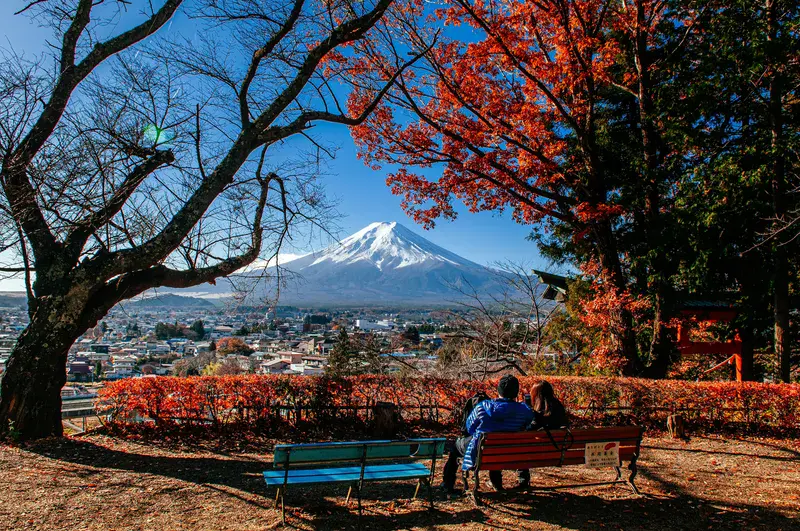
Karen's Saturday morning ritual never gets old. From her apartment balcony in Kyoto, she watches the sunrise paint Mount Fuji's distant silhouette while the temple bells announce the day. At 68, this former Microsoft executive has spent three years perfecting her Japanese retirement routine: morning meditation in the bamboo garden below, afternoon Japanese lessons with her 85-year-old neighbor Tanaka-san, and evening dinners that cost less than a single meal back in Seattle. What started as a "crazy retirement dream" has become her reality—and she's saving $2,000 monthly while living better than she ever did in the Pacific Northwest.
If you've been considering whether to retire abroad in Japan, you're thinking bigger than most retirees. While countries like Portugal and Mexico dominate the typical "best places to retire" lists, Japan offers something entirely different: a sophisticated, developed nation where your retirement can unfold with world-class healthcare, exceptional safety, rich cultural experiences, and surprisingly reasonable costs—if you know how to navigate its complexities.
In this comprehensive guide, you'll discover exactly how to make Japan work for your retirement, from the visa strategies that actually succeed to the regional choices that determine your cost of living, cultural experience, and quality of life. Most importantly, you'll learn why Japan might be the most rewarding retirement destination you never considered.
Japan at a Glance
Why Japan Is Perfect for Retirement
Japan stands apart from other retirement destinations in ways that matter deeply for retirees seeking more than just cheap living. Japan is one of the second-most common places in the world for US citizens to retire, and the reasons extend far beyond cherry blossoms and sushi.
World-Class Healthcare at Retirement-Friendly Costs
Japan's healthcare system ranks among the world's best, with universal coverage that extends to foreign residents. Citizens pay 30 percent coinsurance for most services, and some copayments. Young children and low-income older adults have lower coinsurance rates. For retirees, this means predictable healthcare costs with excellent outcomes—a critical consideration as you age.
The healthcare infrastructure surpasses most countries, including the United States. Regular health screenings are standard, preventive care is emphasized, and the Japanese approach to aging focuses on maintaining active, healthy lifestyles well into the 80s and beyond.
Safety and Infrastructure Excellence
Japan offers retirees unparalleled safety and infrastructure quality. Crime rates are exceptionally low, public transportation is punctual and efficient, and the general cleanliness and organization of daily life creates a stress-free environment perfect for retirement. Walking at any hour feels safe, public spaces are immaculate, and systems simply work as designed.
Cultural Depth and Intellectual Stimulation
For retirees seeking intellectual and cultural engagement, Japan provides unlimited opportunities. From traditional arts and crafts to modern technology innovations, seasonal festivals to philosophical traditions, Japan offers the kind of lifelong learning and cultural immersion that keeps retirement vibrant and meaningful.
Strategic Geographic Position
Japan's location makes it an ideal base for exploring Asia during retirement. Weekend trips to South Korea, longer excursions to Southeast Asia, and easy access to China and Taiwan expand your retirement horizons exponentially compared to staying in North America or Europe.
Regional Deep-Dive: Exploring Japan's Retirement Zones
Japan's regional diversity offers dramatically different retirement experiences, each with distinct advantages for different retirement priorities and budgets.
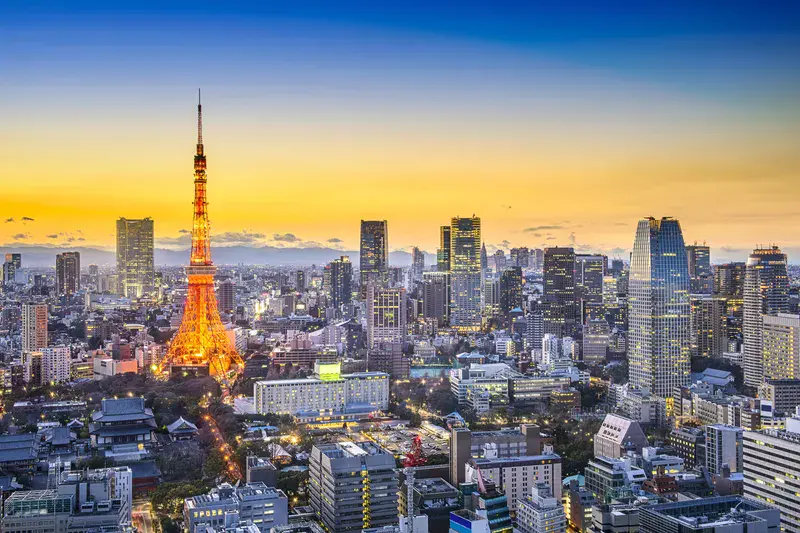
Tokyo Metropolitan Area: Urban Convenience & Cultural Immersion
Tokyo and its surrounding prefectures (Kanagawa, Saitama, Chiba) offer the ultimate urban retirement experience. While more expensive than rural areas, the convenience, healthcare access, and cultural opportunities can justify the costs for many retirees.
Retirement Appeal: World-class medical facilities, extensive public transportation, international expat communities, museums, theaters, and restaurants representing every global cuisine. The infrastructure supports aging in place beautifully, with barrier-free design increasingly common.
Costs & Considerations: Housing ranges from ¥80,000-200,000+ monthly depending on size and location. However, the excellent public transportation system means car ownership is unnecessary, and the density of services keeps many daily costs lower than expected.
Best For: Retirees who thrive on urban energy, want easy access to international travel, prefer extensive healthcare options, and enjoy cultural activities and learning opportunities.
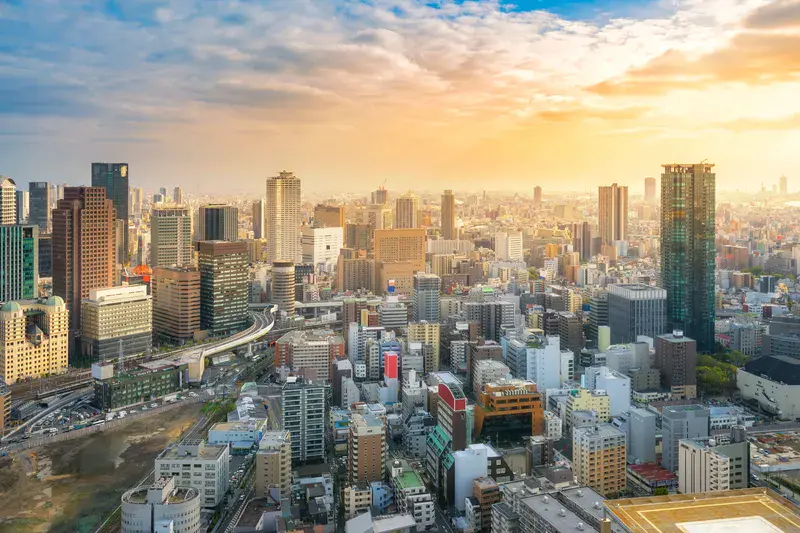
Kansai Region (Osaka, Kyoto, Nara): Cultural Heritage & Moderate Costs
The Kansai region strikes an ideal balance between cultural richness and retirement affordability. Kyoto offers traditional Japanese culture, Osaka provides urban amenities at lower costs than Tokyo, and Nara delivers small-city charm with easy access to both.
Retirement Appeal: Lower costs than Tokyo while maintaining excellent infrastructure and healthcare. Rich historical and cultural heritage, strong expat communities, and close proximity to multiple interesting cities. The climate is milder than northern Japan, and the slower pace suits many retirees perfectly.
Costs & Considerations: Housing costs 30-40% less than Tokyo, with excellent value in traditional neighborhoods. Public transportation remains excellent, and the concentration of temples, gardens, and cultural sites provides endless retirement exploration opportunities.
Best For: Culture-focused retirees, those seeking balance between urban amenities and traditional Japan, budget-conscious retirees who don't want to sacrifice convenience.
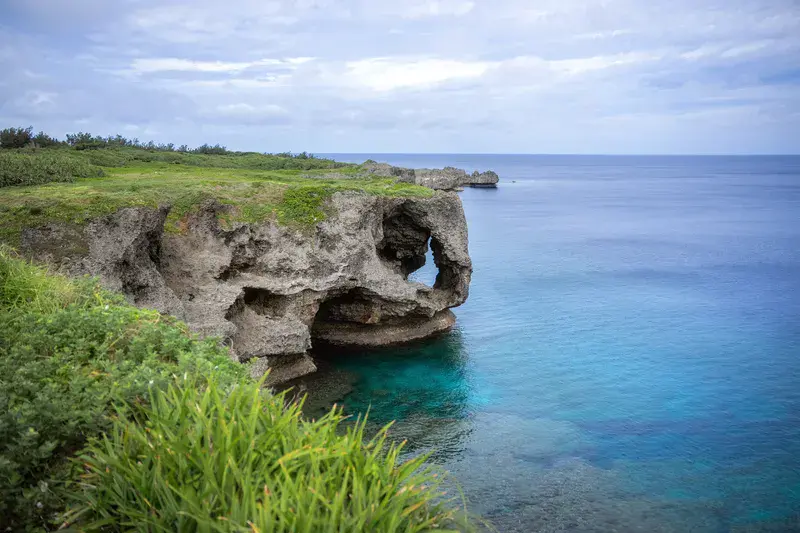
Okinawa: Tropical Paradise & Longevity Capital
Okinawa offers a completely different Japanese retirement experience—tropical climate, beach lifestyle, and one of the world's highest concentrations of centenarians. The island culture differs significantly from mainland Japan, often feeling more relaxed and internationally minded.
Retirement Appeal: Year-round warm weather, stunning beaches, outdoor lifestyle opportunities, and the famous Okinawan approach to healthy aging. The slower pace and island mentality create a stress-free retirement environment. Strong American expat presence due to military history.
Costs & Considerations: Lower housing costs but higher food and imported goods costs due to island logistics. Limited healthcare facilities compared to mainland Japan, though quality remains high. Typhoon season requires preparation.
Best For: Beach lifestyle retirees, those prioritizing climate and outdoor activities, retirees interested in longevity and healthy aging practices.
Rural Japan: Authentic Living & Maximum Savings
Rural Japan offers the deepest cultural immersion and lowest costs, though it requires the most adaptability. Areas like rural Kyushu, Shikoku, or northern Honshu provide authentic Japanese experiences with minimal foreign presence.
Retirement Appeal: Extremely low living costs, authentic cultural experiences, strong community bonds, beautiful natural settings, and the opportunity to experience "real" Japan. Houses can often be purchased for under $50,000 in some areas.
Costs & Considerations: Language skills become essential, healthcare facilities may be limited, and isolation from expat communities requires stronger independence. However, costs can drop to ¥100,000-150,000 monthly for comfortable living.
Best For: Adventurous retirees, those with Japanese language skills, budget-focused retirees willing to embrace cultural challenges, nature lovers.
Retirement Living Costs & Financial Considerations
Understanding Japan's cost structure helps you plan an effective retirement budget that aligns with your financial resources and lifestyle preferences.
Cost Breakdowns by Lifestyle Level
Retirement Aspect | Budget Retirement | Comfortable Retirement | Luxury Retirement |
|---|---|---|---|
Housing | ¥60,000/month | ¥120,000/month | ¥250,000+/month |
Food | ¥40,000/month | ¥80,000/month | ¥130,000/month |
Healthcare | ¥15,000/month | ¥25,000/month | ¥50,000/month |
Transportation | ¥8,000/month | ¥15,000/month | ¥30,000/month |
Entertainment | ¥20,000/month | ¥50,000/month | ¥100,000/month |
Total USD | $950/month | $1,950/month | $3,800/month |
Exchange rate: ¥150 = $1 USD (rates fluctuate)
Real Estate Market Analysis
Japan's real estate market offers unique opportunities for retirement, especially in rural areas where depopulation has created significant bargains. Unlike many retirement destinations where foreign investment drives up prices, Japan's aging society creates opportunities for retirees.
Urban Markets: Tokyo and Osaka remain expensive but offer excellent rental markets. Many retirees find renting more practical than buying, especially given Japan's unique property depreciation patterns.
Rural Opportunities: "Akiya" (abandoned houses) programs in rural areas offer properties for minimal costs, sometimes under ¥1,000,000 ($6,700). Local governments often provide renovation subsidies to attract residents.
Rental Advantages: Japan's rental market strongly favors long-term tenants. Once established, rent increases are rare, and tenant protections are strong. Many retirees find this provides housing security without the maintenance responsibilities of ownership.
Banking & Financial Services Navigation
Japan's banking system, while sophisticated, operates differently from Western standards. Understanding these differences prevents common frustrations for retiring expats.
Account Opening Requirements: Most banks require proof of residence in Japan and a steady income source. Some banks specifically serve international customers, including Prestia (formerly Citibank Japan) and Shinsei Bank.
Investment Restrictions: Japan has limited investment options for residents, and many international brokers restrict services to Japanese residents. Planning your investment strategy before moving is crucial for maintaining retirement income streams.
Currency Considerations: The yen's volatility can significantly impact your retirement purchasing power. Many successful retirees maintain diversified currency holdings to hedge against exchange rate fluctuations.
Retirement Visa Options & Legal Requirements
Japan has no dedicated retirement visa, unlike many countries that offer specific retirement visa programs—which means creative planning is essential for establishing legal residency for retirement purposes. The Japanese Ministry of Foreign Affairs oversees all visa applications and requirements.
Available Visa Pathways for Retirees
Investor/Business Manager Visa The most straightforward path for many retirees involves establishing a small business or making a qualifying investment. This requires ¥5,000,000 ($33,000) in investment capital and a business plan, but the business can be modest—real estate management, consulting, or import/export activities.
Spouse/Family Visa If you're married to a Japanese citizen or have Japanese ancestry, family-based visas provide the most direct path to retirement residency with fewer financial requirements.
Long-Stay Tourism Visa Some countries' citizens can obtain extended tourist visas allowing 6-month stays, though this doesn't provide the residency needed for healthcare enrollment or other retirement benefits.
Student Visa Transition An increasingly popular strategy involves enrolling in Japanese language or cultural studies programs, then transitioning to other visa categories once established in the country. The Study in Japan official website provides detailed information about educational visa requirements.
Legal Residency Requirements
Foreign retirees in Japan will need to register as residents at their local city hall and obtain a residence card (known as a "zairyu card"). This card serves as official identification and enables access to healthcare, banking, and other essential services. The Visit Japan Web service can help streamline initial arrival procedures.
The registration process requires:
- Valid passport and visa
- Proof of address in Japan
- Certificate of residence from your home country
- Health insurance enrollment (mandatory)
For detailed procedures and requirements, consult the official Immigration Services Agency website or contact your nearest Japanese consulate through the Embassy of Japan for location-specific guidance.

Healthcare for Retirees
Japan's healthcare system represents one of the world's most retiree-friendly models, combining comprehensive coverage with reasonable costs and exceptional quality.
Healthcare System Navigation
Japan's statutory health insurance system provides universal coverage, as detailed by the Ministry of Health, Labour and Welfare. It is funded primarily by taxes and individual contributions. Enrollment in either an employment-based or a residence-based health insurance plan is required.
For retirees, this means accessing healthcare that often surpasses what's available in your home country, at costs significantly lower than private healthcare in most Western nations. When comparing healthcare options globally, Japan consistently ranks among the top destinations for healthcare quality abroad versus US options.
National Health Insurance (Kokumin Kenko Hoken) This residence-based system covers retirees not enrolled in employer-based plans. Premiums are calculated based on previous year's income, making it affordable for retirees with modest fixed incomes.
Benefits Include:
- Primary care with minimal wait times
- Specialist care access
- Prescription medications at reduced costs
- Preventive care and health screenings
- Emergency and hospital care
- Mental health services
Public vs Private Options
Public Healthcare Advantages:
- Comprehensive coverage for ¥15,000-25,000 monthly
- No pre-existing condition exclusions
- Standardized quality across providers
- Integrated electronic health records
- Focus on preventive care and early intervention
Many retirees find this system preferable to Medicare versus international health insurance options, especially when factoring in total out-of-pocket costs and coverage comprehensiveness.
Private Healthcare Benefits:
- English-speaking medical staff
- Shorter wait times for non-emergency procedures
- Private hospital rooms
- Additional services like health coaching
- International medical evacuation coverage
Many retirees combine both systems—using public healthcare for routine care and maintaining private coverage for enhanced services and English-language support.
Regional Medical Facility Access
Japan's healthcare infrastructure varies significantly by region, affecting your retirement location decision:
Major Urban Areas: Full-service hospitals with international departments, specialist care readily available, English-speaking staff increasingly common, cutting-edge medical technology.
Secondary Cities: Excellent general healthcare, some specialist services, limited English-language support, regional medical centers serving surrounding areas.
Rural Areas: Basic healthcare services, referral system to urban facilities for specialist care, limited English support, but often more personalized care relationships.
The key insight for retirees: even "basic" healthcare in rural Japan often exceeds the quality available in many developed countries, and the referral system ensures access to specialized care when needed.
Infrastructure & Daily Living Realities
Japan's infrastructure excellence creates retirement advantages that become more valuable as you age.
Transportation & Accessibility
Japan's transportation system accommodates aging perfectly. Trains and buses feature priority seating for elderly passengers, stations increasingly include elevators and barrier-free access, and the reliability means you can plan activities with confidence.
Urban Transportation: Comprehensive rail and bus networks, senior discounts available, accessibility features standard, taxi services reliable and safe.
Regional Connectivity: Shinkansen (bullet train) connects major cities efficiently, domestic flights serve remote areas, ferry services connect islands, highway bus networks provide budget travel options.
Aging-in-Place Support: Many areas feature walkable neighborhoods with necessary services concentrated, delivery services for groceries and meals, community support systems for elderly residents.
Internet, Utilities & Communications
Japan's digital infrastructure supports modern retirement lifestyles seamlessly. Fiber internet is widely available at reasonable costs (¥4,000-8,000 monthly), utilities are reliable with transparent pricing, and English-language services increasingly accommodate foreign residents.
Digital Life: High-speed internet enables continued connection with family and friends abroad, streaming services from your home country work well, online banking and financial management systems function smoothly.
Utility Management: Electricity, gas, and water services are efficient and affordable. Many utilities offer automatic payment systems, and consumption is generally lower than North American standards due to efficient appliances and smaller living spaces.
Shipping & Postal Services
Japan Post and private shipping companies provide excellent international services, crucial for maintaining connections with your home country. Package forwarding services help access products not available in Japan, and the domestic delivery system enables convenient retirement living.
Seasonal Living Considerations
Japan's distinct seasons create natural rhythm and variety in retirement life, though they require some planning:
Spring (March-May): Cherry blossom season brings tourism crowds but incredible beauty. Mild temperatures perfect for outdoor activities and travel.
Summer (June-August): Hot and humid with rainy season (tsuyu) in June-July. Higher utility costs for air conditioning, but festivals and outdoor evening activities flourish.
Autumn (September-November): Ideal weather with stunning fall colors. Perfect time for domestic travel and outdoor activities. Lower tourism means better access to popular destinations.
Winter (December-February): Varies dramatically by region. Northern areas see heavy snow while southern regions remain mild. Lower utility costs in most areas, but heating costs increase in northern regions.
Cultural Integration & Language
Japan's cultural integration challenges are real but manageable with proper preparation and realistic expectations.
Language Learning Opportunities & Challenges
Japanese language skills dramatically improve your retirement experience, but many retirees successfully manage with basic conversational ability combined with translation technology.
Realistic Language Goals:
- Conversational Japanese for daily transactions and basic social interaction
- Reading hiragana and katakana for basic navigation
- Understanding key phrases for healthcare and emergency situations
- Cultural communication patterns beyond just vocabulary
Learning Resources in Japan:
- Community centers offer affordable Japanese classes for seniors
- Language exchange programs pair you with English-learning Japanese
- International associations provide learning support and social opportunities
- Private tutoring widely available at reasonable costs
Community Integration Pathways
Successful retirement integration in Japan relies more on participating in community activities than achieving perfect language fluency.
Neighborhood Integration:
- Local festivals and seasonal celebrations welcome foreign participation
- Community volunteer opportunities, especially those using English skills
- Neighborhood associations (chonaikai) provide social structure and mutual support
- Religious and spiritual communities often welcome international members
Interest-Based Communities:
- Hobby clubs and groups covering every imaginable interest
- Sports and fitness activities designed for seniors
- Cultural activities like tea ceremony, calligraphy, or traditional crafts
- International friendship societies and sister-city organizations
Cultural Adaptation for Retirees
Japan's cultural expectations can enhance retirement life when understood properly. The emphasis on respect for elders, community harmony, and attention to detail creates a supportive environment for foreign retirees willing to adapt.
Key Cultural Principles:
- Wa (harmony): Avoiding conflict and maintaining group cohesion
- Respect for age and experience—foreign retirees often receive positive attention
- Attention to seasonal awareness and appreciation
- Community responsibility and mutual support systems
Housing Options for Retirees
Japan's housing market offers unique opportunities and challenges for retirees, with options ranging from traditional homes to modern senior-focused developments.
Regional Price Variations
Housing costs vary dramatically across Japan, with rural areas offering extraordinary value while urban centers command premium prices:
Tokyo/Osaka Urban Centers: ¥120,000-300,000+ monthly for retirement-appropriate housing with good access to healthcare and transportation.
Secondary Cities: ¥60,000-120,000 monthly for comfortable housing with good amenities and reasonable access to services.
Rural Areas: ¥30,000-60,000 monthly possible, with some properties available for purchase under ¥5,000,000 ($33,000).
Buying vs Renting Considerations
Renting Advantages for Retirees:
- No maintenance responsibilities as you age
- Flexibility to relocate if needs change
- Lower upfront costs and paperwork
- Protection from property value fluctuations
Buying Opportunities:
- Rural properties often available at exceptional values
- Potential for property income if purchasing multiple units
- Long-term cost savings in stable areas
- Greater control over modifications for aging needs
Unique Japanese Considerations:
- Properties depreciate rather than appreciate in most areas
- Renovation costs can be significant for older properties
- Property inheritance laws complex for foreign owners
- Insurance and disaster preparedness requirements
Property Management & Maintenance
Japan's high standards for property maintenance mean rental properties are typically well-maintained, but they also mean strict requirements for tenants. Understanding these expectations prevents conflicts and ensures positive rental relationships.
Property management companies often handle utilities setup, maintenance coordination, and tenant relations, making rental living particularly convenient for foreign retirees still adapting to Japanese systems.
Expat Retirement Communities & Social Life
Japan's expat retirement communities provide crucial support networks while offering opportunities for cultural integration.
Established Expat Networks
Tokyo International Community:
- Large, established expat population across age ranges
- International clubs and organizations
- English-language religious services and community groups
- Professional associations for retired executives and specialists
Kansai International Networks:
- Growing expat retirement community, especially in Kyoto
- Cultural exchange organizations
- International volunteer opportunities
- Sister-city and cultural friendship societies
Okinawa Foreign Community:
- Strong American expat presence
- Military retiree networks and support systems
- International cultural events and celebrations
- Cross-cultural community organizations
Community Support Systems
Japan's expat communities have developed sophisticated support systems specifically for aging members:
Healthcare Navigation: Experienced expats help newcomers understand medical system, accompany to appointments for translation, share provider recommendations.
Daily Living Support: Shopping assistance, transportation coordination, technology help, government paperwork navigation.
Emergency Networks: Contact systems for health emergencies, natural disaster preparation and response, family communication during crises.
Social Integration: Cultural event participation, Japanese family relationships, local festival involvement, intergenerational friendship opportunities.
Social Integration Opportunities
Volunteer Activities:
- English teaching and conversation partnerships
- International culture sharing in schools and community centers
- Tourism support and cultural explanation
- Disaster preparedness and community safety initiatives
Learning and Growth:
- Traditional Japanese arts and crafts classes
- Tea ceremony, calligraphy, and ikebana study
- Japanese history and philosophy discussion groups
- Seasonal appreciation activities and nature study
Pros and Cons for Retirees
Infrastructure Challenges
While Japan's infrastructure generally surpasses most countries, certain aspects can challenge foreign retirees:
Language Barriers in Systems: Government paperwork, healthcare forms, and utility management often require Japanese literacy or translation assistance.
Technology Integration: Japan's advanced but sometimes unique technology systems (IC cards, mobile payment systems, digital government services) require learning curves.
Rural Infrastructure Limitations: Remote areas may have limited internet speeds, fewer healthcare facilities, and reduced public transportation options.
Bureaucratic Realities
Japan's bureaucracy is thorough and systematic, which provides security but requires patience and proper documentation:
Documentation Requirements: Multiple forms of identification, residence verification, and income documentation needed for various services.
Renewal Processes: Visa renewals, residence registration updates, and insurance enrollment renewals follow strict timelines and requirements.
Bank Account Challenges: Opening accounts requires significant documentation, and international money transfers can be complex and costly.
Daily Living Adjustments
Lifestyle Adaptations:
- Smaller living spaces require downsizing and organization skills
- Cash-based society means carrying physical money regularly
- Seasonal lifestyle changes more pronounced than many Western countries
- Social norms require learning and adaptation period
Practical Challenges:
- Prescription medication availability may differ from home country
- International shopping and import regulations can complicate accessing familiar products
- Natural disaster preparedness becomes important consideration
- Family visit logistics more complex due to distance and visa requirements
Ready to Rewire your Life?
Sign up to receive updates and insights.
By submitting your email address, you will receive a free subscription to RA Postcards and special offers from Rewire Abroad and our affiliates. You can unsubscribe at any time, and we encourage you to read more about our Privacy Policy.
Planning Your Retirement in Japan: Action Steps
Successfully retiring in Japan requires careful planning and realistic timelines, typically 2-5 years of preparation for most retirees.
Phase 1: Foundation Building (12-18 months before move)
Legal and Financial Preparation:
- Research visa pathway options and begin application processes
- Organize financial documentation and tax planning
- Begin Japanese language study
- Establish relationships with Japan-based legal and financial advisors
Reconnaissance and Research:
- Visit Japan for extended periods (1-3 months) to experience daily life
- Research specific regions and neighborhoods for retirement preferences
- Connect with expat communities in target areas
- Evaluate healthcare options and establish initial provider relationships
Phase 2: Transition Planning (6-12 months before move)
Logistical Coordination:
- Secure housing arrangements in Japan
- Arrange international moving and shipping
- Establish Japanese bank accounts and financial services
- Complete visa applications and legal requirements
Life Transition:
- Downsize possessions and organize for international move
- Complete medical and dental care in home country
- Establish power of attorney and legal arrangements for home country affairs
- Plan initial Japan arrival and settlement period
Phase 3: Settlement and Integration (First 6 months in Japan)
Immediate Needs:
- Complete residence registration and obtain zairyu card
- Enroll in health insurance and establish healthcare providers
- Set up utilities, internet, and communication services
- Begin intensive cultural integration and language improvement
Community Building:
- Join expat communities and local organizations
- Establish daily routines and local service relationships
- Explore regional attractions and cultural opportunities
- Build emergency support networks and local friendships
Tools & Resources for Japan Retirement Planning
Before making the significant decision to retire in Japan, these specialized tools can help you evaluate whether Japan aligns with your retirement goals and financial situation:
Compare Japan to Other Asian Destinations: Use our Country Search Tool to see how Japan stacks up against other developed Asian retirement destinations like Singapore or South Korea—filtering by healthcare quality, infrastructure, and cultural factors important to your retirement.
Calculate Your Japan Retirement Timeline: The FIRE Calculator helps you determine when you can afford to retire in Japan based on your current savings and the lifestyle level you want to maintain, factoring in Japan's specific cost structure.
Overcome Japan Retirement Planning Procrastination: Our FIRE Procrastination Calculator shows exactly how delaying your Japan retirement planning affects your timeline—crucial given Japan's 2-5 year preparation requirements.
Explore Japan Visa Pathways: Use Visa Pathways to understand Japan's specific visa requirements and identify which path works best for your retirement situation and timeline.
Assess Your Japan Readiness: Take our Expat Readiness Quiz to identify areas you need to strengthen before retiring in Japan—particularly important given the cultural and language adaptation required.
Maximize Your Japan Retirement Savings: The Geo-Arbitrage Savings Calculator shows potential cost savings by retiring in different Japanese regions versus staying in your home country.
Protect Your Retirement Income: Our Dividend Portfolio Shield helps structure investment income to maintain purchasing power across currency fluctuations—essential for Japan retirement planning.
Complete Japan Retirement Information: Check our Country Directory for additional Japan-specific retirement resources, updated visa information, and connections to Japan-focused expat services.
Additional specialized Japan retirement resources include immigration lawyers experienced with retirement visa strategies, international tax advisors familiar with US-Japan tax treaties, and Japan-based financial advisors who specialize in expat retirement planning.
Real Retirement Experiences & Case Studies
Case Study: Michael and Susan's Tokyo Transition
Michael (64) and Susan (62), former Boeing engineers from Seattle, spent two years planning their Japan retirement. They chose Tokyo's Setagaya ward for its balance of urban convenience and residential calm.
Their Strategy: Started with 6-month tourist stays to experience different seasons and neighborhoods. Enrolled in intensive Japanese study and established relationships with international-focused healthcare providers before moving.
Financial Reality: Monthly expenses of ¥280,000 ($1,870) including housing, food, healthcare, and entertainment—30% less than their Seattle costs with significantly higher quality of life.
Integration Success: Active in their neighborhood association, volunteer English teaching at local schools, developed friendships with both expat and Japanese neighbors. Their Japanese ability remains basic, but community connections transcend language barriers.
Case Study: Patricia's Kyoto Cultural Retirement
Patricia (67), a retired museum curator from Boston, chose Kyoto for its cultural depth and more manageable pace compared to Tokyo.
Her Approach: Purchased a renovated traditional house in a temple district, enrolled in formal tea ceremony and calligraphy studies, built relationships through cultural activities rather than expat groups.
Monthly Budget: ¥180,000 ($1,200) including all expenses. Her traditional house required initial renovation investment but provides long-term housing security at low monthly costs.
Cultural Integration: Deep involvement in seasonal temple activities, friendships with elderly Japanese neighbors who appreciate her cultural interest, part-time work teaching English to pay for cultural studies.
Case Study: Robert's Okinawa Health Focus
Robert (71), a retired physician from San Diego, moved to Okinawa specifically for its longevity culture and climate benefits for his arthritis and cardiovascular health.
Health-Focused Strategy: Chose Okinawa after researching global longevity zones, adopted local dietary practices, joined community exercise groups, established care with local physicians familiar with expat health needs.
Cost Structure: ¥160,000 ($1,070) monthly including healthcare, food, housing, and activities. His health improvements reduced medication costs significantly.
Community Involvement: Volunteers with health education programs, participates in traditional Okinawan cultural activities, mentors younger expats on health-focused retirement.
Financial Considerations & Currency Management
Tax Implications for Retirees
Japan's tax treaty with the United States provides important benefits for American retirees, but tax planning remains complex and crucial for retirement financial success. Understanding retire abroad tax implications before establishing residency can save significant money and complications.
US-Japan Tax Treaty Benefits:
- Avoid dual U.S. and Japanese Social Security taxes through totalization agreements
- Pension income treatment varies by pension type and source
- Investment income taxation depends on residency status and treaty provisions
For retirees considering tax-free retirement destinations, Japan's tax treaty benefits often provide better net outcomes than countries with no taxation, especially when factoring in healthcare and infrastructure value.
Japanese Tax Residency: Generally triggered by living in Japan more than 183 days annually or establishing permanent residence. Tax residents pay Japanese income tax on worldwide income, but treaty provisions prevent double taxation on many income types.
Strategic Tax Planning:
- Time your residency establishment to optimize tax obligations
- Structure investment accounts to minimize Japanese tax exposure
- Plan Social Security claiming strategies to maximize after-tax income
- Consider timing of large asset sales before establishing residency
Currency Risk Management
The yen's volatility creates both opportunities and risks for retirees dependent on foreign currency income:
Historical Context: The yen has fluctuated from ¥75-¥150 per dollar over the past decade, creating 50%+ swings in purchasing power for dollar-dependent retirees.
Risk Mitigation Strategies:
- Maintain diversified currency holdings across yen, dollars, and other stable currencies
- Time major purchases during favorable exchange rate periods
- Consider yen-denominated investments for Japan-based expenses
- Use forward contracts or currency hedging for major planned expenses
Banking and Investment Access
Japan's financial system restrictions affect retirement income management and require advance planning. Understanding these limitations helps you avoid the banking blacklist issues that commonly affect Americans living abroad.
Investment Account Limitations: Many international brokerages restrict services to Japanese residents, while domestic options are limited. Establish investment accounts before moving to Japan, and consider dividend portfolio strategies that work across international boundaries.
Banking Relationships: Japanese banks prefer customers with local income and credit history. International banks serving expats often charge higher fees but provide English service and international connectivity. Research strategies for maintaining US credit scores abroad before relocating.
Income Transfer Strategies: Regular income transfers from abroad require documentation and may trigger tax reporting requirements. Plan transfer schedules and documentation systems in advance to avoid common digital nomad banking issues.
Regional Cost Comparisons & Infrastructure Analysis
Region | Monthly Costs | Infrastructure Quality | Healthcare Access | Expat Community | Best For |
|---|---|---|---|---|---|
Tokyo Metro | ¥200-350k | Excellent | World-class | Large, diverse | Urban amenities, convenience |
Kansai (Osaka/Kyoto) | ¥150-250k | Excellent | Excellent | Moderate, cultured | Cultural immersion, balance |
Okinawa | ¥130-200k | Good | Good | Moderate, relaxed | Climate, outdoor lifestyle |
Rural Japan | ¥100-160k | Basic-Good | Basic-Good | Limited | Authentic experience, budget |
Transportation Infrastructure & Accessibility
Transportation Type | Coverage | Monthly Cost | Accessibility | Retirement Suitability |
|---|---|---|---|---|
JR Rail Network | National | ¥8-15k | Excellent | Senior discounts, barrier-free |
Local Trains/Buses | Urban areas | ¥5-12k | Excellent | Priority seating, accessibility |
Shinkansen | Major cities | Per trip | Excellent | Comfortable, efficient travel |
Domestic Flights | All regions | Per trip | Good | Connects remote areas |
Taxi Services | Everywhere | Per trip | Excellent | Clean, safe, reliable |
Healthcare System Navigation for Retirees
Healthcare Option | Monthly Premium | Coverage Level | Wait Times | Language Support |
|---|---|---|---|---|
National Health Insurance | ¥15-25k | Comprehensive | Minimal | Limited |
Private International | ¥30-60k | Enhanced | Immediate | English available |
Mixed Public/Private | ¥20-40k | Comprehensive+ | Minimal/Immediate | Varies |
Medical Tourism | Per procedure | Specific | Scheduled | English common |
Your Next Steps to Retire in Japan
Japan retirement requires more planning than most destinations, but the rewards—cultural richness, healthcare excellence, safety, and unique lifestyle opportunities—can far exceed the effort invested.
Immediate Actions (Next 30 Days):
- Complete a Japan visit lasting at least 3-4 weeks to experience daily life realities
- Begin basic Japanese language study to ease future integration
- Research visa pathway options that align with your financial situation
- Connect with Japan-based expat retirement communities online
Medium-Term Planning (3-12 months):
- Establish relationships with Japan-focused immigration and tax advisors
- Begin organizing financial documentation for visa applications
- Research specific regional options matching your retirement priorities
- Start building cultural knowledge and expectations through immersive study
Long-Term Preparation (1-3 years):
- Execute visa application strategy with professional support
- Plan financial transitions and currency risk management
- Organize housing arrangements and initial settlement logistics
- Develop language skills and cultural integration preparation
Japan offers one of the world's most sophisticated retirement environments for those willing to navigate its complexities. The combination of excellent healthcare, cultural richness, safety, and surprising affordability creates retirement opportunities that few other developed nations can match.
While Japan requires more upfront planning than destinations like Chile or Guatemala, the infrastructure and healthcare quality justify the additional complexity for many retirees. Unlike budget retirement destinations where you might sacrifice modern conveniences, Japan delivers both cost savings and developed-world amenities. Your retirement here won't just stretch your savings—it will enrich your life in ways that make the planning effort worthwhile.
The path to retiring in Japan requires patience, preparation, and cultural adaptability. But for retirees seeking more than just cheap living abroad, Japan delivers an experience that transforms retirement from simply "getting by" to genuinely thriving in one of the world's most fascinating cultures.
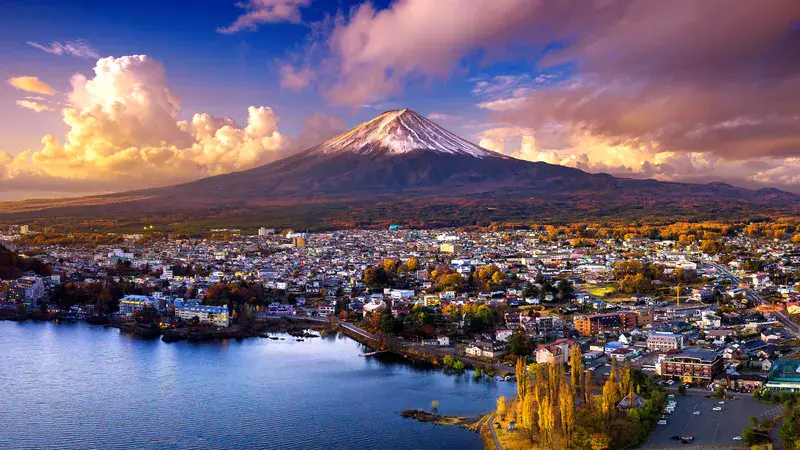
Start your Japan retirement journey today by exploring your visa options, calculating your financial requirements, and taking that extended visit to experience what daily life could really be like. Your future self—the one watching Mount Fuji from your morning coffee ritual—will thank you for taking the first step.

Adonis Villanueva
Adonis Villanueva is the founder of RewireAbroad, where he combines technology, analytics, and global mobility research to help readers make smarter decisions about living abroad. His work centers on geoarbitrage, financial independence, visas, taxes, and long-term relocation planning.
Rewire Abroad