Retire in Chile: First-World Infrastructure Meets a South American Price Tag
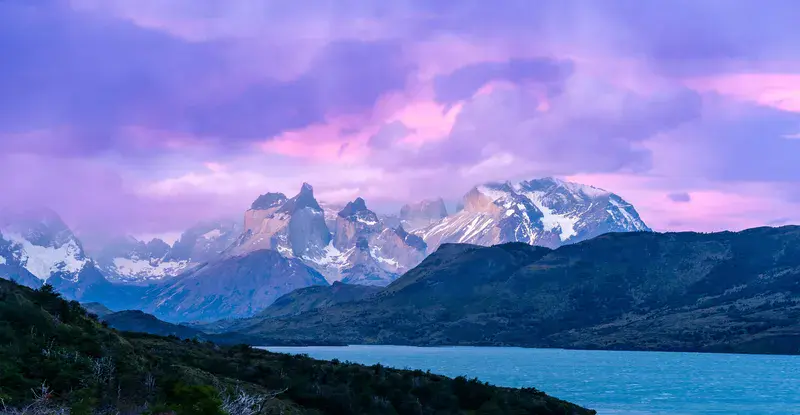
In Seattle, $650 might buy you a parking spot. In Santiago's upscale Providencia neighborhood, it covers a fully furnished two-bedroom apartment. That's what one former Boeing engineer discovered over dinner and Carmenère—his three-month trial run in Chile had turned into permanent paradise. 🍷
Chile isn't just another budget retirement destination—it's where economic stability meets geographic diversity, creating opportunities for everyone from traditional retirees seeking quality healthcare to remote professionals planning their international retirement strategy. Whether you're drawn by the Atacama Desert's otherworldly landscapes, the wine valleys' Mediterranean climate, or Santiago's cosmopolitan energy, Chile offers something increasingly rare: genuine first-world living standards without the first-world price tag.
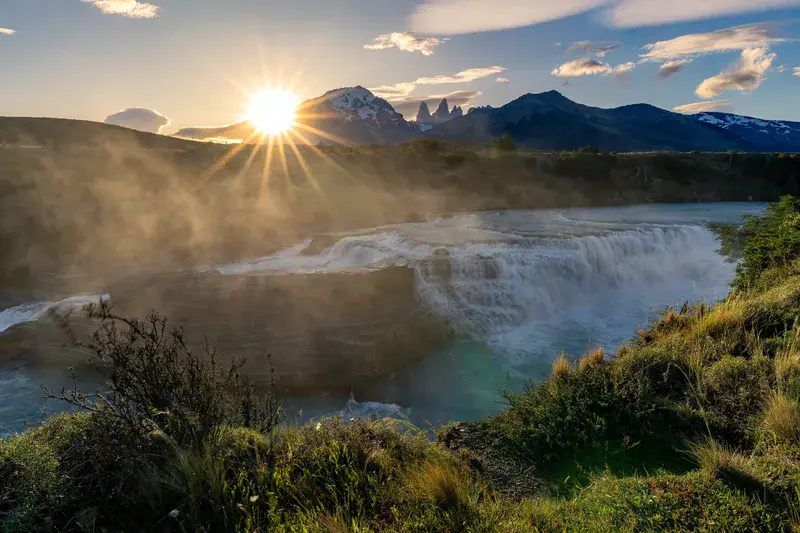
In this comprehensive guide, we'll explore why Chile has quietly become South America's retirement sweet spot, from navigating its modern healthcare system to understanding regional cost variations across this impossibly long and narrow country that stretches from the world's driest desert to Antarctic glaciers.
Why Chile Is Perfect for Retirement
Chile stands apart in South America as the region's most stable democracy and strongest economy. With a per-capita income approaching $16,000 and infrastructure that rivals European standards, it offers retirees something unique: the reliability and quality of developed-world services at developing-world prices.
The country's economic stability stems from decades of sound fiscal management and natural resource wealth, particularly copper mining. This translates to consistent currency stability, reliable utilities, and ongoing infrastructure investment—critical factors for retirees who need predictable living conditions and costs.
Geographic Arbitrage Advantages
Chile's currency, the Chilean peso, typically provides excellent value for dollar-based retirement income. Your Social Security, pension, or investment withdrawals stretch 40-60% further than comparable locations in North America or Europe, while maintaining access to modern amenities and healthcare. For those pursuing FIRE (Financial Independence, Retire Early), Chile's cost advantages can significantly accelerate your path to early retirement.
The country's commitment to free-market policies has attracted international investment, resulting in modern shopping centers, reliable internet infrastructure, and banking systems that easily accommodate foreign retirees. Major cities offer amenities comparable to any developed nation: high-speed internet, modern hospitals, international cuisine, and cultural attractions.
Multi-Retirement Lifestyle Options
Whether you're a traditional retiree seeking community and healthcare or an early retiree in your 40s pursuing adventure and geographic arbitrage, Chile accommodates different retirement styles:
- Comfortable Urban Retirement: Santiago and Valparaíso offer world-class museums, restaurants, and cultural events
- Wine Country Lifestyle: The Central Valley provides Mediterranean climate and vineyard communities
- Beach Retirement: Coastal cities like Viña del Mar deliver ocean access and resort-style living
- Adventure Retirement: Patagonian towns offer hiking, fishing, and outdoor recreation for active retirees
- Budget-Conscious Retirement: Smaller cities provide substantial cost savings while maintaining modern amenities
Regional Deep-Dive: Exploring Chile's Retirement Zones
Chile's unique geography creates distinct retirement microclimates, each offering different advantages for international residents. Let's explore each region in detail to help you find your perfect retirement destination.
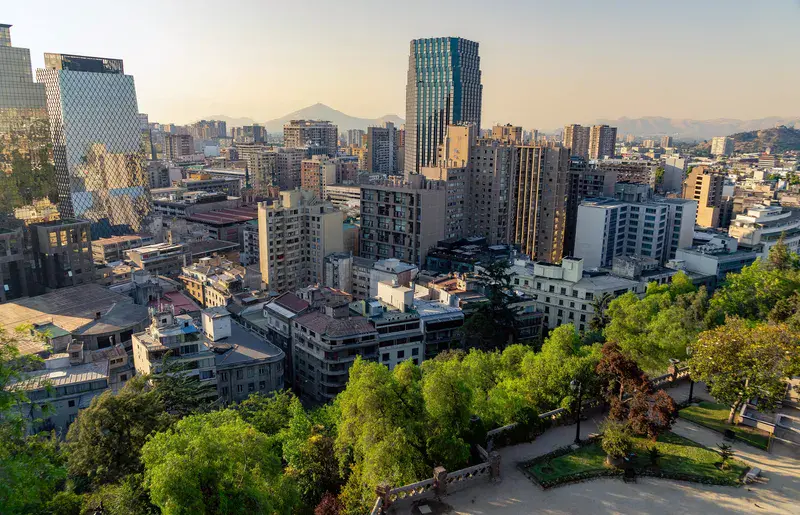
Central Valley: Wine, Climate & Urban Sophistication
The Central Valley, stretching from Santiago south to the Bío-Bío River, offers Chile's most temperate climate and highest concentration of expat retirees. This Mediterranean-style region experiences warm, dry summers and mild, wet winters—ideal for retirees seeking predictable weather patterns.
Santiago Metropolitan Region
Population: 7+ million
Elevation: 520m (1,706 ft)
Climate: Mediterranean with dry summers (December-March) and wet winters (June-September)
Average Temperature: 15°C (59°F) annual average
Santiago serves as Chile's economic and cultural heart, providing urban amenities comparable to major European cities. The capital offers world-class museums like the Museo Nacional de Bellas Artes, international airports with direct flights to North America and Europe, modern shopping districts including Costanera Center (Latin America's tallest building), and sophisticated dining scenes featuring both international cuisine and traditional Chilean dishes.
Prime Retirement Neighborhoods:
- Las Condes: Chile's financial district with modern high-rises, upscale shopping at Parque Arauco mall, and proximity to the Andes foothills. Monthly rent: $1,200-2,500
- Providencia: Tree-lined residential area featuring the iconic Costanera Center, numerous parks including Parque Balmaceda, and excellent public transportation connectivity. Monthly rent: $800-1,600
- Ñuñoa: Artist quarter with bohemian atmosphere, street art, affordable dining, and proximity to Universidad de Chile. Monthly rent: $600-1,200
- Santiago Centro: Historic downtown with colonial architecture, Plaza de Armas, La Moneda Palace, and urban energy. Monthly rent: $500-1,000
Daily Life in Santiago: The metro system operates from 5:00 AM to 11:00 PM (midnight on weekends) with seven lines covering 140 stations. The integrated Bip! card system includes buses (Transantiago) and suburban trains, making car-free living entirely feasible. Major hospitals like Clínica Las Condes and Clínica Alemana offer English-speaking staff and international insurance billing.
Valparaíso Region
Population: 1.8 million (metro area)
Distance from Santiago: 120km (75 miles) - 1.5 hours by bus
UNESCO Status: Valparaíso Historic Quarter designated World Heritage Site in 2003
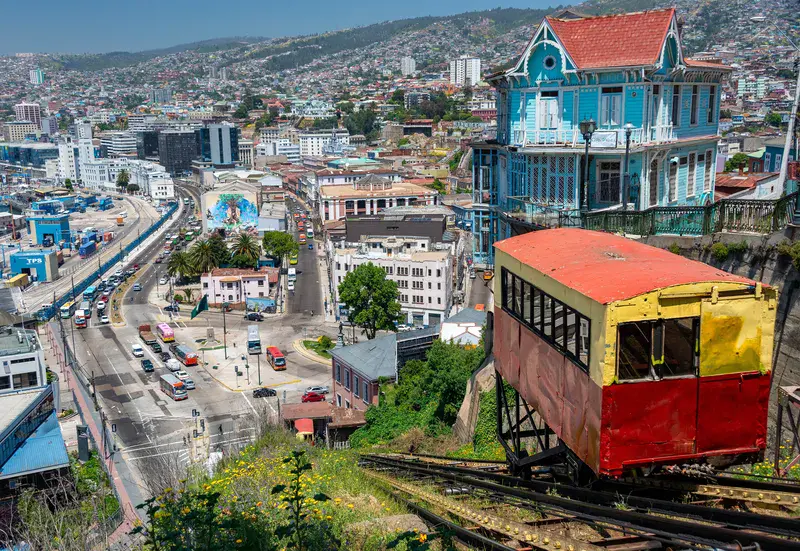
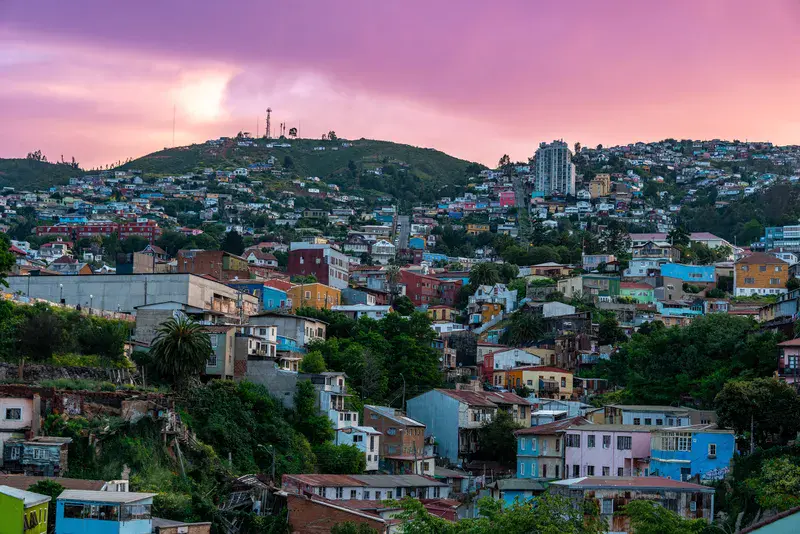
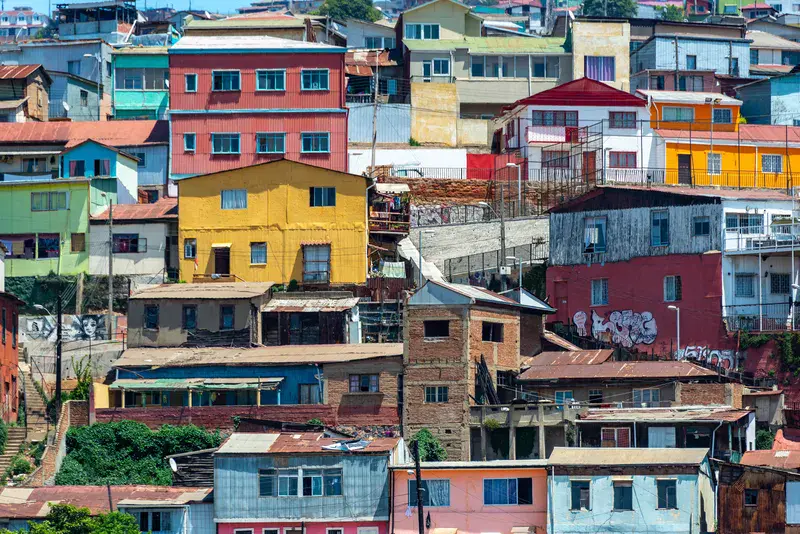
The port city of Valparaíso charms retirees with its bohemian atmosphere, colorful hillside neighborhoods, extensive street art scene, and historic funicular railways dating to the 1880s. The city's 42 hills create distinct neighborhoods, each with unique character and views of the Pacific Ocean.
Key Areas for Retirees:
- Cerro Concepción: Historic quarter with boutique hotels, art galleries, and panoramic ocean views
- Cerro Alegre: Cultural heart with museums, cafes, and the famous Ascensor El Peral funicular
- Plan (Lower City): Commercial center with markets, banks, and transportation hubs
Nearby Viña del Mar provides beach access and resort amenities just 20 minutes away. Known as "The Garden City," Viña del Mar hosts the annual Festival Internacional de la Canción, features beautiful beaches like Reñaca, and offers upscale dining and casino entertainment.
Wine Valley Communities
The Central Valley's wine regions offer rural tranquility within driving distance of major cities, perfect for retirees seeking a slower pace without sacrificing modern conveniences.
Colchagua Valley (2 hours south of Santiago):
- Santa Cruz: Charming town of 35,000 with the Museo de Colchagua showcasing local history
- Wine Routes: Over 20 vineyards offer tours, tastings, and harvest experiences
- Housing: Colonial-style homes with gardens available for $400-800 monthly rent
- Community: Active expat wine appreciation groups and harvest festivals
Maule Valley (3 hours south of Santiago):
- Curicó: Agricultural center of 160,000 with modern amenities and lower costs
- Talca: University city offering cultural events and medical facilities
- Rural Properties: Vineyard estates and country homes for $200,000-500,000
Climate Advantages: Mediterranean climate with 300+ sunny days annually, minimal humidity, and temperature ranges of 8-28°C (46-82°F) throughout the year.

Northern Desert Region: Unique Landscapes & Lower Costs
Northern Chile, dominated by the Atacama Desert—the world's driest non-polar desert—offers unique retirement opportunities for adventurous retirees drawn to dramatic landscapes and mining-town prosperity.
Antofagasta Province
Population: 680,000 (metro area)
Elevation: Sea level to 2,400m
Climate: Desert climate with coastal moderation
Economic Base: Copper mining (world's largest copper reserves)
Antofagasta City: Chile's mining capital offers modern infrastructure supported by mineral wealth, including shopping centers like Parque Arauco Antofagasta, quality healthcare facilities, and cultural venues. The coastal location provides temperature moderation and access to beaches like Balneario Municipal.
Cost Advantages: Housing costs 30-50% below Santiago levels, with oceanfront apartments available for $400-800 monthly rent. Mining economy creates well-paying local jobs, supporting excellent infrastructure despite remote locations.
Unique Attractions:
- ALMA Observatory: World's largest radio telescope array (guided tours available)
- Valle de la Luna: Moon-like landscapes in nearby Atacama Desert
- Flamingo Reserves: High-altitude salt flats with pink flamingo populations
- Geysers del Tatio: High-altitude geothermal field (4,320m elevation)
Arica Province
Population: 250,000
Location: Border with Peru and Bolivia
Climate: Year-round spring weather (18-26°C)
Special Feature: Duty-free zone status
Arica City offers the most stable climate in Chile with minimal temperature variation and virtually no rainfall. The city features excellent beaches, colonial architecture, and significant archaeological sites including Chinchorro mummies (older than Egyptian mummies).
Lifestyle Benefits:
- Eternal Spring Climate: 300+ sunny days annually with minimal weather variation
- Cultural Richness: Indigenous Aymara culture, traditional festivals, and archaeological museums
- Outdoor Activities: Surfing, paragliding, and desert trekking
- Border Advantages: Easy access to Peru's Machu Picchu and Bolivia's salt flats
Considerations: Remote location requires domestic flights for Santiago access (2-hour flight), limited medical facilities compared to central regions.
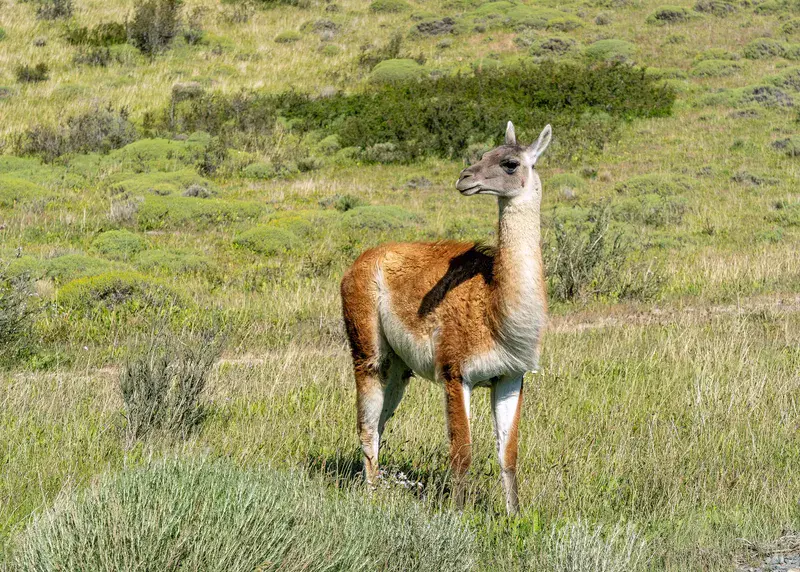
Southern Lake District: Nature & German Heritage
The Lake District (Región de los Lagos) offers temperate rainforest landscapes, pristine lakes, and strong Germanic cultural influences from 19th-century immigration. This region attracts nature-loving retirees who prioritize outdoor recreation and scenic beauty.
Puerto Varas Area
Population: 45,000
Location: Shores of Lago Llanquihue (Chile's second-largest lake)
Founded: 1854 by German immigrants
Climate: Temperate oceanic with significant rainfall
German Cultural Influence: Architecture resembles Bavarian villages with wooden houses, steep-roofed buildings, and German-style churches. Local cuisine features German specialties like kuchen (cakes), sausages, and craft beer from Cervecería Kunstmann.
Natural Attractions:
- Osorno Volcano: Perfect cone-shaped volcano visible from the city (2,652m elevation)
- Petrohué Falls: Dramatic waterfalls in Vicente Pérez Rosales National Park
- Lake Activities: Kayaking, fishing, and boat tours across Chile's largest lake
- Hiking Trails: Access to Andes foothills and ancient temperate rainforests
Retirement Community: Well-established German-Chilean families create welcoming communities for international retirees. German language skills helpful but not essential.
Valdivia
Population: 175,000
Founded: 1552 (one of Chile's oldest cities)
University: Universidad Austral de Chile creates vibrant cultural scene
Rivers: Confluence of multiple rivers creates unique geography
Cultural Richness: University city atmosphere with theaters, museums, and art galleries. Annual events include the Valdivia International Film Festival and Bierfest celebrating German heritage.
Natural Setting: Surrounded by rivers, wetlands, and temperate rainforests. The city serves as gateway to Valdivian Coastal Reserve, protecting ancient forest ecosystems.
Infrastructure: Modern hospitals including Hospital Base Valdivia, reliable internet for remote work, and good transportation connections to Santiago (9-hour bus ride or 1.5-hour flight).
Puerto Montt
Population: 280,000 (metro area)
Role: Gateway to Chilean Patagonia and ferry terminus
Economy: Salmon farming and tourism
Transportation: Regional airport with flights throughout Chile
Strategic Location: Access point for Chiloé Island, Patagonian fjords, and ferry services to southern regions. Modern port facilities support salmon industry and cruise ship tourism.
Seasonal Considerations:
- Summer (December-March): Ideal weather with temperatures 12-22°C, extended daylight hours
- Winter (June-September): Heavy rainfall (2,500mm annually), shorter daylight, heating costs increase
- Tourist Season: January-February brings crowds and higher accommodation prices
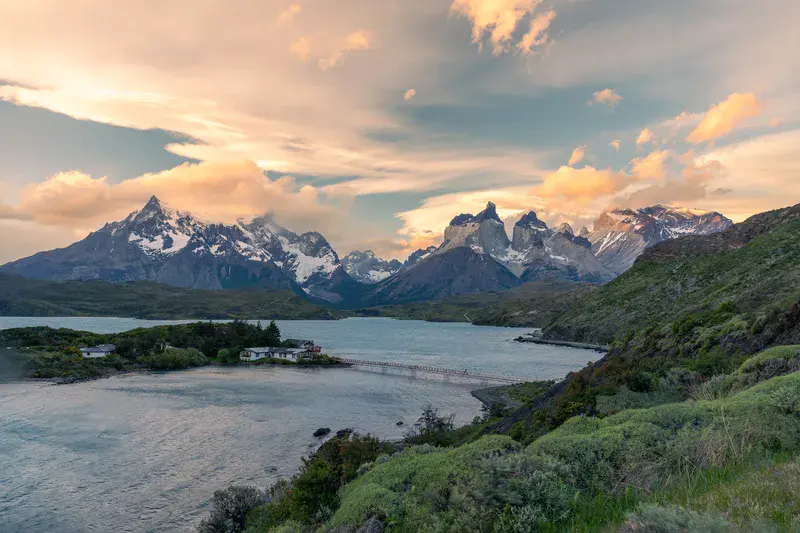
Patagonian Adventure Zone: Rugged Beauty & Small Communities
Southern Chile's Patagonian regions offer dramatic landscapes and small-town charm for adventure-seeking retirees. This region suits active retirees who prioritize natural beauty and outdoor activities over urban conveniences.
Punta Arenas Province
Population: 140,000
Location: Strait of Magellan
Climate: Subantarctic oceanic
Significance: Southernmost continental city in Chile
Punta Arenas City: Historic port city serving as base for Antarctic expeditions and Patagonian exploration. The city features duty-free shopping, excellent seafood restaurants, and museums documenting regional exploration history.
Adventure Access:
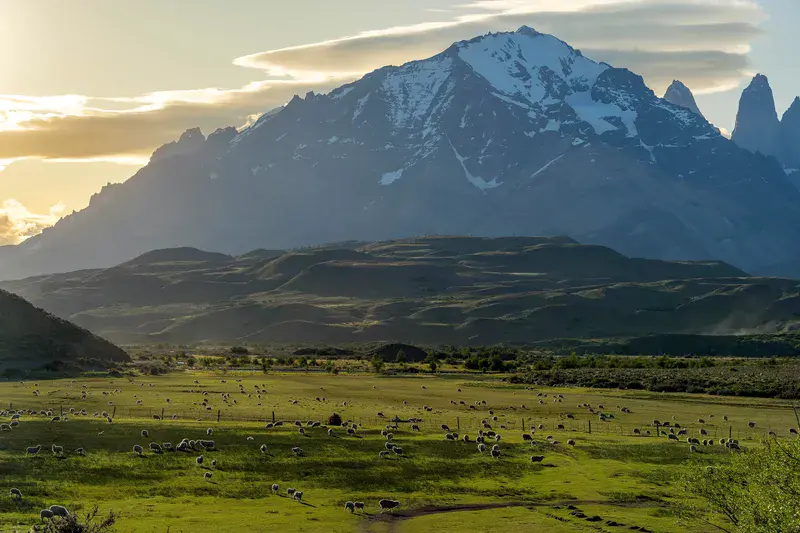
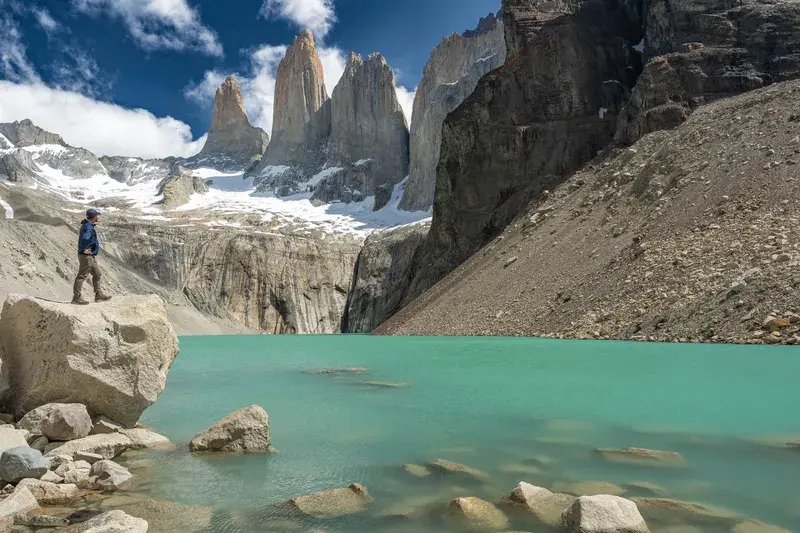
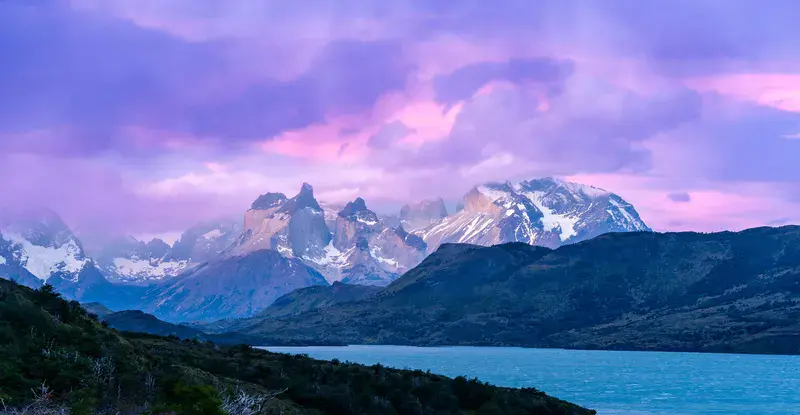
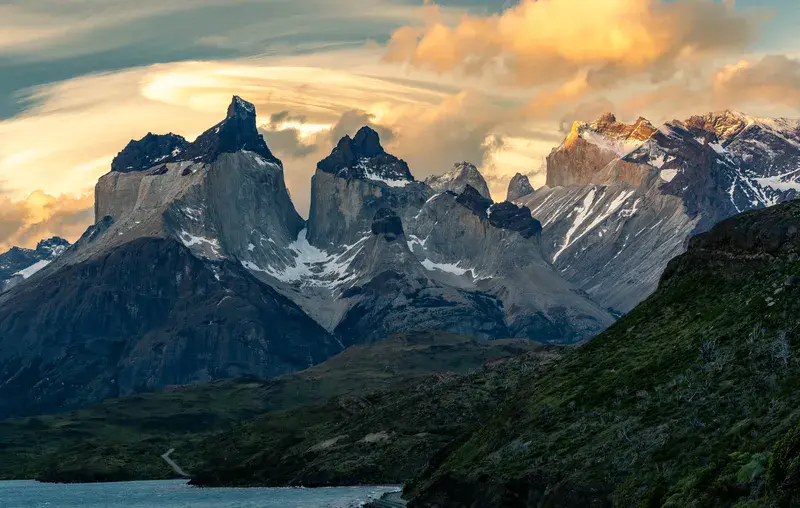
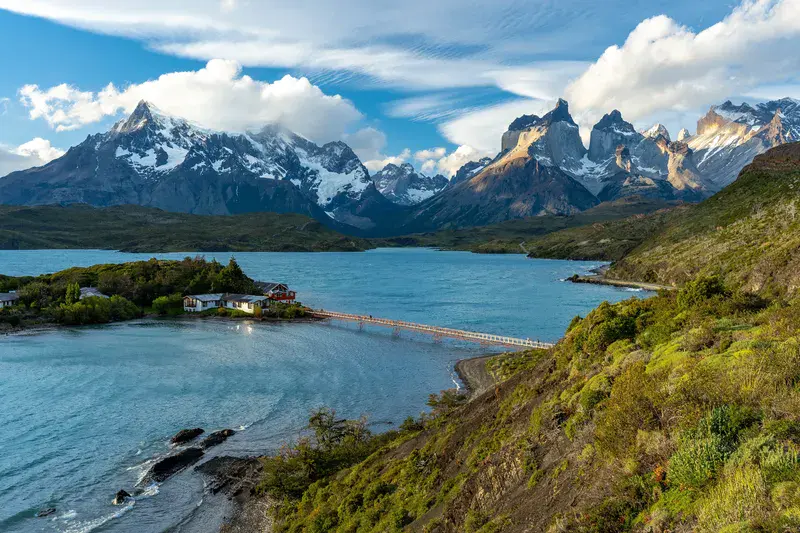
- Torres del Paine National Park: World-renowned hiking destination (3-hour drive)
- Penguin Colonies: Isla Magdalena and Seno Otway penguin viewing
- Estancias: Working sheep ranches offering gaucho culture experiences
- Antarctica Cruises: Departure point for Antarctic expedition cruises
Practical Considerations:
- Wind: Persistent westerly winds require sturdy construction and windproof clothing
- Isolation: 3-hour flight to Santiago, limited road connections
- Services: Modern amenities despite remote location, including hospital and university
Puerto Natales
Population: 23,000
Location: Gateway to Torres del Paine National Park
Tourism: Base for Patagonian adventure tourism
Setting: Shores of Última Esperanza Sound
Outdoor Paradise: Small town atmosphere with world-class adventure access. Torres del Paine offers some of the world's best hiking, while nearby Glacier Grey provides iceberg boat tours.
Community: Tight-knit international community of adventure guides, lodge operators, and outdoor enthusiasts. English widely spoken in tourism industry.
Lifestyle: Seasonal economy with peak tourist season December-March. Winter months (June-September) offer solitude and lower costs but limited services and extreme weather.
Chiloé Island
Population: 180,000
Access: Ferry from mainland (30-minute crossing)
Culture: Unique Chilote culture with distinctive wooden churches
UNESCO: 16 wooden churches designated World Heritage Sites
Cultural Uniqueness: Island culture distinct from mainland Chile, featuring traditional palafitos (stilt houses), unique cuisine including curanto (seafood cooked underground), and folklore traditions including brujo (witchcraft) legends.
Rural Lifestyle: Agricultural communities focused on potato farming, sheep raising, and traditional crafts. Ideal for retirees seeking rural tranquility with rich cultural traditions.
Climate: Temperate oceanic with heavy rainfall, similar to Pacific Northwest. Natural beauty includes native forests, dramatic coastlines, and traditional fishing villages.
Retirement Living Costs & Financial Considerations
Chile's cost advantage becomes apparent across all retirement lifestyle levels, with significant savings compared to North American or European equivalents. However, understanding regional variations and seasonal fluctuations helps optimize your retirement budget.
Detailed Cost Breakdowns by Region
Santiago Metropolitan Area:
- Studio Apartment: $500-900/month
- 2-Bedroom Apartment: $800-1,800/month
- Grocery Shopping: $300-500/month for couple
- Dining Out: $8-15 per meal at mid-range restaurants
- Private Healthcare: $200-600/month depending on age
- Transportation: $40-80/month with public transit pass
- Utilities: $100-180/month including internet
Regional Cities (Valparaíso, Antofagasta, Puerto Montt):
- Housing: 20-30% below Santiago prices
- Food: 15-25% below Santiago prices
- Services: 30-40% below Santiago prices
- Transportation: Significantly lower due to smaller size
Rural/Small Towns:
- Housing: 40-60% below Santiago prices
- Local Products: Extremely affordable
- Services: Limited but very affordable
- Transportation: Car ownership more necessary
Currency and Banking Considerations
The Chilean peso (CLP) provides excellent value for US dollar income. Exchange rates typically range from 700-900 pesos per dollar, with inflation averaging 2-4% annually—much lower than many regional neighbors.
Banking Setup: Major banks offer English-language services:
- Banco de Chile: Largest bank with international experience
- Banco Santander: Spanish-owned with expat-friendly policies
- BCI: Strong digital banking platform
- Banco Estado: Government bank with nationwide presence
Account Requirements: Most banks require:
- Valid Chilean residence visa
- Proof of income (pension statements, investment accounts)
- Initial deposit of $500-2,000
- Chilean address verification
For those planning early retirement, understanding FIRE tax optimization strategies becomes crucial when managing international investment accounts and retirement withdrawals.
Retirement Visa Options & Legal Requirements
Chile offers several pathways for retirement-focused residency, each with distinct requirements and benefits. The Chilean government has streamlined these processes in recent years to attract international retirees and investors.
Official Government Resources
Primary Immigration Authority: Servicio Nacional de Migraciones
Official Website: https://www.migraciones.gov.cl
Visa Information: https://www.migraciones.gov.cl/tramites-y-servicios/
Document Requirements: https://www.migraciones.gov.cl/documentacion/
Chilean Consulate Services: https://chile.gob.cl/consulados
Foreign Ministry: https://minrel.gob.cl
Investment Promotion: https://www.investchile.gob.cl
Temporary Residence Visa (Visa de Residencia Temporal)
The most common option for retirees, this visa requires proof of stable monthly income equivalent to approximately $1,000 USD (adjusted annually for inflation). The visa grants one-year residence with unlimited renewals, providing a pathway to permanent residence after two years.
Required Documentation:
- Apostilled birth certificate
- FBI background check (apostilled and translated)
- Medical certificate from approved Chilean physician
- Proof of income (bank statements, pension letters, Social Security statements)
- Housing proof (rental contract or property ownership documentation)
- Passport photos and application forms
Processing: 60-90 days for initial approval, with additional document preparation time. Consular processing available in home country or in-country application possible.
Rentista Visa (Investment-Based Residence)
For retirees with substantial investments, the Rentista visa requires demonstrating monthly investment income equivalent to approximately $2,000 USD. This visa provides greater flexibility and faster processing than income-based options.
Investment Income Sources:
- Dividend-paying stock portfolios
- Bond interest payments
- Mutual fund distributions
- Real estate rental income
- Business ownership returns
Advantage: No requirement to maintain Chilean employment or business activities, ideal for purely investment-based retirement income.
Pensionado Visa (Retiree-Specific)
Designed specifically for retirees, this visa requires demonstrating pension or retirement income equivalent to approximately $1,500 USD monthly. It provides direct pathways to permanent residence and eventual citizenship.
Qualifying Pensions:
- Social Security retirement benefits
- Government employee pensions
- Private company pension plans
- Military retirement benefits
- Disability pensions (in some cases)
Benefits: Streamlined renewal process and preferential treatment for permanent residence applications.
Investor Visa Categories
For retirees interested in business activities or larger investments:
Small Business Investor: $150,000 minimum investment in Chilean business Real Estate Investor: Property investment meeting minimum thresholds Capital Investor: $500,000+ investment in approved sectors
Legal Process and Timeline
Phase 1: Document Preparation (2-4 months)
- Obtain apostilled documents from home country
- Translate documents into Spanish using certified translators
- Schedule medical examinations in Chile or approved facilities
Phase 2: Application Submission (1-2 months)
- Submit application to Chilean consulate or immigration office
- Pay application fees ($200-500 depending on visa type)
- Provide biometric information and interviews if required
Phase 3: Approval and Residence Card (1-2 months)
- Receive approval notification
- Complete residence registration in Chile
- Obtain Chilean identification card (Cédula de Identidad)
Professional Assistance: Immigration attorneys charge $1,500-3,000 for complete visa processing assistance, including document preparation, translation services, and application representation.
For Americans retiring abroad, understanding the broader landscape of tax implications and comparing healthcare systems provides essential context for your Chile retirement decision.
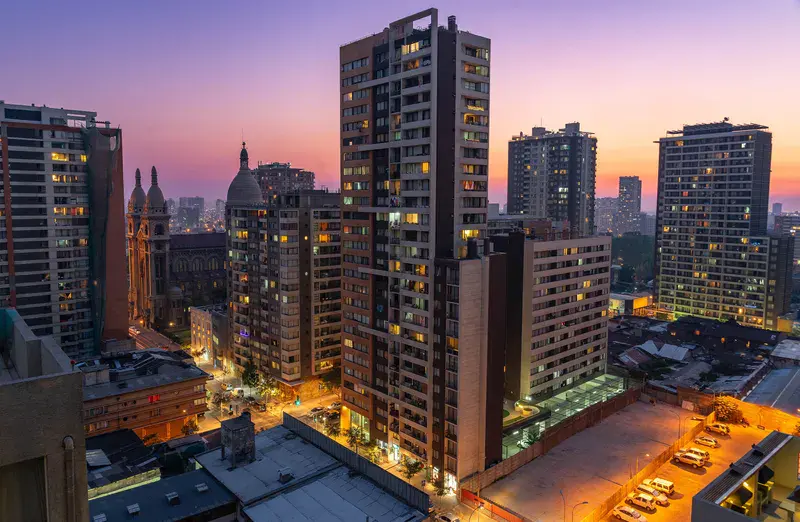
Healthcare for Retirees
Chile's healthcare system combines public and private options, providing retirees with choices based on budget and preference. The system ranks among Latin America's best, with modern facilities and well-trained medical professionals, many educated in Europe or North America.
Public Healthcare System (FONASA)
The Fondo Nacional de Salud provides comprehensive coverage for legal residents, funded through payroll taxes or monthly fees for non-working residents. Public hospitals offer quality care at minimal costs, though wait times for non-emergency procedures can extend several months.
Coverage for Retirees: Non-working legal residents pay approximately 7% of declared income, with minimum monthly fees around $50 USD. This provides access to:
- Public hospitals and clinics nationwide
- Emergency medical services
- Prescription medications at subsidized rates
- Specialist consultations (with referral requirements)
- Preventive care and routine checkups
Service Quality: Public hospitals maintain high standards, with many physicians trained internationally. However, facilities may appear dated compared to private alternatives, and language barriers can occur outside major cities.
Private Healthcare Options (ISAPRE)
Private insurance institutions offer premium coverage with immediate access to private hospitals and clinics. Monthly premiums range from $150-600 USD depending on age, pre-existing conditions, and coverage levels.
Major ISAPRE Providers:
- Colmena Golden Cross: International coverage options
- Consalud: Competitive pricing for retirees
- Cruz Blanca: Extensive provider network
- Banmédica: Premium coverage with English-speaking staff
Private Hospital Quality: Santiago's private hospitals, including Clínica Las Condes, Clínica Alemana, and Clínica UC, provide care comparable to top US medical centers. These facilities offer:
- English-speaking medical staff
- International insurance billing
- Cutting-edge medical technology
- Immediate appointment availability
- Luxury amenities and private rooms
For those planning early retirement healthcare strategies, understanding the cost differences between Chilean private healthcare and international options becomes crucial for budgeting.
Medical Tourism Advantages
Chile's combination of quality healthcare and favorable exchange rates creates opportunities for medical tourism. Routine procedures, dental work, and elective surgeries cost 40-70% less than US equivalents while maintaining high quality standards.
Common Medical Tourism Procedures:
- Dental implants: $800-1,200 (vs $3,000-5,000 in US)
- Cataract surgery: $1,500-2,500 per eye (vs $4,000-6,000 in US)
- Hip replacement: $8,000-12,000 (vs $25,000-45,000 in US)
- Cosmetic procedures: 50-70% below US pricing
Prescription Medications: Many prescription drugs available over-the-counter in Chile require prescriptions in North America. Generic medications provide substantial cost savings:
- Blood pressure medications: $5-15 monthly (vs $50-150 in US)
- Diabetes medications: $10-25 monthly (vs $100-300 in US)
- Cholesterol medications: $8-20 monthly (vs $80-200 in US)
Emergency and Specialized Care
Emergency Services: All hospitals must provide emergency care regardless of insurance status. Private hospital emergency rooms offer faster service and English-speaking staff for approximately $100-300 per visit.
Specialized Care: Chile excels in several medical specialties:
- Cardiology: International-standard cardiac surgery and intervention
- Oncology: Modern cancer treatment facilities with latest technologies
- Orthopedics: Excellent sports medicine and joint replacement capabilities
- Ophthalmology: Advanced eye surgery and treatment options
Understanding overseas health coverage options helps retirees compare Chilean healthcare with international insurance alternatives.
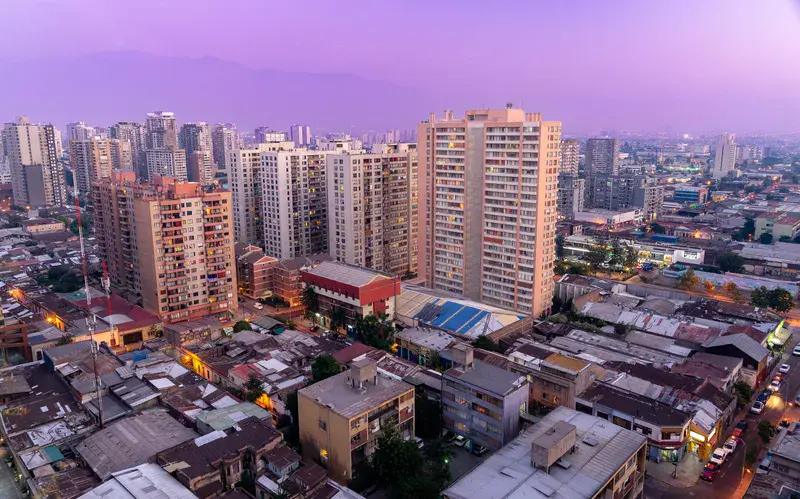
Infrastructure & Daily Living Realities
Chile's infrastructure development rivals first-world standards, particularly in major cities and tourist regions. This modern infrastructure makes daily living comfortable and convenient for international retirees.
Transportation Excellence
Santiago Metro System:
- 7 lines covering 140 stations across the metropolitan area
- Operating hours: 5:00 AM to 11:00 PM (midnight on weekends)
- Integrated Bip! card system for metro, buses, and suburban trains
- Air-conditioned trains with digital information displays
- Cost: $0.80-1.20 per ride depending on time and distance
National Highway Network: Chile's highway system connects major cities with well-maintained toll roads. The Pan-American Highway (Ruta 5) traverses the country's 4,300km length, providing reliable intercity transportation. Toll costs average $0.50-2.00 per section.
International Connectivity:
- Comodoro Arturo Merino Benítez International Airport (Santiago): Direct flights to North America, Europe, and throughout Latin America
- Regional Airports: Antofagasta, Concepción, Puerto Montt, and Punta Arenas provide domestic connectivity
- Flight Costs: Santiago to US East Coast $600-1,200, Santiago to Europe $800-1,400
Digital Infrastructure
Internet Connectivity:
- Fiber-optic internet reaches 85% of urban areas
- Speeds up to 1 Gbps available in major cities
- Average cost: $30-60 monthly for high-speed residential service
- Rural areas maintain adequate broadband for remote work
Mobile Networks:
- 4G LTE coverage in 95% of populated areas
- 5G networks deployed in Santiago and major cities
- Prepaid plans: $15-30 monthly for unlimited data
- International roaming agreements with major carriers
Utility Reliability:
- Electricity: 99.5% uptime in urban areas, renewable energy comprising 50%+ of generation
- Water: Tap water meets international safety standards in major cities
- Natural Gas: Available in central regions, propane used in rural areas
Seasonal Infrastructure Considerations
Chile's extreme length creates diverse seasonal patterns affecting infrastructure and daily living:
Winter Considerations (June-August):
- Southern regions experience heavy rainfall and shorter daylight hours
- Heating costs increase $50-150 monthly, particularly in older buildings
- Road conditions in Patagonia may require 4WD vehicles
- Some rural areas experience temporary service disruptions
Summer Challenges (December-February):
- Northern regions may experience extreme heat requiring air conditioning
- Central areas deal with increased tourism straining public transportation
- Fire danger in dry regions requires evacuation preparedness
- Coastal areas experience seasonal price inflation
Understanding these seasonal variations helps retiires plan budgets and choose appropriate regions for their comfort preferences.
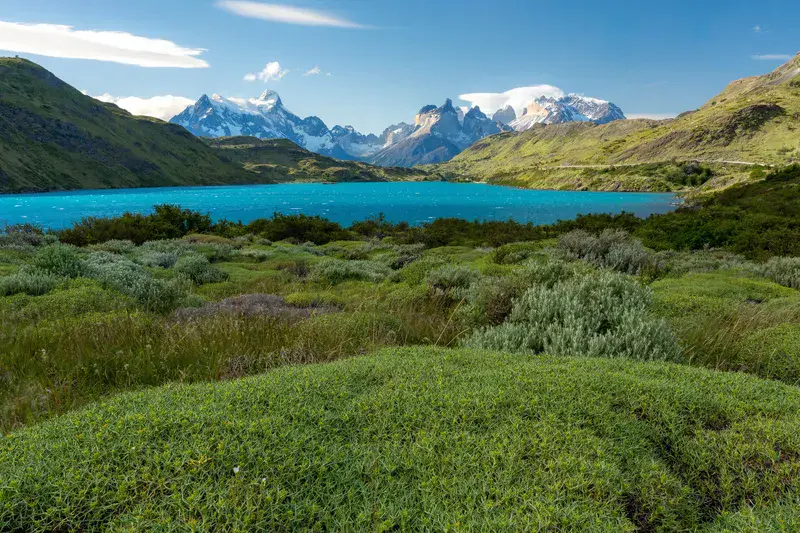
Cultural Integration & Language
Chile's culture blends European influences with indigenous Mapuche traditions, creating a sophisticated yet approachable environment for international retiires. The country's strong educational system and urban sophistication facilitate cultural adaptation while maintaining distinct Latin American character.
Chilean Spanish and Language Learning
Chilean Spanish Characteristics:
- Rapid speech patterns with dropped consonants
- Unique slang (chilenismos) distinct from other Spanish-speaking countries
- Examples: "Cachai?" (Do you understand?), "Bacán" (Cool/awesome), "Fome" (Boring)
- Formal "usted" usage more common than informal "tú" in business settings
Language Learning Resources:
- Instituto Cervantes Santiago: Official Spanish language certification
- Universidad Católica Spanish Programs: Academic-quality instruction
- Private Tutoring: $15-25 per hour with certified instructors
- Online Platforms: Chilean Spanish-specific courses available
English Language Support: Major cities provide English-language services in:
- Banking and financial services
- Healthcare (private hospitals)
- Government immigration offices
- Tourism and hospitality sectors
- International businesses and law firms
Expat Community Integration
Established Communities: Chile hosts approximately 15,000 American retirees and expatriates, concentrated in Santiago, Valparaíso, and wine country regions. These communities provide:
- Newcomer Orientation: Volunteer programs helping with banking, healthcare, and visa processes
- Social Activities: Regular meetups, cultural events, and hobby groups
- Professional Networks: Business associations and networking opportunities
- Emergency Support: Informal assistance networks for medical or legal emergencies
Cultural Bridge Programs:
- Intercambio de Idiomas: Language exchange programs pairing English speakers with Spanish learners
- Volunteer Organizations: Techo, Hogar de Cristo, and international NGOs welcome expat volunteers
- Cultural Institutions: American Chamber of Commerce, British-Chilean Chamber facilitate business and social connections
Adapting to Chilean Culture
Business Culture Understanding:
- Punctuality: Business meetings and formal appointments require strict punctuality
- Personal Relationships: Chileans prioritize building personal connections before business discussions
- Communication Style: Indirect communication with emphasis on maintaining harmony (quedar bien)
- Dress Codes: Conservative, formal dress for business and social occasions
Social Integration Strategies:
- Neighborhood Participation: Joining juntas de vecinos (neighborhood associations) provides community involvement
- Cultural Events: Participating in Independence Day (September 18-19) celebrations and regional festivals
- Sports Culture: Football (soccer) fanaticism creates social bonding opportunities
- Family Values: Understanding Chilean emphasis on family relationships and extended family connections
Daily Life Adaptation:
- Shopping Patterns: Markets open early (6 AM), lunch break closures (1-3 PM), late dinner times (8-10 PM)
- Social Customs: Greeting with cheek kisses, formal titles for older adults
- Tipping Culture: 10% restaurant tips standard, small tips for service providers
- Personal Space: Closer physical proximity in conversations than North American norms
For those comparing multiple retirement destinations, understanding how Chile compares to other Latin American options helps inform your final decision.
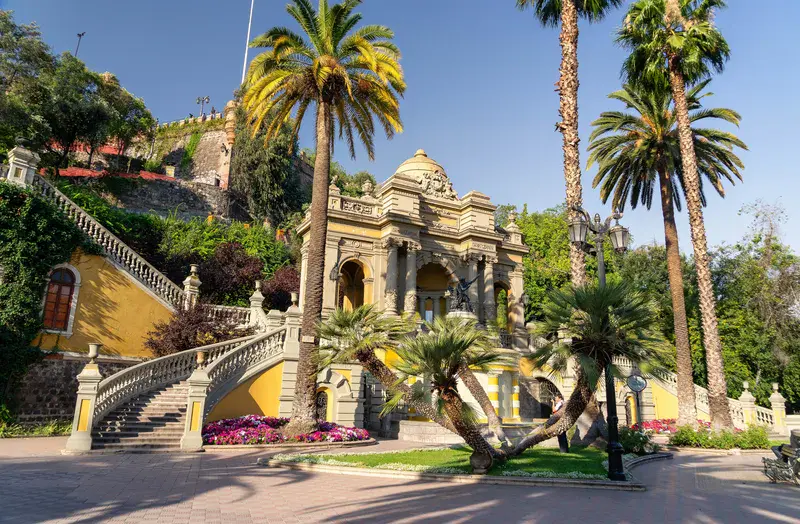
Housing Options for Retirees
Chile's diverse regions offer housing options from urban high-rise apartments to rural vineyard properties, each with distinct advantages for different retirement styles and budgets.
Urban Housing Markets
Santiago Neighborhoods Deep Dive:
Las Condes (Premium Business District):
- Character: Modern financial district with glass towers, upscale shopping, international restaurants
- Housing Types: High-rise condominiums with amenities (gym, pool, concierge)
- Price Range: $1,200-2,500 monthly rent, $200,000-500,000+ purchase
- Amenities: Parque Arauco mall, Metro Line 1 access, proximity to ski resorts
- Resident Profile: International executives, wealthy Chileans, luxury-seeking retirees
Providencia (Cultural Heart):
- Character: Tree-lined streets, cultural institutions, walkable neighborhoods
- Housing Types: Mid-rise apartments, converted historic buildings
- Price Range: $800-1,600 monthly rent, $150,000-350,000 purchase
- Amenities: Museums, Costanera Center, extensive park system
- Resident Profile: Professionals, cultural enthusiasts, active retirees
Ñuñoa (Artist Quarter):
- Character: Bohemian atmosphere, street art, young professional demographics
- Housing Types: Apartments in converted buildings, modern developments
- Price Range: $600-1,200 monthly rent, $100,000-250,000 purchase
- Amenities: Art galleries, craft beer bars, Plaza Ñuñoa farmers market
- Resident Profile: Artists, young professionals, budget-conscious retirees
Coastal City Options:
Viña del Mar (Garden City):
- Seasonal Variations: 30-50% price increases during summer months (December-March)
- Housing Types: Beachfront condominiums, hillside homes with ocean views
- Year-Round vs. Seasonal: Permanent residents vs. vacation rental markets
- Price Range: $700-1,800 monthly rent, $180,000-400,000 purchase
Valparaíso (UNESCO Heritage):
- Historic Properties: Colonial buildings requiring renovation consideration
- Hill Locations: Each of the 42 hills offers different views, accessibility, and character
- Price Range: $400-1,000 monthly rent, $80,000-200,000 purchase
- Considerations: Steep terrain, funicular access, earthquake retrofitting needs
Property Ownership Considerations
Foreign Ownership Rights: Non-residents can purchase property in Chile with minimal restrictions. However, coastal properties within 20km of the border or coastline may require special permits from the Interior Ministry.
Purchase Process Timeline:
- Property Search and Selection (2-4 weeks)
- Legal Due Diligence (2-3 weeks): Title verification, lien searches, zoning compliance
- Purchase Agreement (1 week): Negotiation and contract signing
- Notarization Process (1-2 weeks): Notario público handles legal documentation
- Registration (1-2 weeks): Property registry and tax registration
- Total Timeline: 6-10 weeks for standard transactions
Associated Costs:
- Legal Fees: 1-2% of purchase price for attorney services
- Notary Fees: $500-1,500 depending on property value
- Registration Fees: 0.2% of purchase price
- Property Transfer Tax: 1.35% of purchase price
- Real Estate Agent Commission: 2-4% (typically paid by seller)
Property Taxes and Ongoing Costs:
- Annual Property Tax: 0.2-1.4% of assessed value (significantly lower than most US locations)
- Municipal Taxes: Additional fees for garbage collection, street maintenance
- Gastos Comunes: Monthly building maintenance fees $50-200 for apartments
- Utilities Setup: Electricity, water, gas, internet connection fees $200-500 total
Rental Market Dynamics
Lease Requirements:
- Standard Lease Terms: 2-year contracts with annual rent increases tied to inflation
- Security Deposits: 2-3 months' rent plus additional guarantees
- Guarantor System: Chilean resident cosigner or bank guarantee required
- Furniture Options: Unfurnished standard, furnished rentals cost 20-40% premium
Seasonal Market Fluctuations:
- High Season (December-March): Coastal areas experience 30-50% price increases
- University Calendar: Student areas peak during academic year (March-December)
- Corporate Rentals: Executive housing commands premium rates year-round
Utilities and Services:
- Electricity: $40-120 monthly depending on size and season
- Water/Sewer: $25-60 monthly
- Natural Gas: $30-80 monthly (central regions only)
- Internet/Cable: $30-80 monthly for high-speed packages
- Building Security: Included in gastos comunes for apartment buildings
Rural and Wine Country Properties
Central Valley Vineyard Properties:
- Small Vineyard Estates: 1-5 hectares with existing vines $150,000-400,000
- Country Homes with Land: Traditional hacienda-style properties $100,000-300,000
- Working Vineyard Partnerships: Investment opportunities with established wineries
Maintenance Considerations:
- Rural Internet: Satellite or fixed wireless options available
- Water Rights: Agricultural properties may include valuable water allocations
- Caretaker Services: Local property management for absent owners $200-500 monthly
- Agricultural Equipment: Vineyard maintenance requires specialized knowledge or contractors
Expat-Friendly Real Estate Services
English-Speaking Agencies:
- RE/MAX Chile: International brand with expat-focused agents
- Century 21 Chile: Established network throughout major cities
- Portal Inmobiliario: Chile's largest online property platform (Spanish/English)
- ZonaProp: Comprehensive property search with translation tools
Legal Support Services:
- Expat-Focused Attorneys: Specialized in foreign property purchases
- Translation Services: Official document translation for property transactions
- Property Inspection: Engineering assessments for older or rural properties
- Tax Advisory: Understanding ongoing obligations for foreign property owners
For those considering broader retirement destination comparisons, Chile's housing market offers distinct advantages over other popular expat destinations.
Expat Retirement Communities & Social Life
Chile's expat communities provide social connections and practical support for international retirees navigating cultural adaptation. These established networks span from Santiago's international business community to small-town wine country social groups.
Established Expat Networks
Santiago International Community:
- Population: Approximately 8,000 American expats plus Europeans, Canadians, and Australians
- Organizations: American Chamber of Commerce Chile, British-Chilean Chamber, Canadian Business Council
- Social Clubs: International Women's Club of Santiago, Santiago Community Church (English services)
- Professional Groups: Santiago Expat Network, International Executive Association
Regular Activities and Events:
- Monthly Networking Events: Business and social gatherings at hotels and restaurants
- Cultural Celebrations: Independence Day parties, Thanksgiving dinners, Christmas celebrations
- Educational Seminars: Tax planning, visa updates, investment opportunities
- Recreational Groups: Hiking clubs, book clubs, wine tasting societies
Regional Expat Concentrations:
Valparaíso Artists' Community:
- Character: Creative professionals, retirees drawn to bohemian atmosphere
- Activities: Art gallery openings, cultural festivals, collaborative projects
- Meeting Places: Café Journal, Bar Inglés, cultural centers in historic district
- Demographics: Mixed age groups, strong European representation
Central Valley Wine Communities:
- Santa Cruz Area: 200+ international residents focused on wine culture
- Activities: Harvest participation, vineyard tours, wine education courses
- Social Centers: Wine bars, country clubs, agricultural cooperatives
- Seasonal Events: Harvest festivals, agricultural fairs, holiday celebrations
Adventure Retirement Networks (Patagonia):
- Puerto Varas: Outdoor enthusiasts, German-Chilean cultural bridge
- Activities: Hiking expeditions, fishing tournaments, photography workshops
- Community Centers: German Club, Outdoor Patagonia guide services
- Seasonal Patterns: Peak activity during summer months (December-March)
Community Support Systems
Practical Assistance for Newcomers:
- Arrival Support: Airport pickup, initial accommodation assistance
- Banking Guidance: Account opening, wire transfer setup, local banking practices
- Healthcare Navigation: Doctor recommendations, insurance enrollment, hospital registration
- Legal Services: Visa renewals, contract translations, dispute resolution
Informal Mentoring Networks:
- Buddy System: Experienced expats paired with newcomers for first 3-6 months
- WhatsApp Groups: Real-time communication for questions, recommendations, emergencies
- Resource Sharing: Furniture exchanges, appliance recommendations, service provider lists
- Emergency Support: Medical emergencies, family crisis support, evacuation assistance
Cultural Bridge Programs:
- Language Exchange: Weekly intercambio sessions pairing English and Spanish speakers
- Chilean Family Integration: Invitations to local celebrations, family gatherings
- Professional Volunteering: Skills-based volunteering with local nonprofits
- Cross-Cultural Education: Chilean history, politics, and social customs orientation
Social Integration Beyond Expat Communities
Local Organization Participation:
- Juntas de Vecinos: Neighborhood associations addressing local issues
- Cultural Centers: Municipal libraries, community theaters, art spaces
- Sports Clubs: Tennis, golf, football (soccer) for active retirees
- Religious Communities: International churches, interfaith dialogue groups
Volunteer Opportunities:
- Techo: Housing construction for low-income families
- Hogar de Cristo: Social services and poverty alleviation
- English Teaching: Volunteer programs in public schools and community centers
- Environmental Conservation: Reforestation, wildlife protection, recycling programs
Professional and Business Networks:
- Entrepreneurship Groups: Small business development, consulting opportunities
- Investment Clubs: Real estate, stock market, local business investment
- Consulting Services: Leveraging professional skills for local businesses
- Import/Export Opportunities: Connecting Chilean products with international markets
For those pursuing FIRE abroad, Chile's expat communities provide valuable networking for investment opportunities and business development.
Pros and Cons for Different Retirement Types
Chile offers distinct advantages and challenges depending on your retirement style and priorities. Understanding these trade-offs helps align your expectations with reality.
Traditional Retirees (65+)
Advantages:
- Healthcare Excellence: World-class private hospitals with English-speaking staff, modern equipment, and international insurance acceptance
- Infrastructure Reliability: First-world utilities, telecommunications, and transportation systems minimize daily living challenges
- Currency Stability: Chilean peso provides consistent value for dollar-based pensions and Social Security payments
- Safety and Security: Low crime rates in middle-class neighborhoods, reliable police and emergency services
- Cultural Sophistication: Museums, theaters, restaurants rival European capitals
Specific Considerations:
- Distance from Family: 8-12 hour flights to North America, expensive international travel ($1,000+ roundtrip)
- Medication Availability: Some US prescriptions unavailable or different formulations require doctor consultation
- Language Barriers: Healthcare, banking, government services may require Spanish proficiency or translation
- Climate Adaptation: Southern regions' winter weather (June-September) requires heating and adjustment
- Time Zone Differences: 3-6 hour differences complicate family communication
Recommended Regions: Santiago (Providencia, Las Condes), Viña del Mar, Central Valley wine country
Early Retirees (45-60)
Advantages:
- Geographic Arbitrage: 40-60% cost savings accelerate FIRE timeline and extend portfolio longevity
- Adventure Opportunities: Patagonia, Atacama Desert, Andes Mountains provide world-class outdoor recreation
- Business Opportunities: Growing economy offers consulting, import/export, tourism business potential
- Internet Infrastructure: High-speed fiber supports remote work and digital business development
- Healthcare Without Employment: Quality private healthcare available without employer-based insurance
Specific Considerations:
- Visa Complexity: Income requirements more challenging without traditional pension income
- Healthcare Costs: Private insurance premiums $200-600 monthly before Medicare eligibility
- Social Integration: Building professional networks requires more effort than established retiree communities
- Currency Risk: Peso fluctuations can impact budget planning for longer retirement periods
- Family Planning: Educational options for children, family visit logistics more complex
Income Strategies for Early Retirees:
- Investment Portfolio: Dividend-focused strategies to meet visa income requirements
- Remote Work: Maintaining US/European employment while living in Chile
- Consulting Services: Leveraging professional expertise for international clients
- Property Investment: Chilean real estate development and rental income opportunities
Recommended Regions: Santiago for business opportunities, Puerto Varas for outdoor lifestyle, Central Valley for lower costs
Budget-Conscious Retiires ($1,000-2,000 monthly)
Advantages:
- Dramatic Savings: Living costs 50-70% below US/European equivalents while maintaining quality of life
- Public Healthcare Access: FONASA provides comprehensive coverage for minimal monthly fees
- Transportation: Excellent public transit eliminates car ownership costs
- Fresh Food: Local markets offer high-quality produce, seafood, meat at fraction of imported prices
- Cultural Richness: World-class museums, concerts, festivals accessible at low costs
Strategic Considerations:
- Location Selection: Secondary cities offer better value than Santiago premium areas
- Housing Choices: Older apartments, residential neighborhoods versus tourist areas
- Healthcare Decisions: Public system versus private insurance cost-benefit analysis
- Lifestyle Adjustments: Local shopping, cooking, public transportation versus convenience services
Budget Optimization Strategies:
- Regional Selection: Cities like Valparaíso, Concepción, or Central Valley towns
- Seasonal Living: Following lower-cost seasons, avoiding tourist peak periods
- Local Integration: Shopping at markets, using public services, cooking at home
- Transportation: Public transit, walking, cycling versus taxi/car services
For budget-conscious retiires, comparing Chile with other low-cost international destinations helps optimize location selection and lifestyle expectations.
Luxury Retirement ($4,000+ monthly)
Advantages:
- Premium Services: Concierge healthcare, private banking, executive housing available
- Geographic Diversity: Multiple residences across Chile's diverse regions
- Cultural Access: VIP access to events, private tours, exclusive experiences
- Investment Opportunities: Real estate development, wine industry, mining sectors
- International Connectivity: Private jet access, luxury travel throughout South America
Luxury Lifestyle Elements:
- Housing: Penthouse apartments in Las Condes, vineyard estates, beachfront properties
- Transportation: Private drivers, luxury car leases, helicopter tours
- Healthcare: Immediate access to top specialists, concierge medical services
- Dining: Private chefs, exclusive restaurants, wine cellar development
- Recreation: Private club memberships, yacht charters, ski lodge access
Recommended Regions: Las Condes (Santiago), exclusive vineyard communities, luxury coastal developments
Planning Your Retirement in Chile: Action Steps
Successfully retiring in Chile requires systematic planning across legal, financial, and practical considerations. This phased approach helps manage the complexity while ensuring thorough preparation.
Phase 1: Research and Exploration (6-12 months before moving)
Destination Research and Selection:
- Climate Assessment: Use Chile's diverse regions to match your weather preferences and health needs
- Cost Analysis: Calculate expected monthly expenses using regional cost data and current exchange rates
- Activity Matching: Align your interests (urban culture, outdoor recreation, wine country) with regional offerings
- Community Evaluation: Research expat populations and support systems in target areas
Financial Preparation:
- Budget Planning: Calculate 20-30% higher initial costs during adjustment period
- Currency Strategy: Understand peso exchange rate patterns and hedging options
- Income Verification: Gather documentation for visa income requirements
- Banking Research: Identify Chilean banks with English services and international connections
Legal Document Preparation:
- Apostille Process: Begin obtaining apostilled birth certificates, background checks (6-12 weeks required)
- Translation Services: Locate certified Spanish translators for required documents
- Medical Records: Compile health history for Chilean medical examinations
- Visa Consultation: Contact Chilean consulates or immigration attorneys for current requirements
Phase 2: Extended Trial Period (3-6 months)
Practical Testing:
- Seasonal Experience: Spend at least one month during different seasons to experience climate variations
- Regional Comparison: Visit multiple target areas to compare costs, communities, and lifestyle fit
- Infrastructure Testing: Use public transportation, healthcare services, internet connectivity
- Cultural Immersion: Participate in local events, shopping, social activities
Community Engagement:
- Expat Network Introduction: Attend social events, networking meetings, community gatherings
- Local Integration: Visit Chilean cultural events, markets, neighborhoods beyond expat areas
- Service Provider Research: Identify doctors, dentists, lawyers, accountants for future needs
- Housing Market Analysis: Explore rental and purchase options in target neighborhoods
Skill Development:
- Spanish Language: Begin intensive study with focus on Chilean idioms and pronunciation
- Cultural Education: Study Chilean history, politics, social customs for integration preparation
- Practical Skills: Learn banking procedures, utility setup, transportation systems
Phase 3: Legal Residence Establishment (6-12 months)
Visa Application Process:
- Document Submission: Complete visa applications through Chilean consulates or in-country offices
- Medical Examinations: Schedule required health checkups with approved Chilean physicians
- Income Verification: Provide updated bank statements, pension documentation, investment records
- Legal Representation: Consider immigration attorney assistance for complex cases
Banking and Financial Setup:
- Account Opening: Establish Chilean bank accounts for rent, utilities, local transactions
- Wire Transfer Systems: Set up efficient methods for moving funds from home country
- Investment Accounts: Research Chilean investment opportunities and tax implications
- Insurance Coverage: Arrange health, property, and liability insurance appropriate for Chile
Healthcare System Navigation:
- Provider Selection: Choose between public FONASA or private ISAPRE healthcare systems
- Doctor Identification: Establish relationships with primary care physician, specialists
- Medical Records Transfer: Translate and transfer medical history to Chilean providers
- Prescription Management: Verify medication availability and obtain local prescriptions
Phase 4: Long-term Integration and Optimization (1-2 years)
Community Building:
- Social Network Development: Deepen relationships within expat and Chilean communities
- Volunteer Engagement: Participate in charitable organizations, community service projects
- Professional Contributions: Offer skills through consulting, teaching, mentoring opportunities
- Cultural Participation: Join local clubs, attend festivals, engage in Chilean traditions
Financial Optimization:
- Budget Refinement: Adjust spending based on actual costs versus initial estimates
- Tax Planning: Optimize US tax obligations while complying with Chilean requirements
- Investment Strategy: Consider local real estate, business opportunities, portfolio adjustments
- Estate Planning: Update wills, beneficiaries, power of attorney for international assets
Lifestyle Enhancement:
- Travel Exploration: Discover Chile's diverse regions and neighboring countries
- Skill Development: Continue Spanish improvement, learn Chilean cooking, regional specialties
- Health Optimization: Take advantage of climate, activity opportunities for wellness improvement
- Documentation Maintenance: Maintain visa status, update legal documents, renew permits
For those considering multiple international retirement options, understanding Chile's position among global retirement destinations helps inform your final decision-making process.
Real Retirement Experiences & Case Studies
These detailed case studies illustrate how different retirement strategies play out in Chile's diverse regions and economic conditions.
Case Study 1: Mark & Susan - Urban Santiago Retirement
Background: Mark (64, retired engineer) and Susan (62, former teacher) moved to Santiago from Portland, Oregon, seeking better healthcare affordability and cultural enrichment. Their combined Social Security and pension income totals $4,200 monthly.
Location Choice: Two-bedroom apartment in Providencia, walking distance to Metro Line 1, Parque Balmaceda, and Costanera Center shopping.
Monthly Budget Breakdown:
- Housing: $1,100 (furnished 2BR with building amenities)
- Food: $500 (mix of restaurants and grocery shopping)
- Healthcare: $400 (private ISAPRE insurance for both)
- Entertainment/Dining: $300 (theaters, restaurants, cultural events)
- Transportation: $80 (Metro passes, occasional taxis)
- Utilities: $140 (electricity, water, internet, cable)
- Personal/Miscellaneous: $200
- Total: $2,720 monthly
Cost Comparison: Their Portland lifestyle cost approximately $4,200 monthly with mortgage payments, car expenses, and higher healthcare costs. Chile savings: $1,480 monthly ($17,760 annually).
Unexpected Benefits:
- Health Improvements: Daily walking increased due to Santiago's walkability
- Cultural Enrichment: Opera, symphony, museum access exceeded expectations
- Social Life: Expat community provided immediate friendships and support
- Travel Opportunities: South America exploration became affordable with regional airlines
Challenges Overcome:
- Language Barrier: Hired bilingual assistant for $500 to handle initial banking, visa, healthcare setup
- Banking Complexity: Required 3 months to establish Chilean accounts and wire transfer systems
- Seasonal Adjustment: Winter heating costs ($150 monthly) initially unexpected
Current Status: After 18 months, Mark and Susan have renewed their temporary residence visas and plan to apply for permanent residence. They're considering purchasing a small apartment in their neighborhood.
Ready to Rewire your Life?
Sign up to receive updates and insights.
By submitting your email address, you will receive a free subscription to RA Postcards and special offers from Rewire Abroad and our affiliates. You can unsubscribe at any time, and we encourage you to read more about our Privacy Policy.
Case Study 2: Jennifer - Early Retirement in Wine Country
Background: Jennifer (52, former marketing director) achieved early retirement after selling her Austin, Texas home for $380,000. She invested $180,000 in a small vineyard property near Santa Cruz and lives on investment income plus wine tour business revenue.
Property Details: 3-hectare vineyard with colonial-style house, original vines planted in 1990s, mountain and valley views.
Income Sources:
- Investment Dividends: $1,800 monthly from diversified portfolio
- Wine Tours: $800-1,200 monthly (seasonal variation)
- English Tutoring: $300-500 monthly teaching local professionals
- Total Variable Income: $2,900-3,500 monthly
Monthly Expenses:
- Property Taxes/Maintenance: $200
- Food: $350 (local markets, occasional restaurants)
- Healthcare: $120 (public FONASA system)
- Transportation: $150 (car maintenance, fuel, insurance)
- Utilities: $100 (electricity, water, propane, internet)
- Entertainment: $200 (wine tastings, cultural events)
- Total: $1,120 monthly
Business Development: Jennifer's wine tour concept expanded beyond expectations:
- Partnerships: Collaboration with 8 local wineries for tour packages
- Restaurant Connections: Monthly wine dinners at regional restaurants
- Accommodation: Guest room generates additional income during harvest season
- Online Presence: Website and social media attract international tourists
Lifestyle Transformation:
- Physical Health: Vineyard work and hiking improved fitness significantly
- Language Skills: Spanish fluency achieved within 18 months through daily interaction
- Cultural Integration: Participation in harvest festivals, local traditions
- Professional Fulfillment: Building business from scratch provided new purpose
Long-term Plans: Jennifer plans to expand her property with a small boutique winery and increase tour capacity. She's exploring partnership opportunities with Santiago hotels for day-trip packages.
Case Study 3: Robert - Budget Retirement in Valparaíso
Background: Robert (68, retired public school teacher) chose Chile when his Michigan pension proved insufficient for US retirement costs. His total monthly income of $1,400 from Social Security and teacher's pension required careful budgeting.
Location Strategy: Studio apartment in Valparaíso's Cerro Alegre neighborhood, walking distance to cultural attractions and public transportation.
Monthly Budget:
- Housing: $450 (studio with harbor views, basic furnishings)
- Food: $280 (local markets, cooking at home, occasional cafes)
- Healthcare: $80 (public FONASA system with minimal copays)
- Transportation: $60 (bus passes, occasional taxis)
- Utilities: $90 (electricity, water, internet)
- Entertainment: $200 (museums, cafes, cultural events)
- Savings: $240 (emergency fund and travel)
- Total: $1,160 monthly
Cultural Integration Success:
- Volunteer Teaching: English classes at local community center provided social connection
- Photography Hobby: Street photography led to local gallery exhibitions
- Language Progress: Achieved conversational Spanish through daily neighborhood interaction
- Health Improvements: Coastal walking and stress reduction improved blood pressure
Unexpected Opportunities:
- Art Community: Valparaíso's artistic culture welcomed his photography work
- Tourism Connections: English skills led to occasional tour guide opportunities
- Cultural Recognition: Local newspaper featured his photography and volunteer work
- Social Network: Both expat and Chilean friendships developed naturally
Budget Optimization Strategies:
- Local Markets: Shopping at morning markets reduced food costs by 40%
- Public Transportation: Annual passes provided significant savings over individual tickets
- Free Activities: Museums, parks, cultural events often free or discounted for seniors
- Seasonal Cooking: Adapting diet to local seasonal produce maximized nutrition and minimized costs
Health and Wellness Impact:
- Medication Costs: Chilean prescriptions reduced monthly medication expenses from $180 to $45
- Physical Activity: Daily hill walking improved cardiovascular health
- Stress Reduction: Slower pace of life and cultural richness reduced anxiety
- Social Engagement: Volunteer work and artistic pursuits provided sense of purpose
Current Status: Robert has lived in Valparaíso for 3 years and recently achieved permanent residence status. He's planning to bring his adult daughter for an extended visit and is considering a larger apartment to accommodate guests.
Case Study 4: The Andersons - Luxury Patagonian Adventure
Background: Tom (59, tech entrepreneur) and Linda (57, former executive) sold their Silicon Valley company and sought adventure-based retirement with luxury amenities. Monthly income: $8,000+ from investments.
Location Strategy: Primary residence in Puerto Varas with seasonal rental properties for variety and investment.
Housing Arrangement:
- Main Residence: Lakefront home with Osorno Volcano views ($2,500/month rental)
- Santiago Pied-à-terre: Furnished apartment in Las Condes for urban visits
- Seasonal Exploration: Extended stays in different regions via luxury rentals
Monthly Budget:
- Housing: $3,000 (includes multiple properties and utilities)
- Transportation: $800 (luxury car lease, domestic flights, fuel)
- Dining: $1,200 (fine restaurants, private chef services, wine purchases)
- Activities: $1,000 (guide services, equipment, park fees, helicopter tours)
- Healthcare: $600 (premium private insurance and concierge services)
- Travel: $1,200 (international and regional travel, luxury accommodations)
- Staff: $400 (cleaning, property maintenance, assistance services)
- Total: $8,200 monthly
Adventure Portfolio:
- Patagonian Exploration: Private guided treks in Torres del Paine, glacier expeditions
- Wine Country Tours: VIP vineyard experiences, private tastings, harvest participation
- Ski Season: Luxury ski lodge access in Andes resorts (July-September)
- Cultural Access: VIP events, private museum tours, exclusive cultural experiences
Business Interests:
- Tourism Investment: Partnership in luxury eco-lodge development
- Wine Investment: Vineyard acquisition for both investment and lifestyle
- Real Estate: Premium property development in Puerto Varas area
Community Contribution:
- Philanthropic Activities: Funding for local environmental conservation projects
- Business Mentoring: Advising local entrepreneurs and tourism startups
- Cultural Exchange: Hosting international visitors and fostering business connections
These case studies demonstrate how different income levels, lifestyle preferences, and integration strategies can create successful Chile retirement experiences. For those exploring various international retirement strategies, these examples illustrate the practical realities of Chilean retirement life.
Your Next Steps to Retire in Chile
Chile represents a unique opportunity in South American retirement: first-world infrastructure and healthcare at developing-world prices, wrapped in a stable democracy with stunning natural beauty. Whether you're seeking urban sophistication in Santiago, wine country tranquility, or adventure in Patagonia, Chile accommodates diverse retirement dreams while extending your retirement dollars significantly.
Immediate Action Items
Research Phase (Next 30 Days):
- Climate and Regional Assessment: Use this guide to identify 2-3 regions matching your preferences and budget
- Financial Analysis: Calculate your potential monthly expenses using the cost breakdowns provided
- Language Learning: Begin basic Spanish study with focus on Chilean terminology and pronunciation
- Document Gathering: Start collecting documents needed for apostille process (birth certificate, background check)
Exploration Phase (3-6 Months):
- Extended Visit Planning: Schedule 2-4 week exploratory trip during your preferred season
- Community Connections: Contact expat organizations and Chilean consulates for current information
- Professional Consultation: Consider immigration attorney consultation for complex visa situations
- Financial Preparation: Optimize your portfolio and banking arrangements for international transfers
Key Success Factors
The key to successful Chilean retirement lies in thorough preparation, cultural openness, and realistic expectations. Start with language learning, financial planning, and destination research well before your planned move. Consider extended visits to experience seasonal variations and cultural rhythms before committing to permanent residence.
Critical Planning Elements:
- Visa Strategy: Understand income requirements and documentation needs for your chosen visa path
- Healthcare Decisions: Research public versus private healthcare options based on your medical needs and budget
- Regional Selection: Match your lifestyle preferences with Chile's diverse geographic and cultural regions
- Community Integration: Plan for both expat networking and Chilean cultural participation
Comparative Context
For those comparing multiple retirement destinations, Chile offers distinct advantages in the competitive landscape of international retirement. The country's combination of political stability, healthcare quality, infrastructure development, and cost advantages creates a compelling value proposition.
Chile's economic stability sets it apart from many Latin American alternatives, while its geographic diversity accommodates different retirement styles from urban sophistication to rural adventure. The established expat communities provide social support, while the sophisticated Chilean culture offers rich integration opportunities.
Long-term Considerations
Sustainability Planning: Chile's commitment to renewable energy, environmental protection, and economic diversification suggests long-term sustainability for international retirees. The country's copper wealth provides economic stability, while increasing tourism and wine exports create additional economic pillars.
Healthcare Evolution: Chile's healthcare system continues improving with new facilities, international partnerships, and medical tourism development. Private hospitals increasingly offer international-standard care with English-speaking staff.
Infrastructure Development: Ongoing infrastructure investment includes expanded metro systems, improved highways, and enhanced telecommunications. These developments benefit retirees through improved connectivity and services.
Resource Integration
Ready to start planning your Chilean retirement adventure? Begin with comprehensive evaluation of your goals, timeline, and budget:
- Financial Planning: Use FIRE calculation tools to optimize your retirement timeline and geographic arbitrage benefits
- Healthcare Strategy: Understand international healthcare options and how Chile compares to other destinations
- Tax Optimization: Research international tax implications for US citizens retiring abroad
- Destination Comparison: Compare Chile with other popular retirement destinations through comprehensive country guides
Getting Started Today
Immediate Steps:
- Language Learning: Enroll in Spanish classes or online programs with Chilean focus
- Financial Assessment: Calculate your retirement income and expense projections using Chilean costs
- Document Preparation: Begin apostille process for required visa documentation
- Community Research: Join online Chile expat groups and forums for current information
Medium-term Planning (3-12 months):
- Trial Visit: Plan extended stay in your target region during preferred season
- Professional Consultation: Meet with immigration attorneys, tax advisors, healthcare consultants
- Banking Setup: Research Chilean banking options and international transfer methods
- Investment Strategy: Consider portfolio adjustments for international retirement
Chile's combination of stability, affordability, and quality of life makes it an increasingly attractive option for international retirement. With proper planning and preparation, your Chilean retirement can provide the adventure, security, and value you're seeking in your next life chapter. 🇨🇱
Take Action Today: Your Chilean retirement adventure awaits—and with systematic preparation using this comprehensive guide, it can exceed even your most optimistic expectations. Start with small steps today: language learning, financial planning, and community research. Each step brings you closer to your South American retirement paradise.
For ongoing updates and the latest information about Chilean retirement, visa requirements, and expat communities, visit the official resources provided throughout this guide and connect with established expat networks for real-time insights and support.

Adonis Villanueva
Adonis Villanueva is the founder of RewireAbroad, where he combines technology, analytics, and global mobility research to help readers make smarter decisions about living abroad. His work centers on geoarbitrage, financial independence, visas, taxes, and long-term relocation planning.
Rewire Abroad
Italy vs Greece for Expats (2026): Cost, Visas, Healthcare & Lifestyle Compared
Florence at $1,830/month vs Thessaloniki at $1,200/month. Real housing, visa, healthcare & lifestyle data to pick your Mediterranean home.
FIRE & Retire Abroad: Early Retirement in Low-Cost Destinations
Use FIRE principles with international living to accelerate your path to financial independence. Explore top affordable countries with FIRE.
Fan Your FIRE: How to Live in Argentina on $800–$1,200 a Month (Yes, Really!)
Yes, you can live well in Argentina on $800–$1,200/mo. Real cost breakdown, visa options, best cities, and what's changed in 2026.

Your $5 Latte Isn't Why You're Not Rich. I Used a Calculator to Prove It
I used a calculator to prove your daily latte isn't killing your wealth. One year of investment delay costs 4x more than a lifetime of coffee, go see.