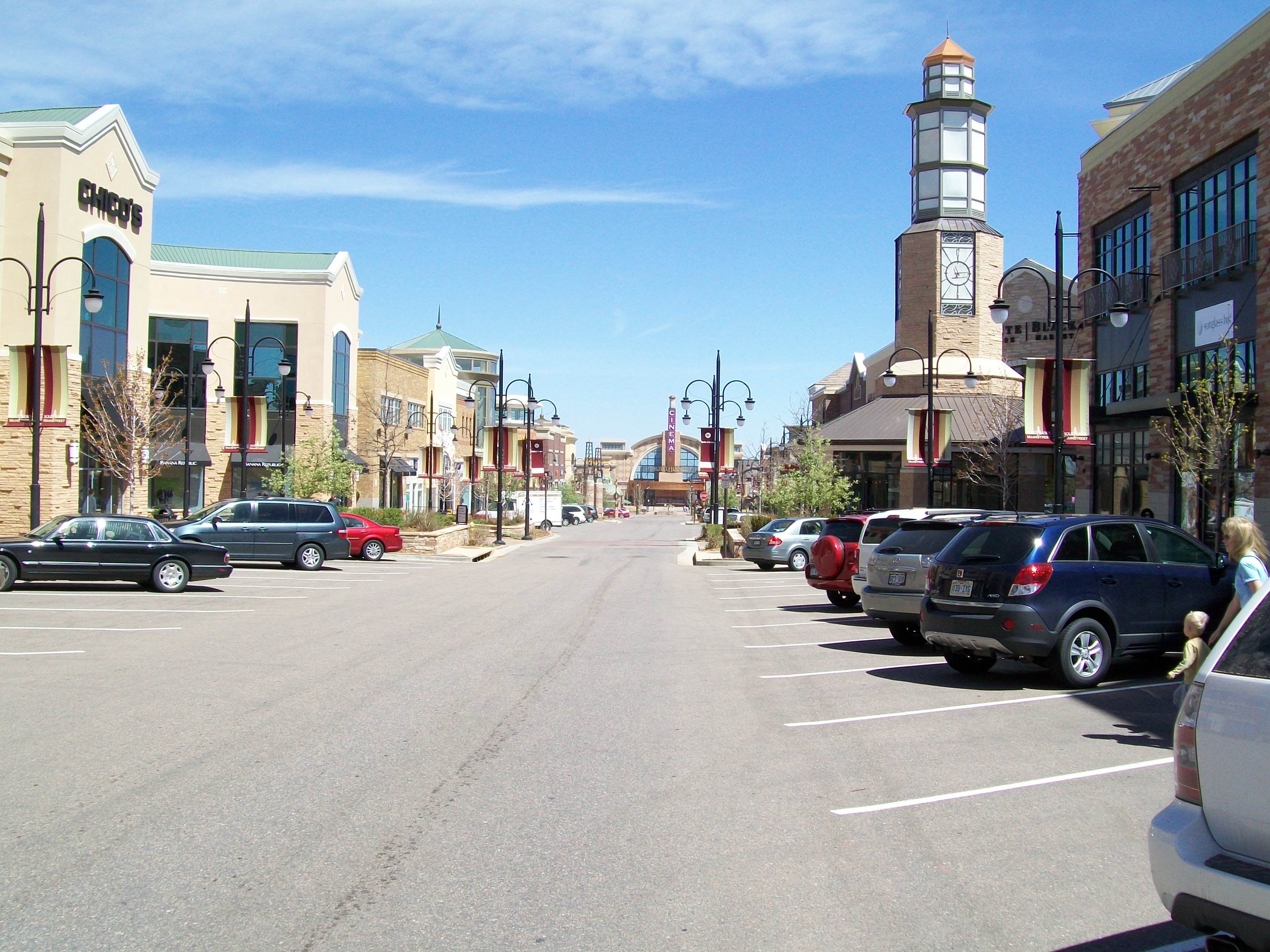
Aurora sits on the high plains of Colorado at 1,640 m above sea level, within the America/Denver timezone and about 20 km from BFK. The city's semi-arid climate delivers warm, dry summers from June through August and cold winters from December through February with occasional snow, giving residents four distinct seasons and low humidity all year. With a population of 394 thousand, Aurora spreads across a wide stretch of the Denver metro area, and newcomers tend to sort themselves by budget and commute rather than by any single expat enclave.
Rent shapes the budget more than anything else. A one-bedroom in the city center runs $1,681/mo, while the same outside the center drops to $1,448/mo. Three-bedroom units show how flat the market can be: $2,200/mo in the center against $2,195/mo farther out, so families gain little by moving away from the core. Beyond rent, a single adult spends about $1,450/mo, with utilities at $173/mo, internet at $55/mo, and a mobile plan at $52/mo. A monthly public transport pass costs $135/mo and a gym membership $30/mo. Everyday food is modest: $14 for an inexpensive restaurant meal, $60 for a three-course mid-range dinner for two, and $5 for a cappuccino. Against an average monthly net salary of $3,853/mo, the budget tier totals $1,506/mo, the mid-range tier $2,257/mo, and the comfortable tier $2,657/mo.
Safety is a genuine selling point. The safety index stands at 70/100 and the crime index at 28/100, where lower is safer, so daily life feels calm by the standards of a metro area this size. Air quality sits at 52, a middling figure that reflects the occasional haze along the Front Range rather than a chronic problem. Healthcare quality is rated excellent, which matters for families and older residents who want reliable access to specialists without leaving the region.
Arrivals typically fly into BFK, 20 km from the city, then settle into a routine that English speakers find easy to navigate since the language is widely spoken. Immigration pathways exist for workers, students, investors, and family sponsors, and the right route depends on your situation rather than the city itself. Internet averages 200 Mbps, fast enough for remote work, and the digital nomad score of 80/100, expat score of 80/100, and FIRE score of 79/100 suggest Aurora rewards savers and remote professionals. Retirees score it 75/100, drawn by the healthcare and the low crime more than the nightlife. Aurora suits budget-conscious renters, remote workers, and anyone who wants four seasons and mountain access without Denver prices.