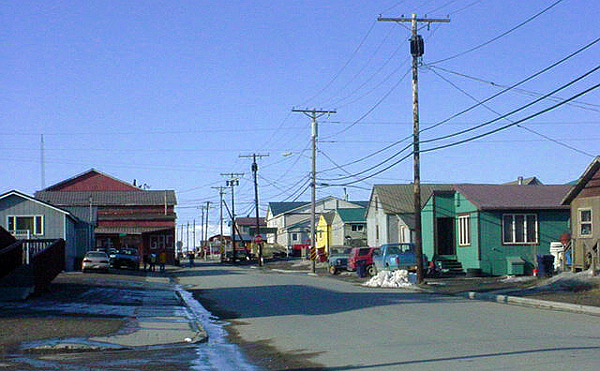
Nome, AK, United States
Data updated Sep 29, 2026
📊 Scores
Best fit: Retiree (score: 66)
Gold mining built Nome, but modern operations moved offshore decades ago. Today the economy runs on government jobs, tourism (especially during the March Iditarod), and the Bering Straits Native Corporation, which employs hundreds in regional administration. Seasonal work dominates: fishing, tourism support, and construction during the brief summer. Remote location means limited private sector opportunities—most stable income comes from state/federal positions or working for Native corporations.
Rent runs $750/month for a one-bedroom in town, but groceries cost 40–60% more than the Lower 48 due to air and sea freight. No road out; fly or boat only. Healthcare exists but serious cases require evacuation to Anchorage. Winter darkness (November–January) is brutal. Bureaucracy is standard Alaska, but isolation itself is the real friction—mail takes days, parts take weeks. Internet is available but pricey and unreliable.
Winters hit minus-20°F regularly with 20+ hours of darkness; summers are cool and brief. Food scene is basic—groceries dominate, restaurants are sparse. The Iditarod brings temporary buzz each March; otherwise social life centers on small-town bars, fishing, and outdoor activities (snowmobiling, dog sledding). Expat community is tiny; most residents are Alaska Native or long-term transplants. Nome suits only those genuinely committed to extreme isolation, outdoor self-sufficiency, and seasonal work cycles.
🏚️ Cost of Living
A 1BR in the center runs about $750/mo. If your income is in another currency, bank FX fees add up. A multi-currency account can cut that cost.
See low-fee transfersWe may earn a commission at no cost to you.
💰 Real Spend Reports
🛡️ Safety & Crime
(Higher is safer)
(Lower is safer)
Nome is a genuinely safe small town where violent crime is rare and most residents feel comfortable walking at night. The tight-knit community of 3,700 people creates natural social oversight. Day-to-day life feels secure, though the remote Arctic location means limited police resources and response times can be slower than in larger cities. Winter isolation can feel psychologically challenging rather than physically unsafe.
Property crime (theft from vehicles, break-ins) occurs occasionally, particularly during the dark winter months when desperation and substance abuse issues spike. Petty theft is the primary concern. Avoid leaving valuables visible in cars. Domestic violence and alcohol-related incidents are documented social issues in Alaska's remote communities, though they rarely affect visitors or newcomers directly. Solo female travelers face no particular elevated risk compared to other small American towns.
Nome has no political instability or corruption concerns—it's a stable U.S. municipality with reliable law enforcement and functioning institutions. The RCMP and state police maintain order effectively. The main consideration is the extreme isolation: medical emergencies require air evacuation, and supply chain disruptions can occur. For an American considering relocation, Nome is genuinely safe by national standards, though the harsh climate and limited amenities present bigger lifestyle challenges than crime does.
🏥 Healthcare
🌤️ Climate
Best Months
Climate Notes
Nome has an extreme subarctic climate with brutally cold, dark winters (averaging -23°C) and brief, cool summers (averaging 12°C), making it one of Alaska's harshest settlements.
💻 Digital Nomad
Community Notes
| Name | Price/mo | Notes |
|---|---|---|
| Nome Community Center | $50 | While not a dedicated coworking space, the Nome Community Center offers a public space with internet access that can serve as a basic, affordable option for remote workers. Located centrally in Nome, it provides a community atmosphere and access to basic amenities. |
| Nome Recreation Center | $40 | Similar to the Community Center, the Recreation Center provides public access and internet, offering another budget-friendly option for digital nomads. It's a good choice for those seeking a simple workspace in a central location. |
Working remotely from Nome, AK? Nomad health insurance covers you across borders, month to month.
See nomad insuranceWe may earn a commission at no cost to you.
🧳 Expat Life
🛂 Visa Options for United States
Many long-stay visas require proof of health insurance. Compare international health plans before you apply.
Compare health insuranceWe may earn a commission at no cost to you.
Not sure which United States visa you qualify for?
Answer 10 questions and get a personalized match in under 2 minutes.
Could living/working in Nome, AK cut years off your work life?
With a 1-bedroom in the center at $300/mo, your FIRE number here might be much lower than you think.
Estimate the cost of moving to Nome, AK, United States
Get a free moving cost estimate for moving to Nome, AK, United States. Takes 10 seconds.
How much are you shipping?
When are you moving?
Powered by Sirelo. Free quotes from verified international movers.
Share This Guide
Nome, AK won't stay this cheap forever.
Cost-of-living and visa updates for Nome, AK and the rest of United States. Free with RA Postcards.
By submitting your email address, you will receive a free subscription to RA Postcards and special offers from Rewire Abroad and our affiliates. You can unsubscribe at any time, and we encourage you to read more about our Privacy Policy.