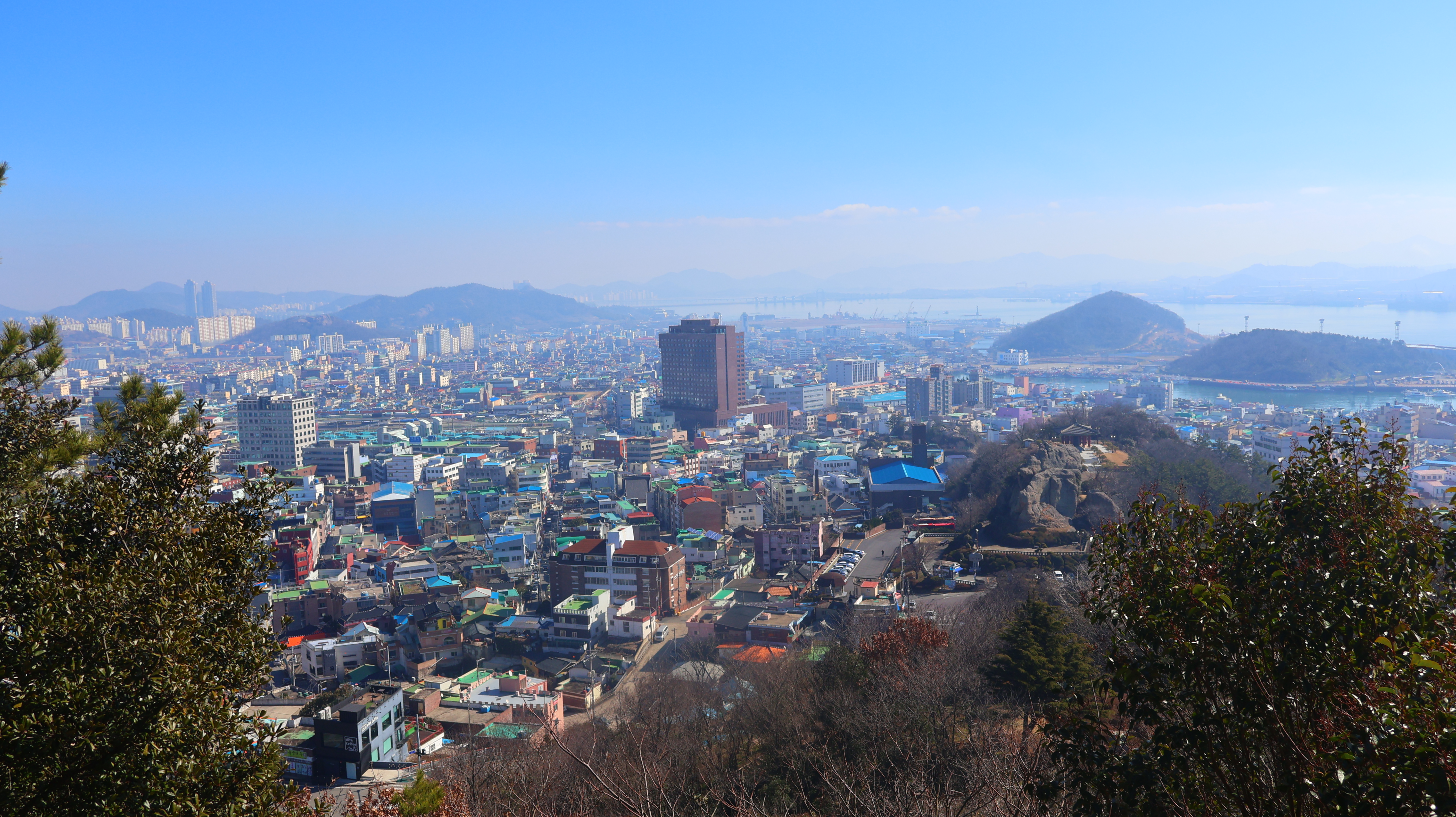
Fishing and seafood processing dominate the local economy, with major employers clustered around the port facilities and processing plants. The tourism sector provides seasonal work through the Special Tourist Zone and ferry operations to Yellow Sea islands, though opportunities remain limited compared to Seoul or Busan. English teaching positions exist but are scarce—maybe a dozen openings annually across the city. Most expats here either work remotely or have specific contracts with maritime companies, as the local job market heavily favors Korean speakers with industry connections.
One-bedroom apartments in the city center average $450 monthly, dropping to $350 in outer neighborhoods like Yudal-dong. The KTX connection to Seoul takes 3.5 hours and costs around $45, making weekend escapes feasible but expensive. Healthcare access is solid through Mokpo National University Hospital, though English-speaking staff is hit-or-miss. Korean language skills are essential—this isn't Seoul where you can stumble through in English. Bureaucracy moves at typical Korean government speed, meaning plan 2-3 visits for any official process.
The maritime climate brings humid summers and mild winters, with frequent fog rolling in from the Yellow Sea. Seafood here is exceptional—the raw croaker and braised hairtail are legitimately some of Korea's best. Weekend activities center on island hopping via ferry or hiking Yudal Mountain, though nightlife options are limited to a handful of bars near the university. The expat community numbers maybe 50 people, mostly English teachers and a few maritime industry workers. Mokpo suits remote workers who want authentic Korean coastal living without Seoul's chaos, but you'll need solid Korean skills and a tolerance for small-city limitations.
Estimate the cost of moving to Mokpo, South Korea
Get a free moving cost estimate for moving to Mokpo, South Korea. Takes 10 seconds.
How much are you shipping?
When are you moving?
Powered by Sirelo. Free quotes from international movers.
🏚️ Cost of Living
💰 Budgets and Costs
A category breakdown is not available for Mokpo yet. We publish a breakdown only when every category can be priced from local data, rather than showing figures we cannot stand behind.
Rent, 1 bedroom in the centre
$450/mo
Living costs, excluding rent
$850/mo
Still needed for a full breakdown: grocery prices.
Mokpo is genuinely safe for daily life. You can walk around most neighborhoods at night without significant concern—violent crime is rare. The city feels orderly and well-policed, with locals going about their routines without visible tension. Expats report a comfortable, low-stress environment compared to larger Korean cities. The main adjustment is cultural rather than safety-related.
Petty theft and scams are minimal here. Pickpocketing is uncommon even in crowded areas. The primary risks are typical urban ones: occasional drunk altercations late at night in entertainment districts, and the rare opportunistic theft from unlocked vehicles or homes. Solo female travelers and expat women report feeling safe, though standard precautions apply. Avoid isolated areas very late at night, as with any city.
South Korea has stable governance, reliable police, and no significant political instability affecting daily life. Mokpo specifically is a quiet port city without protest activity or corruption concerns affecting residents. The main geopolitical consideration is North Korea's proximity to the peninsula generally, but this poses no practical risk to expats in Mokpo. Overall, this is one of South Korea's safer cities—suitable for remote workers and retirees seeking a calm, secure environment.
Mokpo has a humid subtropical climate with warm, wet summers (June-August) and cold, dry winters (December-February), making spring and autumn the most comfortable seasons for expats.
💻 Digital Nomad
Avg Internet Speed
250 Mbps
Coworking Availability
Moderate
Coworking Spaces Nearby
1
Digital Nomad Score
70/100
Community Notes
Mokpo offers a charming coastal vibe with a growing digital community.
A government-supported initiative offering affordable coworking spaces and resources for startups and entrepreneurs. Located in the city center, it provides a collaborative environment and access to business support services, making it suitable for budget-conscious digital nomads.
A reliable option with professional facilities, located in a central business area. Regus offers a consistent standard of service, private offices, meeting rooms, and business support, appealing to those seeking a more formal workspace.
A modern coworking space with a focus on community and collaboration. Workplus offers flexible desk options, meeting rooms, and networking events, creating a vibrant atmosphere for remote workers in the Hadan area.
See how Mokpo's digital nomad life compares with Boryeong
🧳 Expat Life
English Proficiency
Limited
Expat Community
Small
Top Neighborhoods
Hadang-dong
Banks Nearby
22
ATMs Nearby
3
Expat Life Notes
A quiet maritime hub. Expats are mostly involved in marine research or English teaching.
Pros
✓ Coastal location
✓ Safe and clean
✓ Low cost of living
Cons
✗ No foreign social circle
✗ Language barrier
✗ Isolated from Seoul
🏘️ Neighborhoods in Mokpo
Areas of Mokpo that expats often consider.
Conditions can change from one block to the next, and these descriptions are general guides, not safety assessments. Before choosing where to stay or live, check current travel advisories, talk to people who live there, and visit in person if you can.
Haean-dong
Coastal, relaxed, scenic views
Located along the coast, Haean-dong offers beautiful ocean views and a more laid-back atmosphere. It's popular with expats and retirees seeking tranquility. Public transportation is available, but a car might be preferable for exploring the surrounding areas. Some English is spoken in local businesses catering to tourists.
Sangdong
Modern, convenient, commercial center
Sangdong is a bustling commercial district with modern apartments, shopping malls, and restaurants. It's a convenient location for those who want easy access to amenities and transportation. Many English teachers and other expats reside here, making it easier to find support and community. Expect higher prices and more noise compared to other areas.
Okam-dong
Residential, quiet, family-friendly
Okam-dong is primarily a residential area with a mix of apartments and houses. It's a quieter neighborhood, suitable for families or those seeking a more peaceful environment. While less expat-centric, it offers a more authentic Korean living experience. Basic Korean language skills are helpful here.
Yudal-dong
Historic, cultural, scenic mountain
Located near Yudal Mountain, this area offers a blend of traditional Korean culture and natural beauty. It's a good choice for those interested in exploring local history and hiking. Housing options are more varied, including older houses and smaller apartments. English is not widely spoken.
Bukhang-dong
Port area, seafood, working-class
Bukhang-dong is the main port area of Mokpo, known for its seafood markets and working-class atmosphere. It's a more affordable option, but less developed for tourism. Expect a more gritty, authentic experience. Korean language skills are essential.
Yeonsan-dong
New development, modern, growing
Yeonsan-dong is a newer area with modern apartment complexes and ongoing development. It offers a more contemporary living environment. While not specifically expat-focused, it provides access to new amenities and infrastructure. Public transport is improving, but a car can be useful.
Page 1 of 2
Could living/working in Mokpo cut years off your work life?
With a 1-bedroom in the center at $450/mo, your FIRE number here might be much lower than you think.
Mokpo has a population of approximately 214,701 people.
A single person can expect to spend around $1,125 per month in Mokpo, including rent. A 1-bedroom apartment in the city center costs approximately $450/month.
Mokpo is considered relatively safe, with a safety index of 75.0. As with any city abroad, expats should research specific neighborhoods before committing to a location.
Mokpo has an average internet speed of 250 Mbps. It is considered a well-established digital nomad destination.
You need conversational Korean minimum. Unlike Seoul or Busan, English signage is rare and most locals don't speak English. Banking, healthcare, and government offices operate entirely in Korean. Plan 6-12 months of serious study before moving.
Very limited. Maybe 10-15 English teaching positions open annually across the city. Remote work is your best bet, or specific contracts with maritime/fishing companies. The local economy doesn't generate many expat-friendly opportunities.
KTX to Seoul takes 3.5 hours ($45), to Busan about 4 hours. Buses are cheaper but slower. You're definitely in Korea's periphery—plan on monthly rather than weekly trips to major cities due to time and cost.
Mokpo has four distinct seasons. Summers are hot and humid, winters are cold but generally not snowy, spring and fall are mild and pleasant. Pack layers, rain gear, and be prepared for humidity in the summer.
Mokpo is generally a very safe city with low crime rates, especially violent crime. Petty theft can occur, so take normal precautions, but you can feel comfortable walking around most areas at night.
For budget-conscious expats, consider living near Mokpo National University or in the older downtown area. These areas offer more affordable housing options and are still well-connected to the rest of the city.
Mokpo boasts excellent internet speeds, comparable to other major South Korean cities. You can expect reliable fiber optic connections, making it ideal for remote work and video conferencing. Coworking spaces are limited, but cafes often have good Wi-Fi.
While English proficiency among medical staff may be limited, Mokpo has several hospitals and clinics. Jeonnam University Hospital, located nearby in Hwasun, has some English-speaking staff and is a larger, more comprehensive facility.
Mokpo has a good public transportation system, including buses and taxis. The bus system is extensive and affordable, though navigating it can be challenging without Korean language skills. Taxis are readily available and relatively inexpensive.
Opening a bank account requires your passport, ARC (Alien Registration Card), and proof of address. Major banks like KEB Hana Bank and Woori Bank have branches in Mokpo and are accustomed to assisting foreigners. Be prepared for some paperwork.
Mokpo has a relatively small expat community compared to larger cities like Seoul or Busan. However, there are still opportunities to connect with other foreigners through online groups and language exchange programs. Expect a more immersive Korean experience.
South Korea doesn't have a specific retirement visa. Americans typically explore options like the D-4-6 (language study), investment visas, or long-term tourist visas with frequent border runs. Consulting with an immigration lawyer is highly recommended.
You can use international money transfer services like Wise (formerly TransferWise), Remitly, or Xoom to send money to and from Mokpo. Check the fees and exchange rates before making a transfer. ATMs are widely available for withdrawing cash.
Mokpo's lower cost of living makes it attractive for FIRE. If you have a passive income stream of $1,500-$2,000 USD per month, you can live comfortably and enjoy a good quality of life. The investment climate is stable, but research local options carefully.
While you can get by with limited Korean, learning some basic phrases will significantly improve your daily life. Expect to encounter less English than in Seoul, but the locals are generally friendly and helpful. Embrace the cultural differences and enjoy the slower pace of life.
Cost-of-living and visa updates for Mokpo and the rest of South Korea. Free with RA Postcards.
By submitting your email address, you will receive a free subscription to RA Postcards and special offers from Rewire Abroad and our affiliates. You can unsubscribe at any time, and we encourage you to read more about our Privacy Policy.