South Korea Investment Visa (D-8)
South Korea · Asia
Data updated Sep 7, 2026
Processing Time
4 wks–8 wks
Difficulty
Difficult
Duration
12 months
Overview
The D-8 is South Korea's business investment visa, and the gap between how it's described and what it actually demands is significant. The $500,000 minimum investment requirement (as of 2026) is one of Asia's lowest formal investment thresholds for business residency, which makes the program sound accessible. What it doesn't tell you is that you need to register a Korean corporation, make the investment through the proper foreign direct investment channels, hold at least 10% of voting shares, and then actively manage the business in Korea. Passive investment is explicitly disqualifying. The consulate is looking for evidence of a real operating business, not a holding company with a Korean bank account. If you plan to incorporate something nominal and continue working remotely for US clients, that structure will not survive an extension review.
The person who sails through this is someone building or managing an actual Korean business - a founder opening a Seoul office, an entrepreneur with a genuine Korean market strategy, or someone buying into an existing Korean enterprise with a real management role. The person who struggles is a freelancer who wants to treat the D-8 as a lifestyle visa with a low entry cost - immigration officers at extension time will want to see revenue, tax payments, and evidence the business is operating. The person in the wrong category is the remote W-2 employee who earns well and just wants to live in Korea long-term; the D-8 requires you to be a business owner, and there are other visa categories better suited to that situation.
Korea taxes residents on worldwide income, and the 183-day residency trigger is tighter than most people budget for. What almost nobody flags upfront is the first-five-years rule: if you've spent fewer than 5 years in Korea in the last 10-year period, only Korean-source income is taxed - your US salary from clients abroad, your US investment portfolio, your rental income back home are all outside Korean tax jurisdiction during that window. Once you cross the 5-year mark, full worldwide taxation kicks in. That's a meaningful difference and it affects how you structure your finances in the early years.
What the D-8 actually offers is something most other Asian long-stay options can't: a path to permanent residency that's rooted in economic contribution rather than language proficiency or marriage, an exceptionally well-functioning country with world-class healthcare and one of the fastest internet speeds anywhere, and the right to run a Korean business - not just exist in Korea as a passive visitor. For someone who actually wants to build something in Korea, the D-8 is purpose-built for that.
Eligibility Requirements
Min Investment
$500,000
Duration
12 months
Business Income
Business Owner · Self-Employed
Requirements Checklist
Valid passport with at least 6 months validity
Proof of sufficient income (bank statements, employment contract)
Health insurance covering the entire stay
Clean criminal background check
Completed application form with all required documents
Proof of accommodation in the country
Apostille required on official documents
In-person interview required
Tax Information
How Korea Taxes Residents
South Korea taxes residents on worldwide income. Tax residency triggers at 183 days of physical presence in Korea in a calendar year, or if you maintain a domicile in Korea - meaning the D-8 investor who is actively running a Korean business will almost certainly be a Korean tax resident from year one. The progressive national income tax rates run from 6% on the lowest bracket to 45% on income above approximately ₩1 billion, with a mandatory local income tax surcharge of 10% on top of the national rate - making the effective top rate 49.5%. For most D-8 holders earning the equivalent of $100,000-$200,000 annually, the effective combined rate lands in the mid-to-high 20s before social insurance contributions. One important protection for new arrivals: if you've been in Korea for fewer than 5 years within any 10-year period, only Korean-source income is taxed - your US dividends, brokerage gains, and rental income from US property fall outside Korean tax jurisdiction during that window. Once you cross the 5-year mark, full worldwide taxation applies.
The Flat Rate Option for Foreign Workers
Korea offers a meaningful preferential tax election for foreign workers: a flat 19% national rate (20.9% including the local surtax) on employment income in place of progressive rates, available for up to 20 years of Korean tax residency, provided you start working in Korea by December 31, 2026. For D-8 visa holders paying themselves a salary from their Korean corporation, this election can produce significant savings compared to progressive rates once income exceeds roughly ₩70-80 million annually. The tradeoff is that electing the flat rate forfeits all income deductions and tax credits - so the calculation needs to be done based on your actual income level and deduction profile. This is an annual election, not a permanent one, which gives some flexibility. Specific dividend and capital gains rates under Korean tax law are not populated in the database for this page - verify current figures with a Korean tax advisor, as corporate dividend treatment and capital gains rules have seen recent changes.
The US Side - FEIE, FTC, and FBAR
The IRS doesn't stop tracking you because you moved to Seoul. US citizens and green card holders file US returns on worldwide income regardless, and Korea's rates are high enough that Foreign Tax Credit (Form 1116) is often more useful than the Foreign Earned Income Exclusion for D-8 holders. The FEIE covers earned income only - salary, freelance, business income - up to approximately $130,000 for tax year 2025 (verify the current year limit). It does not cover dividends, capital gains, rental income from US property, or Social Security. Because Korean income tax rates run high, the FTC frequently offsets most or all US liability on the same income - but the election between FEIE and FTC, and how they interact with Korean corporate structures, requires careful analysis for each situation. The US and South Korea have a tax treaty, which provides relief on certain categories of income - treaty positioning matters here and should be part of your first-year advisory work. Once you open a Korean bank account - which the D-8 incorporation process requires - FinCEN 114 (FBAR) is mandatory if combined foreign accounts exceed $10,000 at any point in the year. The non-willful penalty for missing it is $10,000 per violation per year.
Why Year One Advisory Is Non-Negotiable
The specific decisions that go wrong without professional advice on a D-8 filing are consequential in a way that compounds over time. Electing into the flat rate regime when progressive rates plus deductions would have produced a lower bill - or missing the flat rate election entirely and paying years of avoidable tax - is a decision that can't be undone retroactively. Choosing the wrong FEIE method (Bona Fide Residence vs. Physical Presence Test) matters for how the election interacts with your Korean tax liability and FTC positioning. FBAR non-filing on the Korean corporate account your business required you to open is the quiet exposure that catches people who focused on the visa paperwork and didn't connect it to their US filing obligations. A US expat CPA with Korea experience plus a Korean tax accountant (세무사, semusa) together typically run $1,500-$3,000 for year one - what that buys is correct rate elections, treaty positioning under the US-Korea treaty, and a clean FBAR record from the first year of residency.
Living in South Korea
COL Index vs NYC
56.5
Monthly Cost (excl. rent)
$966
1BR Rent (City Center)
$677
Safety Index
75.1
Healthcare Index
82.8
Quality of Life Index
147.7
Time Zone
UTC+09:00
Capital
Seoul
Population
51.8M
Official Languages
Korean
Avg Internet Speed
323 Mbps
Public Transit Quality
Excellent
With a budget covering rent and living costs, you'd need roughly $1,643/mo for a comfortable single-person lifestyle in South Korea.See how far your money goes →
🏙️ Best Cities in South Korea for Investors & FIRE Seekers
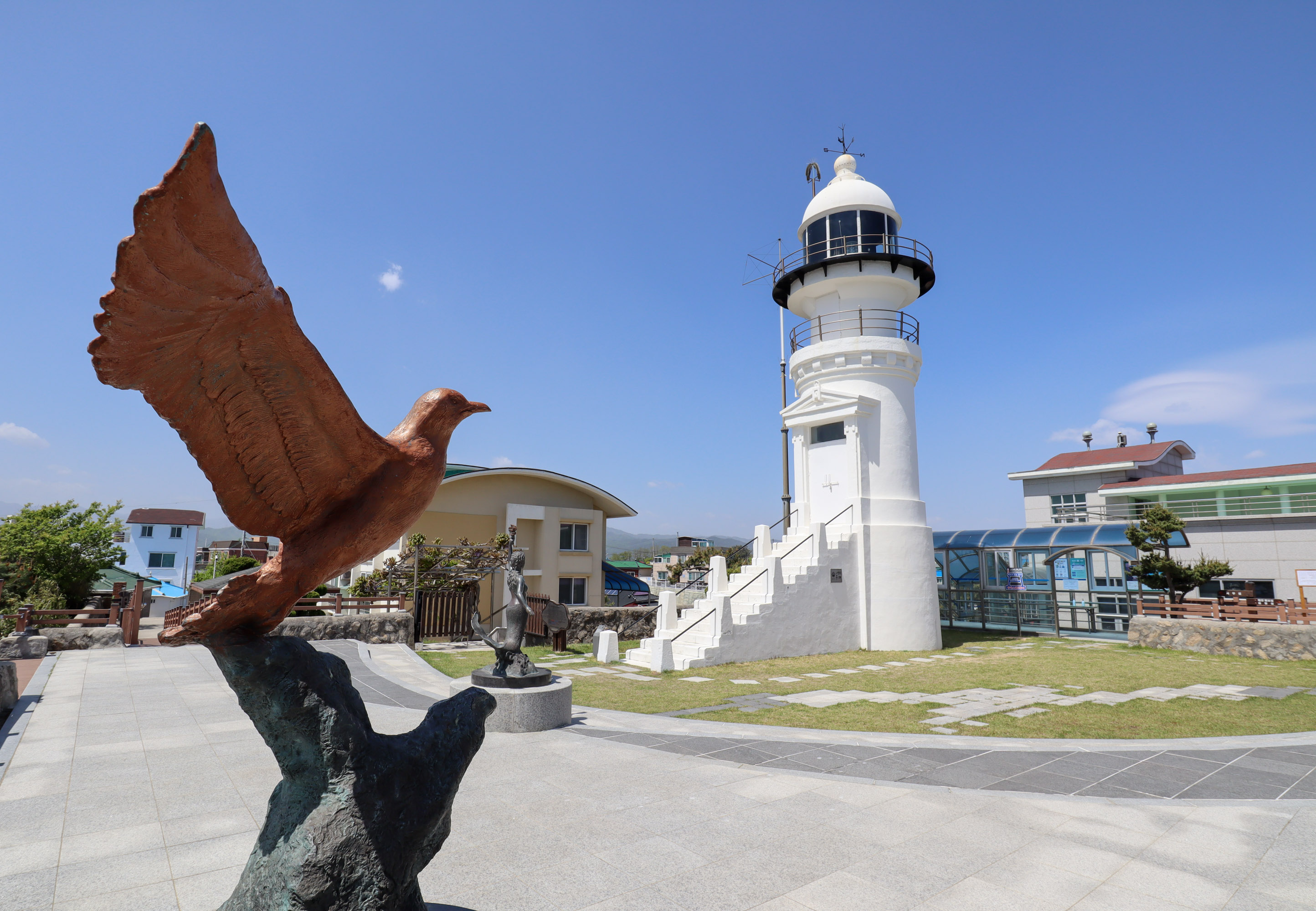 ✦ 76
✦ 76 ✦ 78
✦ 78 ✦ 78
✦ 78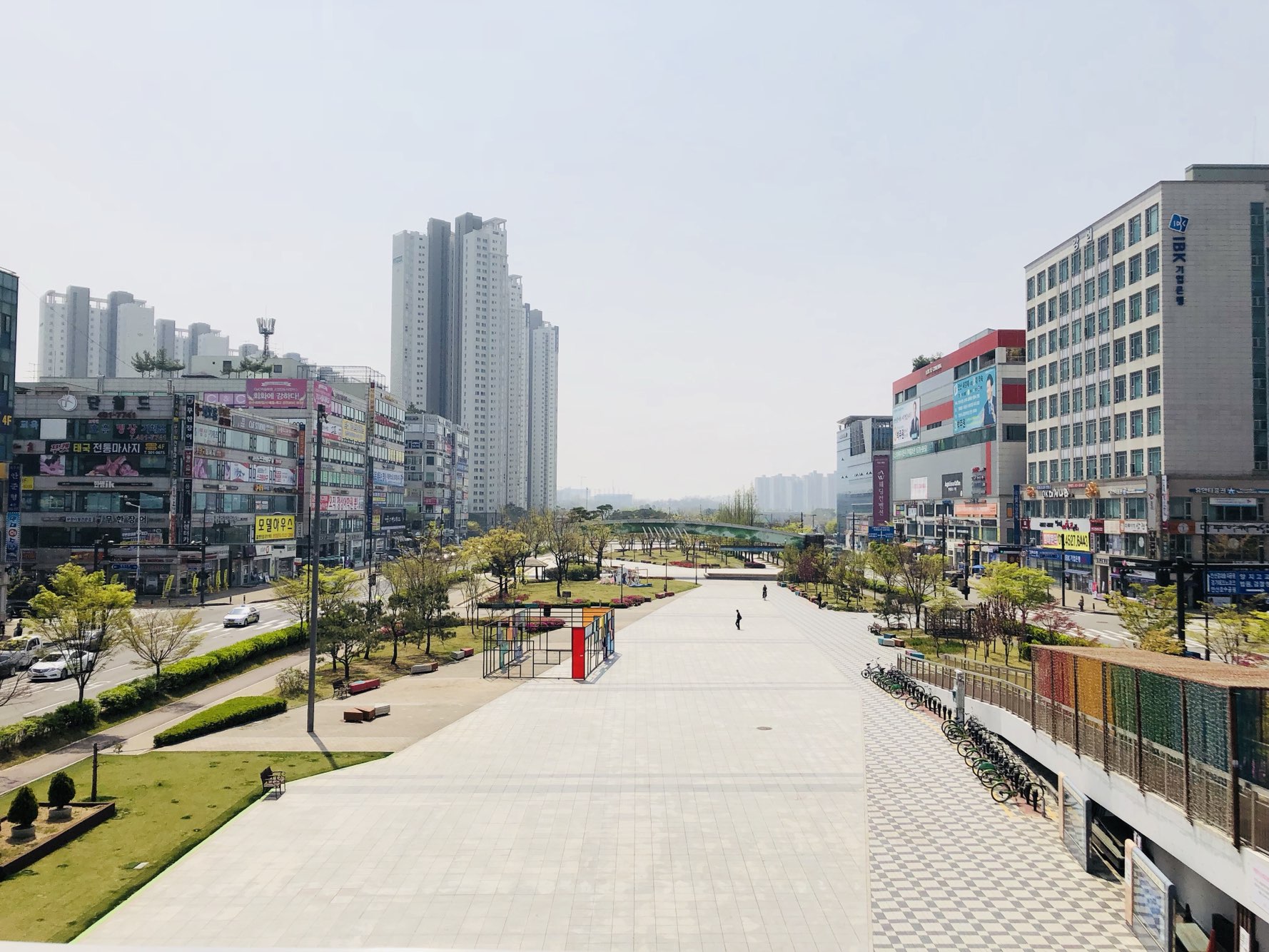 ✦ 78
✦ 78 ✦ 78
✦ 78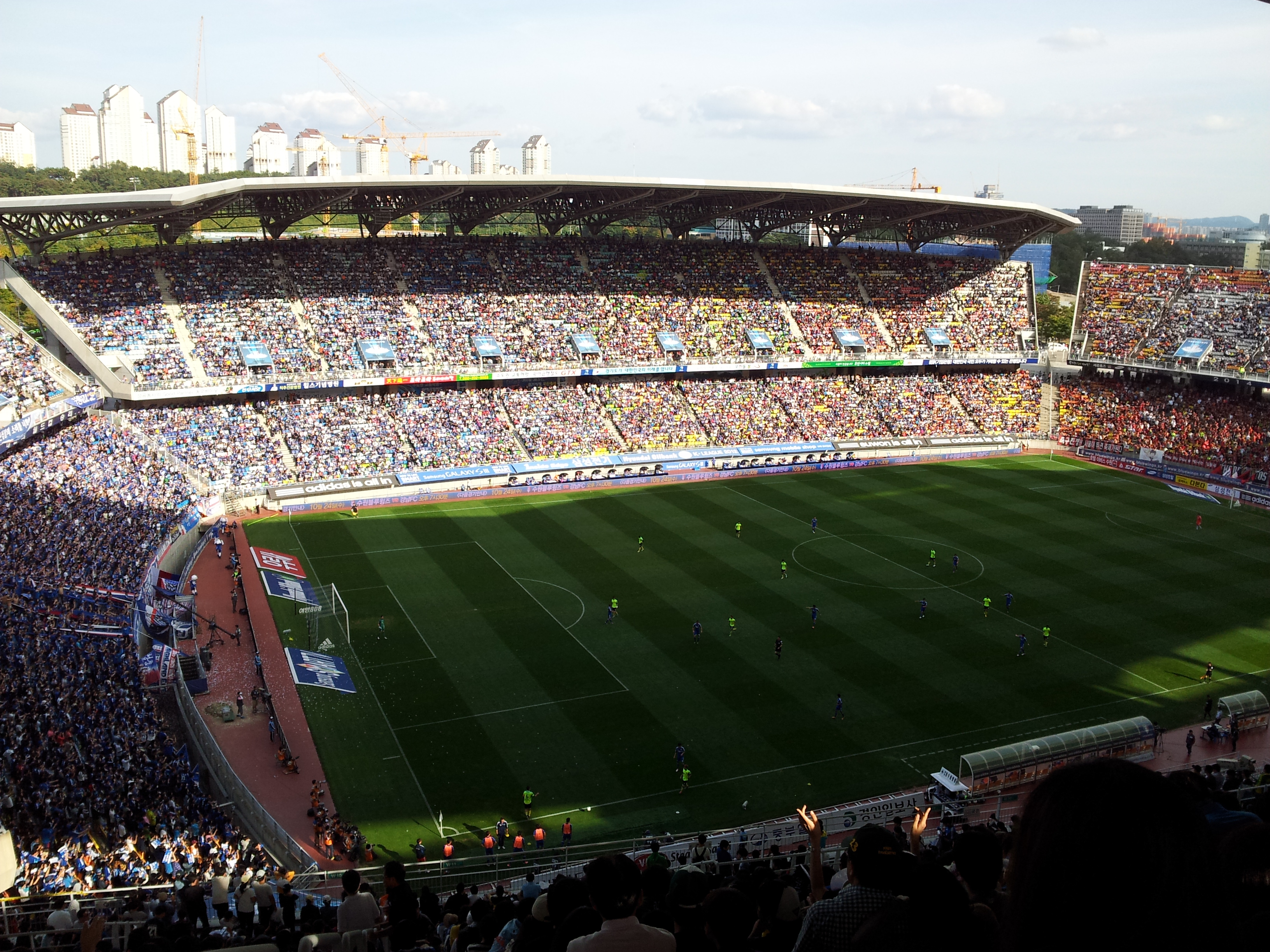 ✦ 80
✦ 80Building the Documentation Story Before You Apply
The D-8 application is essentially a business plan review dressed as a visa application. The immigration authority and consulate are evaluating whether your investment is real, your management role is genuine, and your business has a credible reason to exist in Korea. The documents themselves are extensive - Foreign Investment Notification, business registration, capital remittance certificates, a Foreign Currency Purchase Certificate proving the money came from outside Korea - but what kills applications isn't usually missing paperwork. It's a business plan that doesn't hold up.
Vague plans with no revenue model, generic market analysis copy-pasted from industry reports, and financial projections that bear no relationship to the actual investment amount are the most common reasons for rejection. Korean immigration officers have seen a lot of these. A business plan for a D-8 needs to explain specifically why the business needs to be in Korea, what the market opportunity is, and how ₩100 million is sufficient capitalization for the proposed activity. If you're opening a language school, a consulting firm, an e-commerce operation - the numbers need to be internally consistent and the Korean market rationale needs to be real.
Working with a Korean immigration attorney (행정사, haengjeongsa) who has D-8 experience is less optional than most applicants assume. The FDI registration process alone - filing through KOTRA or a designated Korean bank - has procedural requirements that are easy to get wrong in ways that then complicate the visa application. The cost of getting the structure right before filing is substantially lower than the cost of fixing a rejected application.
Housing and Getting Set Up Before the Business Is Running
Unlike some visa categories where you can apply from your home country and arrive to activate the status, the D-8 typically requires you to have your Korean corporation registered and your investment deposited before the visa is issued. That means some applicants arrive on a tourist entry first, complete incorporation, and then apply for the D-8 either in Korea or by departing and applying from a Korean consulate abroad.
Finding housing before you have an Alien Registration Card (ARC) is quite awkward. Most formal rental agreements in Korea require ARC or at least a confirmed visa status. The practical approach most people use is booking a serviced apartment or guesthouse for the first month, completing the visa and ARC process, then signing a proper lease. Shorter-term furnished apartments in neighborhoods like Itaewon, Mapo, or Yongsan are well-used to foreign tenants and less likely to require complex documentation upfront.
The registered business address requirement for the D-8 is separate from your personal residence. You need a verifiable Korean business address before the visa is approved. Some applicants use virtual office services for this initially, though immigration increasingly wants evidence that the business actually operates from the address, particularly at renewal. Getting a real space early - even a small shared office - is better long-term compliance than a paper address.
What Happens Between Visa and Actual Operating Status
Visa approval is the beginning of the administrative process, not the end. Once you're in Korea on the D-8, you have 90 days to register your Alien Registration Card at your local immigration office. Without the ARC you can't open a personal bank account, can't sign most leases, and can't register for National Health Insurance. That 90-day window sounds generous until you're also trying to get your business properly operational.
National Health Insurance enrollment is mandatory for all registered foreign residents as of 2019. The monthly contribution is approximately 7-8% of declared income split between employee and employer - which, if you're the sole director of your own Korean company, means you're paying both sides. Budget for this from day one rather than discovering it at renewal time.
The first extension after 12 months is where a lot of D-8 holders run into problems they didn't anticipate. Immigration will ask for evidence the business has been active: tax filing records, business income, employee records if any, and continued proof that the capital investment is intact. A dormant company with no revenue and no tax filings won't survive the extension review regardless of how much money is in the corporate account.
The Real PR and Citizenship Path
Permanent residency from the D-8 runs through two different tracks depending on your investment level. The standard track - D-8 for 5 years, accumulate points toward F-2 long-term residency, then F-5 permanent residency - is available but requires passing the Korean Immigration and Integration Program (KIIP), demonstrating Korean language ability, and meeting income thresholds. The investor PR track (F-5-5) is faster at 3 years but requires maintaining a $500,000 investment and employing Korean nationals in the business. The $75,000 entry investment and the $500,000 PR investment are completely different numbers and that gap is rarely explained clearly upfront.
Korean citizenship is a separate and more complicated question. Korea does not recognize dual nationality for naturalized citizens in most circumstances - meaning if you naturalize as Korean, you are expected to renounce your US citizenship. For most Americans, that ends the conversation. PR without citizenship is workable for long-term residents and many D-8 holders never pursue naturalization at all, but going in with clear expectations about what the endpoint actually looks like matters.
D-8 vs Japan's Business Manager Visa
Japan's Business Manager visa is the obvious comparison - similar concept, similar target profile, similar Asian city lifestyle appeal. The practical differences matter. Japan's minimum capital requirement is ¥5 million (around $33,000), lower than Korea's ₩100 million, but Japan requires either two full-time employees or a dedicated business office with a lease, which adds operational cost that Korea's D-8 doesn't mandate at entry. Japan's extension scrutiny is also significant, and the language barrier in daily life is substantially higher than Seoul, where English signage and English-speaking services are quite widespread.
Korea's business environment is more accessible in English than Japan's, and the D-8's investment threshold, while higher in dollar terms at entry, buys you more credibility with the immigration authority because it's treated as serious capitalization. Seoul's startup ecosystem - particularly the concentration of VCs, accelerators, and tech companies in Gangnam and Pangyo - is a real draw for founders that Tokyo doesn't quite replicate at the same density.
The honest comparison: if your goal is to run a business in an East Asian market and you have a genuine Korean business thesis, the D-8 makes sense. If you're choosing between Japan and Korea primarily based on lifestyle preference and have an equally credible business rationale for either, the decision comes down to which city you actually want to live in.
Work Permissions
Application Steps
- 1
📋 Confirm investment threshold and business type
2-4 weeks
- 2
🏛️ Establish Korean company and transfer investment
1-2 months
- 3
📄 Prepare visa application documents
1-2 weeks
- 4
📬 Apply at Korean embassy or immigration office
2-4 weeks
Frequently Asked Questions
Click any question to expand the answer.
Ready to Apply?
Work with trusted visa specialists who handle the paperwork so you can focus on your move.
Get help with this visa →* We may earn a commission if you apply through our link
At a Glance
Last verified: July 15, 2026