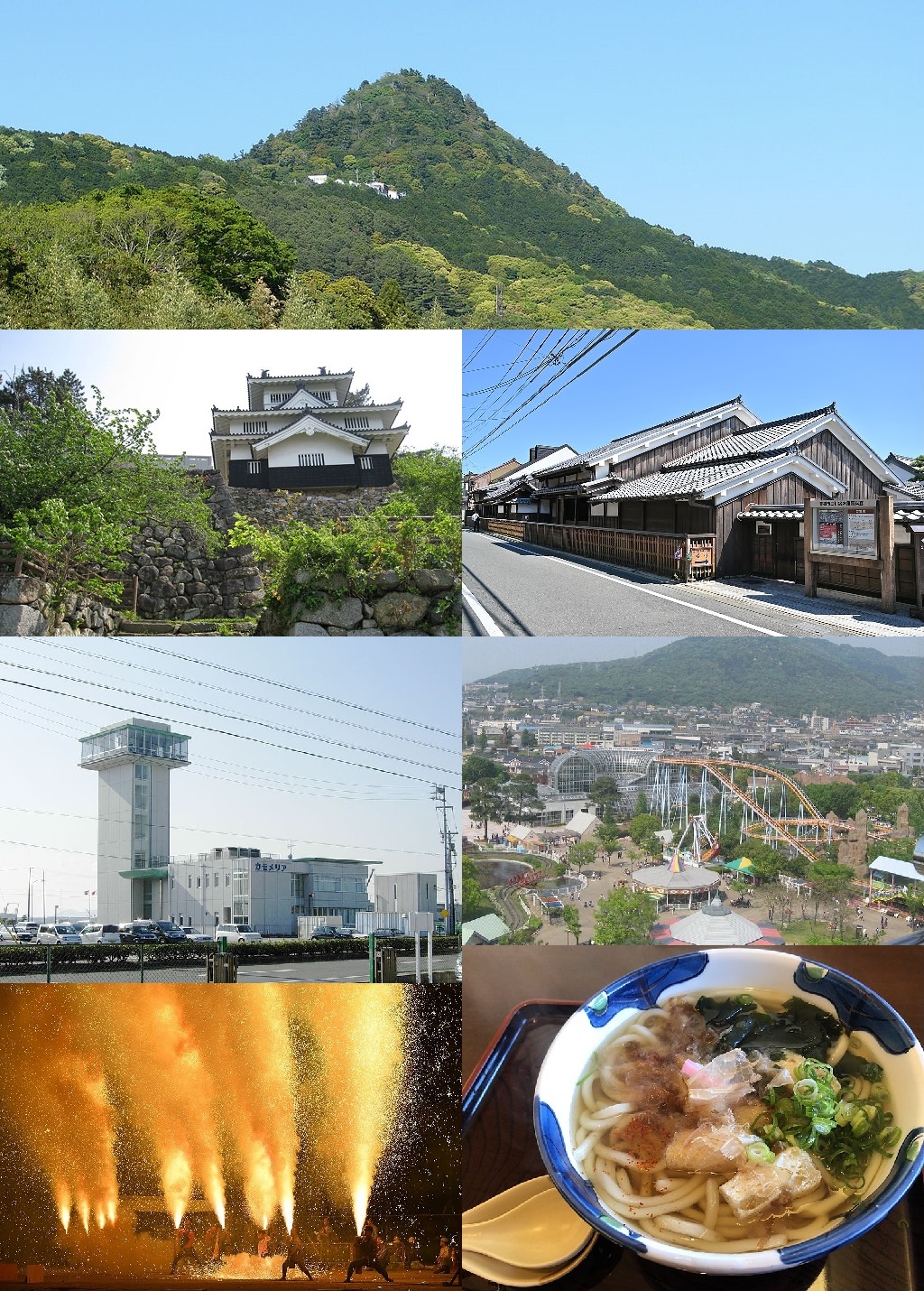
Toyohashi sits on the Pacific coast of central Japan in Aichi Prefecture, a compact city of 322 thousand people built just 5 m above sea level. The climate is subtropical, which means warm, humid summers and mild winters that rarely demand more than a light jacket. Most newcomers who settle here gravitate to the Toyohashi Station Area, the one neighborhood with a recognizable expat presence, though the community overall is small. That station district puts you within walking distance of the shinkansen, local trains, and the everyday shopping streets that make car-free living realistic.
Rent is where Toyohashi separates itself from the big Japanese metros. A one-bedroom apartment in the city center runs $285/mo, and the same unit outside the center drops to $190/mo. Three-bedroom places follow the pattern: $507/mo centrally, $317/mo farther out. Utilities add $95/mo, internet $43/mo, and a mobile plan $19/mo. A single adult can live on a budget tier of $369/mo with rent included, step up to $574/mo mid-range, or reach $774/mo comfortable. Excluding rent, a single person spends about $980/mo, while a family of four spends around $3,100/mo. Eating out stays cheap: $8 for an inexpensive restaurant meal, $32 for a three-course mid-range dinner for two, and $2 for a cappuccino. A gym membership costs $49/mo. Against an average monthly net salary of $1,287/mo and a cost of living index of 68/100 (NYC = 100), the math works for people earning local wages, and it works even better for anyone bringing remote income.
Safety is one of Toyohashi's strongest selling points. The safety index reads 87/100 while the crime index sits at just 13/100, numbers that translate into quiet streets and low anxiety about walking home after dark. Healthcare quality is rated excellent, so routine care and emergencies are handled without the access worries common in many expat destinations. Air quality is decent at an index of 42, helped by the coastal position and the lack of heavy industrial congestion in the residential core. English proficiency is limited, which means daily life rewards at least basic Japanese, but the payoff is a city where services function smoothly and public infrastructure is dependable.
The Japan Digital Nomad Visa is the relevant route for remote workers, and it requires a minimum monthly income of $6,667/mo. Arrivals fly into NGO, 29 km away, which keeps the transfer short. Internet averages 160 Mbps, fast enough for video calls and heavy uploads. Scores land at 78/100 overall and for FIRE, 73/100 for retirees, and 75/100 for digital nomads, a profile that suits remote professionals chasing low rent and high safety, early retirees who want excellent healthcare on a modest budget, and anyone willing to trade a small expat scene and limited English for a calm, affordable base in central Japan.