Japan Business Manager Visa
Japan · Asia
Data updated Sep 11, 2026
Difficulty
Difficult
Duration
12 months
Overview
Qualification for the Business Manager visa hinges on one thing most people underestimate before they start: you are not applying to live in Japan as a remote worker or a freelancer. You are applying to operate a real Japanese company, with real capital, a real office, and at least one qualifying employee on payroll. The 2025/2026 revisions made this explicit in a way the old rules didn't - the capital threshold jumped from JPY 5 million to JPY 30 million, roughly USD 200,000, and that number needs to be sitting in the company, not in your personal account. The commitment you're actually making is to build and maintain a functioning business entity in Japan, indefinitely, because the moment that business stops looking viable, your residency is at risk.
The person who sails through this is someone who already has a business with real revenue, is moving operations into Japan deliberately, and has the capital to capitalize a subsidiary without it materially affecting their financial position. The person who struggles is the freelancer or remote employee who thinks they can form a one-person company and point to their existing client income as the business. That arrangement doesn't satisfy the employee requirement, and immigration officers have seen it enough times that they scrutinize it hard. The person in the wrong category entirely is anyone whose plan is to keep working remotely for a US employer while holding this status - that's not what this visa is designed for, and trying to make it work that way creates compliance problems on both the Japanese and the US side.
Japan taxes residents on worldwide income, and once you've been living there for long enough to matter, that means everything - salary, freelance income, investment gains, dividends. The combined national and local income tax burden can exceed 50% at higher income levels, and the non-permanent resident rules that once offered some protection for foreign-source income have been substantially narrowed. If you're earning USD 8,000 a month and have a meaningful US investment portfolio, you need to run the numbers with a cross-border tax advisor before you apply, not after you arrive.
What this visa unlocks that others don't is the ability to actually operate in Japan's economy as a principal - not as an employee, not as a tourist, but as someone running a company. For founders who want to access Japanese clients, Japanese partners, or simply build something inside one of the world's most operationally serious business cultures, the pathway exists. It's expensive to enter and demanding to maintain, but it's real.
Eligibility Requirements
Min Investment
$200,000
Duration
12 months
Business Income
Business Owner · Self-Employed
Requirements Checklist
Valid passport with at least 6 months validity
Proof of sufficient income (bank statements, employment contract)
Health insurance covering the entire stay
Clean criminal background check
Completed application form with all required documents
Proof of accommodation in the country
Tax Information
Japan Taxes Worldwide Income - and the Rates Are High
Japan taxes its residents on worldwide income. Full stop. Once you establish a domicile (jusho) in Japan or maintain a residence (kyosho) there for one year or more, the Japanese tax authority treats your global earnings as in scope - remote salary paid by a US company, freelance income, foreign dividends, gains from your US brokerage account, rental income from a property you still own back home. All of it is potentially taxable in Japan.
The national income tax brackets are progressive: 5% on income up to roughly $10,000, scaling through 10%, 20%, 23%, 33%, and 40%, with a top rate of 45% above approximately $350,000. On top of that, local inhabitant tax adds roughly 10% across the board. Combined marginal rates can exceed 55% at higher income levels - which puts Japan among the most expensive tax environments a US remote worker could move into.
There is one partial exception worth understanding before you assume the worst. Japan has a non-permanent resident category, which can apply during your first five years of residency if you don't have the intention to reside in Japan indefinitely. Under this status, certain foreign-source income may only be taxable if remitted to Japan rather than taxed on a worldwide accrual basis. Whether your income qualifies for this treatment is highly fact-specific - it depends on income type, source rules, and how your residency is classified. A Business Manager Visa holder running operations in Japan will likely have Japan-source business income regardless, so the non-permanent resident carve-out may not help as much as it sounds.
Japan's Non-Permanent Resident Regime - Narrower Than It Used to Be
Japan does not have a broad expat tax program comparable to territorial or remittance-based systems in other countries. What it does have - the non-permanent resident regime - has become significantly less generous than it once was, and the rules have changed.
For the first five years of residency, if you qualify as a non-permanent resident, foreign-source income that is not remitted to Japan can potentially be excluded from Japanese tax. That sounds useful, but the practical scope is narrower than it appears. Business income earned through Japan-based operations is Japan-source income by definition. Salary paid by a foreign employer for work performed in Japan is also generally Japan-source. What might remain outside the net under remittance-based treatment is passive income - foreign dividends, US rental income, brokerage gains - provided you don't transfer that money into a Japanese bank account.
Dividend and capital gains rates in Japan are a flat 20.315% for listed securities held by residents, with the Japan-US tax treaty limiting withholding to 10% for US residents receiving dividends from Japan, so the tax impact on investment income depends heavily on account structure: Japan does offer some preferential treatment on certain investment income through specific account structures, but for a US person holding a standard US brokerage account, the interaction with Japanese tax law and US reporting requirements makes the actual rate highly situation-dependent.
Anyone considering relying on the non-permanent resident regime to limit their Japanese tax exposure should verify current eligibility and remittance rules with a Japan-qualified tax advisor before applying. The rules have shifted, and what was true five years ago may not be what applies when your visa is approved.
The US Layer - FEIE, FTC, and FBAR
The IRS does not stop taxing you because you moved to Tokyo. US citizens and green card holders file US federal returns on worldwide income for life, regardless of where they live or how long they've been gone.
The Foreign Earned Income Exclusion (FEIE) can apply to earned income - remote salary, freelance fees, self-employment income - once you meet either the Bona Fide Residence Test or the Physical Presence Test. As of 2026, the exclusion limit is $132,900. What FEIE does not cover: dividends, capital gains, rental income, pensions, Social Security. For a Business Manager Visa holder, FEIE may offer some relief on earned income, but because Japan's taxes on salary and business income are high, the Foreign Tax Credit is often the more practical tool - particularly for income that isn't FEIE-eligible.
The Foreign Tax Credit lets you offset US tax liability with taxes already paid to Japan on the same income. When Japanese rates exceed US rates on a given income category - which happens frequently given Japan's top combined rates - the FTC can reduce or eliminate US tax on that income. The mechanics differ by income basket (passive vs. general), and getting the elections right in year one matters for how credits carry forward.
The US-Japan income tax treaty does exist and can reduce double taxation and clarify withholding on certain income types, but it doesn't override domestic residency rules in either country. Practical treaty benefits depend on income type and which treaty articles you're claiming - this is not a set-it-and-forget-it situation.
FBAR: the Business Manager Visa requires you to open a Japanese bank account. Once your combined foreign account balances exceed $10,000 at any point during the calendar year, FinCEN 114 is mandatory. The non-willful penalty for failing to file is approximately $16,700 per violation as of 2026, adjusted from the $10,000 statutory base. The account the visa process requires you to open is the account that triggers this obligation.
Getting Year One Right
The decisions that go wrong in year one tend to be irreversible. Missing the window to establish non-permanent resident status correctly - or failing to document remittance vs. non-remittance treatment from the start - can mean years of retroactive exposure that a clean filing would have avoided. Choosing the wrong FEIE election method (Bona Fide Residence vs. Physical Presence Test) has multi-year consequences because revoking a Bona Fide Residence election locks you out of FEIE for several years afterward. And FBAR non-filing for the account your visa required you to open is exactly the kind of thing that gets missed when someone assumes their US accountant is handling the foreign side, or vice versa.
The practical investment is a US expat CPA and a Japan-qualified tax advisor working in coordination during your first year - combined advisory costs typically run $1,500 to $3,000. What that buys is correct FEIE or FTC elections from the start, proper non-permanent resident status documentation if you qualify, treaty positioning on applicable income, and FBAR compliance for every account you open. It also means someone has actually looked at your specific income mix - salary, dividends, gains, rental income - against both tax systems simultaneously, which is the only way to know which elections actually benefit you.
Japan's tax environment is demanding, and the complexity compounds when you layer US obligations on top. Year one sets the structure that everything else runs on.
Living in Japan
COL Index vs NYC
45.6
Monthly Cost (excl. rent)
$830
1BR Rent (City Center)
$532
Safety Index
77.1
Healthcare Index
80.0
Quality of Life Index
185.2
Time Zone
UTC+09:00
Capital
Tokyo
Population
125.8M
Official Languages
Japanese
Avg Internet Speed
399 Mbps
Public Transit Quality
Excellent
With a budget covering rent and living costs, you'd need roughly $1,362/mo for a comfortable single-person lifestyle in Japan.See how far your money goes →
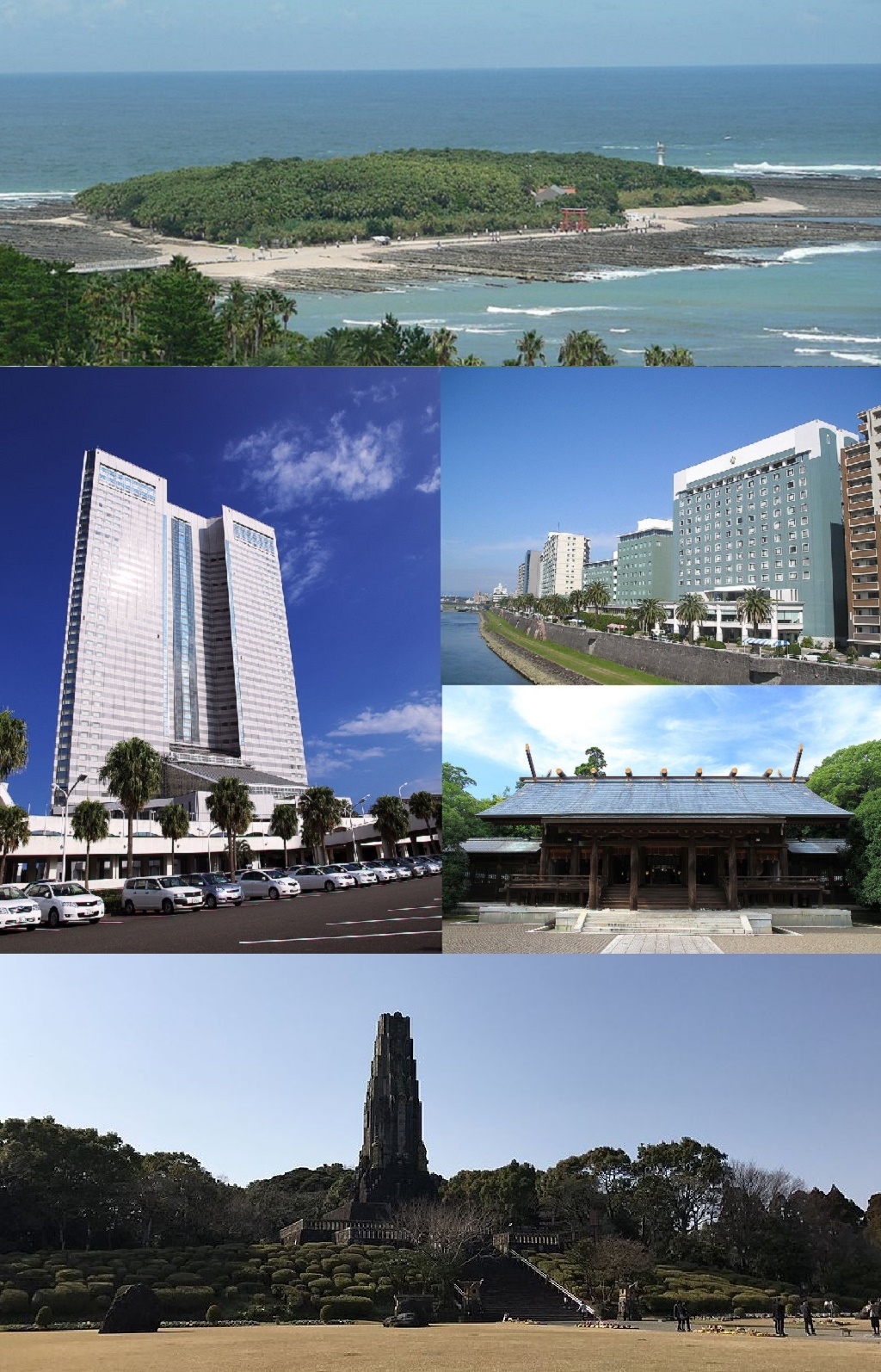
🏙️ Best Cities in Japan for Investors & FIRE Seekers
 ✦ 89
✦ 89 ✦ 81
✦ 81 ✦ 81
✦ 81 ✦ 91
✦ 91 ✦ 81
✦ 81 ✦ 88
✦ 88Getting Your Income Documentation Story Straight
The application doesn't ask for proof of personal income in the way a digital nomad visa might. What it asks for is proof that the business is real, capitalized, and capable of sustaining itself - and those are harder documents to assemble than a bank statement. Your business plan needs to be specific enough that an immigration officer who has never heard of your industry can follow the revenue logic. Vague projections don't work. Neither does a plan that essentially describes you doing the same freelance work you were doing before, now through a Japanese entity.
Capital evidence is the piece most applicants underestimate in terms of documentation complexity. The JPY 30 million needs to be verifiable as having been invested into the company - incorporation documents, bank records showing the transfer, and in some cases an accountant's certification. If the money is coming from overseas, the transfer trail needs to be clean and traceable. Immigration isn't just checking that the number is right; they're checking that the money actually moved the way you say it did.
The business plan is probably the document that gets the most people into trouble, not because they lie, but because they write it like a pitch deck rather than an operational document. What immigration wants to see is how the business will function in Japan specifically - who the customers are, why Japan, how you'll hire, what the office is for. The more concrete the better. If your plan reads like it could describe a business anywhere in the world, it probably needs another draft.
The Office Requirement and Where People Get It Wrong
A virtual office address is not sufficient, and this has been tested enough times that it's not a gray area anymore. The office needs to be a space you actually use, with a lease in the company's name, and immigration may ask for photographs of the interior. The practical implication is that you need to have this lease signed before you submit your Certificate of Eligibility application - which means you're paying rent on a Japanese office for the months it takes to process, before you've been approved to live there.
Some applicants try to solve this by using a shared office or co-working space with a dedicated desk arrangement. This can work, but the lease needs to be structured correctly and the space needs to look like a real place of business in the photographs. A hot-desk membership at a co-working chain is unlikely to satisfy the requirement. A private office with a proper lease, even in a shared building, has a better track record.
The timing problem is real. You're committing to office costs, potentially employee costs, and capital lock-up before you have certainty that the COE will be approved. Most people who do this successfully treat the pre-approval period as part of the cost of entry, not a surprise. Budget for three to six months of operating costs before you arrive.
What Actually Happens After You Land
COE approval means you're cleared to apply for the visa at a Japanese consulate. It does not mean you're done. After entry, you need to complete residence card registration at the airport or a municipal office, register your address with the local ward office within two weeks, and enroll in Japan's national health insurance and pension systems. None of this is optional, and falling behind on any of it creates compliance problems that can affect renewal.
The first grant period is commonly one year, which is short enough that you'll be preparing your renewal application before you've fully settled into running the business. That renewal is evaluated on actual business performance - tax filings, payroll records, evidence that the office is still operational, evidence that the employee requirement is still being met. If the business has had a slow first year, you need to be able to explain that credibly with documentation, not just assert that things are improving.
The gap between visa approval and having a functioning life in Japan is longer than most people expect. Banking takes time. Setting up payroll takes time. Finding an accountant who handles both Japanese corporate compliance and US expat filing obligations takes time, and you want that person identified before you land, not after.
The Long-Term Path to PR and Citizenship in Practice
On paper, permanent residence is available after ten years of lawful residence, with a clean compliance record and stable finances. In practice, for business managers, the path is more conditional than that framing suggests. Every renewal is an evaluation of whether your business still meets the standards - and if a renewal is denied, the clock on your residency doesn't just pause, it potentially resets. People who have been in Japan for eight years on this status and hit a bad renewal cycle have had to start over.
The compliance requirements that matter most for PR eligibility are the ones that are easiest to let slip when you're busy running a business: tax filings filed on time, national pension contributions paid, health insurance maintained, employee payroll documented correctly. Immigration reviews all of this. A pattern of late filings or gaps in contributions is the kind of thing that doesn't block a renewal outright but does complicate the PR application in ways that are hard to fix retroactively.
Citizenship requires roughly five years of residence, not ten, but it also requires demonstrating Japanese language ability in practice and going through a naturalization process that involves significant personal disclosure. The language requirement is not a test with a passing score - it's an interview, and the bar is functional daily communication. For most people coming from outside Japan, that's a multi-year project on its own, which means it needs to start early if citizenship is actually the goal.
Business Manager vs. Highly Skilled Professional - A Judgment Call
The Highly Skilled Professional visa is faster to PR and lower in upfront cost, but it's designed for people who are joining an existing Japanese company in a senior role, not for people who want to own and run their own operation. If you have a genuine offer from a Japanese employer at a qualifying salary and your profile scores well on the points system, HSP is worth examining seriously. If you're a founder, or if your plan is to build something rather than join something, HSP isn't really available to you in a meaningful sense.
The Singapore EntrePass comparison comes up often because Singapore is the other obvious English-friendly, high-income-country option for founders in Asia. Singapore's process is faster, the tax environment is more favorable at higher income levels, and the startup ecosystem is more internationally connected. Japan offers something different: a domestic market of genuine scale, a business culture that rewards long-term relationships and operational seriousness, and a quality of life that Singapore's density and cost can't match for certain people. The decision between them is less about which is easier and more about which market you actually want to be in and what kind of business you're building.
Work Permissions
Application Steps
- 1
📋 Establish or acquire a Japanese company
1-2 months
- 2
📋 Secure a registered Japanese office address
2-4 weeks
- 3
📄 Prepare supporting business documents
1-2 weeks
- 4
⏳ File COE application at Immigration Bureau
1-3 months
- 5
📬 Apply for visa at Japanese consulate
1 week
Frequently Asked Questions
Click any question to expand the answer.
Ready to Apply?
Work with trusted visa specialists who handle the paperwork so you can focus on your move.
Get help with this visa →* We may earn a commission if you apply through our link
At a Glance
Last verified: July 15, 2026