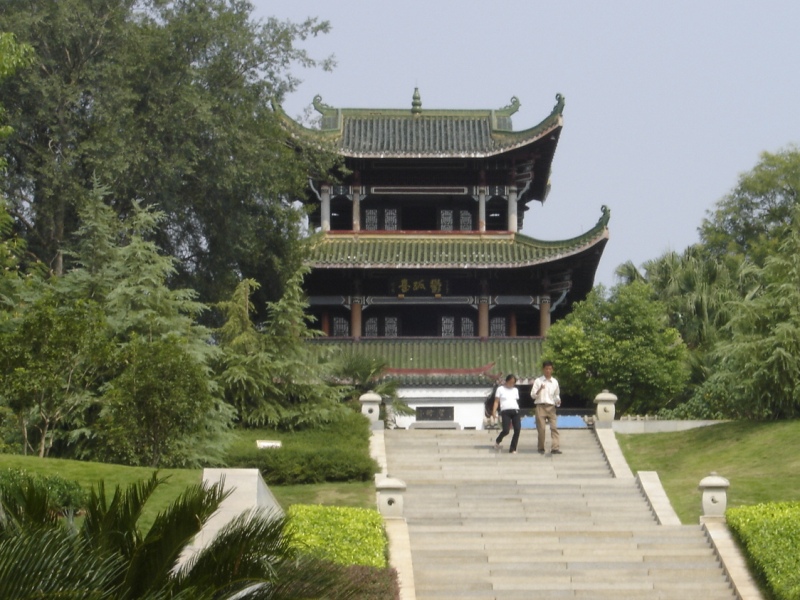
Ganzhou, China
Data updated Sep 3, 2026
📊 Scores
Best fit: FIRE / Geoarbitrage (score: 91)
Rare earth mining and processing is the economic backbone here — Ganzhou sits atop some of the world's largest deposits of heavy rare earth elements, feeding supply chains for electronics, EVs, and defense industries globally. Beyond extraction, industrial parks host electronics assembly, food processing, and logistics operations. The high-speed rail connection to Guangdong has accelerated manufacturing relocation from higher-cost coastal cities. For expats, realistic work options are limited to teaching English, working for a foreign-invested manufacturer, or running a remote business — local hiring outside those lanes is rare.
A one-bedroom in the city center runs around $261/month, and you can eat well for under $5 a meal at local restaurants. Healthcare exists at public hospitals, but English-speaking doctors are essentially nonexistent — medical tourism to Guangzhou (2.5 hours by high-speed rail) is a real consideration for anything serious. Mandarin is the working language; Hakka dialect is common in older neighborhoods. Bureaucracy for residence permits follows standard Chinese procedures, which means paperwork-heavy and occasionally opaque, though Ganzhou's foreign population is small enough that local PSB offices can be inconsistent in their familiarity with expat cases.
The subtropical climate delivers hot, humid summers and mild winters, with persistent rain from March through June that gets genuinely tedious. Weekends mean exploring Hakka tulou-style architecture, hiking in Tongtianyan scenic area, or eating your way through local specialties like fish ball soup and rice wine dishes. The expat community is tiny — think dozens, not hundreds — so social life defaults to Chinese colleagues or online communities. This city suits a specific profile: remote workers or manufacturing professionals who want low overhead, don't need an expat social bubble, and are comfortable operating almost entirely in Mandarin.
🏚️ Cost of Living
💰 Budgets and Costs
Grocery Basket
Eating Out
Utilities & Lifestyle
Housing
A 1BR in the center runs about $471.1/mo. If your income is in another currency, bank FX fees add up. A multi-currency account can cut that cost.
See low-fee transfersWe may earn a commission at no cost to you.
💰 Real Spend Reports
🛡️ Safety & Crime
(Higher is safer)
(Lower is safer)
Ganzhou is a relatively safe city for expats, with low violent crime and a strong police presence typical of Chinese cities. Petty theft and scams targeting foreigners exist but are uncommon; remain cautious with valuables in crowded areas and be skeptical of unsolicited financial schemes. The main concerns are navigating language barriers in emergencies, limited English-language medical facilities, and China's surveillance environment. For Americans accustomed to major U.S. cities, Ganzhou feels noticeably safer day-to-day, though you'll need patience with bureaucracy and acceptance of limited personal privacy.
🏥 Healthcare
🌤️ Climate
Best Months
Climate Notes
Ganzhou has a humid subtropical climate with hot, wet summers (May-September) and mild, dry winters, making spring and autumn the most comfortable seasons for expats.
💻 Digital Nomad
Community Notes
| Name | Price/mo | Notes |
|---|---|---|
| Regus Ganzhou | $150 | Regus offers a reliable and professional coworking environment in various locations within Ganzhou. It's a good option for those seeking a familiar international brand with standard amenities and flexible terms, often located in central business districts. |
| Ganzhou Coworking Space | $100 | This coworking space provides a collaborative environment for startups, freelancers, and small businesses. It features modern amenities, meeting rooms, and networking opportunities, fostering a sense of community among its members. |
Working remotely from Ganzhou? Nomad health insurance covers you across borders, month to month.
See nomad insuranceWe may earn a commission at no cost to you.
🧳 Expat Life
Expat Life Notes
A historic city in Jiangxi known for its old city walls. Expat life is minimal and centered on education.
Pros
- ✓ Well-preserved history
- ✓ Low living costs
Cons
- ✗ Very limited English
- ✗ Isolation from expat hubs
- ✗ Industrial pockets
🛂 Visa Options for China
Many long-stay visas require proof of health insurance. Compare international health plans before you apply.
Compare health insuranceWe may earn a commission at no cost to you.
Not sure which China visa you qualify for?
Answer 10 questions and get a personalized match in under 2 minutes.
Could living/working in Ganzhou cut years off your work life?
With a 1-bedroom in the center at $471/mo, your FIRE number here might be much lower than you think.
Moving to Ganzhou? Estimate what an international move would cost and compare mover quotes.
Estimate my move costShare This Guide
Ganzhou won't stay this cheap forever.
Cost-of-living and visa updates for Ganzhou and the rest of China. Free with RA Postcards.
By submitting your email address, you will receive a free subscription to RA Postcards and special offers from Rewire Abroad and our affiliates. You can unsubscribe at any time, and we encourage you to read more about our Privacy Policy.