Nakagyo
Downtown commercial and retail core

Best fit: Digital Nomad (score: 63)
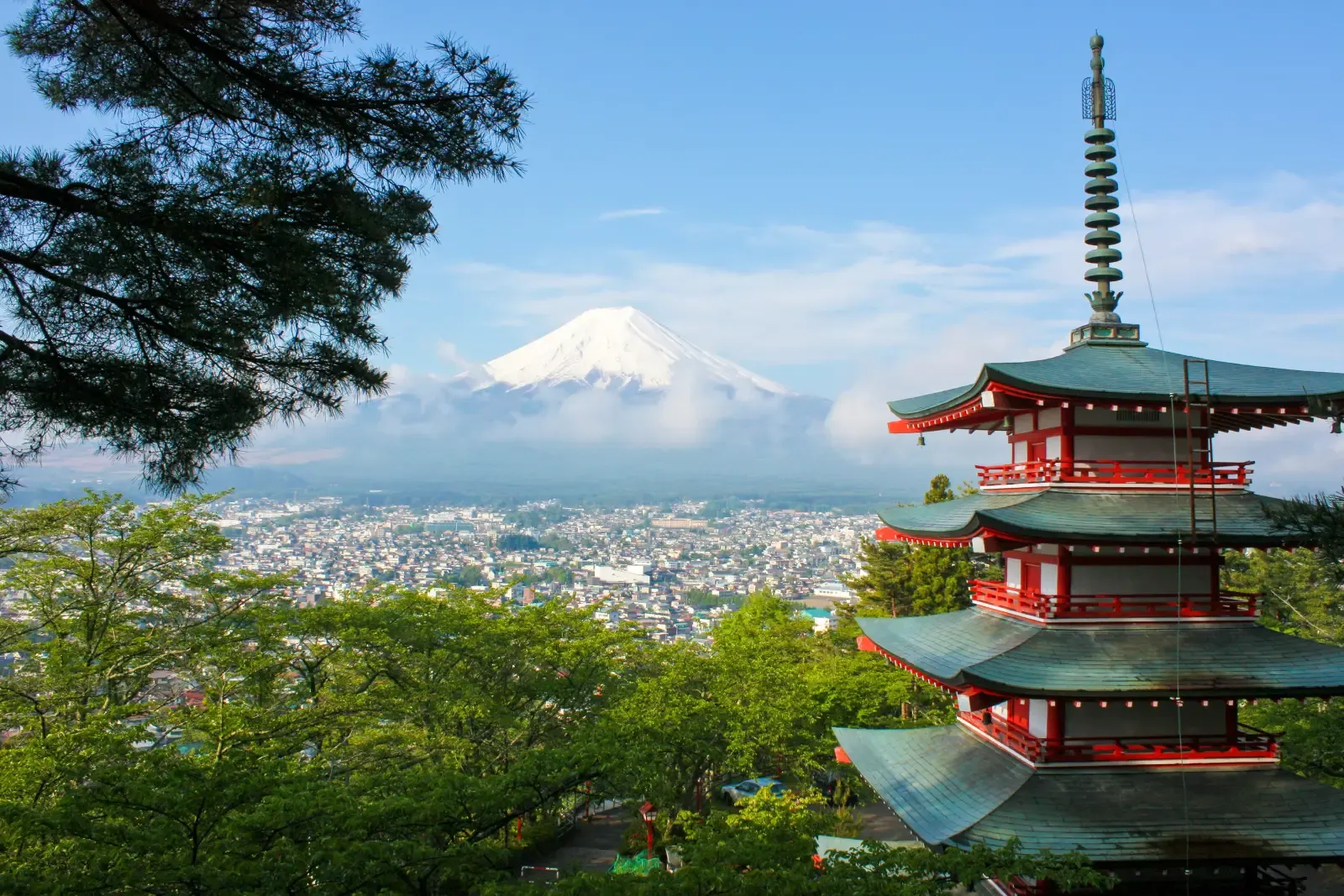
Kyoto is the capital of Kyoto Prefecture and the seat of the prefectural government, a city of 1,437,377 residents in the 2024 official estimate. It sits in the Yamashiro Basin, surrounded on three sides by the Higashiyama, Kitayama and Nishiyama mountains. The city was Japan’s imperial capital for more than a thousand years, and the Agency for Cultural Affairs moved its headquarters there in 2023. The historic center around the Imperial Palace and the Kamo River remains the administrative and cultural core.
Daily life runs on a bus network and a two-line subway, supplemented by JR and private rail lines. The Karasuma Line runs north to south with 15 stations, and the Tozai Line runs east to west with 17, meeting at Karasuma Oike. Kyoto Station is the main rail hub, with JR, Kintetsu and Shinkansen services. The nearest airport is Osaka Itami, 39 km southwest, which handles domestic flights; Kansai International, the main international airport, is about 75 minutes away by Haruka express. The city is not coastal, and the mountains and the Kamo River define its geography.
Healthcare is strong: Kyoto University Hospital is a JMIP-accredited national university hospital with on-site English interpreters six days a week and interpretation in multiple languages. The city has roughly 95 hospitals and 1,600 clinics. English is common in tourist areas and universities but limited in public offices. The foreign-resident population was 42,567 at the end of 2024, about three in every hundred residents. The main practical drawbacks are summer heat and humidity, which push August highs to 34°C, and the concentration of visitors in the central wards.
Get a free moving cost estimate for moving to Kyoto, Japan. Takes 10 seconds.
How much are you shipping?
When are you moving?
Powered by Sirelo. Free quotes from international movers.
A category breakdown is not available for Kyoto yet. We publish a breakdown only when every category can be priced from local data, rather than showing figures we cannot stand behind.
Still needed for a full breakdown: grocery prices, restaurant prices and utility bills.
If your income is in another currency, bank FX fees add up every month. A multi-currency account can cut that cost.
See low-fee transfersWe may earn a commission at no cost to you.
See how Kyoto's cost of living compares with Osaka
Japan carries a Level 1 advisory from the US State Department, which asks travelers to exercise normal precautions. Kyoto’s main practical risks are natural: summer heatstroke, typhoon-season flooding in the Kamo River basin, and earthquakes.
Kyoto University Hospital has on-site English interpreters six days a week and can arrange interpretation in multiple languages. The city has roughly 95 hospitals and 1,600 clinics, and private clinics are available in the central wards.
See how Kyoto's healthcare compares with Osaka
Kyoto has a humid subtropical climate with a mean annual temperature of 16.2°C and 1,522.9 mm of rain, according to the 1991-2020 normals for the city’s weather station. August averages a high of 33.7°C and a low of 24.7°C, January averages 1.5°C to 9.1°C, and June and July carry the heaviest rain of the year. The air quality figure shown is annual mean PM2.5 in µg/m³ (about 10.9), not an AQI score.
Remote workers tend to use cafés and coworking spaces in the central wards, with Nakagyo and Sakyo the most popular, and M-Lab’s measured median download speed near 88 Mbps is comfortable for video calls and cloud work.
Planning to live in Kyoto long-term? Japan Digital Nomad Visa lets remote workers live legally with a minimum income of $6,667/month.
View full requirements →Working remotely from Kyoto? Nomad health insurance covers you across borders, month to month.
See nomad insuranceWe may earn a commission at no cost to you.
See how Kyoto's digital nomad life compares with Osaka
Kyoto’s foreign community is shaped by universities, research institutes and cultural organisations, with a settled academic population in Sakyo and a smaller remote-work set downtown. English is common in hotels, cafés and university offices but rare in ward offices.
Areas of Kyoto that expats often consider.
Conditions can change from one block to the next, and these descriptions are general guides, not safety assessments. Before choosing where to stay or live, check current travel advisories, talk to people who live there, and visit in person if you can.
Downtown commercial and retail core
Kyoto Station and transport hub
University and research district
Imperial Palace and quiet residential streets
With a 1-bedroom in the center at $532/mo, your FIRE number here might be much lower than you think.
Many long-stay visas require proof of health insurance. Compare international health plans before you apply.
Compare health insuranceWe may earn a commission at no cost to you.
Earning over $6,667/mo? You may qualify for a Japan visa.
Answer 11 questions and get a personalized match in under 2 minutes.
Click any question to expand the answer.
Cost-of-living and visa updates for Kyoto and the rest of Japan. Free with RA Postcards.
By submitting your email address, you will receive a free subscription to RA Postcards and special offers from Rewire Abroad and our affiliates. You can unsubscribe at any time, and we encourage you to read more about our Privacy Policy.