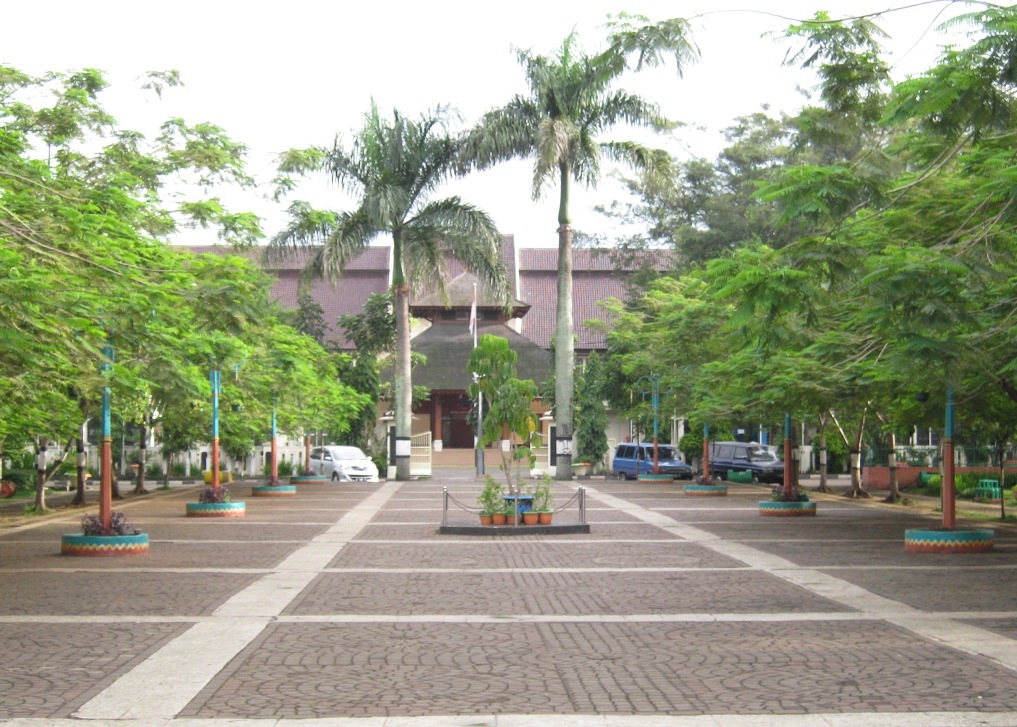
Cimahi sits 712 meters above sea level in the West Java highlands, giving it a tropical rainforest climate that stays cooler than the coastal lowlands. The city has a population of 587 thousand, and the expat community here is very few. Most expats who do settle choose the Cimahi City Center neighborhood, which is the main area for amenities and rentals.
Living costs in Cimahi are low. A single adult's monthly budget excluding rent runs about $420, and a family of four spends roughly $1,300 per month on the same items. Rent is also affordable: a one-bedroom in the city center costs $320 per month, while outside the center it drops to $220. A three-bedroom in the center is $650, and outside the center it is $450. Utilities run $34 per month, internet is $19, a mobile phone plan is $4, and a gym membership is $14. A meal at an inexpensive restaurant costs $2, a three-course meal for two at a mid-range restaurant is $14, and a cappuccino is $2. The average monthly net salary locally is $251, so the cost of living index of 33 out of 100 (New York City = 100) reflects how far local wages stretch.
Cimahi has a safety index of 59 out of 100 and a crime index of 41 out of 100, where a lower crime index is safer. Healthcare quality is rated as good. The air quality index is 55, with lower being better. English proficiency is limited, so some basic Indonesian helps with daily interactions.
For long-term stays, Indonesia offers the Retirement Visa (KITAS) and the Remote Worker Visa (E33G), both requiring a minimum monthly income of $2,000 per month. The nearest airport is BDO, just 4 kilometers from the city. Cimahi scores 80 out of 100 overall for expats, with a FIRE score of 82 out of 100, a retiree score of 59 out of 100, and a digital nomad score of 53 out of 100. It suits budget-conscious expats, retirees meeting the visa income threshold, and remote workers who can handle limited English and a small expat community.