Indonesia Second Home Visa
Indonesia · Asia
Data updated Sep 3, 2026
Application Fee
$1,161
Processing Time
~2 wks
Difficulty
Moderate
Duration
12 months
Path to Citizenship
3 years
Overview
An applicant needs at least USD 130,000 in qualifying savings or investment value, and the supporting examples here are real estate rather than employment income. A reader pulling USD 3,800/month from dividends and rent does not get a monthly-income test from the stated facts; the gate is the USD 130,000 capital threshold, with local work explicitly not permitted and no local income floor disclosed.
Presence is close to zero: the physical presence requirement is 0 days per year, and there is no disclosed maximum consecutive absence. That makes this a paper-and-maintenance residency rather than a stay-based one, so someone splitting time between Indonesia and another country does not have to plan around annual day counts. The permit lasts 12 months, is renewable, and the published processing time is 1.6 weeks (as of 2026).
This route does not lead to permanent residency, but the file says 3 years to PR while also marking leads to PR as No, which means there is no ordinary automatic pathway to permanent residence attached to the visa itself. The official eVisa page says the stay can be extended, with the visa usable within 90 days from issue, and the listed application fee is USD 1,161 (as of 2026).
The friction sits in the documentation stack. Indonesia requires a local bank account, passport validity of at least 36 months, and either proof of funds or qualifying real estate; apostille, FBI background check, medical exam, and interview are not required in the stated facts. The official eVisa site says the visa is prohibited from working in an employment relationship, and the program can be revoked or converted if the conditions are breached.
This makes most sense if you already have USD 130,000 parked for residency and want 12 months with 0 days/year presence, not a work-based permit. It is a poor fit if your plan depends on earning Indonesian-source salary or if your asset base sits below USD 130,000 and cannot be moved into the required local banking or property structure.
Eligibility Requirements
Any nationality can apply in principle under the stated eligibility rules. The practical friction point is not a formal nationality bar but banking and consular handling for applicants tied to sanctioned or diplomatically isolated jurisdictions such as Iran, North Korea, Syria, Cuba, and Russia, where account opening, transfers, and document acceptance can slow or block the file even when the visa rule itself is nationality-open. The official authority to verify before building a packet is Indonesian Immigration, via the Directorate General of Immigration and its official eVisa system at evisa.imigrasi.go.id.
Min Savings
$130,000
Min Investment
$130,000
Application Fee
$1,161
Min Age
19 yrs
practical
Duration
12 months
Physical Presence
None required
Requirements Checklist
• Identity: Passport valid for at least 36 months from date of application; recent color photograph 4×6 cm with white or light background.
• Financial: Personal bank statement showing minimum balance of IDR 2,000,000,000 or equivalent in foreign currency; proof of funds deposited in an Indonesian bank (to be shown within 90 days after arrival) or proof of ownership of qualifying property of equivalent value if using property route; minimum personal balance proof (often around USD 2,000) where requested by some authorities/agents.
• Other: Curriculum vitae (CV); statement letter/undertaking to place required deposit in Indonesian bank or to purchase qualifying property (where required by local practice).
• Family-Identity: Passport valid for at least 36 months from date of application for each dependent; recent color photograph 4×6 cm for each dependent (where requested).
• Family-Relationship: Marriage certificate for spouse; birth certificate for children; other official family card or equivalent, if applicable.
• Translation: Official or sworn translation into Indonesian or English of marriage certificates, birth certificates, and other family‑tie documents if not originally in Indonesian or English.
Tax Information
Local tax picture
Indonesia’s tax regime here is tagged as resident, which is the opposite of a territorial carve-out. On the facts provided, the visa itself does not state a special exemption for foreign-source salary, ETF dividends, pension distributions, or rental income from property abroad, so the safe reading is that once you are treated as a local tax resident, Indonesia can tax resident income under its normal resident rules. Local work is not permitted under the visa facts, so remote salary tied to work performed abroad is still a tax question, not a visa-permission question.
Capital gains on foreign ETFs or index funds are taxed as ordinary income, with a top rate of 35% for individuals, so I cannot honestly pin down a treaty-style exemption or a special preferential rate from the provided record. Tax residency is triggered by 183 days or more in a 12-month period, and the visa’s 0 days/year physical presence requirement does not itself erase tax residency risk.
There is no US-Indonesia tax treaty. That means there is no confirmed statement here on whether the treaty covers dividends, Social Security, or only limited categories, and no totalization agreement can be assumed from this page alone.
For US Citizens and Green Card Holders
- FEIE uses Form 2555 and covers earned income only, up to $132,900 for 2026.
- FEIE does not cover dividends, capital gains, pension distributions, or Social Security.
- With 0 days/year physical presence required by this visa, the Physical Presence Test can still work only if you actually spend 330 days in a 12-month period outside the US; the visa structure does not create that count for you.
- FTC uses Form 1116 and only offsets US tax when Indonesia actually taxes the same income stream. If Indonesia’s effective tax on foreign passive income is low or absent, FTC does not shelter much or anything on that income.
- FBAR, FinCEN 114, applies when foreign account balances exceed $10,000 at any point in the year; opening a required Indonesian local bank account makes that filing live immediately.
- FATCA Form 8938 may also apply depending on overall asset levels.
For year one, the right pair is a US CPA who works on expat FEIE/FTC/FBAR returns and an Indonesian tax advisor who handles residency registration and local filings. On a case like this, USD 1,500–USD 3,000 in professional help often pays back through avoided penalties and cleaner elections.
Living in Indonesia
COL Index vs NYC
24.6
Monthly Cost (excl. rent)
$430
1BR Rent (City Center)
$311
Safety Index
54.0
Healthcare Index
60.9
Quality of Life Index
102.4
Time Zone
UTC+07:00
Capital
Jakarta
Population
273.5M
Official Languages
Indonesian
Avg Internet Speed
75 Mbps
Public Transit Quality
Fair
With a budget covering rent and living costs, you'd need roughly $741/mo for a comfortable single-person lifestyle in Indonesia.See how far your money goes →
🏙️ Best Cities in Indonesia for Expats
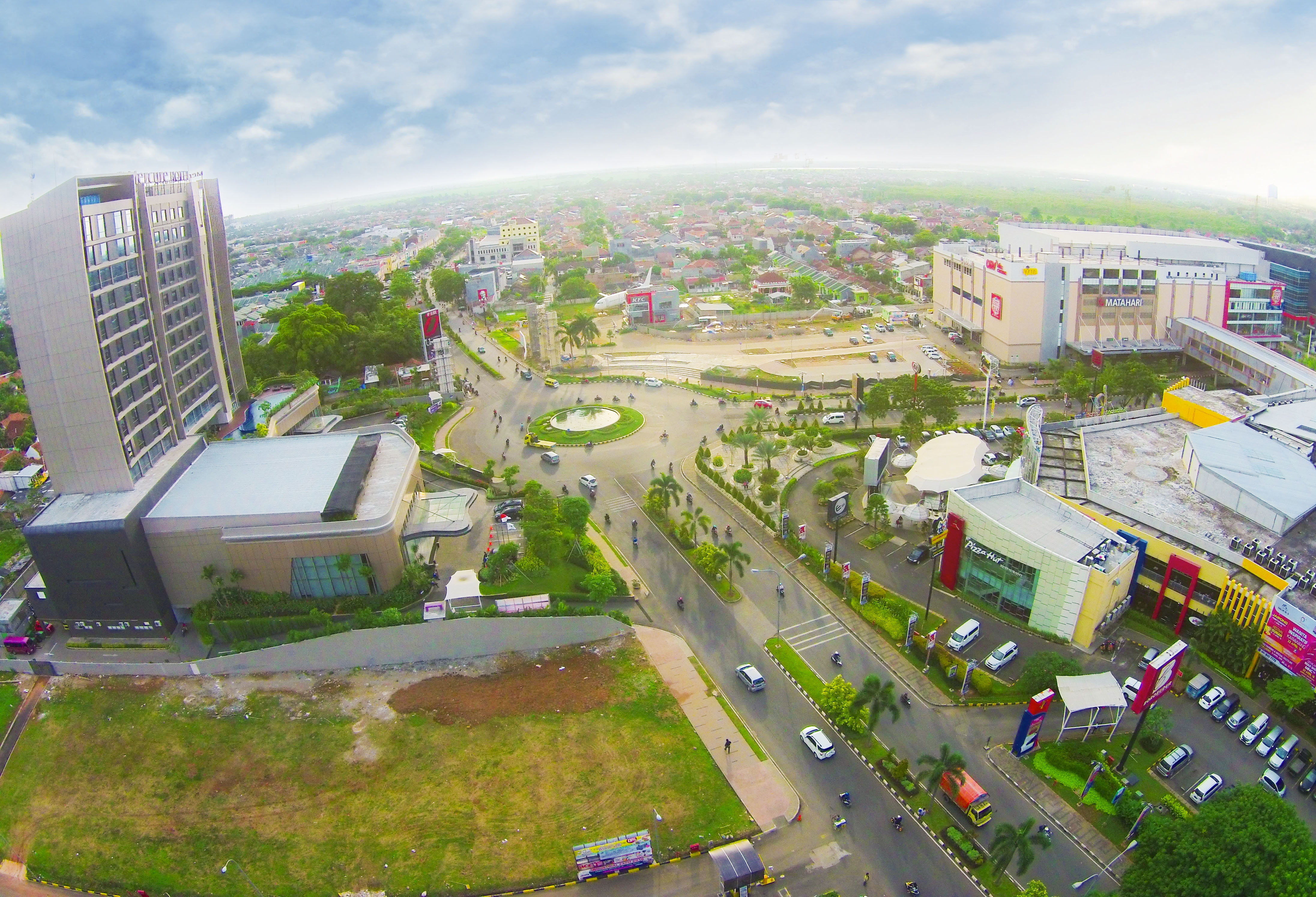 ✦ 83
✦ 83 ✦ 82
✦ 82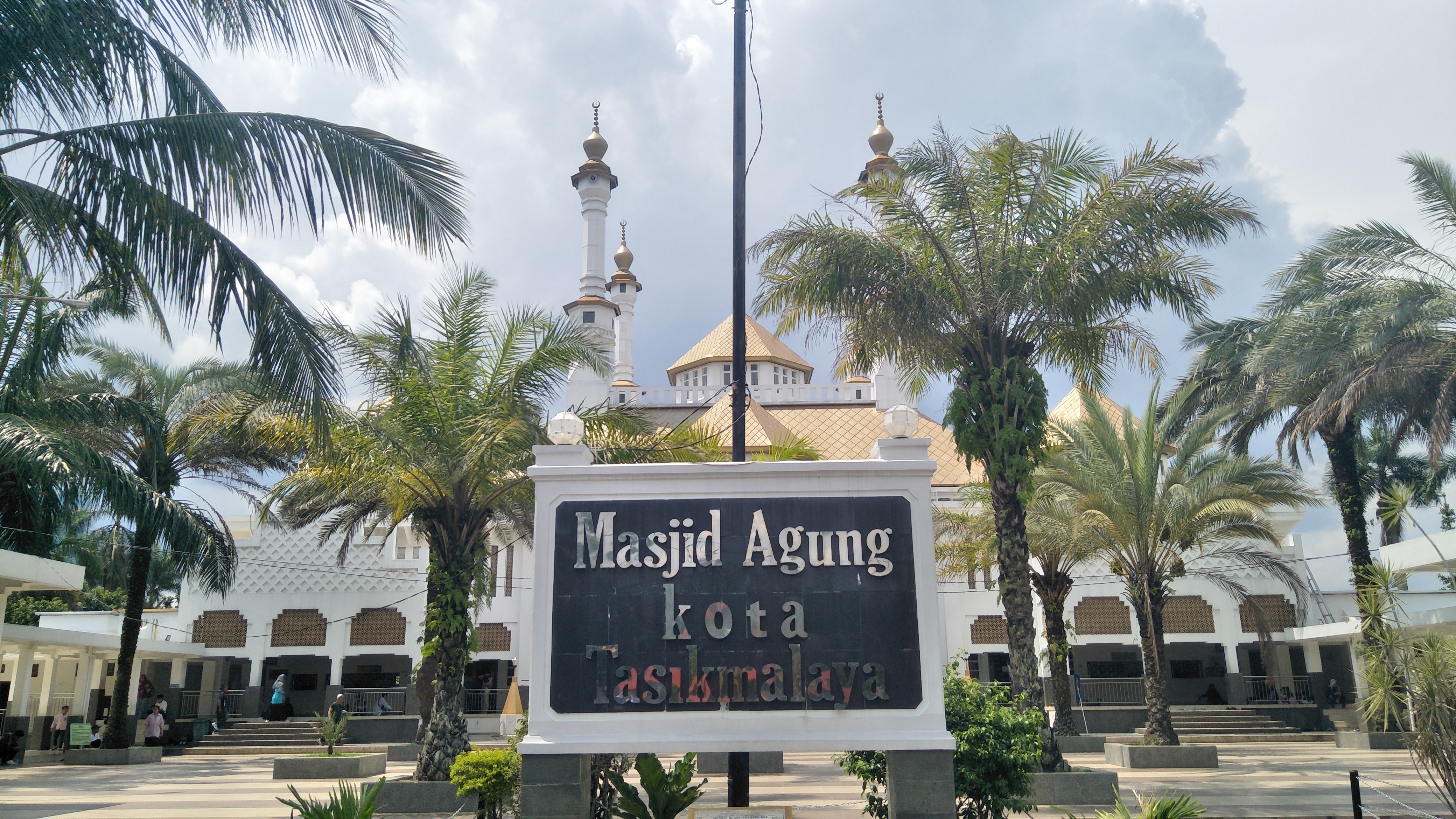 ✦ 79
✦ 79 ✦ 78
✦ 78 ✦ 81
✦ 81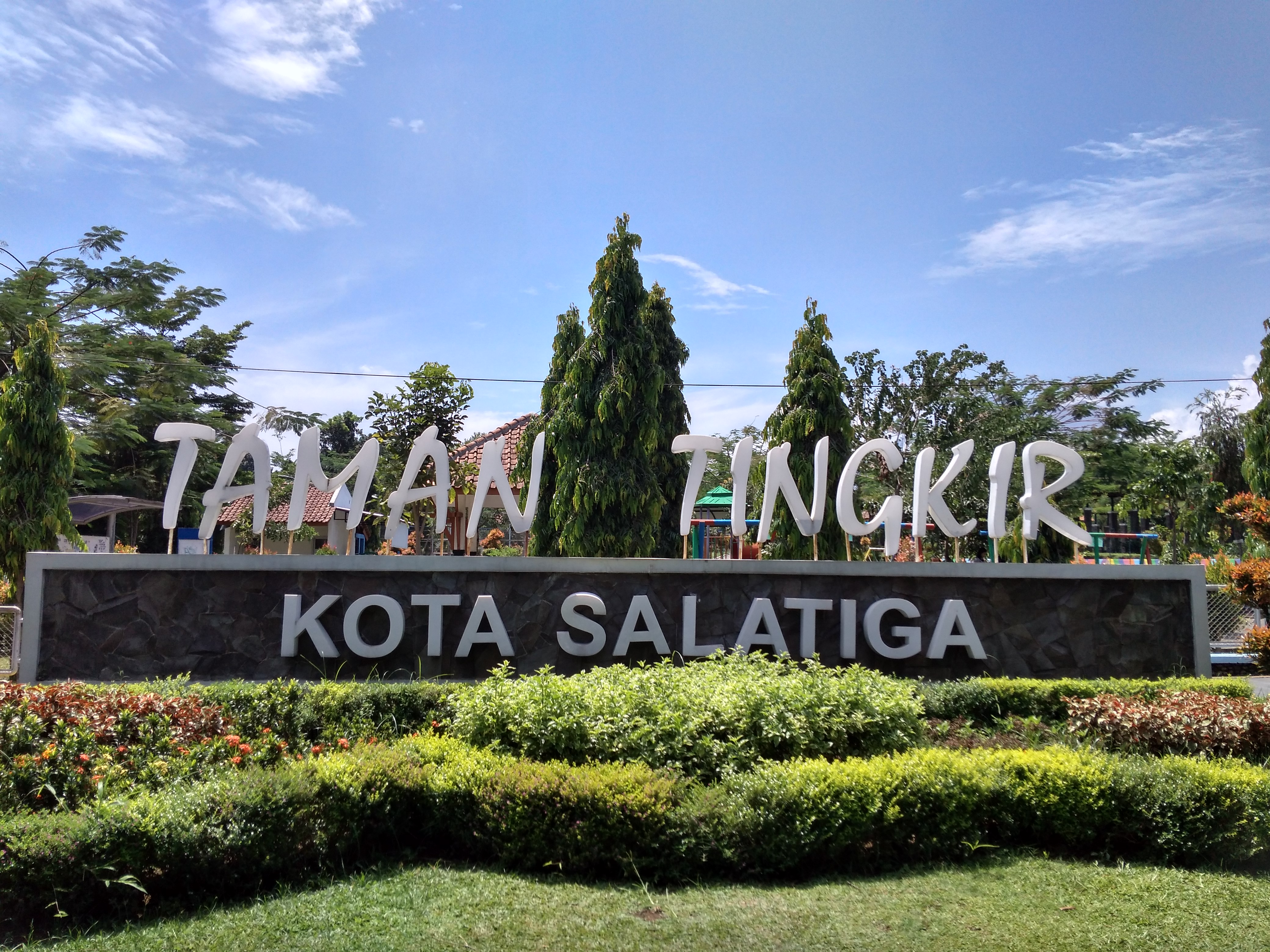 ✦ 80
✦ 80Getting the savings documentation story straight before applying
The application itself is light on paperwork. A passport valid for 36 months, a photo, a CV, and a bank statement showing the $130,000 balance as of 2026. No interview, no medical exam, no background check. But the bank statement is just the opening move. The real documentation test comes after you land.
The statement can be from an overseas bank. It doesn't need to be in an Indonesian account at the application stage. That's where people get comfortable. They submit the statement, get the e-Visa, and think the hard part is over. Then they arrive and have 90 days to prove the funds are now in an Indonesian bank. If you haven't started opening that account, 90 days can vanish.
Some applicants try to use the property route instead: show proof of owning a qualifying property worth at least $130,000. That can work, but property transactions in Indonesia are slow and title documentation can be messy. The deposit route is more predictable if you can move the money.
One detail that catches people off guard: some immigration offices or agents ask for an additional proof of personal balance, often around $2,000, separate from the main deposit. It's not in the official regulation, but it shows up in practice. Having a few thousand extra in a local account can smooth things over.
The CV requirement is also worth a moment of attention. It's not a job application, but immigration wants to see that you're not a risk. A CV that lists remote work or passive income sources helps, but don't overstate. If you claim a job that looks like local employment, you invite questions you don't want.
The key is to treat the application as a two-phase process: the online submission gets you in the door, and the in-country step is where the real scrutiny happens. Get the bank account set up before you travel, or at least have an agent lined up who can open one within days of arrival.
The housing requirement that isn't really about housing
The Second Home Visa doesn't require a rental contract or a property purchase. But the property option in the regulations creates a persistent misunderstanding. People read "proof of ownership of qualifying property" and assume they need to buy a villa. They don't.
The deposit into an Indonesian bank account satisfies the financial requirement just as well. And for most applicants, it's the better choice. Buying property as a foreigner in Indonesia is complicated. You can't own freehold land. Leasehold titles and nominee arrangements add layers of legal risk that a simple bank deposit avoids.
If you do go the property route, the property must be worth at least $130,000, and you need to show clear title. That means a notarized deed and a tax record that matches the valuation. The clock still runs: you have 90 days after arrival to present the documents. A property purchase that isn't already closed before you apply will almost certainly miss that deadline.
The deposit route also gives you flexibility. You can rent anywhere, move between islands, change your mind about Bali after six months. You're not anchored to a house you bought to satisfy a visa condition.
One practical note: the Indonesian bank where you place the deposit will likely ask for a source of funds declaration. That's standard anti-money-laundering procedure. If the money came from selling a house or cashing out investments, have those documents ready. A clean paper trail prevents delays.
Accommodation itself isn't scrutinized at the visa stage, but when you later apply for citizenship, you'll need to show you've been resident. Keeping a rental agreement or utility bills is a good habit from day one.
What actually happens after you land
You arrive on an e-Visa that's already linked to your passport. At the airport, immigration sees it and stamps you in. That stamp starts the clock. You have 90 days to report to the local immigration office and complete the conversion to a full ITAS, the limited stay permit.
The first step is opening the Indonesian bank account if you haven't already. Some banks will open an account for a foreigner with just a passport and a reference letter from an agent. Others want to see the ITAS first. This chicken-and-egg problem is why most people use an agent who has a relationship with a bank branch. The agent can get the account opened within a week, sometimes days.
Once the funds are in the account, you take the bank statement to immigration. They'll also want your passport, the e-Visa printout, and sometimes a letter of domicile from your local neighborhood head. That letter is a simple document stating where you live, but it requires a visit to the village office. An agent can handle that too.
Immigration then issues the ITAS card. It's valid for 12 months from the date of approval, not from the date you arrived. Renewal is annual, and you'll need to show the deposit is still in place. There's no minimum stay requirement, so you can leave and return as you please. The visa doesn't chain you to the country.
The 90-day window is generous on paper, but in practice, bank holidays, slow transfers, and the need to translate documents can eat into it. Start the process the week you arrive. Don't wait until you've settled in.
The citizenship timeline and what it actually takes
The regulation says you can apply for citizenship after three years of holding the Second Home Visa. That's a short timeline by international standards. But the path from visa holder to citizen isn't just a matter of time.
First, you need to renew the visa each year. That means keeping the deposit in the Indonesian bank and not running afoul of immigration rules. A single late renewal can reset the clock. The renewals themselves are straightforward if your paperwork is in order, but they require a visit to immigration and updated documents.
Second, citizenship in Indonesia requires more than just holding a visa for three years. You'll need to demonstrate proficiency in Bahasa Indonesia, pass a civics test, and renounce any other citizenships you hold. Indonesia does not recognize dual citizenship for adults. That's a hard stop for many applicants. If you're not willing to give up your US passport, the citizenship path is irrelevant, and the visa remains a renewable long-stay arrangement.
The three-year mark is also when the question of permanent residency would normally arise, but the Second Home Visa doesn't lead to permanent residency. It's a direct path to citizenship or nothing. That means if you're not ready to naturalize after three years, you continue renewing the visa indefinitely. There's no intermediate status that gives you more rights without full citizenship.
In practice, many people use the visa as a long-term stay solution without ever pursuing citizenship. The annual renewal is manageable, and the lack of a physical presence requirement means you can spend months elsewhere. Just understand that the citizenship promise requires a commitment that goes well beyond a bank deposit.
The judgment call: Indonesia vs. the alternatives
The obvious comparison is Thailand. Thailand's long-stay options, like the Elite Visa or the Long-Term Resident visa, often come with age requirements, income thresholds, or non-refundable fees. The Second Home Visa asks for none of that. Just the deposit. And the deposit is your money, held in a bank, not spent on a membership.
Malaysia's MM2H program also requires a deposit, but the amounts have fluctuated wildly in recent years, and the program has been suspended and restarted. Indonesia's program, while newer, has been more stable in its core requirement: $130,000.
The trade-off is that Indonesia doesn't allow you to work locally. Thailand's LTR visa, for example, permits work for certain categories. If you need to earn income inside the country, Indonesia isn't the answer. But if your income is remote and you just want a base in Southeast Asia, the Second Home Visa is one of the few options that doesn't penalize you for being under 50 or lacking a pension.
The 90-day deposit window is the real differentiator. Other programs give you months to transfer funds. Indonesia's timeline is tight, and the banking system can be slow. That's the friction point that pushes some people toward Thailand or Malaysia, where the post-arrival process is less compressed.
In the end, the decision comes down to whether you can park $130,000 and whether you're willing to handle Indonesian bureaucracy or pay someone to do it for you
Work Permissions
Application Steps
- 1
📋 Verify passport validity
1-2 days
- 2
📄 Prepare CV and photos
1-3 days
- 3
📄 Gather financial proof letter
3-7 days
- 4
📬 Apply for e-Visa online
8 business days
- 5
🏛️ Enter Indonesia and get ITAS
Same day
- 6
🏛️ Open local bank account
1-2 weeks
- 7
📬 Submit proof to immigration
1-2 days
- 8
⏳ Await full visa approval
1-2 weeks
Frequently Asked Questions
Click any question to expand the answer.
Ready to Apply?
Work with trusted visa specialists who handle the paperwork so you can focus on your move.
Get help with this visa →* We may earn a commission if you apply through our link
At a Glance
Last verified: July 15, 2026