Min Monthly Income
$2,000
Difficulty
Moderate
Duration
12 months
Overview
What this visa actually asks of you
The E33G is built for someone whose income has nothing to do with Indonesia and needs to stay that way. Every dollar counted toward the $2,000/month threshold (about $2,000 as of 2026, since Indonesia publishes this figure directly in US dollars) has to originate outside the country, and the local income allowance sits at zero percent. That's not a technicality. It means the moment a remote worker starts picking up a local client, teaching an English class for cash, or accepting payment routed through an Indonesian entity, they've stepped outside the terms of their own visa. This is the trade most applicants underestimate: you get a straightforward, low-friction entry into one of the more livable and affordable countries for someone earning $4,000 to $10,000 a month, in exchange for permanently keeping your income life offshore.
The two things that move an application from smooth to stuck aren't the ones people worry about. There's no interview, no medical exam, no apostille chain, and no FBI background check demanded, so the paperwork anxiety that dominates other digital nomad visas mostly doesn't apply here. What actually decides outcomes is whether your income documentation reads as foreign employment or freelance income cleanly, and whether you understand upfront that this visa renews indefinitely without ever converting into anything permanent. People treat the E33G like a stepping stone toward settling in Indonesia long-term. It isn't one, and planning around a residency path that doesn't exist is the single most common strategic error applicants make.
Retirees and older remote workers relying partly on Social Security or pension income need to read the income rules with extra care, since neither counts toward the minimum here, unlike some competing programs. If your qualifying income is earned, foreign-sourced, and easy to document, the visa does what it promises: fast entry, minimal bureaucracy, a full year of legal stay before you have to think about it again. If your income picture is mixed, this is where the planning has to start, not after you've already booked flights.
Eligibility Requirements
Min Income
$2,000
Min Savings
$2,000
Duration
12 months
Remote Work / Freelance
W2 Employee (foreign employer)
Max 0% from local sources
Requirements Checklist
Tax Information
What Indonesia Taxes Once You're a Resident
Spend 183 days or more in Indonesia during any 12-month period and you become a tax resident, full stop, and that status pulls your entire worldwide income into the Indonesian system: salary, freelance revenue, foreign dividends, brokerage gains, rental income from a property you still own back home. The E33G visa itself bars local employment, so the income in scope is whatever you're earning remotely from clients or an employer outside Indonesia, but residency taxation doesn't care where the paycheck originates. Indonesia runs a progressive schedule as of 2026: 5% up to IDR 60,000,000 (about $3,850), 15% up to IDR 250,000,000 (about $16,000), 25% up to IDR 500,000,000 (about $32,000), 30% up to IDR 5,000,000,000 (about $320,000), and 35% above that.
Capital gains don't get a clean separate regime here. Land and building sales carry a flat 2.5% final tax on the gross transaction value, paid by the seller regardless of whether there was an actual gain. Listed share trades are taxed at 0.1% of gross proceeds, again flat and final, win or lose. Unlisted share disposals fall into ordinary income and ride the same progressive brackets up to 35%, which is where a US retiree holding private equity or founder shares can get an unpleasant surprise.
Pension income, 401(k) and IRA distributions, and Social Security payments are all treated as ordinary foreign-source income once you're resident, and Indonesia taxes them at the same progressive rates up to 35%. There's no totalization agreement with the US, so Social Security gets no special carve-out on the Indonesian side either.
Dividends get a narrower break. Domestic dividends paid to individual residents who reinvest the amount in Indonesia within the legally prescribed window are exempt outright. Miss that reinvestment condition and the same dividend gets hit with a flat 10% final withholding instead, which is where the exemption quietly evaporates for anyone who just wants the cash. The reinvestment mechanics and timing are specific enough that they're worth confirming with a local tax advisor before the dividend even lands, since the exemption only works if the money moves before the clock runs out.
There's no broader expat tax regime layered on top of this, no flat-rate scheme for foreign remote workers the way some neighboring countries offer. You pay the standard progressive brackets on ordinary income, the flat finals on land, listed shares, and undistributed dividends, and that's the system.
The US Side Doesn't Go Away
None of this replaces your US return. Citizens and green card holders file every year regardless of residency anywhere else, and the Foreign Earned Income Exclusion only shields earned income, remote salary or freelance revenue, up to $132,900 for the 2026 tax year. Dividends, capital gains, rental income, pension distributions, and Social Security sit entirely outside the FEIE and land on your US return in full. Qualifying for the exclusion means passing either the Physical Presence Test, 330 full days abroad in a 12-month window, or the Bona Fide Residence Test, and Indonesia's residency rules don't complicate either one; days spent here count cleanly toward the 330. The housing exclusion adds a modest amount on top, typically in the range of $18,000 as of 2026, if your Indonesian housing costs justify it.
The Foreign Tax Credit is where the double taxation actually gets resolved for everything the FEIE doesn't touch, and it matters most for the higher earners whose income exceeds the exclusion and for anyone paying Indonesian tax on dividends, pension distributions, or unlisted share gains. The US-Indonesia tax treaty offers limited relief for this income, so little of the usual treaty repositioning applies here; the FTC and FEIE are the only tools doing the work, and Indonesia's final withholding taxes on dividends and listed shares don't always generate a creditable foreign tax in the way ordinary progressive tax does. The E33G doesn't require a local bank account, so FBAR isn't automatically triggered by the visa itself, but open an account at BCA or Mandiri to pay rent or move money and the math changes: once combined foreign account balances cross $10,000 at any point in the year, FinCEN Form 114 becomes mandatory, and the non-willful penalty for skipping it runs a statutory $10,000 per violation, adjusted for inflation to roughly $16,700 for 2026.
The decisions that go wrong in year one are specific and avoidable. Whether to reinvest a dividend inside the required window or just take the cash and eat the 10% final withholding is one, and it's a decision you have to make before the money moves, not after. Choosing between the Bona Fide Residence Test and the Physical Presence Test for FEIE purposes is another, and it depends on your travel pattern more than most people expect. If you open a local account for daily spending, the FBAR clock starts the moment your balance crosses $10,000, and nobody at the bank is going to remind you. A first-year advisory engagement, typically $1,500 to $3,000, is what it costs to get these three decisions right instead of finding out about them in an IRS letter eighteen months later.
Living in Indonesia
COL Index vs NYC
24.6
Monthly Cost (excl. rent)
$430
1BR Rent (City Center)
$311
Safety Index
54.0
Healthcare Index
60.9
Quality of Life Index
102.4
Time Zone
UTC+07:00
Capital
Jakarta
Population
273.5M
Official Languages
Indonesian
Avg Internet Speed
75 Mbps
Public Transit Quality
Fair
With a budget covering rent and living costs, you'd need roughly $741/mo for a comfortable single-person lifestyle in Indonesia.See how far your money goes →
🏙️ Best Cities in Indonesia for Digital Nomads
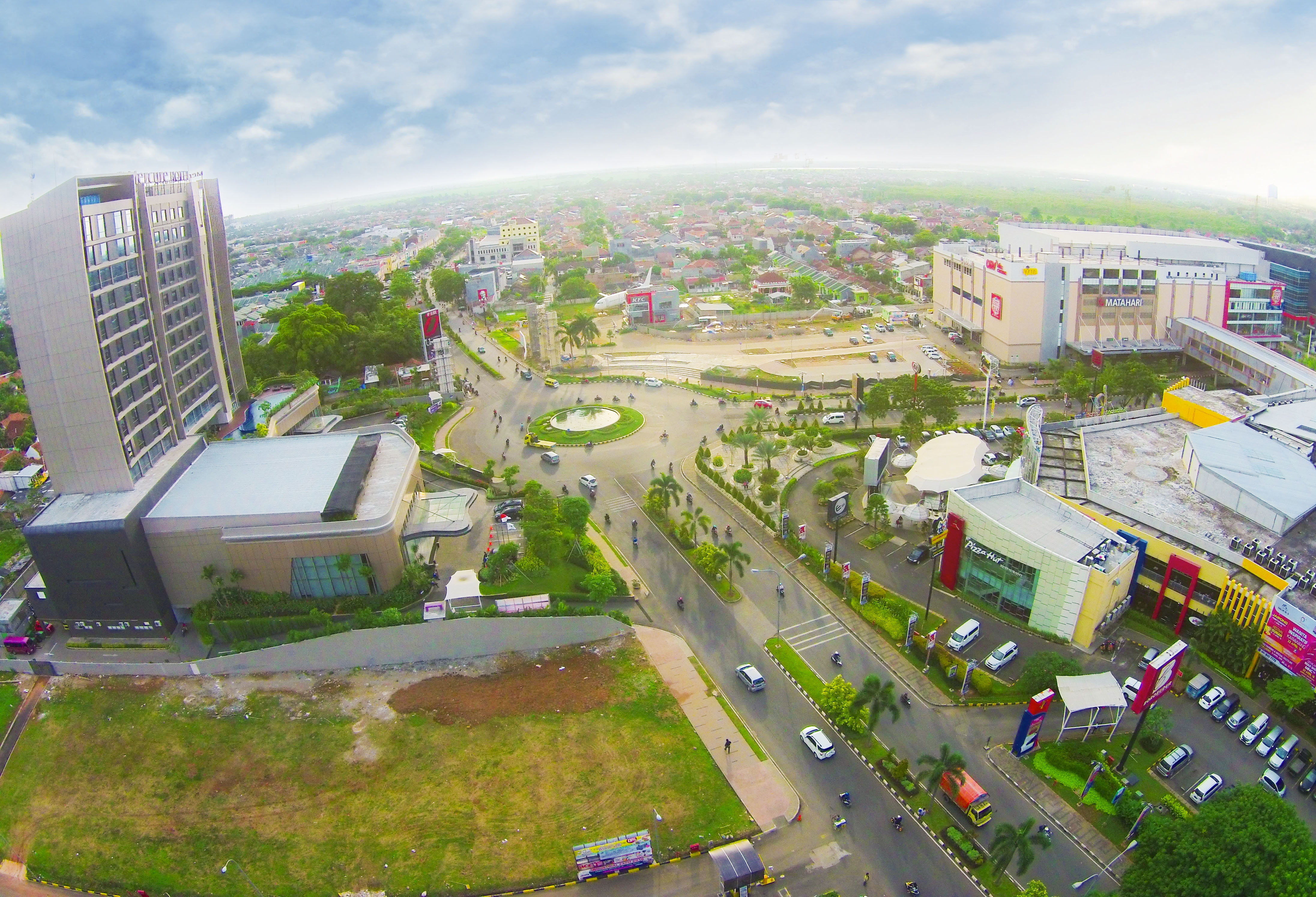 65
65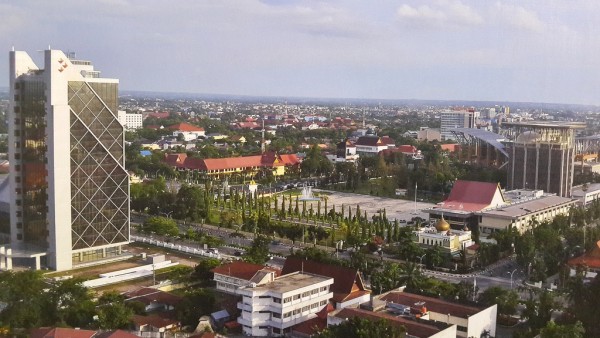 60
60 66
66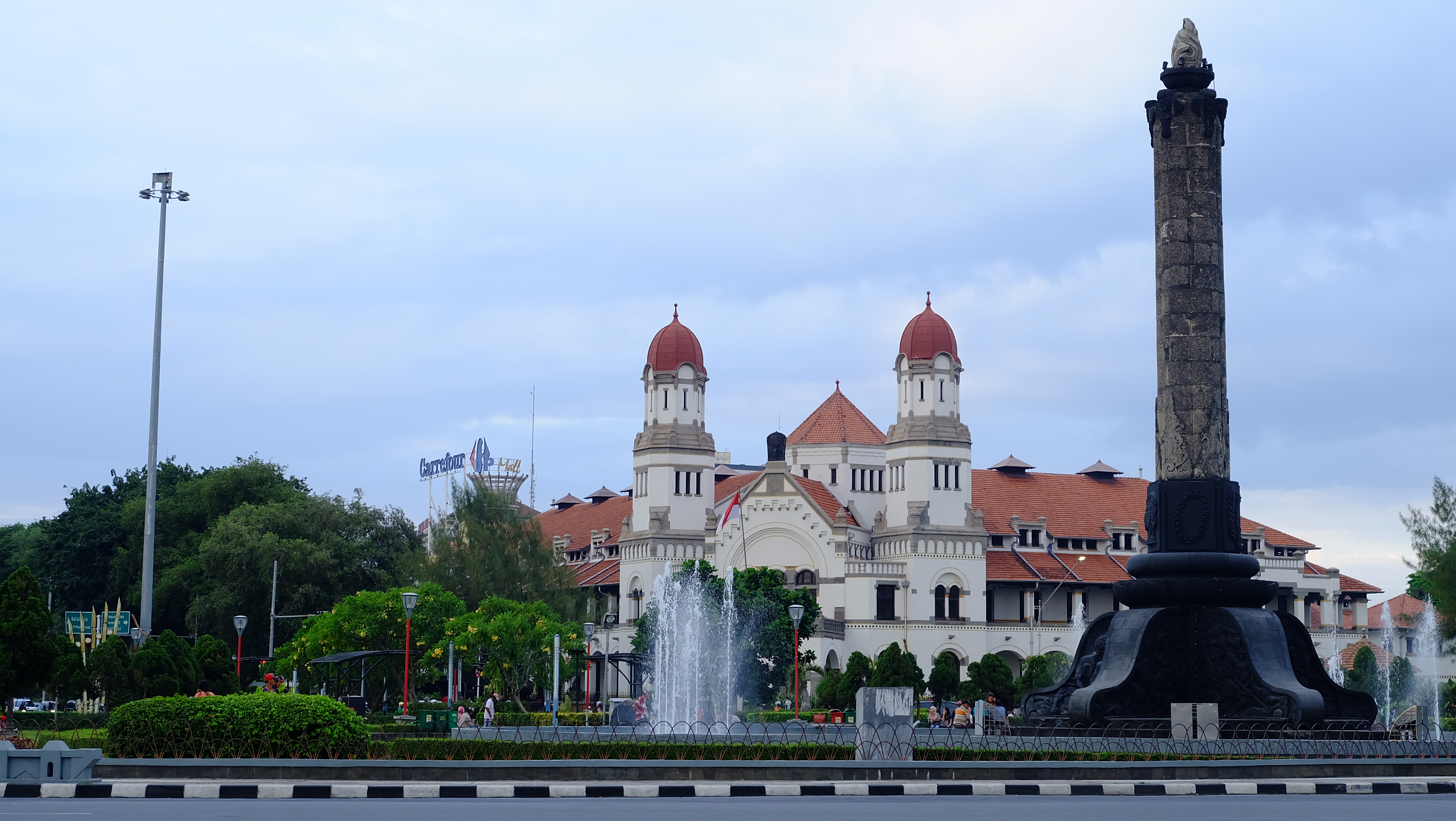 74
74 ✦ 80
✦ 80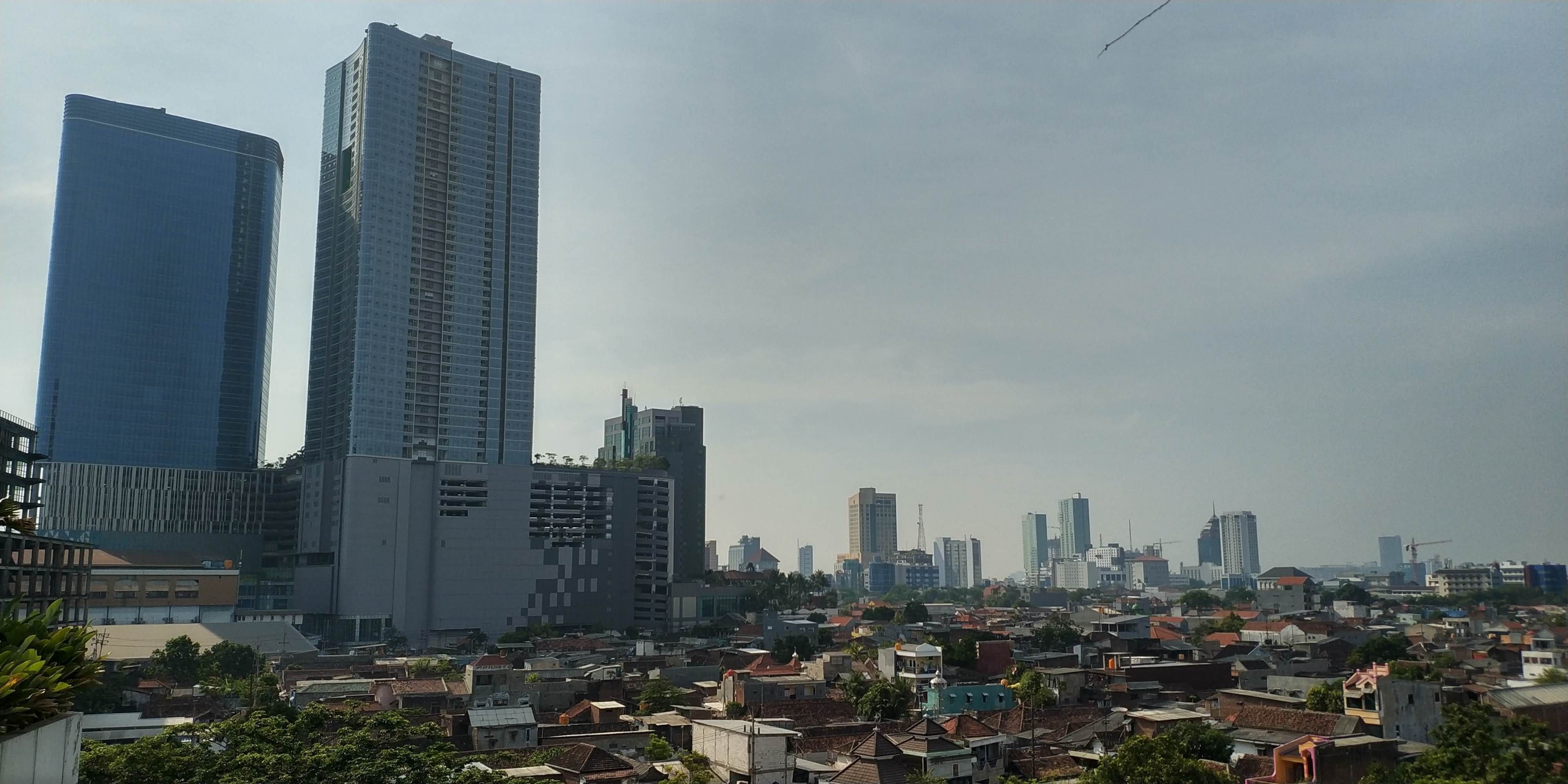 67
67Getting the income documentation story straight before applying
The $2,000 monthly figure (as of 2026) looks simple until you try to prove it with income that doesn't come from a single, clean paycheck. Two things matter more than the number itself: where the money is sourced, and whether it can be shown as recurring rather than a one-time deposit that happened to land before you applied. Consulates and immigration officers reviewing these files aren't trying to catch you out on the math, they're trying to tell the difference between someone with a durable remote income and someone who moved savings into a checking account the month before filing.
Freelancers and contractors have the harder documentation job here, not because the requirement is stricter for them but because their income is naturally lumpier. A single client invoice history looks thinner than a salaried employment letter, even when the total is higher. The fix isn't to manufacture consistency, it's to bundle the evidence: contracts, a pattern of invoices across several months, and bank statements that show the money actually arriving, not just being promised. Someone earning $6,000/month from two US clients should expect to submit invoice trails from both, not just an average.
The savings requirement, $2,000 (as of 2026) (roughly $2,000, since this is already denominated in US dollars), gets treated as an afterthought by people focused on the income line, and that's a mistake in the other direction. It's a small enough sum that it shouldn't be the reason an application stalls, but it still needs to be shown as available and not tangled up with the income proof, as though the same $2,000 is doing double duty as both savings and monthly earnings.
Where this visa gets unforgiving is with income types that don't fit the remote-work frame at all. Social Security doesn't count toward the threshold, and pension income isn't recognized either. That's a structural fact about this specific visa, not a documentation problem you can solve with better paperwork. Anyone assembling a case built primarily on retirement income needs to look elsewhere before spending time on this application, because no amount of formatting fixes an income type the visa doesn't count.
The housing question nobody prepares for
There's no lease agreement demanded before you file, no landlord letter required as part of the application packet. That absence is exactly why people get caught off guard once they land. The visa doesn't ask you to prove housing on paper, but living in the country for a year without local work rights and with health insurance obligations means your actual address becomes relevant fast, whether or not the visa application itself cared about it.
The mistake shows up in sequencing. Applicants who book a short-term rental for their first two weeks, intending to sort out longer housing after arrival, often assume the visa process and the housing process are separate tracks that can run independently. They're not, once you're on the ground. Health insurance providers frequently want an address to bind a policy properly, and any registration or renewal step down the line tends to ask for something more permanent than a booking confirmation from a vacation rental platform.
The better sequence: treat the first month as housing reconnaissance, not settling in. Short-term accommodation to scout neighborhoods, then a proper lease once you've confirmed the practicalities, before any renewal or registration deadline creeps up. People who skip this and sign a year-long lease sight unseen from abroad tend to end up either overpaying for something they don't like or discovering the property doesn't work for the address requirements they hit later. Neither is fatal, but both cost time you don't get back in a system that isn't especially fast to begin with.
None of this is written into the visa requirements directly, and that's precisely the trap. Because the government doesn't ask you to prove accommodation at the application stage, people assume it's not part of the process at all. It's just deferred to after landing, where the consequences of getting it wrong are more disruptive, not less.
The gap between approval and actually being settled
Getting the E33G approved is the easy part of this particular visa, at least relative to countries that require interviews and layered document authentication. What surprises people is that approval is a starting gun, not a finish line. You land with a visa that lets you enter and stay, but the year that follows still has its own maintenance requirements running quietly in the background, the health insurance obligation chief among them, since it's required for the duration and isn't a one-time box to check at application.
No medical exam gets demanded, which removes one entire category of appointment-scheduling stress that other digital nomad visas impose. No local bank account is required either, which keeps your financial footprint outside the country simple if you want it that way, though plenty of long-stayers end up opening one anyway purely for convenience once they're settled, even without being obligated to.
The bigger adjustment is psychological. This is a permit that grants a full year of stay, which is generous compared to many 90-day nomad visas elsewhere, but it doesn't hand you the kind of settled legal status that lets you stop thinking about your immigration status entirely. You're not building toward anything with this particular document. It renews, and you go through the renewal motions again, and the underlying terms don't shift in your favor the longer you stay. That's a very different rhythm than a visa where year one is a stepping stone toward something more permanent, and treating it like the latter sets up disappointment around month ten when renewal planning should have started already.
The long-term path that doesn't lead where you'd expect
Here's the part that changes the whole calculation for anyone thinking past year one: this visa renews, but it does not lead to permanent residency. That's a structural design choice, not an oversight, and it means the E33G occupies a different category from digital nomad visas elsewhere that are explicitly built as on-ramps to longer settlement. You can stay on it for years, cycling through twelve-month periods indefinitely, without ever accumulating status toward something more permanent.
For someone who wants Indonesia as a five-year home base with an eventual settled status at the end, this visa is the wrong tool no matter how well the application goes. For someone who wants a flexible, low-commitment base with the option to leave without unwinding a residency track, the same fact reads as an advantage rather than a limitation. The renewal itself isn't onerous on paper, but going in expecting anything more than a repeating annual permit sets up a decision point down the line that's better made now, before you've built a life around a status that was never going anywhere.
This is worth sitting with before you file rather than three renewals in. People who discover the no-PR structure late tend to have already made housing commitments, put kids in local schools, or built a business presence that assumes a longer horizon than the visa actually offers. None of that is impossible to unwind, but it's friction you can avoid by treating year one as a trial rather than a foundation.
Indonesia against the obvious alternative
The comparison most applicants run in their head is Indonesia against another Southeast Asian digital nomad option, and the honest answer is that the E33G wins on simplicity and loses on structure. Fewer hoops to file, no interview, no apostille chain, no background check requirement, and it's open regardless of nationality, which matters if you're coming from a country that gets awkward treatment elsewhere. If your priority is getting in the door with minimal bureaucratic drag, this is the easier file to assemble.
Where it loses is exactly the point covered above: no path forward. Countries that build their nomad visa as a genuine multi-year track toward settlement are asking more of you upfront, usually more paperwork, sometimes an interview, occasionally a more demanding income threshold, in exchange for the years actually counting toward something. If you're the kind of applicant who wants to test a country for a year without deciding your five-year plan yet, that trade doesn't matter to you. If you already know you want to be somewhere permanently and are choosing your visa route based on what gets you there fastest, filing for the E33G first and figuring out the long game later is the sequencing mistake to avoid. Decide which kind of applicant you are before you file, not after the first renewal notice arrives.
Work Permissions
Application Steps
- 1
Research
Verify all requirements for this visa type and country
- 2
Gather documents
Obtain all required documents (passport, financial statements, health insurance, etc.)
- 3
Complete application
Fill out the official application form
- 4
Submit application
Submit all documents to the appropriate consulate or online portal
- 5
Pay fees
Complete payment of application and visa fees
- 6
Attend interview
If required, attend any scheduled interviews
- 7
Wait for decision
Processing times vary from weeks to months
- 8
Travel and activate
Once approved, travel to the country and complete any activation requirements
This visa requires proof of health insurance. Compare international plans before you apply.
Compare health insuranceWe may earn a commission at no cost to you.
Compare this visa
Curated comparisons that include this route.
Frequently Asked Questions
Click any question to expand the answer.
Ready to Apply?
Work with trusted visa specialists who handle the paperwork so you can focus on your move.
Get help with this visa →* We may earn a commission if you apply through our link
At a Glance
Last verified: October 9, 2026