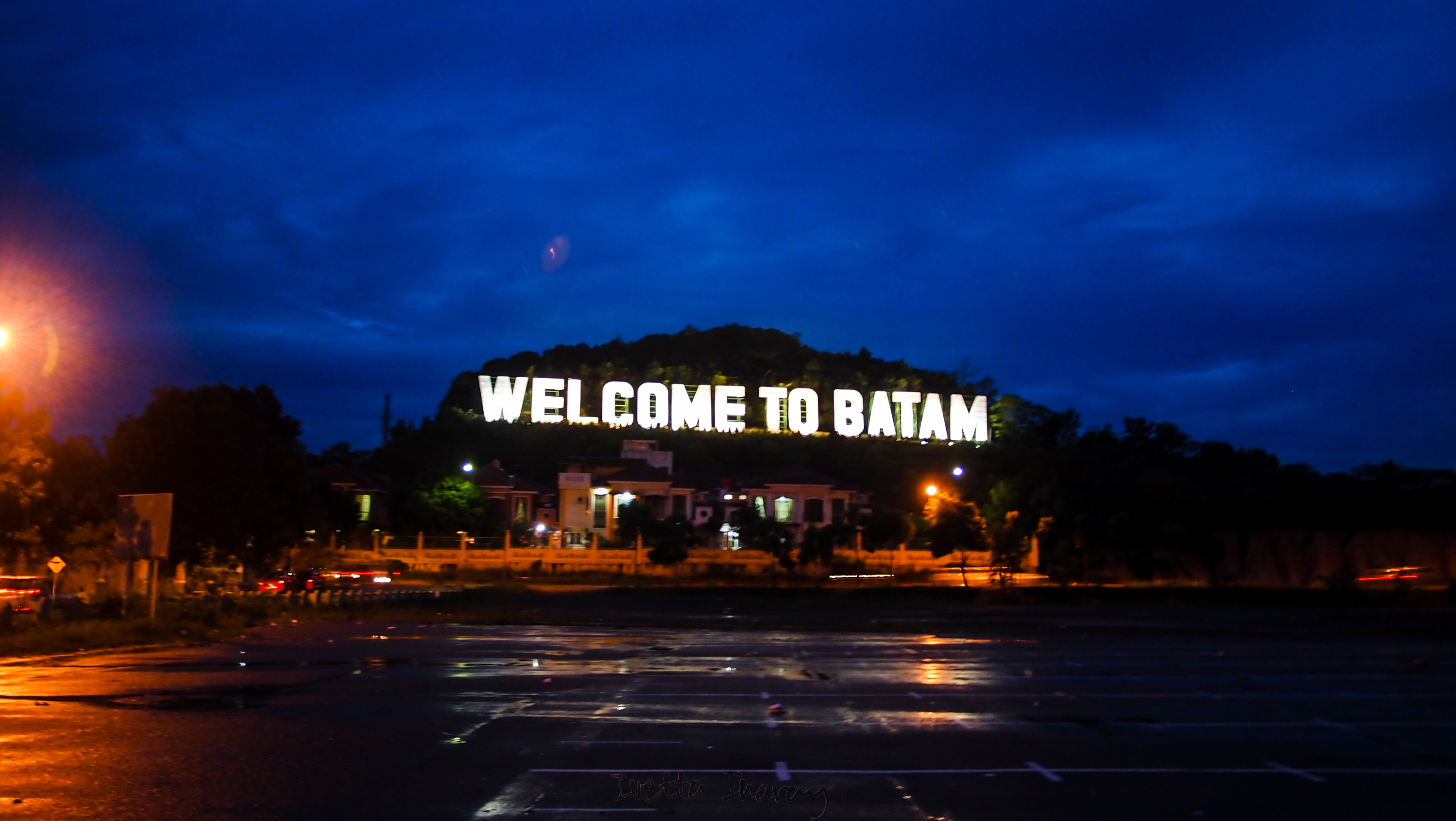
Manufacturing is the backbone here — shipbuilding yards, electronics assembly plants, and petrochemical facilities dominate the economy, most operating within the Batam Free Trade Zone. Major employers include multinational manufacturers drawn by lower labor costs and proximity to Singapore, just 20 km and a 45-minute ferry ride away. The 2017 collapse was brutal: roughly 300,000 jobs evaporated when global commodity prices tanked and several large employers pulled out. Recovery has been uneven. Remote workers and digital nomads are a thin slice of the population — this is fundamentally a blue-collar industrial city.
A one-bedroom in the city center runs around $450/month, which sounds reasonable until you factor in that salaries here are a fraction of Singapore's. Healthcare is functional at private clinics but limited for complex care — most expats with serious conditions cross to Singapore or fly to Jakarta. Bahasa Indonesia is essential; English gets you through ferry terminals and some malls but not much else. Bureaucracy for residency and business permits is genuinely slow and opaque, and the free trade zone rules add another layer of administrative complexity that regularly frustrates foreign business owners.
It's hot and humid every single day, with heavy monsoon rains from October through March that flood roads with little warning. Food is a genuine highlight — Malay, Chinese, and Indonesian cuisines coexist at warungs and hawker stalls where a full meal costs under $2. Weekends mean malls, seafood restaurants along the waterfront, or day trips to quieter islands in the Barelang complex. The expat community is small and skews toward Singaporean business owners and Malaysian traders rather than Western nomads. Batam suits entrepreneurs running manufacturing or logistics operations who want Singapore access at a fraction of the cost.
Estimate the cost of moving to Batam, Indonesia
Get a free moving cost estimate for moving to Batam, Indonesia. Takes 10 seconds.
How much are you shipping?
When are you moving?
Powered by Sirelo. Free quotes from international movers.
🏚️ Cost of Living
💰 Budgets and Costs
$329/mo, one person, rent included
Selected: budget lifestyle
Batam at the budget tier comes to about $329 a month for one adult, with $149 of that going to rent. Beyond rent the estimate covers $56.00 on groceries, $8.00 on dining out, $19.00 on entertainment and lifestyle and $97.00 on utilities and connectivity.
Rent
$149/mo
1BR outside the centre
Groceries
$56.00/mo
75% of mid-range grocery spend
Dining out
$8.00/mo
4 inexpensive meals
Entertainment & lifestyle
$19.00/mo
1 cinema trip, 8 cappuccinos
Utilities & connectivity
$97.00/mo
utilities, mobile, internet
Budgets (excl. rent)
Single person$180/mo
Excludes rent. The total above is all-in, rent included.
$399/mo, one person, rent included
Selected: mid-range lifestyle
Batam at the mid-range tier comes to about $399 a month for one adult, with $149 of that going to rent. Beyond rent the estimate covers $75.00 on groceries, $20.00 on dining out, $58.00 on entertainment and lifestyle and $97.00 on utilities and connectivity.
Rent
$149/mo
1BR outside the centre
Groceries
$75.00/mo
Staples basket scaled to a full month
Dining out
$20.00/mo
10 inexpensive meals
Entertainment & lifestyle
$58.00/mo
gym, 2 cinema trips, 12 cappuccinos
Utilities & connectivity
$97.00/mo
utilities, mobile, internet
Budgets (excl. rent)
Single person$250/mo
Excludes rent. The total above is all-in, rent included.
$591/mo, one person, rent included
Selected: comfortable lifestyle
Batam at the comfortable tier comes to about $591 a month for one adult, with $272 of that going to rent. Beyond rent the estimate covers $105 on groceries, $37.00 on dining out, $80.00 on entertainment and lifestyle and $97.00 on utilities and connectivity.
Rent
$272/mo
1BR in the centre
Groceries
$105/mo
140% of mid-range grocery spend
Dining out
$37.00/mo
6 inexpensive meals + 6 mid-range meals
Entertainment & lifestyle
$80.00/mo
gym, 4 cinema trips, 20 cappuccinos
Utilities & connectivity
$97.00/mo
utilities, mobile, internet
Budgets (excl. rent)
Single person$319/mo
Excludes rent. The total above is all-in, rent included.
Estimates for one adult, built from this city's average prices and the usage shown for each tier. Your spending will differ with how often you eat out and where you live.
A 1BR in the center runs about $272.41/mo. If your income is in another currency, bank FX fees add up. A multi-currency account can cut that cost.
Batam is moderately safe for expats, with a Security Index of 60 indicating reasonable stability. Petty theft, pickpocketing, and scams targeting foreigners are the primary concerns, particularly in crowded markets and transportation hubs. Avoid displaying valuables, use registered taxis or ride-sharing apps, and exercise caution in less developed areas after dark. Violent crime against expats is uncommon. The main risks are opportunistic theft and financial scams rather than personal safety threats. For a 30-65 year-old considering relocation, Batam is manageable with standard expat precautions and situational awareness.
Batam has a safety index of 49.82/100. Petty theft and lost belongings are the most common problems for newcomers. Compare travel insurance before you go.
A reliable option in Batam Centre, offering standard Regus amenities like meeting rooms, high-speed internet, and a professional environment. Its central location makes it convenient for accessing transportation and other services.
Located in Batam City, vOffice provides a range of services including coworking spaces, virtual offices, and meeting facilities. It's a good option for those seeking a professional business address and support services.
A local coworking space in Batam offering a more community-focused environment. It's a budget-friendly option with basic amenities, suitable for freelancers and startups looking for a collaborative workspace.
See how Batam's digital nomad life compares with Madiun
🧳 Expat Life
English Proficiency
Common in Tourist Areas
Expat Community
Medium
Top Neighborhoods
Batam Centre, Sukajadi, Nagoya
Banks Nearby
52
ATMs Nearby
38
Expat Life Notes
An industrial and tourism hub near Singapore. It attracts expats in the shipping and manufacturing sectors.
Pros
✓ Proximity to Singapore
✓ Low cost of living
✓ Easy visa access (Free Trade Zone)
Cons
✗ Industrial and gritty atmosphere
✗ Traffic and urban sprawl
✗ Inconsistent infrastructure
🏘️ Neighborhoods in Batam
Areas of Batam that expats often consider.
Conditions can change from one block to the next, and these descriptions are general guides, not safety assessments. Before choosing where to stay or live, check current travel advisories, talk to people who live there, and visit in person if you can.
Batam Center
Modern, convenient, central hub
The heart of Batam, featuring government buildings, shopping malls (like Mega Mall Batam Centre), and ferry terminals. Many expats choose Batam Center for its accessibility and amenities. It's relatively walkable within the immediate area, but relying on taxis or ride-hailing apps is common for longer distances.
Nagoya
Bustling commercial, entertainment district
A vibrant area known for its shopping, dining, and nightlife. Nagoya Hill Shopping Mall is a major draw. It can be quite busy and noisy, but offers a wide range of services and entertainment options. Good for those who enjoy being in the center of the action.
Punggur
Industrial, port access, developing
Primarily an industrial area with a large port. While not traditionally expat-friendly, it offers more affordable housing options. Transportation is essential here, and English is less widely spoken. Suitable for those working in the industrial sector or seeking budget-friendly living.
Sekupang
Residential, ferry terminal, quieter
A more relaxed residential area with a ferry terminal connecting to Singapore and other Indonesian islands. It's generally quieter than Nagoya or Batam Center. Offers a mix of housing options and is becoming increasingly popular with expats seeking a more peaceful environment.
Waterfront City
Resort-style, tourist-oriented, upscale
Features resorts, hotels, and entertainment facilities, catering primarily to tourists and expats. It offers a more upscale living experience with amenities like golf courses and beaches. Prices are generally higher here, and it can feel somewhat isolated from local life.
Bengkong
Local residential, affordable, developing
A more local residential area with a mix of housing options. It's generally more affordable than other areas but less developed in terms of infrastructure and amenities. English proficiency is lower here, requiring some Bahasa Indonesia skills for daily life.
Muka Kuning
Industrial, residential mix, growing
Another area with a blend of industrial and residential zones. Offers a range of housing options, from simple homes to newer apartments. It's less touristy than other areas, providing a more authentic Indonesian living experience. Transportation is recommended.
Page 1 of 2
Could living/working in Batam cut years off your work life?
With a 1-bedroom in the center at $272/mo, your FIRE number here might be much lower than you think.
Batam has a population of approximately 1,196,396 people.
A single person can expect to spend around $681 per month in Batam, including rent. A 1-bedroom apartment in the city center costs approximately $272/month.
The nearest airport to Batam is BTH, approximately 7.4km away.
Batam is considered moderate in terms of safety, with a safety index of 49.8. As with any city abroad, expats should research specific neighborhoods before committing to a location.
Batam has an average internet speed of 30 Mbps. It is considered a well-established digital nomad destination.
Technically yes — ferries run frequently and take about 45 minutes each way. But factor in ferry costs ($25–40 round trip), immigration queues, and the fact that you'd need a valid Singapore work visa. It works for some business owners and contractors, but daily commuting is exhausting and expensive enough to erode the cost-of-living advantage quickly.
Indonesia doesn't make this easy. The most common legal routes are a KITAS (temporary stay permit) tied to employment or business ownership, or the newer Second Home Visa requiring proof of significant funds. The free trade zone status doesn't simplify personal immigration. Expect paperwork delays, agent fees, and periodic renewals. Many expats use visa runs to Singapore as a stopgap, but Indonesian authorities have tightened scrutiny on this practice.
Batam is very affordable. You can rent a modern 2-bedroom apartment in Nagoya for $500-$800 USD per month. Groceries and dining out are also inexpensive; expect to spend around $400-$600 USD monthly, depending on your lifestyle.
The most common option is the retirement visa (KITAS Lansia), which requires being 55 or older and having proof of sufficient funds. You'll need a local sponsor and must renew it annually. Another option is the investor visa if you plan to start a business.
Healthcare is improving, but it's not on par with Western standards. Hospitals like Awal Bros and Elisabeth Hospital are decent, and you can find some English-speaking doctors, especially in private clinics. Consider supplemental international health insurance.
Areas like Batam Center, Nagoya, and some parts of Sekupang are generally considered safe for expats. Avoid poorly lit or isolated areas at night. Petty theft can occur, so be mindful of your belongings.
English proficiency is limited outside of tourist areas and larger businesses. Learning basic Bahasa Indonesia will significantly improve your daily life and interactions with locals. Many younger people have some English from school.
Several international and local banks operate in Batam, including Mandiri, BCA, and CIMB Niaga. ATM fees vary, but expect to pay around $2-$5 USD per transaction. Consider opening a local bank account for daily expenses.
Internet speeds are generally reliable in Batam, especially in urban areas. You can expect speeds of 20-50 Mbps, sufficient for most remote work tasks. Consider Telkomsel or Indosat for mobile data.
Batam has a growing expat community, primarily composed of people working in manufacturing and related industries. There are social groups and online forums where you can connect with other expats. Don't expect a huge party scene, though.
Batam has a tropical climate with high humidity year-round. Expect temperatures between 80-90°F (27-32°C). The rainy season is typically from November to February, but rain can occur throughout the year.
Taxis and ride-hailing apps like Grab are readily available and affordable. Public transportation is limited. Renting a scooter is common, but be aware of traffic conditions and local driving customs.
With $1,500-$2,000 USD per month in passive income, you can live comfortably in Batam, covering rent, food, and entertainment. This allows for a modest but enjoyable lifestyle. You can live even cheaper if you embrace local culture and cuisine.
As a US citizen, you're still required to file US taxes even when living abroad. The Foreign Earned Income Exclusion (FEIE) can help you exclude a certain amount of your income from US taxes. Also, be aware of FBAR and FATCA reporting requirements.
Yes, there are a few coworking spaces in Batam, primarily located in Batam Center and Nagoya. These offer a good alternative to working from home and provide opportunities to network with other professionals. Spaces like GoWork are available.
While you can manage with English, learning Bahasa Indonesia will greatly enhance your experience. Expect a slower pace of life compared to the US. Be prepared for cultural differences and embrace the local customs to fully enjoy living in Batam.
Cost-of-living and visa updates for Batam and the rest of Indonesia. Free with RA Postcards.
By submitting your email address, you will receive a free subscription to RA Postcards and special offers from Rewire Abroad and our affiliates. You can unsubscribe at any time, and we encourage you to read more about our Privacy Policy.