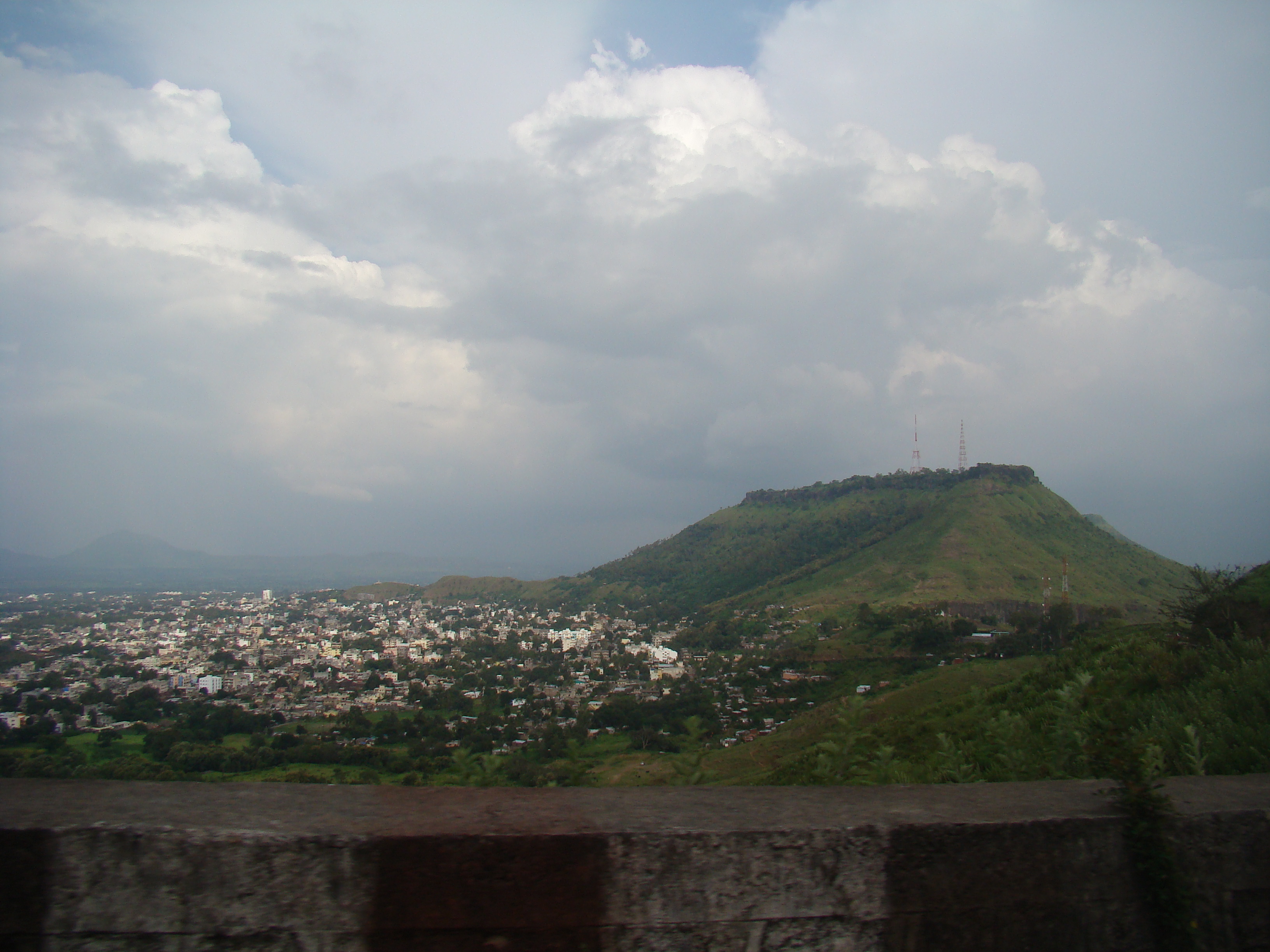
Satara, India
Data updated Sep 3, 2026
📊 Scores
Government jobs and military pensions drive most of the local economy here. The massive cantonment employs thousands of active and retired armed forces personnel, while district administrative offices provide steady bureaucratic work. Agriculture dominates the surrounding region — sugarcane processing and sugar mills offer seasonal employment, but don't expect tech jobs or startup opportunities. Educational institutions bring some economic activity through student spending, but this remains fundamentally a government town where steady, modest incomes are the norm.
Rent averages $190/month for a decent 1BR in the city center, making housing genuinely affordable even on local salaries. Public buses connect you to Pune (3 hours) and other major cities for under $3, while local auto-rickshaws handle daily transport. Government hospitals provide basic healthcare, though serious medical issues mean trips to Pune. Hindi and Marathi dominate — English works in government offices but expect language barriers in daily life. Bureaucracy moves at typical Indian government pace.
The tropical monsoon climate brings heavy rains June through September, then pleasant winters and hot summers. Local Maharashtrian food is solid but limited — expect lots of rice, dal, and vegetarian options. Social life revolves around temples, local festivals, and the military club if you have access. The expat community is virtually nonexistent outside of a few military families. This city works for retirees seeking ultra-low costs and Indians comfortable with small-town government life.
🏚️ Cost of Living
💰 Budgets and Costs
Grocery Basket
Eating Out
Utilities & Lifestyle
Housing
A 1BR in the center runs about $73.63/mo. If your income is in another currency, bank FX fees add up. A multi-currency account can cut that cost.
See low-fee transfersWe may earn a commission at no cost to you.
💰 Real Spend Reports
🛡️ Safety & Crime
(Higher is safer)
(Lower is safer)
Satara is a relatively safe mid-sized city in Maharashtra with a strong local police presence and low violent crime rates. Petty theft and pickpocketing occur in crowded markets and bus stations, particularly targeting foreigners; keep valuables secure and avoid displaying expensive items. Scams targeting expats are uncommon but can involve overpaying for services or accommodations. The city has minimal gang activity or serious crime. Main risks are traffic accidents (chaotic driving patterns) and occasional communal tensions during festivals. For an American, Satara offers genuine safety comparable to many Indian tier-2 cities—manageable with standard expat precautions and local awareness.
🏥 Healthcare
🌤️ Climate
Best Months
Climate Notes
Satara has a tropical monsoon climate with hot, dry summers (March–May), a wet monsoon season (June–September), and mild winters, making it moderately humid year-round.
💻 Digital Nomad
Community Notes
| Name | Price/mo | Notes |
|---|---|---|
| Regus Satara | $90 | Regus offers a reliable and professional coworking environment in Satara. It provides standard amenities like high-speed internet, meeting rooms, and administrative support, making it suitable for expats seeking a familiar and structured workspace. |
| Work Zone Coworking Space | $60 | Work Zone Coworking Space, located near Hotel Radhika Rajpath in Satara City, offers a budget-friendly option for digital nomads. While details are limited, it likely provides basic coworking amenities and a local vibe, appealing to those seeking a more authentic Indian experience. |
Working remotely from Satara? Nomad health insurance covers you across borders, month to month.
See nomad insuranceWe may earn a commission at no cost to you.
🧳 Expat Life
Expat Life Notes
Satara is a city in the Western Ghats foothills of Maharashtra, a pleasant hill-district town known for its forts and proximity to Mahabaleshwar. Very few foreigners reside here outside of occasional trekkers and researchers.
Pros
- ✓ Pleasant climate
- ✓ Fort heritage
- ✓ Affordable
Cons
- ✗ Limited English
- ✗ No expat community
- ✗ Basic international amenities
🛂 Visa Options for India
Many long-stay visas require proof of health insurance. Compare international health plans before you apply.
Compare health insuranceWe may earn a commission at no cost to you.
Not sure which India visa you qualify for?
Answer 10 questions and get a personalized match in under 2 minutes.
Could living/working in Satara cut years off your work life?
With a 1-bedroom in the center at $44/mo, your FIRE number here might be much lower than you think.
Moving to Satara? Estimate what an international move would cost and compare mover quotes.
Estimate my move costShare This Guide
Satara won't stay this cheap forever.
Cost-of-living and visa updates for Satara and the rest of India. Free with RA Postcards.
By submitting your email address, you will receive a free subscription to RA Postcards and special offers from Rewire Abroad and our affiliates. You can unsubscribe at any time, and we encourage you to read more about our Privacy Policy.