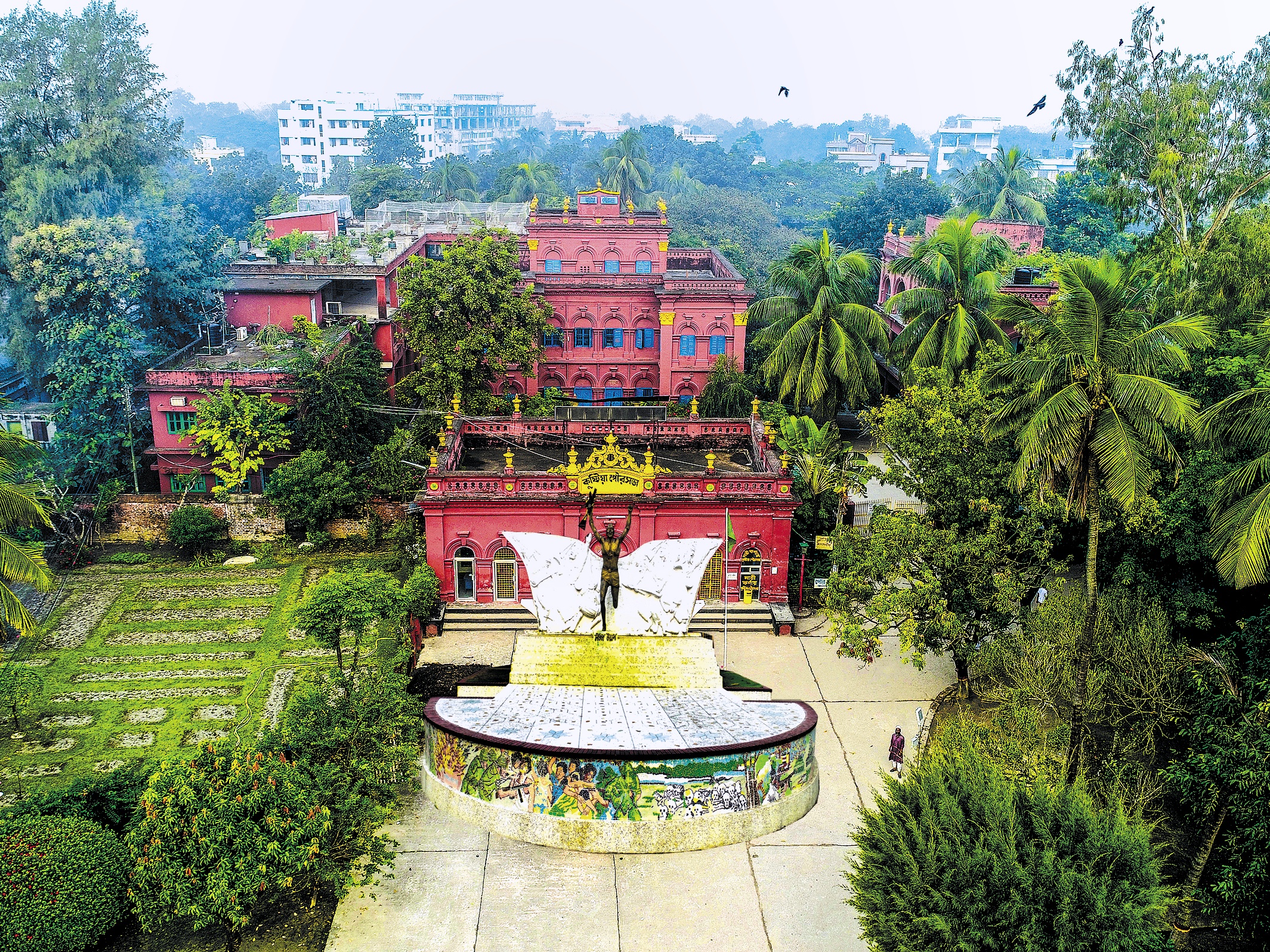
Kushtia, Bangladesh
Data updated Sep 29, 2026
📊 Scores
Best fit: FIRE / Geoarbitrage (score: 77)
Agriculture dominates the local economy, with the massive Ganges-Kobadak Irrigation Project feeding rice and jute cultivation across the region. Jute processing plants and textile mills provide industrial jobs, while The Islamic University creates a modest education sector employing professors and support staff. Most locals work in farming, small trade, or government positions. Foreign work opportunities are extremely limited — this isn't a place where expats come to build careers, but rather where development workers or researchers might find temporary assignments.
Rent averages $160/month for a decent one-bedroom in the city center, making housing genuinely affordable by any standard. Public transport relies on rickshaws, buses, and CNGs (auto-rickshaws), though expect frequent delays during monsoon flooding. Healthcare facilities are basic — serious medical issues require trips to Dhaka or Khulna. Bengali is essential for daily life; English speakers are rare outside the university. Government bureaucracy moves at glacial speed, and power outages are routine during summer months.
The tropical monsoon climate brings scorching summers (up to 40°C) and heavy flooding during monsoon season from June to October. Local food centers on rice, fish, and vegetables, with limited international options. The expat community is virtually nonexistent — maybe a handful of NGO workers or university researchers at any given time. Weekends mean visiting historical sites like Tagore's residence or taking river trips, though entertainment options are sparse. This city suits researchers, development workers, or those seeking authentic rural Bangladesh experience rather than comfortable expat living.
🏚️ Cost of Living
💰 Budgets and Costs
Grocery Basket
Eating Out
Utilities & Lifestyle
Housing
A 1BR in the center runs about $40.72/mo. If your income is in another currency, bank FX fees add up. A multi-currency account can cut that cost.
See low-fee transfersWe may earn a commission at no cost to you.
💰 Real Spend Reports
🛡️ Safety & Crime
(Higher is safer)
(Lower is safer)
Kushtia presents moderate safety concerns for Western expats. While violent crime against foreigners is uncommon, petty theft, pickpocketing, and scams targeting outsiders occur regularly. Political demonstrations and occasional communal tensions can flare unpredictably. The city lacks robust infrastructure for emergency response and medical care comparable to Western standards. Expats should avoid displaying wealth, use registered taxis, and stay informed on local political developments. This is a challenging destination requiring vigilance and local knowledge—best suited for experienced expats with strong community connections, not ideal for first-time relocators seeking a relaxed retirement.
Kushtia has a safety index of 40/100. Petty theft and lost belongings are the most common problems for newcomers. Compare travel insurance before you go.
Compare travel insuranceWe may earn a commission at no cost to you.
🏥 Healthcare
🌤️ Climate
Best Months
Climate Notes
Tropical savanna climate; very hot summers and mild, sunny winters.
💻 Digital Nomad
Community Notes
| Name | Price/mo | Notes |
|---|---|---|
| Kushtia IT Park | $40 | While primarily an IT park, it offers shared office spaces suitable for remote workers. Located in a central area of Kushtia, it provides a professional environment with reliable internet, making it a practical option for expats. |
| BD Hub Kushtia | $35 | BD Hub offers coworking spaces and resources for startups and freelancers. It's a good option for digital nomads looking to connect with the local entrepreneurial community and find affordable workspace in a central location. |
Working remotely from Kushtia? Nomad health insurance covers you across borders, month to month.
See nomad insuranceWe may earn a commission at no cost to you.
🧳 Expat Life
Expat Life Notes
A cultural center famous for Lalon Shah. Almost no Western expats live here; most are visitors interested in local folk culture.
Pros
- ✓ Rich cultural heritage
- ✓ Incredibly low cost of living
- ✓ Friendly locals
Cons
- ✗ Minimal infrastructure for foreigners
- ✗ Language barrier is severe
- ✗ Very limited healthcare
Could living/working in Kushtia cut years off your work life?
With a 1-bedroom in the center at $24/mo, your FIRE number here might be much lower than you think.
Estimate the cost of moving to Kushtia, Bangladesh
Get a free moving cost estimate for moving to Kushtia, Bangladesh. Takes 10 seconds.
How much are you shipping?
When are you moving?
Powered by Sirelo. Free quotes from verified international movers.
Share This Guide
Kushtia won't stay this cheap forever.
Cost-of-living and visa updates for Kushtia and the rest of Bangladesh. Free with RA Postcards.
By submitting your email address, you will receive a free subscription to RA Postcards and special offers from Rewire Abroad and our affiliates. You can unsubscribe at any time, and we encourage you to read more about our Privacy Policy.