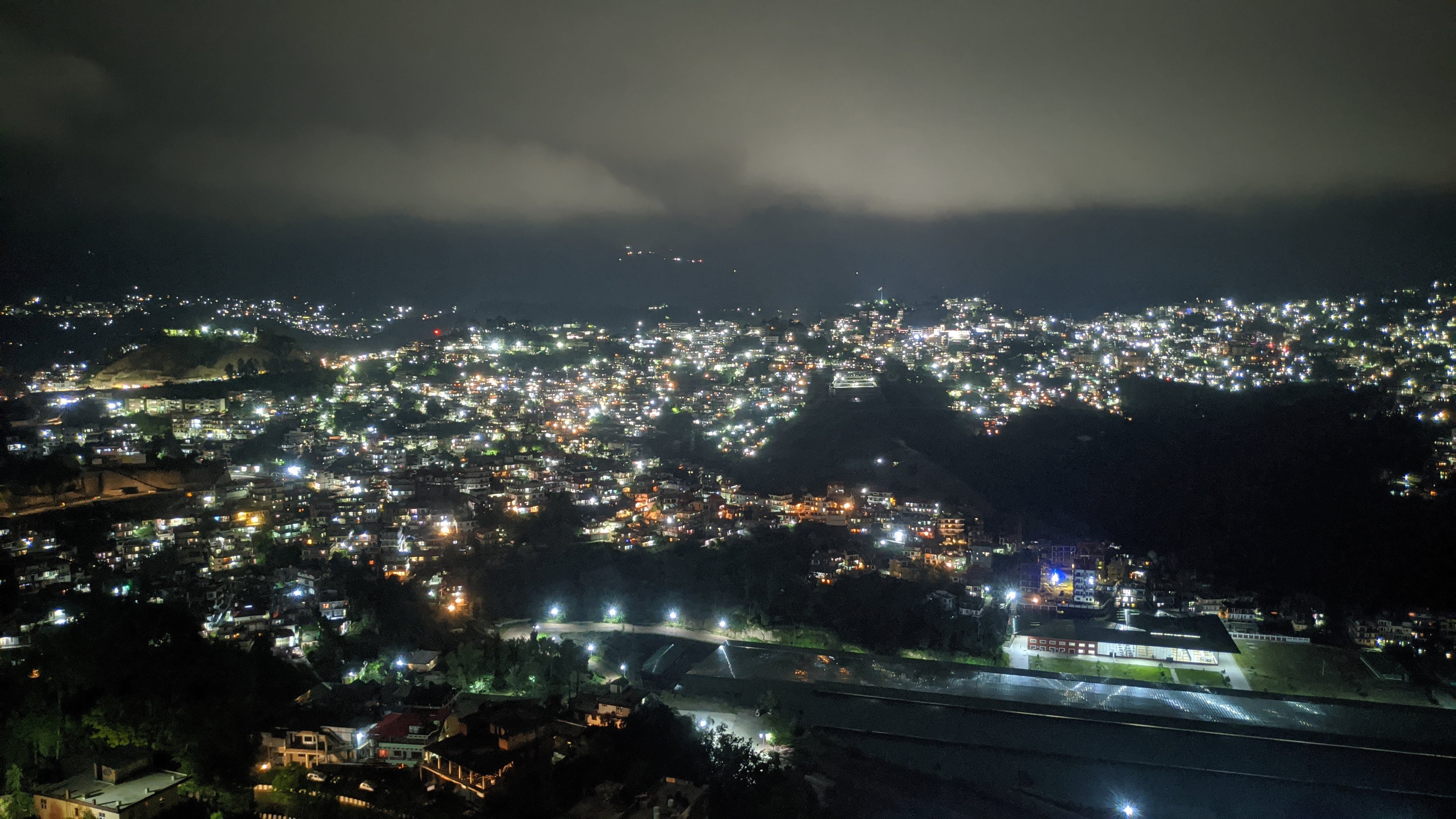
Solan, India
Data updated Sep 3, 2026
📊 Scores
Agriculture dominates Solan's economy—mushroom and tomato farming employ thousands across surrounding villages and cooperative networks. The Directorate of Mushroom Research anchors agribusiness here; many expats and remote workers partner with local producers or run agro-tourism ventures. The 1855 brewery still operates, drawing food-industry professionals. Most income flows through farming cooperatives, small hospitality businesses, and increasingly, wellness resorts catering to weekend tourists from Delhi and Chandigarh.
Rent runs $53/month for a 1-bedroom in town center; expect $80–120 for expat-standard accommodation with reliable power and water. The Kalka-Shimla railway connects you to Chandigarh (90 minutes) and Shimla, though buses are slower and crowded. Healthcare is basic—serious issues require Chandigarh (90km away). Hindi and Punjabi dominate; English is sparse outside hotels. Bureaucracy for residency is standard Indian friction: expect multiple office visits and unclear timelines for permits.
Summers stay cool (20–25°C); winters dip to 5°C with occasional snow. Food is Himachali and Punjabi—fresh local produce, decent coffee culture emerging. Weekends mean hiking the Shivalik foothills, visiting nearby temples, or day-tripping to Shimla. The expat community is tiny and transient—mostly digital nomads and agribusiness consultants. Solan suits remote workers seeking cheap living, agricultural entrepreneurs, and people who want small-town India without tourist crowds.
🏚️ Cost of Living
💰 Budgets and Costs
Grocery Basket
Eating Out
Utilities & Lifestyle
Housing
A 1BR in the center runs about $81.26/mo. If your income is in another currency, bank FX fees add up. A multi-currency account can cut that cost.
See low-fee transfersWe may earn a commission at no cost to you.
💰 Real Spend Reports
🛡️ Safety & Crime
(Higher is safer)
(Lower is safer)
Solan is a relatively safe hill station in Himachal Pradesh with low violent crime rates typical of smaller Indian towns. Primary concerns for expats include petty theft, occasional scams targeting foreigners, and traffic safety on winding mountain roads. Avoid displaying valuables, use registered taxis, and exercise caution in crowded markets. The town's small size and tight-knit community provide natural security. Overall, it's a secure choice for remote workers and retirees seeking a quiet, affordable mountain lifestyle with minimal serious crime risk.
🏥 Healthcare
🌤️ Climate
Best Months
Climate Notes
Solan has a pleasant subtropical highland climate with mild summers (April-June), cool winters (December-February), and significant monsoon rainfall (July-September), making it ideal for those seeking relief from Indian plains heat.
💻 Digital Nomad
Community Notes
| Name | Price/mo | Notes |
|---|---|---|
| Regus Kasauli, The Mall | $120 | While technically in Kasauli, it's close enough to Solan to be a viable option, especially for those seeking a more established brand. Located on The Mall, it offers standard Regus amenities and a professional environment, suitable for expats needing reliable infrastructure. |
| The Office Pass (TOP) - Chandigarh | $90 | Although located in Chandigarh, it's a reasonable option for those willing to commute (approx. 1-hour drive). The Office Pass offers a cost-effective coworking solution with good connectivity and a vibrant community, making it suitable for digital nomads on a budget. |
| Abl Workspaces Chandigarh | $100 | Another Chandigarh option, ABL Workspaces provides a modern and well-equipped coworking environment. It's a good choice for remote workers seeking a professional setting with amenities like meeting rooms and event spaces, and is easily accessible from Solan. |
Working remotely from Solan? Nomad health insurance covers you across borders, month to month.
See nomad insuranceWe may earn a commission at no cost to you.
🧳 Expat Life
Expat Life Notes
A hill station known for agriculture and its medical college. Offers a cooler climate and a local, quiet lifestyle.
Pros
- ✓ Cool mountain climate
- ✓ Safe and peaceful
- ✓ Low cost of living
Cons
- ✗ Limited jobs for foreigners
- ✗ Basic infrastructure
- ✗ No English infrastructure
🛂 Visa Options for India
Many long-stay visas require proof of health insurance. Compare international health plans before you apply.
Compare health insuranceWe may earn a commission at no cost to you.
Not sure which India visa you qualify for?
Answer 10 questions and get a personalized match in under 2 minutes.
Could living/working in Solan cut years off your work life?
With a 1-bedroom in the center at $33/mo, your FIRE number here might be much lower than you think.
Moving to Solan? Estimate what an international move would cost and compare mover quotes.
Estimate my move costShare This Guide
Solan won't stay this cheap forever.
Cost-of-living and visa updates for Solan and the rest of India. Free with RA Postcards.
By submitting your email address, you will receive a free subscription to RA Postcards and special offers from Rewire Abroad and our affiliates. You can unsubscribe at any time, and we encourage you to read more about our Privacy Policy.