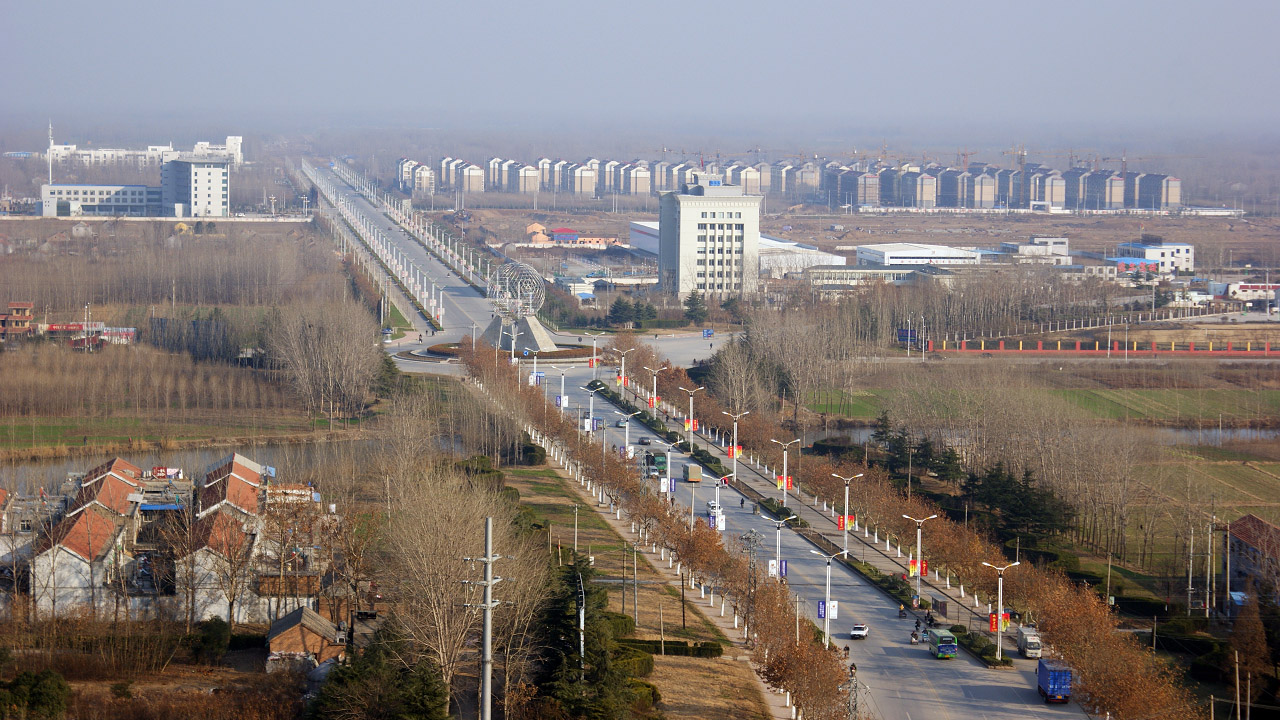
Liangzhai sits at just 7 meters above sea level in the Asia/Shanghai timezone, a flat, low-lying city with a temperate continental climate that brings sharp seasonal swings. The air quality index sits at 85, a figure that reflects the industrial activity and seasonal temperature inversions that can trap pollutants. For the few expats who do settle here, the practical choice is Liangzhai Village Center, the only neighborhood with any meaningful expat presence, though the community itself remains essentially nonexistent. Winters are cold and dry, summers hot and humid, and the weather demands a wardrobe that spans all four seasons.
Living costs in Liangzhai are remarkably low, especially for those coming from pricier Asian hubs. A single adult can cover all monthly expenses, including rent, for around $800/mo on a budget tier, while a more comfortable lifestyle runs about $2,200/mo. Excluding rent, a single person spends roughly $450/mo on everyday needs. Housing is the biggest variable: a one-bedroom in the city centre costs $350/mo, dropping to $250/mo outside the centre, while a three-bedroom in the centre runs $700/mo and $500/mo further out. These figures make it possible to live well on a modest income, though local wages are not part of the picture here.
Safety in Liangzhai is moderate, with a safety index of 60/100 and a crime index of 40/100, meaning the city is generally calm but not without petty incidents. Healthcare quality is rated fair, which is adequate for routine needs but may require travel to larger cities for serious medical care. The expat community is essentially absent, so newcomers should expect to navigate the healthcare system and daily life with limited English proficiency, which adds a layer of difficulty for those who do not speak Chinese.
Getting to Liangzhai is straightforward via TSN airport, which serves the region. Visa options exist, though specific programs are not detailed here, and the process will likely require patience and local paperwork. This city suits a very specific type of person: a budget-conscious single adult focused on financial independence, given the FIRE score of 80/100, or a digital nomad who can work remotely with the average internet speed of 45 Mbps, though the digital nomad score of 56/100 suggests it is not a top-tier choice. Retirees may find it less appealing, with a retiree score of 50/100, and the overall expat score of 78/100 reflects a decent but not exceptional experience for those willing to adapt to a quieter, more local life.