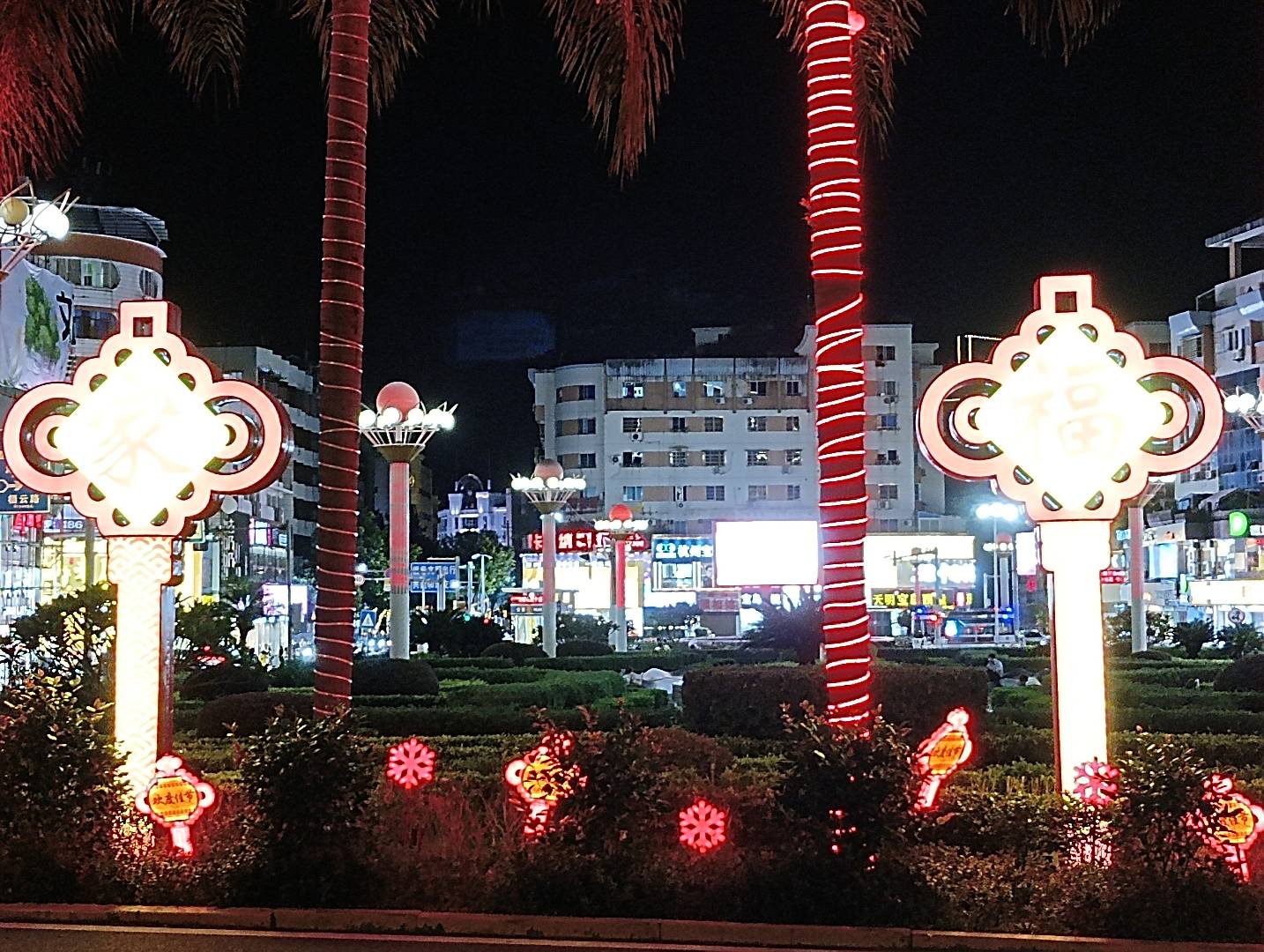
Fu'an sits in China's subtropical southeast, a city of 610 thousand people at just 50 meters above sea level. Its climate brings mild winters and warm, humid summers, with plenty of rain through the year. The city center is where most newcomers land, drawn by the convenience of shops, markets, and public transport, while the quieter outer neighborhoods offer more space and a slower pace. Though expat life here is small, the community tends to cluster near the main commercial streets, where daily needs are within walking distance and the local rhythm is easy to pick up.
Living costs in Fu'an are remarkably low. A single person can get by on about $800/mo in the budget tier, including rent, while a more comfortable lifestyle runs around $2,200/mo. Rent for a one-bedroom in the city center averages $300/mo, dropping to $200/mo outside the center. Families or those wanting extra space can find a three-bedroom for $600/mo centrally or $400/mo further out. Beyond rent, everyday expenses for one person come to roughly $450/mo, covering food, transport, and utilities. These numbers make Fu'an one of the more affordable places to live in the region, especially for those who plan their spending carefully.
Safety and healthcare are solid here. The safety index sits at 68 out of 100, with a crime index of 32, meaning the streets feel calm and the risk of petty crime is low. Healthcare quality is rated as good, and while English proficiency is limited, local clinics and hospitals are equipped to handle routine and urgent care. Expats often rely on translation apps or a local contact for medical visits, but the standard of care is reassuring for long-term residents.
Getting to Fu'an is straightforward via the nearest airport, FOC, about 47 km away. Visa options exist for longer stays, though the specifics depend on your purpose, whether work, study, or family. This city suits retirees and digital nomads who value low costs and a quiet base, with a retiree score of 71 and a digital nomad score of 71. The overall expat score is a strong 89, and the FIRE score of 91 makes it a standout for those aiming to save aggressively. With an average internet speed of 90 Mbps, remote work is reliable, and the unhurried pace of life is a welcome change from bigger Chinese cities.