Spain flag

Seville (Sevilla), Spain

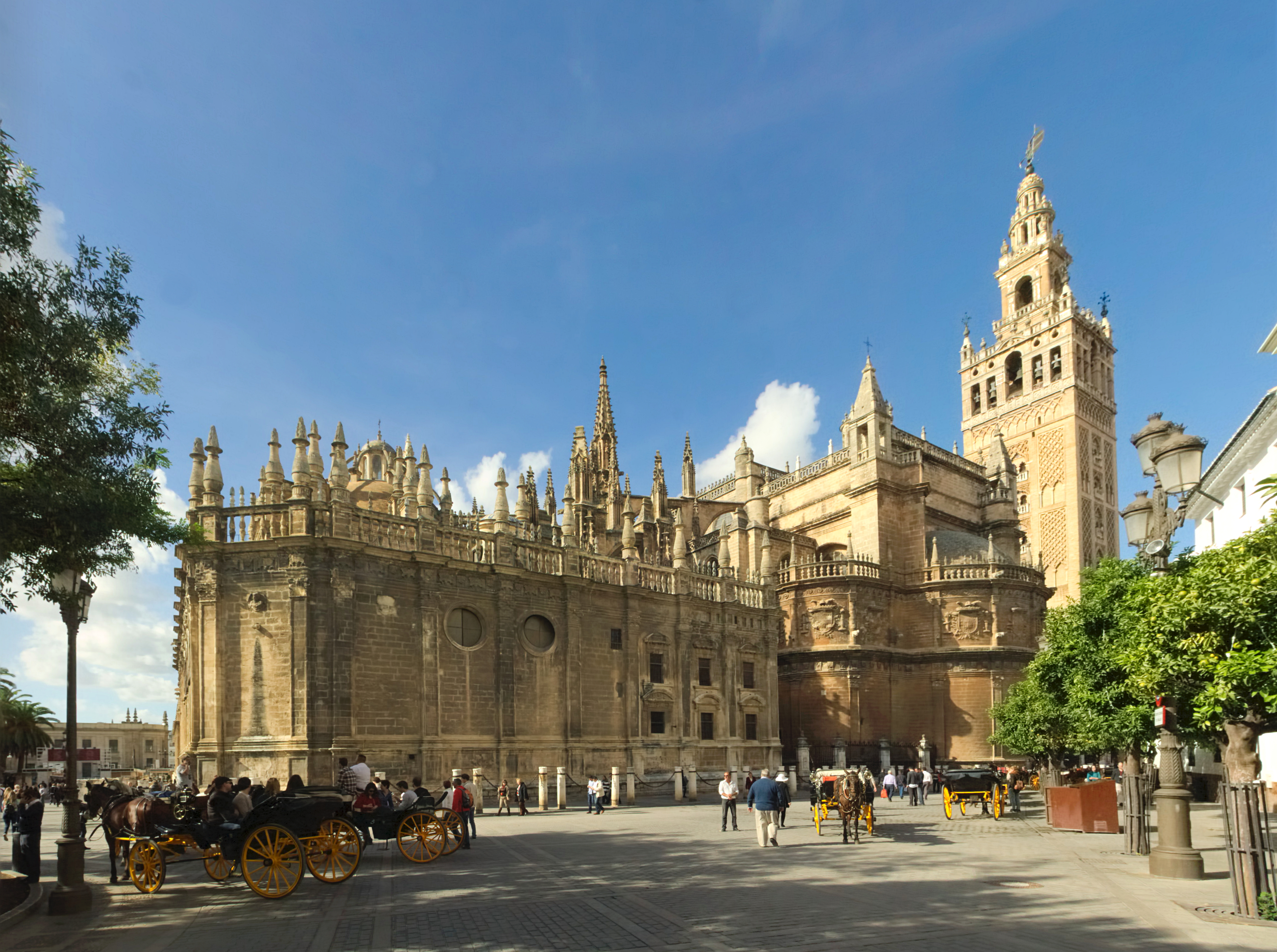
Seville (Sevilla), Spain Hero Image
Wikipedia Contributor, CC BY-SA
Follows Spain Residency Rules. Check Digital Nomad & Retiree Pathways →

📊 Scores

76
FIRE
71
Retiree
80
Digital Nomad

Best fit: Digital Nomad (score: 78)

Seville sits in the southwest of Spain at just 7 meters above sea level, enjoying a Mediterranean climate with very hot, dry summers and mild, wet winters. The city's 689 thousand residents live across neighborhoods that have attracted a large and active expat community, with Triana, Santa Cruz, and Nervion being popular choices.

Living costs in Seville are modest, with a cost of living index of 52 out of 100 (New York City = 100). A single adult living in the city center can expect to pay about $850 per month for a one-bedroom apartment, while outside the center that figure drops to roughly $700. For a three-bedroom apartment, downtown runs around $1,500 per month; outside the center, it is about $1,200. Monthly expenses for a single person excluding rent total $780, bringing the budget-tier total (rent included) for a single adult to $1,400 per month, the mid-range to $2,200, and the comfortable tier to $3,500. For a family of four, monthly costs excluding rent come to $2,650.

The city scores a safety index of 70 out of 100 and a corresponding crime index of 30 (lower is safer), indicating a generally secure environment. Healthcare quality is rated as excellent, and English proficiency is common in tourist areas, which can help newcomers navigate medical visits.

Retirees and remote workers can take advantage of two visa programs: the Spain Non-Lucrative Visa (requires a minimum monthly income of $2,600) and the Spain Digital Nomad Visa (requires a minimum monthly income of $1,627). The nearest airport is SVQ, just 5 km from the city. Seville earns an overall expat score of 78 out of 100, with a FIRE score of 76, a retiree score of 71, and a digital nomad score of 80, making it a strong fit for those seeking a lower cost of living in a historic European setting with reliable internet (average 150 Mbps).

Estimate the cost of moving to Seville (Sevilla), Spain

Get a free moving cost estimate for moving to Seville (Sevilla), Spain. Takes 10 seconds.

How much are you shipping?

When are you moving?

Powered by Sirelo. Free quotes from international movers.

🏚️ Cost of Living

A 1BR in the center runs about $850/mo. If your income is in another currency, bank FX fees add up. A multi-currency account can cut that cost.

See low-fee transfers

We may earn a commission at no cost to you.

See how Seville (Sevilla)'s cost of living compares with Pobla De Farnals (Playa)

Be the first to report costs in Seville (Sevilla)

Share

🛡️ Safety & Crime

70
Safety Index

(Higher is safer)

30
Crime Index

(Lower is safer)

Seville feels genuinely safe for daily life, with good walkability even after dark in central neighborhoods like Santa Cruz and Triana. The city has a relaxed, lived-in atmosphere rather than a fortress mentality. Violent crime against expats is rare; most residents and long-term foreigners move around comfortably. The Safety Index of 70 reflects reality—this is a secure European city where you won't feel constantly on guard.

Petty theft and pickpocketing are the main concerns, especially in crowded areas like the Cathedral, train stations, and during festivals. Bag snatching from outdoor café tables happens occasionally. Avoid displaying expensive jewelry or leaving phones unattended. Solo female travelers report feeling safe, though standard urban awareness applies. Scams targeting tourists exist but rarely affect residents. Neighborhoods like Polígono Sur have higher crime rates and are best avoided, but most expat areas are well-policed.

Spain's political environment is stable with reliable police and judicial systems. Occasional protests occur (Catalan independence, labor strikes) but rarely affect Seville directly or pose danger to residents. Corruption is low by global standards. For an American considering relocation, Seville presents minimal geopolitical risk. The main practical concern is petty crime prevention through vigilance, not systemic instability. Overall, it's a genuinely safe choice for remote workers and retirees seeking a vibrant, affordable European city.

🏥 Healthcare

Excellent
Public Hospitals
Yes
Private Clinics
Yes
English-Speaking Doctors
Available

See how Seville (Sevilla)'s healthcare compares with Pobla De Farnals (Playa)

🌤️ Climate

Summer Temp
36°C
Winter Temp
6°C
Humidity
50%
Air Quality Index
52
Annual Rainfall
364 mm

Best Months

FebMarNov

Climate Notes

Mediterranean climate with very hot, dry summers and mild, wet winters.

💻 Digital Nomad

Avg Internet Speed
150 Mbps
Coworking Availability
Moderate
Coworking Spaces Nearby
5
Digital Nomad Score
80/100

Community Notes

Seville offers rich cultural experiences and numerous coworking spaces ideal for digital nomads.

Coworking Spaces

NameNotes
arcadia coworkingLocated at Calle Cuna 16, primera planta (First Floor), Seville. Hours: Mo-Fr 09:00-20:00.
Campus Empresarial Palmas AltasLocated at 41012 Sevilla.
Centro de Negocios INN Offices Sevilla CartujaLocated at 20 C/Leonardo Da Vinci, 20. Parque Científico y Tecnológico Isla de la Cartuja, Sevilla. Hours: Mo-Fr 08:00-17:00.
Gallo RojoLocated at 9 Plaza Maria Purísima de la Cruz, Sevilla.
workincompany

Names, locations and hours can change. Check each space's website before you visit. Places from © OpenStreetMap contributors and Foursquare Open Source Places (Apache 2.0).

Planning to live in Seville (Sevilla) long-term? Spain Digital Nomad Visa lets remote workers live legally with a minimum income of $1,627/month.

View full requirements →

Working remotely from Seville (Sevilla)? Nomad health insurance covers you across borders, month to month.

See nomad insurance

We may earn a commission at no cost to you.

See how Seville (Sevilla)'s digital nomad life compares with Pobla De Farnals (Playa)

🧳 Expat Life

English Proficiency
Common in Tourist Areas
Expat Community
Large & Active
Top Neighborhoods
Triana, Santa Cruz, Nervión
Banks Nearby
279
ATMs Nearby
61

Expat Life Notes

The heart of Andalusian culture. It is beautiful and historic, but social life requires Spanish for full integration.

Pros

  • ✓ Stunning architecture and history
  • ✓ Vibrant social life (Tapas culture)
  • ✓ Moderate cost for Europe

Cons

  • ✗ Extreme summer heat (45C+)
  • ✗ High unemployment for locals
  • ✗ English is limited to tourist areas

🏘️ Neighborhoods in Seville (Sevilla)

Notable areas of Seville (Sevilla), with descriptions adapted from public reference sources. Rent figures are Numbeo's city-wide averages, not prices for a specific area.

Conditions can change from one block to the next, and these descriptions are general guides, not safety assessments. Before choosing where to stay or live, check current travel advisories, talk to people who live there, and visit in person if you can.

Santa Cruz

Santa Cruz is Seville's primary tourist neighborhood and was the Jewish quarter of the medieval city. It is bordered by the Jardines de Murillo, the Real Alcázar, Calle Mateos Gago, and Calle Santa María La Blanca/San José. Many of Seville's oldest churches are in the neighborhood, which is also home to the Cathedral of Seville and the Giralda, the converted minaret of the old Moorish mosque.

Sources: Wikipedia

Nervión

Nervión is a district of Seville, Spain, located east of the city center (Casco Antiguo), north of Distrito Sur, south of San Pablo-Santa Justa, and west of Cerro-Amate. It is an important commercial district where much of the regional capital's business takes place. The population is 16,129 inhabitants.

Sources: Wikipedia

Los Remedios

Los Remedios is a district of Seville, the regional capital of Andalusia, Spain. It sits on the Isla de La Cartuja, south of Triana, between two forks of the Guadalquivir river. Bridges connect it to the Casco Antiguo, Distrito Sur, Bellavista-La Palmera, and San Juan de Aznalfarache. The district is named for a Carmelite convent of the same name. The Port of Seville has been located here since silting forced it from El Arenal.

Sources: Wikipedia

Palacio y jardines de la Buhaira

The Buhaira Gardens, also called the Buhaira Palace or the Buḥayra, is a former Almohad garden and palace in Seville, Spain. It dates to the 12th century. Following the Reconquista, Spanish speakers also called it the Huerta del Rey ("Garden of the King") or Huerta Dabenahofar. It is now a public park and historic site.

Sources: Wikipedia

Page 1 of 2

Descriptions adapted from Wikipedia and Wikivoyage, licensed CC BY-SA 4.0. Location data from OpenStreetMap contributors (ODbL).

Could living/working in Seville (Sevilla) cut years off your work life?

With a 1-bedroom in the center at $850/mo, your FIRE number here might be much lower than you think.

Calculate My FIRE Date →

🛂 Visa Options for Spain

Many long-stay visas require proof of health insurance. Compare international health plans before you apply.

Compare health insurance

We may earn a commission at no cost to you.

🛂

Earning over $1,627/mo? You may qualify for a Spain visa.

Answer 11 questions and get a personalized match in under 2 minutes.

Find My Visa

More Cities to Consider instead of Seville (Sevilla)

FAQ

Frequently Asked Questions about Seville (Sevilla)

Click any question to expand the answer.

Seville (Sevilla) has a population of approximately 689,423 people.
A single person can expect to spend around $2,125 per month in Seville (Sevilla), including rent. A 1-bedroom apartment in the city center costs approximately $850/month.
The nearest airport to Seville (Sevilla) is SVQ, approximately 5.1km away.
Seville (Sevilla) is considered relatively safe, with a safety index of 70.0. As with any city abroad, expats should research specific neighborhoods before committing to a location.
Seville (Sevilla) has an average internet speed of 150 Mbps. It is considered a well-established digital nomad destination.
It's cheaper than Madrid or Barcelona, but less of a bargain than it used to be. City-center one-bedrooms average around $850/month. Outer neighborhoods are noticeably cheaper. Food and dining out remain genuinely affordable — a full tapas meal with drinks can cost €10–15 per person. The bigger squeeze is housing, driven by tourism and short-term rental demand.
It's the hottest major city in Spain and one of the hottest in Europe. July and August regularly see temperatures of 38–42°C (100–108°F), sometimes higher. It's not just uncomfortable — it's life-altering for those months. Most expats either leave for summer, work from air-conditioned spaces, or shift entirely to a nocturnal schedule. Spring (March–May) and fall (September–November) are genuinely beautiful.
Yes, practically speaking. Unlike coastal expat hubs, Seville is a real Spanish city where daily life — bureaucracy, healthcare, landlords, neighbors — operates in Spanish. English is spoken in tourist areas and by younger professionals, but you'll hit walls fast without at least intermediate Spanish. If you're planning to stay long-term, treat language learning as non-optional, not optional.
Alameda de Hércules and Macarena offer more affordable rents and a vibrant local scene. Triana, across the river, is also a good option with a mix of traditional charm and reasonable prices. Expect to pay around €700-€900 for a one-bedroom apartment in these areas.
Seville is generally a very safe city with low levels of violent crime. Petty theft, like pickpocketing, can occur in touristy areas, especially during peak season, so be mindful of your belongings. Overall, you can feel comfortable walking around most neighborhoods at any time of day.
The most common visa for retirees is the non-lucrative visa, which requires proof of sufficient passive income or savings to support yourself without working in Spain. You'll need to demonstrate around €28,800 per year for yourself, plus additional funds for dependents. Another option is the Golden Visa, requiring a significant investment in Spanish property.
Internet speeds in Seville are generally good, with fiber optic connections widely available. You can expect download speeds of 50-300 Mbps in most neighborhoods, sufficient for video conferencing and other remote work tasks. Coworking spaces like La Workery and Nomad In Seville offer reliable internet and professional environments.
Spain has a public healthcare system (Seguridad Social) that expats can access after obtaining residency. Private healthcare is also available and relatively affordable. You can find English-speaking doctors, especially in larger private hospitals and clinics; a quick online search for "English speaking doctor Seville" will yield results.
As a US citizen, you're still required to file US taxes even when living abroad. The Foreign Earned Income Exclusion (FEIE) allows you to exclude a certain amount of your foreign-earned income from US taxes (around $120,000 in 2023). You may also need to report foreign bank accounts if the total value exceeds $10,000 (FBAR).
Seville is a very walkable city, and the historic center is best explored on foot. The city also has a good public transportation system, including buses, a metro, and trams. Taxis and ride-sharing services are readily available, and bike rentals are a popular option.
Seville has a growing expat community, although it's smaller than in cities like Madrid or Barcelona. There are several expat groups and social events where you can meet other expats and locals. Joining language exchanges or taking classes is a great way to connect with people.
Several options exist for transferring money, including Wise (formerly TransferWise), Remitly, and Xoom. Compare exchange rates and fees before choosing a service. Opening a local Spanish bank account can also simplify receiving funds. ATMs are widely available, but check for international transaction fees.
Yes, $2,500 USD (approximately €2,300) per month is generally sufficient for a comfortable retirement in Seville, especially if you're mindful of your spending. You can rent a decent apartment, enjoy local cuisine, and participate in social activities without breaking the bank. It's definitely viable for FIRE principles.
Seville has a relaxed and unhurried pace of life, perfect for retirees seeking a slower rhythm. People take their time, enjoy leisurely meals, and prioritize social connections. The siesta culture, although less prevalent than before, still influences the daily routine.
Spaniards value personal relationships and direct communication, so expect more physical contact (like cheek kisses) when greeting people. Meal times are later than in the US, with lunch around 2-3 pm and dinner around 9-10 pm. Be prepared for shops to close during siesta hours in smaller establishments.

Share This Guide