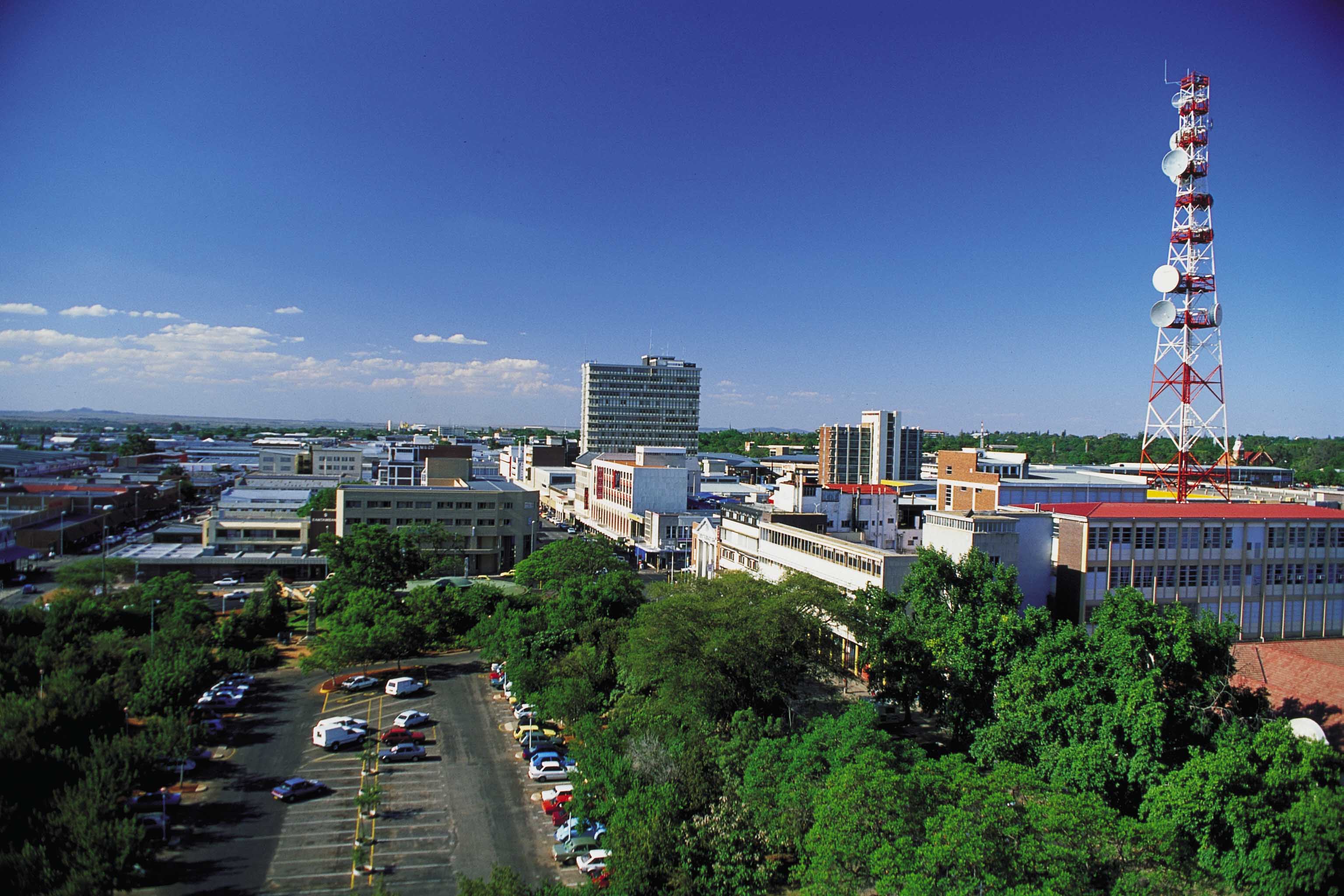
Polokwane, South Africa
Data updated Sep 3, 2026
📊 Scores
Best fit: FIRE / Geoarbitrage (score: 75)
Government jobs dominate the employment landscape here, with the provincial administration being the largest employer alongside retail chains like Pick n Pay and Shoprite. The service sector thrives on the city's role as a regional hub, supporting everything from banking to logistics companies serving northern South Africa. Mining companies maintain regional offices, but don't expect the job diversity of Johannesburg — this is fundamentally a government town with limited private sector opportunities for expats.
One-bedroom apartments in the city center run around $480 monthly, significantly cheaper than Gauteng metros. Minibus taxis handle most public transport for under $1 per trip, though having a car makes life considerably easier. Healthcare access is decent with private hospitals like Mediclinic, but expect language barriers — 46% speak Sepedi as their first language, and English isn't universally fluent. Government bureaucracy moves at typical South African pace, meaning patience is essential for permits and documentation.
The subtropical highland climate delivers pleasant winters and hot, wet summers that can feel oppressive from December to February. Weekend options center around the Mall of the North, local restaurants, and nearby game reserves like Marakele National Park. The expat community is small and mostly consists of government workers, NGO staff, and mining professionals — don't expect the international social scenes of Cape Town or Johannesburg. This city suits people seeking affordable living with government job security, not cosmopolitan excitement.
🏚️ Cost of Living
💰 Budgets and Costs
Grocery Basket
Eating Out
Utilities & Lifestyle
Housing
A 1BR in the center runs about $480/mo. If your income is in another currency, bank FX fees add up. A multi-currency account can cut that cost.
See low-fee transfersWe may earn a commission at no cost to you.
💰 Real Spend Reports
🛡️ Safety & Crime
(Higher is safer)
(Lower is safer)
Polokwane is moderately safe for expats, with a noticeably better safety profile than many South African cities. Daytime movement is generally unrestricted, though nighttime walking alone isn't advisable in unfamiliar areas. The city has a provincial capital feel with established expat communities, and locals are accustomed to foreign residents. Overall, it's safer than its reputation suggests, but requires standard urban caution.
Petty theft and vehicle break-ins are the primary concerns; avoid displaying valuables, don't leave items in parked cars, and use ATMs during daylight. Violent crime exists but is less prevalent than in Johannesburg or Durban. Solo female travelers should avoid walking alone after dark and use ride services instead. Certain townships and informal settlements warrant avoidance, but central business and residential areas are reasonably secure.
South Africa's broader challenges—corruption, service delivery protests, and police capacity issues—affect Polokwane but less acutely than major metros. Political stability is generally stable in the province. Police response can be slow, so expats often rely on private security. For Americans considering relocation, Polokwane is a viable option if you're comfortable with moderate precautions and accept that South Africa requires more vigilance than Western countries.
Polokwane has a safety index of 58/100. Petty theft and lost belongings are the most common problems for newcomers. Compare travel insurance before you go.
Compare travel insuranceWe may earn a commission at no cost to you.
🏥 Healthcare
🌤️ Climate
Best Months
Climate Notes
Polokwane has a subtropical highland climate with warm, wet summers (November–March) and mild, dry winters (June–August), making it pleasant year-round with moderate rainfall.
💻 Digital Nomad
Community Notes
| Name | Price/mo | Notes |
|---|---|---|
| Regus Polokwane | $120 | Located in the central business district, Regus offers a professional environment with reliable internet, meeting rooms, and administrative support, making it suitable for expats needing a structured workspace. |
| The Office Space | $90 | While technically a virtual office provider, they offer physical office space and coworking options in Polokwane. It's a good option for those needing a professional business address and occasional workspace. |
Planning to live in Polokwane long-term? South Africa Digital Nomad Visa lets remote workers live legally with a minimum income of $2,950/month.
View full requirements →Working remotely from Polokwane? Nomad health insurance covers you across borders, month to month.
See nomad insuranceWe may earn a commission at no cost to you.
🧳 Expat Life
🛂 Visa Options for South Africa
Many long-stay visas require proof of health insurance. Compare international health plans before you apply.
Compare health insuranceWe may earn a commission at no cost to you.
Living on investment or passive income? South Africa Financially Independent Person Visa may be the right fit.
View full requirements →Living on investment or passive income? South Africa Retired Person Visa may be the right fit — minimum $2,050/month required.
View full requirements →Earning over $320/mo? You may qualify for a South Africa visa.
Answer 10 questions and get a personalized match in under 2 minutes.
Could living/working in Polokwane cut years off your work life?
With a 1-bedroom in the center at $288/mo, your FIRE number here might be much lower than you think.
Moving to Polokwane? Estimate what an international move would cost and compare mover quotes.
Estimate my move costShare This Guide
Polokwane won't stay this cheap forever.
Cost-of-living and visa updates for Polokwane and the rest of South Africa. Free with RA Postcards.
By submitting your email address, you will receive a free subscription to RA Postcards and special offers from Rewire Abroad and our affiliates. You can unsubscribe at any time, and we encourage you to read more about our Privacy Policy.