South Africa Retired Person Visa
South Africa · Africa
Data updated Sep 16, 2026
Min Monthly Income
$2,050
Application Fee
$36
Processing Time
4 wks–13 wks
Difficulty
Moderate
Duration
30 months
Overview
Qualification for the South Africa Retired Person's Visa comes down to one question: can you show passive income of at least ZAR 37,000 per month - roughly USD 2,050 as of 2026 - without working for it? That's the core of the visa. It's not structured around age, career history, or any particular life stage. It's structured around money you don't have to earn. Which means the commitment you're actually making when you apply is a commitment to living here without a South African income source, for as long as you hold the visa. The temporary version runs up to 30 months at a time and is renewable. This visa does not lead to permanent residency, and it must be renewed for as long as you hold it. Both of those are real commitments, not formalities.
The person who sails through this process is someone with a pension, annuity, or stable investment portfolio that generates clean, documentable monthly income - ideally from a single institutional source that produces clear statements. The person who struggles is someone whose passive income is real but scattered: a mix of rental income, brokerage dividends, and partial pension distributions that adds up to the right number but requires a lot of explaining. The person in the wrong category entirely is anyone who's planning to freelance, consult, or pick up any kind of paid work once they're on the ground. This visa doesn't flex on that. If your income plan involves staying active professionally, this isn't the right vehicle.
The tax piece is the thing most applicants don't fully work through before they apply. South Africa taxes residents on worldwide income, and the physical presence test can trigger tax residency faster than people expect - more than 91 days in South Africa in the current year, more than 91 days in each of the prior five years, and more than 915 days total across those five years. For US citizens, that means layering South African tax obligations on top of the IRS's universal filing requirement. The US-South Africa tax treaty helps, and the Foreign Tax Credit is generally more useful here than the FEIE for retirees with passive income, but this needs to be sorted with a cross-border tax adviser before your consulate appointment, not after your first full year of residence.
What this visa actually unlocks is a affordable, full-residency life in a country with extraordinary natural geography, a functioning private healthcare sector, and a cost of living that makes USD 2,000-3,000 a month feel like real money. The rand's weakness relative to the dollar means your purchasing power stretches further here than almost anywhere else with comparable infrastructure and quality of life. This visa does not lead to permanent residence, even for people whose income is structured to support long-term residency.
Eligibility Requirements
Min Income
$2,050
Application Fee
$36
Renewal Cost
$36/yr
Min Age
55 yrs
practical
Duration
30 months
Pension / Social Security · Savings · Passive / Investment Income
Max 0% from local sources
Requirements Checklist
Valid passport with at least 6 months validity
Proof of sufficient income (bank statements, employment contract)
Health insurance covering the entire stay
Clean criminal background check
Completed application form with all required documents
Proof of accommodation in the country
Tax Information
South Africa Taxes Worldwide Income - What That Means for Retirees
South Africa taxes residents on worldwide income. Once you're a tax resident here, the South African Revenue Service (SARS) has a claim on your foreign pension, annuities, rental income from property back home, foreign dividends, interest, and realized capital gains on global investments - not just what you earn or receive inside the country. There is no territorial carve-out for income that originated abroad before you arrived.
Tax residency triggers in one of two ways. The first is "ordinary residence" - essentially, South Africa is where you've made your home. The second is the physical presence test, which requires more than 91 days in South Africa in the current tax year, more than 91 days in each of the five preceding tax years, and more than 915 days total across those five years. If a tax treaty applies - and the US-South Africa treaty does exist - there are tiebreaker rules that can override domestic residency determinations, but you need to actively invoke them; they don't apply automatically.
For the 2025/26 year of assessment, income tax runs from 18% on the first ZAR 237,100 (roughly USD 12,900) up to 45% on income above ZAR 1,817,000 (roughly USD 99,000), with primary rebates reducing the actual liability for individuals. Most retired Americans living here on investment and pension income will find themselves somewhere in the middle bands - the 36% to 41% range is realistic for anyone drawing a comfortable retirement income. Non-residents are taxed only on South African-source income, but once you've settled here, that status generally won't apply.
South African-source dividends carry a 20% withholding tax for individuals, absent treaty reductions. Capital gains are partially included in taxable income - 40% of net gains are added to your income and taxed at your marginal rate, producing an effective maximum rate of around 18% for top-bracket taxpayers. Neither of these rates is preferential for retired visa holders specifically; they apply to individuals generally.
No Special Expat Regime for Retirees
South Africa does not have a non-dom program, a flat-tax expat regime, or any special tax structure designed for foreign retirees settling here. The foreign employment income exemption under section 10(1)(o)(ii) exists, but it applies to active employment income earned while working outside South Africa for more than 183 days in a 12-month period - which describes almost no one on a retired person's visa. This provision's status has also changed, so anyone who encountered older information about its scope should verify current rules with a local tax advisor before relying on it.
For a US retiree drawing pension, Social Security, investment income, and possibly rental income from US property, there is no South African mechanism that shelters any of that from the worldwide tax net once residency is established. The planning work happens at the treaty and credit level, not through a preferential local regime.
The US Layer - FEIE, FTC, and FBAR
The IRS does not stop taxing you because you moved to Cape Town. US citizens and green card holders file US federal returns regardless of where they live, and the obligation covers worldwide income.
The Foreign Earned Income Exclusion - up to $132,900 for 2026 - applies only to earned income from services: foreign salary, freelance work, self-employment. For most people on a retired person's visa, that covers very little. Pensions, Social Security, annuities, dividends, interest, and capital gains are all outside the FEIE's scope, full stop. If you do have some freelance or consulting income alongside your retirement income, FEIE requires either the Bona Fide Residence Test (full-year residence with intent to remain) or the Physical Presence Test (330 full days abroad in a 12-month period). Claiming FEIE without accounting for how South African tax interacts with it can also create bracket distortions on your remaining income - excluded earned income still affects the rates applied to non-excluded income.
For most retirees here, the Foreign Tax Credit is the more relevant tool. FTC allows South African income taxes you've paid on foreign-source income to offset your US liability on that same income. Given that South African rates on investment and pension income are comparable to or higher than US rates in many brackets, FTC can substantially reduce or eliminate the US tax due on income that South Africa has already taxed. The mechanics require careful attention to income source categorization and the passive versus general basket rules - this is not a calculation to estimate manually.
The US-South Africa income tax treaty provides tiebreaker rules for dual residents and reduced withholding rates on certain cross-border payments including dividends, interest, and pensions. It does not eliminate US filing obligations, but it does create real planning opportunities when applied correctly alongside FTC.
FBAR is mandatory. The retired person's visa requires you to have a South African bank account, and once your combined foreign accounts exceed $10,000 at any point during the calendar year - which will happen immediately - FinCEN 114 is due by April 15 with an automatic extension to October 15. Non-willful failure to file carries a penalty of approximately $16,700 per violation as of 2026. The account the visa requires you to open is the account that triggers the obligation.
Getting Year One Right
The decisions that go wrong in year one tend to be the ones with permanent consequences. Missing a preferential regime registration window is less of a risk in South Africa than in some other countries - there's no special program to enroll in - but the equivalent here is making the wrong election on how you establish or contest tax residency, and getting FEIE versus FTC positioning wrong in your first year of filing as a South African resident. The Bona Fide Residence Test election, once made, has implications for subsequent years; the Physical Presence Test approach has different timing requirements. Choosing between them without understanding how each interacts with South African residency rules and the treaty is a common source of overpayment or exposure.
FBAR non-filing for a required account is the other clean mistake - straightforward to avoid, expensive if missed, and the penalty structure doesn't scale with the balance.
Combined first-year advisory costs - a US expat CPA familiar with South Africa plus a local South African tax advisor - typically run $1,500 to $3,000. What that buys is correct treaty positioning from the start, the right FTC basket structure for your income mix, FBAR compliance, and someone who knows whether the foreign employment income exemption's changed status affects anything in your specific situation. For a retiree drawing income from multiple sources across two countries, the cost of getting this wrong in year one tends to exceed that figure quickly, and some elections can't be undone.
Living in South Africa
COL Index vs NYC
30.0
Monthly Cost (excl. rent)
$645
1BR Rent (City Center)
$482
Safety Index
25.3
Healthcare Index
63.8
Quality of Life Index
152.4
Time Zone
UTC+02:00
Capital
Pretoria
Population
59.3M
Official Languages
Afrikaans, English, Southern Ndebele, Northern Sotho, Southern Sotho, Swazi, Tswana, Tsonga, Venda, Xhosa, Zulu
Avg Internet Speed
48 Mbps
Public Transit Quality
Fair
With a budget covering rent and living costs, you'd need roughly $1,127/mo for a comfortable single-person lifestyle in South Africa.See how far your money goes →
🏙️ Best Cities in South Africa for Retirees
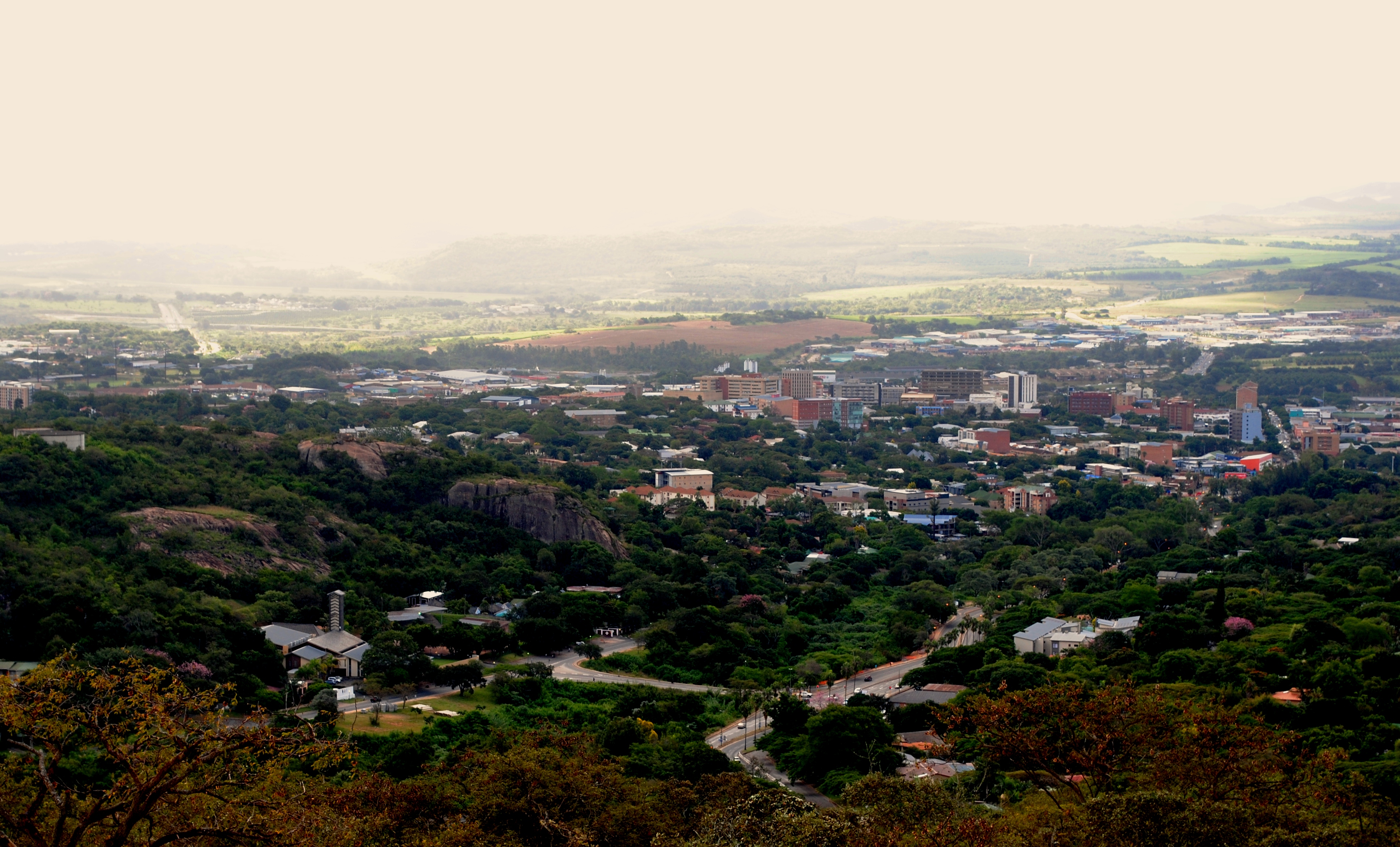 74
74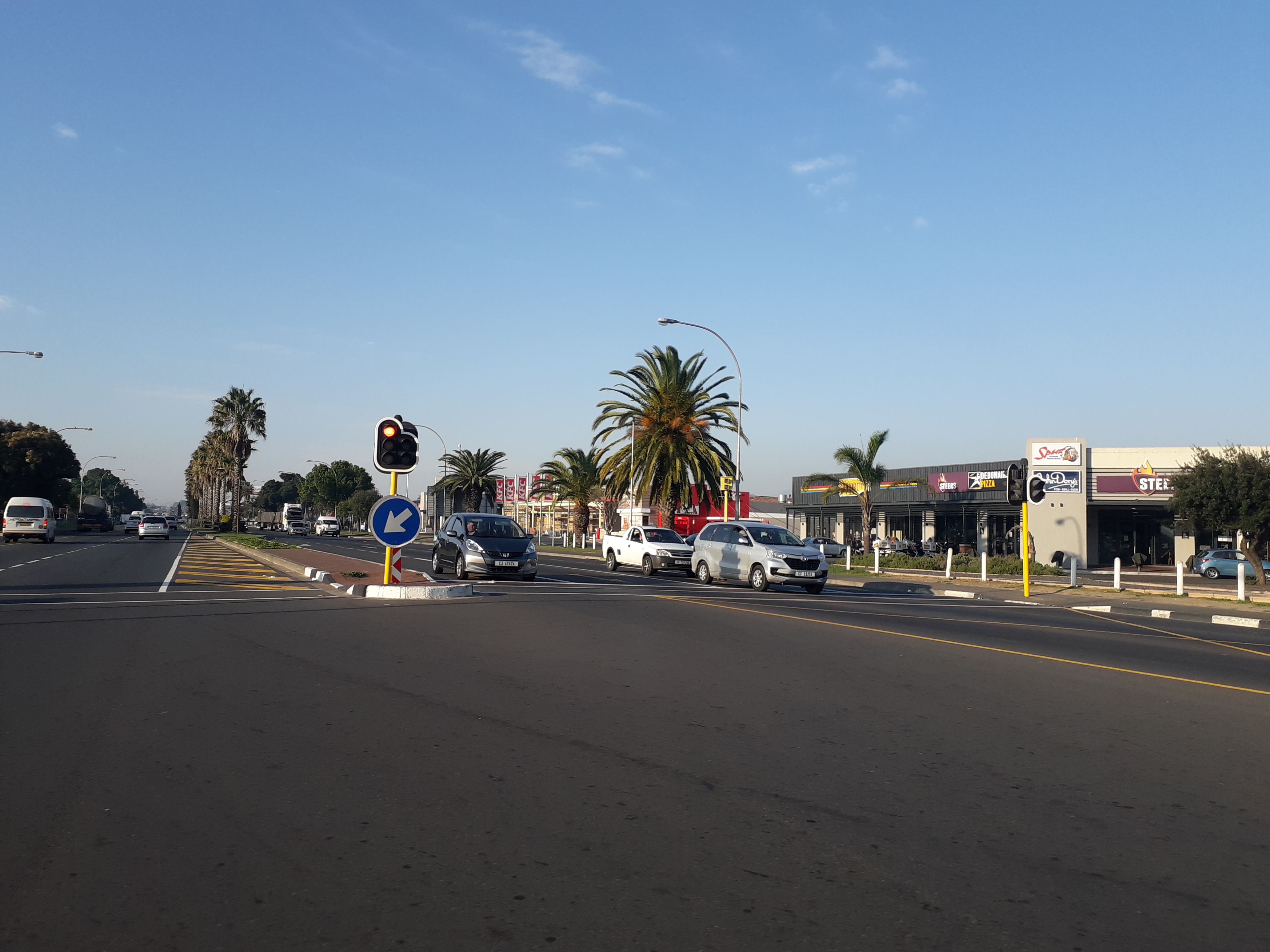 74
74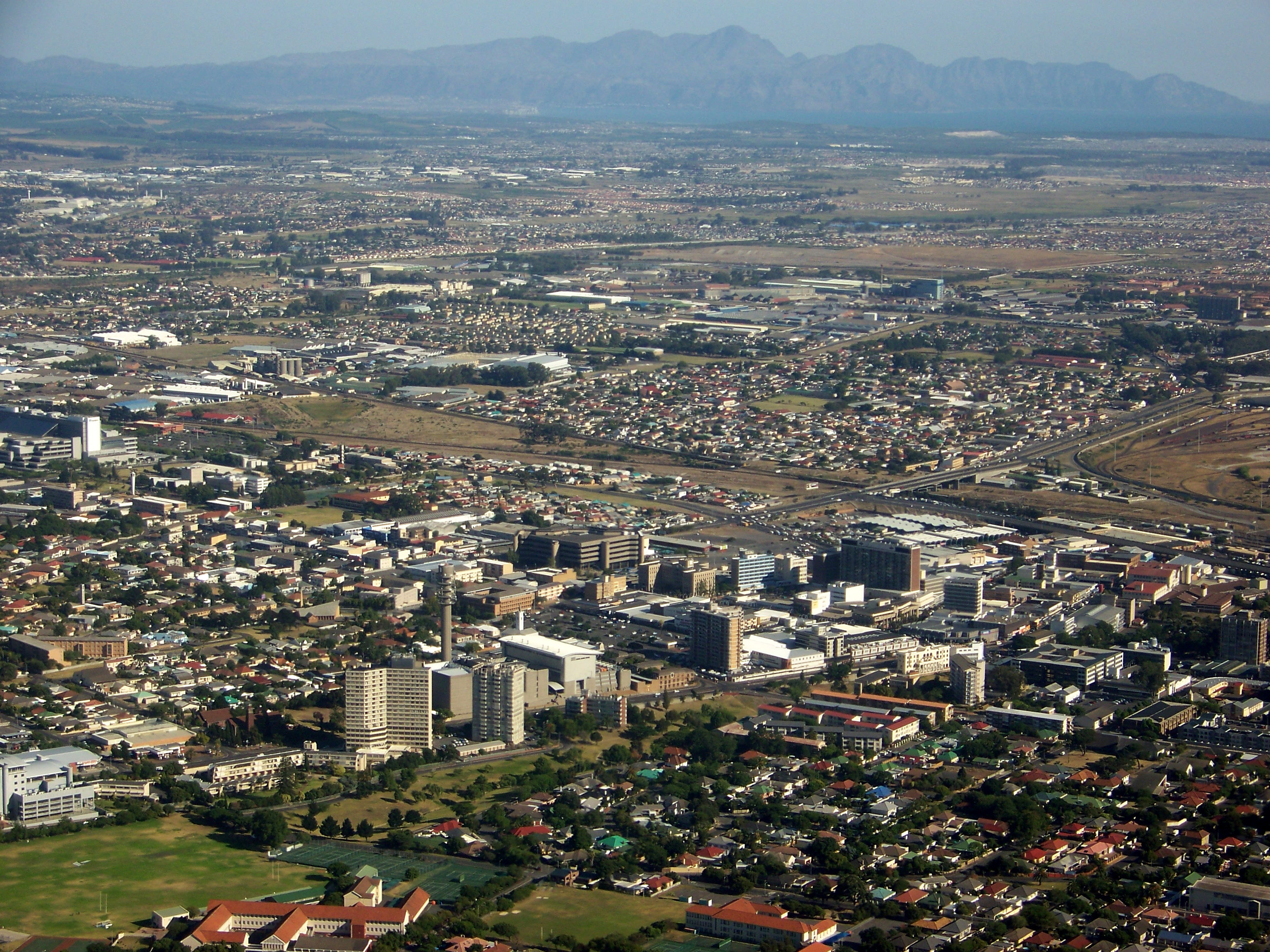 ✦ 79
✦ 79Getting Your Income Documentation Story Straight
As of 2026, the ZAR 37,000 monthly income requirement sounds simple until you're sitting across from a consular officer trying to explain why your passive income comes from four different sources in two countries. The documentation standard isn't just about hitting the number - it's about demonstrating that the income is passive, stable, and verifiable. A pension statement from a single administrator is about as clean as it gets. A combination of rental income from a property you manage, quarterly dividend distributions from a brokerage account, and a partial annuity payout requires a much more carefully assembled file.
What most applicants underestimate is how much narrative the documentation needs to carry on its own. Consular staff and VFS processors are not going to call your financial institution to clarify something ambiguous. If a bank statement shows irregular deposits, or if an investment account shows income that looks like it could be from active trading, that creates friction. The safer approach is to identify your cleanest, most institutional income sources and build the application around those, even if your total passive income significantly exceeds the threshold.
If you're using realizable assets rather than recurring income - meaning you're showing that you have assets which could generate ZAR 37,000 per month even if they're not currently doing so - be prepared for more scrutiny. That's a harder case to make than a pension letter that states a fixed monthly amount. It's not impossible, but the documentation burden is higher and the interpretation can vary by processing office.
One thing worth doing before you apply: have a South African immigration attorney review your income documentation package specifically, not just your eligibility in the abstract. The gap between "I qualify" and "my paperwork proves I qualify to someone who has never met me" is where applications stall.
The Accommodation Requirement and Where People Get It Wrong
South Africa's retired person visa doesn't mandate that you own property or sign a long-term lease before applying from abroad, but proof of accommodation is often requested as part of the application, and how you handle it matters more than people expect. Showing up with a hotel booking or a vague plan to find a place once you arrive is not going to read well. What the Department of Home Affairs wants to see is that you have a concrete, documented place to live - a signed lease, a property title, or a letter from someone whose address you'll be using.
The practical complication is that most people applying from the US haven't committed to a specific city or neighborhood yet. They know they want to be in Cape Town or the Garden Route or somewhere in the Winelands, but they haven't signed anything. The workaround most applicants use is a short-term furnished rental agreement for the first three to six months - something that proves an address without locking you into a 12-month commitment in a neighborhood you've never actually lived in.
What you want to avoid is the situation where your accommodation documentation is the weakest part of an otherwise strong file. If your income proof is clean and your medical insurance is in order, don't let a vague accommodation arrangement create unnecessary questions.
What Actually Happens After You Land
Visa approval is not the end of the administrative process - it's the beginning of a different phase of it. When you arrive in South Africa on your retired person's visa, you have a valid endorsement in your passport and a legal right to reside. What you don't have yet is a South African ID number, a local bank account, a medical aid membership that recognizes your status, or any of the practical necessities of daily life. Getting those things takes time, and the sequencing matters.
The bank account situation is where most new arrivals hit their first real wall. South African banks require proof of address, proof of income, and often a tax reference number before they'll open an account for a foreign national. Getting a tax reference number means registering with SARS, which requires a physical address and sometimes an in-person visit. And getting proof of address requires having a bank account or utility bill - which you can't get without an address. It's a circular problem that most people solve by using a lease agreement as their anchor document and working backward from there.
The other thing that catches people is the medical insurance requirement. Your visa was issued on the basis of having comprehensive health insurance valid in South Africa, but that policy may not automatically convert to a local medical aid scheme, and private hospital networks here often work through specific scheme memberships. If you're planning to use the private healthcare system - which most expats do - getting properly enrolled in a recognized scheme should be one of the first things you do after landing, not something you figure out when you need it.
Processing for the permanent residence application, if that's your long-term direction, is best started well before your temporary visa expires. The backlogs at the Department of Home Affairs are real, and "submitted" is not the same as "decided."
The Permanent Residence Path in Practice
On paper, the section 27(e) permanent residence route for retired persons is straightforward: prove your qualifying income is guaranteed for life, submit the application, get approved. In practice, the phrase "guaranteed for life" does real work in that sentence. A government pension or an irrevocable annuity from a major financial institution will satisfy it. A brokerage portfolio that generates ZAR 37,000 per month most months, or rental income from a property you could theoretically sell, will not - at least not without significant additional documentation and, in some cases, not at all.
The citizenship path that follows permanent residence requires at least five years of ordinary residence in South Africa, with at least one of those years as a permanent resident immediately before applying. That's five years of actual, documented presence - not five years of holding a visa while spending most of your time elsewhere. South Africa tracks this, and "ordinary residence" has a specific legal meaning that implies your primary home is here.
What most people don't fully account for is how long the PR application itself takes. Processing times at the Department of Home Affairs are notoriously variable, and it's not unusual for an application to take well over a year from submission to decision, with requests for additional documentation arriving at unpredictable intervals. The practical advice from most immigration practitioners is to apply for permanent residence while your temporary visa still has at least 18 months of validity remaining, so that a slow process doesn't leave you in a gap.
The 2026 Revised White Paper signals that the current section 27(e) route may eventually be replaced or significantly modified. Nothing has changed yet, but if permanent residence is part of your long-term plan, the current framework is the one to move on.
South Africa vs. Portugal's D7 - A Real Comparison
The comparison that comes up most often is Portugal's D7, and it's a fair one to think through carefully rather than dismiss. Both visas are built around passive income. Both offer a path to permanent residence and eventually citizenship. The financial thresholds are in a similar range. On paper they look like versions of the same thing.
Where they diverge is in what daily life actually costs and what the visa gives you access to. Portugal's D7 puts you inside the Schengen Area, which means freedom of movement across 26 European countries and a path to EU citizenship - something that has real, lasting value for people who want optionality in Europe. South Africa gives you none of that. What it gives you instead is a dramatically lower cost of living, particularly if your income is in dollars, and a quality of life - specifically the combination of climate, natural environment, and private services - that is hard to replicate in Western Europe at the same price point.
Portugal also has stricter physical presence requirements for maintaining residency and advancing toward citizenship, which matters if you want flexibility to spend extended time in the US or elsewhere. South Africa's requirements are less rigid in practice, though "ordinary residence" still implies this is actually where you live.
The honest framing is this: if EU access and a European base matter to you - for family reasons, for future flexibility, for the passport - Portugal is probably the right answer despite the higher cost. If what you're optimizing for is a full, comfortable life in an extraordinary physical environment at a cost that leaves your savings largely intact, South Africa is the harder case to argue against.
Work Permissions
Application Steps
- 1
📋 Confirm retirement income requirement
1 week
- 2
📄 Gather required documents
3-4 weeks
- 3
📅 Submit at South African consulate or VFS
1 day
- 4
⏳ Await decision and plan arrival
4-12 weeks
This visa requires proof of health insurance. Compare international plans before you apply.
Compare health insuranceWe may earn a commission at no cost to you.
Frequently Asked Questions
Click any question to expand the answer.
Ready to Apply?
Work with trusted visa specialists who handle the paperwork so you can focus on your move.
Get help with this visa →* We may earn a commission if you apply through our link
At a Glance
Last verified: July 15, 2026