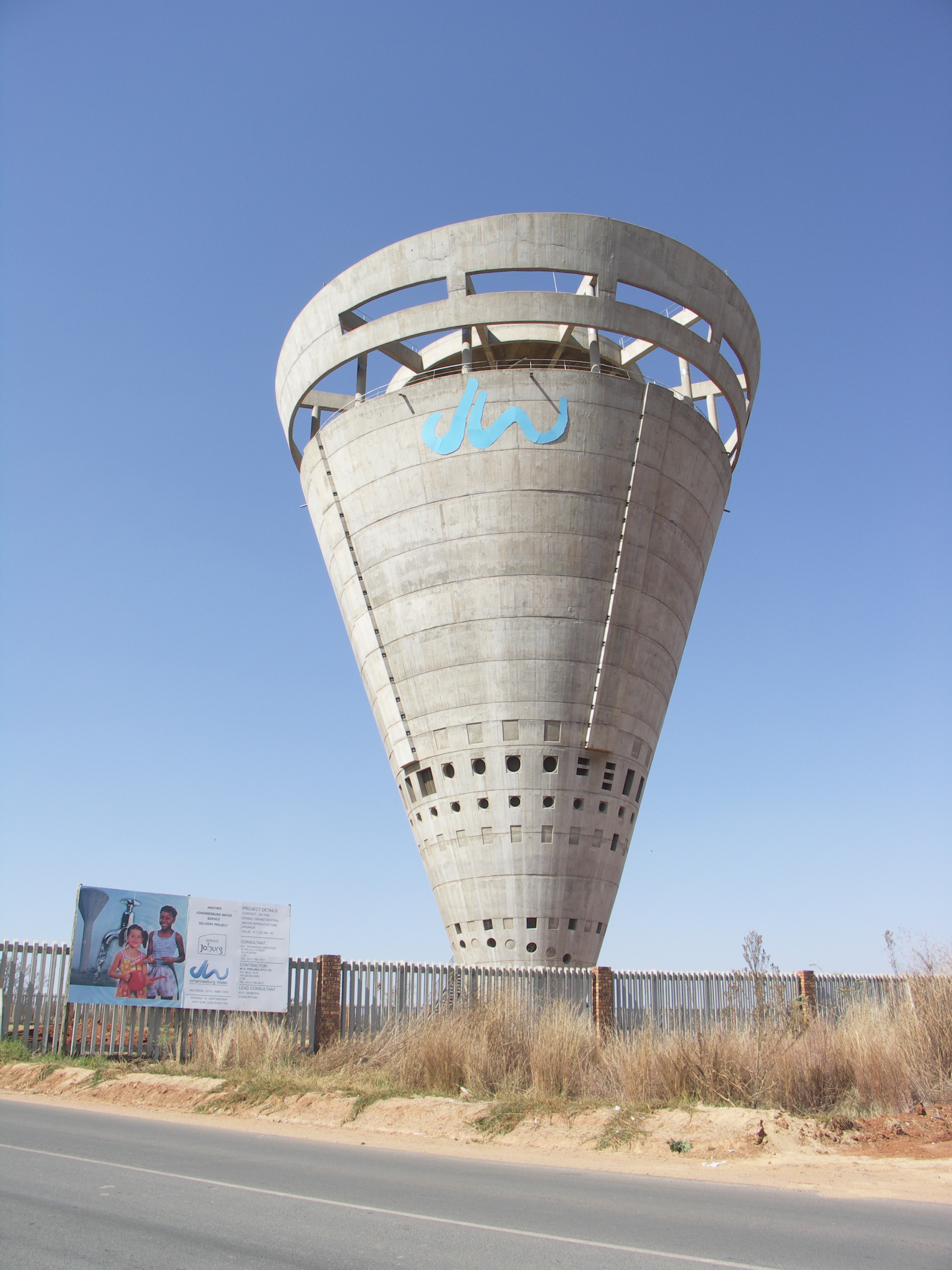
Midrand sits on the highveld between Johannesburg and Pretoria, at an elevation of 1540 meters above sea level. The climate is subtropical, with warm summers and mild, dry winters, and the city operates on Africa/Johannesburg time. With a population of 87 thousand, Midrand is a compact hub that has grown into a convenient midpoint for commuters and a base for those working in the surrounding economic zones. While the data does not name specific neighborhoods, expats typically choose areas that offer easy access to the N1 highway and the Gautrain station, favoring modern complexes and secure estates that have become the norm in this part of Gauteng.
Living in Midrand is notably affordable, especially when compared to many global cities. A one-bedroom apartment in the city center rents for $483/mo, while outside the center it drops to $442/mo. For those needing more space, a three-bedroom in the center costs $824/mo, and outside the center it is $744/mo. A single adult on a budget tier can manage with $621/mo total, including rent, while a mid-range tier comes to $928/mo, and a comfortable tier is $1,038/mo. Excluding rent, a single person spends about $650/mo on everyday expenses. Utilities run $107/mo, internet is $36/mo, and a mobile phone plan is $24/mo. A monthly public transport pass costs $53/mo, and a gym membership is $60/mo. Eating out is inexpensive, with a meal at an inexpensive restaurant at $6, a three-course meal for two at a mid-range restaurant at $30, and a cappuccino at $2. The average monthly net salary is $467/mo, which means that while costs are low, local wages are also modest, making the city more attractive to those with remote or international income.
Safety and healthcare are important considerations for anyone moving to Midrand. The safety index is 45/100, and the crime index is 55/100, with lower being safer for the latter. This suggests a moderate level of risk, and expats typically prioritize secure housing and remain vigilant, especially at night. Healthcare quality is rated as fair, with public and private facilities available, though many expats opt for private healthcare or travel to Johannesburg for more specialized treatment. The air quality index is 45, which is considered acceptable, and the average internet speed is 45 Mbps, which supports remote work and streaming.
For those considering a longer stay, South Africa offers two relevant visa programs. The South Africa Retired Person Visa requires a minimum monthly income of $2,050/mo, making it a viable option for retirees with a comfortable pension. The South Africa Digital Nomad Visa requires a minimum monthly income of $2,950/mo, which is higher than the average local salary but attainable for many remote workers. The nearest airport is GCJ, which provides convenient regional connections. Midrand scores 73/100 overall for expats, with a FIRE score of 75/100, a retiree score of 62/100, and a digital nomad score of 70/100. This makes it a strong choice for those focused on financial independence, a reasonable option for digital nomads, and a less ideal but still viable destination for retirees, especially given the low cost of living and the subtropical climate.