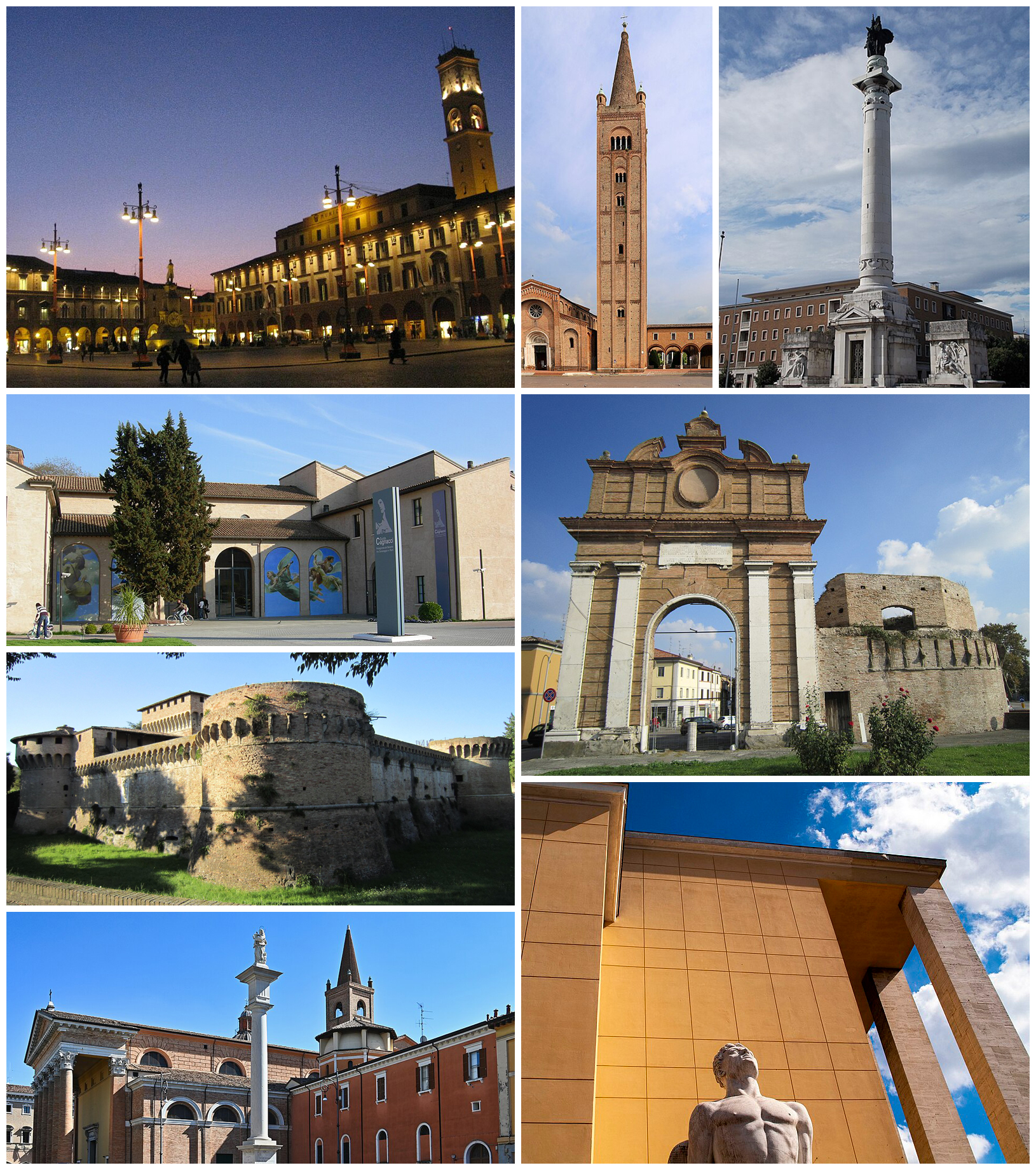
Forli sits in the Emilia-Romagna region of northern Italy, 34 meters above sea level, with a humid continental climate that brings warm, dry summers and cold, damp winters. The city has a population of 116,000 and operates in the Europe/Rome timezone. Expats who settle here tend to choose the Centro neighborhood, though the overall expat community is very few.
Estimate the cost of moving to Forli, Italy
Get a free moving cost estimate for moving to Forli, Italy. Takes 10 seconds.
How much are you shipping?
When are you moving?
Powered by Sirelo. Free quotes from international movers.
🏚️ Cost of Living
💰 Budgets and Costs
A category breakdown is not available for Forli yet. We publish a breakdown only when every category can be priced from local data, rather than showing figures we cannot stand behind.
Rent, 1 bedroom in the centre
$650/mo
Living costs, excluding rent
$950/mo
Still needed for a full breakdown: grocery prices, restaurant prices and utility bills.
Forlì is a genuinely safe mid-sized Italian city with low violent crime and a relaxed, community-oriented atmosphere. Petty theft and pickpocketing occur occasionally in crowded areas and train stations, as in most Italian cities, but serious crime is rare. The main practical concerns are typical European urban issues: bike theft, car break-ins, and occasional scams targeting tourists. The historic center and residential neighborhoods feel secure day and night. For an American considering relocation, Forlì offers authentic small-city living with minimal safety concerns—far safer than most U.S. cities of comparable size.
Forli has a humid continental climate with warm, dry summers (June-August) and cold, damp winters (December-February), typical of the Emilia-Romagna region.
💻 Digital Nomad
Avg Internet Speed
95 Mbps
Coworking Availability
Moderate
Coworking Spaces Nearby
0
Digital Nomad Score
60/100
Community Notes
Historical city with vibrant culture and architecture appealing to long-term visitors.
Planning to live in Forli long-term? Italy Digital Nomad Visa lets remote workers live legally with a minimum income of $2,615/month.
Conditions can change from one block to the next, and these descriptions are general guides, not safety assessments. Before choosing where to stay or live, check current travel advisories, talk to people who live there, and visit in person if you can.
Centro Storico
Historic heart, vibrant, central
The historic center is full of charm, with cobblestone streets and Renaissance architecture. It's walkable and offers easy access to shops, restaurants, and cultural attractions. However, it can be noisy, especially during events, and parking is limited.
San Mercuriale
Residential, quiet, family-friendly
Located just outside the city center, San Mercuriale is a quieter residential area popular with families. It offers a mix of apartments and houses, with good access to parks and schools. While less touristy, it's still within walking distance of the center, but knowing some Italian is helpful.
Romiti
Modern, green, up-and-coming
Romiti is a more modern area with newer buildings and green spaces. It's further from the city center, requiring a bus or car for easy access. It's a good option for those seeking a quieter, more affordable lifestyle, but less convenient for spontaneous city center visits.
Villanova
Suburban, peaceful, residential
Villanova is a suburban area on the outskirts of Forlì, offering a more relaxed and spacious living environment. It's ideal for retirees or those seeking a quiet lifestyle away from the city bustle. A car is almost essential here, and integration may require more effort without Italian language skills.
Cava
Budget-friendly, local, authentic
Cava is a more affordable neighborhood with a strong local character. It's further from the center, but well-connected by public transport. While offering a more authentic Italian experience, it may require more effort to navigate without Italian language skills and familiarity with local customs.
আশেপাশে (Around the train station)
Convenient, transit-oriented, diverse
The area around the train station is convenient for travel and offers a mix of shops and services. It can be a bit busier and less charming than the historic center. While convenient, safety can be a concern at night, and it's not the most aesthetically pleasing part of town.
Page 1 of 2
Could living/working in Forli cut years off your work life?
With a 1-bedroom in the center at $650/mo, your FIRE number here might be much lower than you think.
Forli has a population of approximately 116,440 people.
A single person can expect to spend around $1,625 per month in Forli, including rent. A 1-bedroom apartment in the city center costs approximately $650/month.
The nearest airport to Forli is FRL, approximately 3.9km away.
Forli is considered relatively safe, with a safety index of 75.0. As with any city abroad, expats should research specific neighborhoods before committing to a location.
Forli has an average internet speed of 95 Mbps. It is considered a well-established digital nomad destination.
Yes, absolutely. Unlike tourist cities, Forli operates entirely in Italian outside the university. Basic conversational Italian is the minimum for banking, healthcare, and daily shopping. English might work at international companies, but you'll struggle with bureaucracy and social integration without Italian.
Depends on your expectations. Forli itself is quiet with limited nightlife, but Bologna is 45 minutes by train with proper clubs and international crowds. The university brings some energy, but this is provincial Italy — think wine bars, cultural events, and weekend trips rather than urban excitement.
Forli experiences a humid subtropical climate. Expect hot, humid summers (June-August) with temperatures often exceeding 85°F, and cool, damp winters (December-February) with occasional frost and temperatures around 40°F. Spring and autumn are generally mild and pleasant.
Forli is generally considered a very safe city with low crime rates compared to larger Italian cities or the US. Petty theft, like pickpocketing, can occur in crowded areas, but violent crime is rare. Exercise normal precautions and be aware of your surroundings.
The historic center is charming but can be pricier. For more affordable options, consider areas like Romiti or Bussecchio, which are well-connected by public transport. For families, the area around Parco della Resistenza offers green spaces and a quieter atmosphere.
Internet connectivity in Forli is generally reliable, with fiber optic options available in many areas. Expect download speeds of 50-100 Mbps or higher in most apartments and co-working spaces. Check with your landlord or internet provider for specific details.
While Forli doesn't have a huge number of dedicated co-working spaces like larger cities, there are a few options, including shared office spaces and business centers that offer day passes and monthly memberships. Check online directories for the most up-to-date listings.
As a US citizen, you're still required to file US taxes even when living abroad. You may be able to exclude a significant portion of your foreign earned income using the Foreign Earned Income Exclusion (FEIE). Also, be aware of FBAR reporting requirements for foreign bank accounts.
While not all doctors and medical staff speak fluent English, you can find English-speaking physicians, especially in private clinics. Public healthcare is available to residents, and private health insurance is also an option. It's wise to research and identify English-speaking doctors before you need them.
Several options exist for international money transfers, including traditional bank transfers, online services like Wise (formerly TransferWise), and remittance services like Remitly. Compare fees and exchange rates to find the most cost-effective method. Be aware of potential ATM fees when withdrawing cash.
As a US citizen, you can stay in Italy for up to 90 days without a visa. For longer stays, you'll need a visa, such as an elective residency visa (visto per residenza elettiva), which requires proof of sufficient passive income and health insurance. Consult the Italian consulate for the most up-to-date requirements.
Yes, €2,000 per month can provide a comfortable, though not extravagant, retirement lifestyle in Forli. This budget should cover rent, utilities, groceries, transportation, and some leisure activities. You may need to adjust your spending habits compared to the US.
Forli has a decent public transportation system, including buses that connect different parts of the city and surrounding areas. Walking and cycling are also popular options, especially in the city center. Having a car can be useful for exploring the region, but parking can be challenging in some areas.
While Forli doesn't have a large, formally organized expat community, you can connect with other English speakers through online forums, social media groups, and language exchange events. Networking with other expats can help you adjust to life in Forli and find resources.
Opening a bank account in Italy requires some paperwork, including your passport, visa (if applicable), and Italian tax code (codice fiscale). Some banks may require proof of residency. It's best to visit a few different banks and compare their services and fees.
Forli is located in the Emilia-Romagna region, known for its delicious cuisine. Be sure to try piadina (a flatbread sandwich), cappelletti in brodo (meat-filled pasta in broth), and strozzapreti (a type of pasta). Don't forget to sample the local wines, such as Sangiovese.
Cost-of-living and visa updates for Forli and the rest of Italy. Free with RA Postcards.
By submitting your email address, you will receive a free subscription to RA Postcards and special offers from Rewire Abroad and our affiliates. You can unsubscribe at any time, and we encourage you to read more about our Privacy Policy.