Italy Flat Tax Residency
Italy · Europe
Data updated Sep 3, 2026
Min Monthly Income
$28,547
Difficulty
Moderate
Duration
180 months
Overview
The flat tax regime gets pitched as a lifestyle upgrade with a tax break attached. What it actually is, when you strip away the marketing, is a commitment to Italian tax residency - which means Italy gains a claim on your worldwide income, you take on annual asset declaration obligations, and the US-Italy tax treaty becomes something you need to actually understand rather than assume will work in your favor. This is not a reason to walk away. It's the decision you're actually making, and it looks different from "move to Italy and pay less tax."
Who this works for, specifically: someone receiving foreign pension income above roughly $28,547 a month (as of 2026) who wants to live in a small southern Italian town for years, not as an experiment. That person sails through the regime logic and finds the 7% rate transformative. The profile that gets burned is the remote worker who reads "flat tax on foreign income" and assumes it covers their Stripe deposits from US clients - it doesn't, because that's employment or self-employment income, not qualifying pension income, and it gets taxed under Italian progressive rates like everyone else's. The profile in the wrong category entirely is the mobile freelancer who wants Italy as a base but plans to travel extensively; Italian tax residency follows where you actually live, and the residency requirement is enforced.
The thing most applicants don't work out before the consulate appointment: the €100,000 flat tax regime - the separate mechanism for high-earning new residents - only makes financial sense when your foreign income is substantially above €100,000 annually. Below that threshold, you'd likely pay less under Italy's ordinary progressive rates. And for the 7% pensioner regime, the favorable rate only applies to qualifying pension income; other income you have doesn't get swept into the same bucket. These are not footnotes. They determine whether this saves you money or costs you more than staying home.
What Italy unlocks that most competing regimes don't is the combination: EU residency, a simplified tax situation for qualifying income, and the specific character of smaller southern municipalities that have been losing population for decades and will treat your presence differently than a city does. That last part sounds vague until you're actually there trying to get something done.
Eligibility Requirements
Min Income
$28,547
Duration
180 months
Physical Presence
183 days/yr
Pension / Social Security
Requirements Checklist
Valid passport with at least 6 months validity
Proof of sufficient income (bank statements, employment contract)
Health insurance covering the entire stay
Clean criminal background check
Completed application form with all required documents
Proof of accommodation in the country
Tax Information
How Italy Taxes Residents
Italy taxes residents on worldwide income - salary, freelance payments, dividends, capital gains, and rental income from property anywhere in the world all fall in scope once you've established tax residency. That residency triggers if you spend more than 183 days in Italy in a calendar year, or if Italy is your habitual abode, or if the center of your vital interests - meaning your primary economic or personal ties - is there. The "center of vital interests" test is the one that catches people who assume a short stay won't matter; if your family, your professional relationships, and your primary accounts have all shifted to Italy, residency can be established regardless of how many days you technically logged. Income tax bracket data wasn't populated in our structured data for this page; an editor should verify current IRPEF rates against Agenzia delle Entrate sources before publication.
The Two Preferential Regimes
Italy has two distinct flat-tax programs for incoming foreign residents, and they are built for entirely different people. The 7% regime applies to foreign pensioners who relocate to a qualifying municipality - typically towns under 20,000 residents in designated southern regions including Sicily, Calabria, Sardinia, and several others - and it covers only foreign pension income for up to ten tax years. Other income you earn while in Italy, including any remote work or freelance payments, still gets taxed under standard Italian progressive rates. The separate new-residents flat tax is broader in scope: new Italian tax residents who haven't been resident in Italy for at least nine of the prior ten years can pay a fixed annual amount covering all foreign-sourced income, raised to €300,000 per year under the 2026 Budget Law, up from the prior €100,000 ceiling. That number only makes mathematical sense if your foreign income is well above €300,000 annually - below that threshold, ordinary progressive rates would likely produce a lower bill. Dividend and capital gains treatment under either regime wasn't populated in the structured data; how the regime interacts with investment income should be confirmed with a local commercialista before any planning assumes specific rates. The official government URL for this visa returned a 404 at time of writing, which means current eligibility requirements should be verified directly with an Italian tax professional - these rules have changed more than once in recent years and relying on outdated information is a real risk here.
What the IRS Still Wants From You
The US taxes its citizens and permanent residents on worldwide income regardless of where they live. Moving to Italy doesn't change your filing obligation; it adds a second country's claim on your income to an American one that never went away. The Foreign Earned Income Exclusion covers earned income only - wages, salary, freelance income - up to $126,500 for 2024 (verify the current year limit before filing). It does not cover dividends, capital gains, pension distributions, or Social Security income, which means a pensioner using Italy's 7% regime still has a US reporting obligation on that same income. For income that both countries tax, the Foreign Tax Credit lets you offset US liability by Italian taxes already paid on the same income, which prevents most actual double taxation on employment or self-employment income - though the calculation gets complicated when a preferential Italian regime produces an artificially low local tax bill, leaving more US exposure than expected. Once you open an Italian bank account - which residency requires - FBAR applies: if your combined foreign accounts exceed $10,000 at any point during the year, FinCEN 114 is mandatory. Non-willful failure to file carries a $10,000 penalty per violation per year. Tax treaty details between the US and Italy weren't populated in our structured data; treaty positioning should be part of your first conversation with a US expat CPA.
Getting Year One Right
The decisions that go wrong without professional advice aren't usually the obvious ones. People miss the window to elect into a preferential regime because they didn't know it had to be filed in the first year of Italian residency - and that window generally doesn't reopen. They choose the wrong FEIE election method (Bona Fide Residence versus Physical Presence Test) and lose the exclusion for a partial year when they could have preserved it. They open the bank account the visa requires, skip FBAR because they didn't know it applied, and find out years later during an unrelated audit. Combined first-year advisory costs - a US expat CPA familiar with Italian treaty positions plus a local commercialista to handle the regime election and registration with the Agenzia delle Entrate - typically run $1,500 to $3,000. What that gets you is correct elections filed on time, treaty positioning applied where it actually applies to your income structure, and a year-one filing record that doesn't require unwinding later. The residency path here can run a decade or more; the foundation set in year one is the one everything else is built on.
Living in Italy
COL Index vs NYC
51.0
Monthly Cost (excl. rent)
$1,017
1BR Rent (City Center)
$845
Safety Index
53.1
Healthcare Index
65.1
Quality of Life Index
151.0
Time Zone
UTC+01:00
Capital
Rome
Population
59.6M
Official Languages
Italian, Catalan
Avg Internet Speed
285 Mbps
Public Transit Quality
Good
With a budget covering rent and living costs, you'd need roughly $1,862/mo for a comfortable single-person lifestyle in Italy.See how far your money goes →
🏙️ Best Cities in Italy for Passive Income Residents
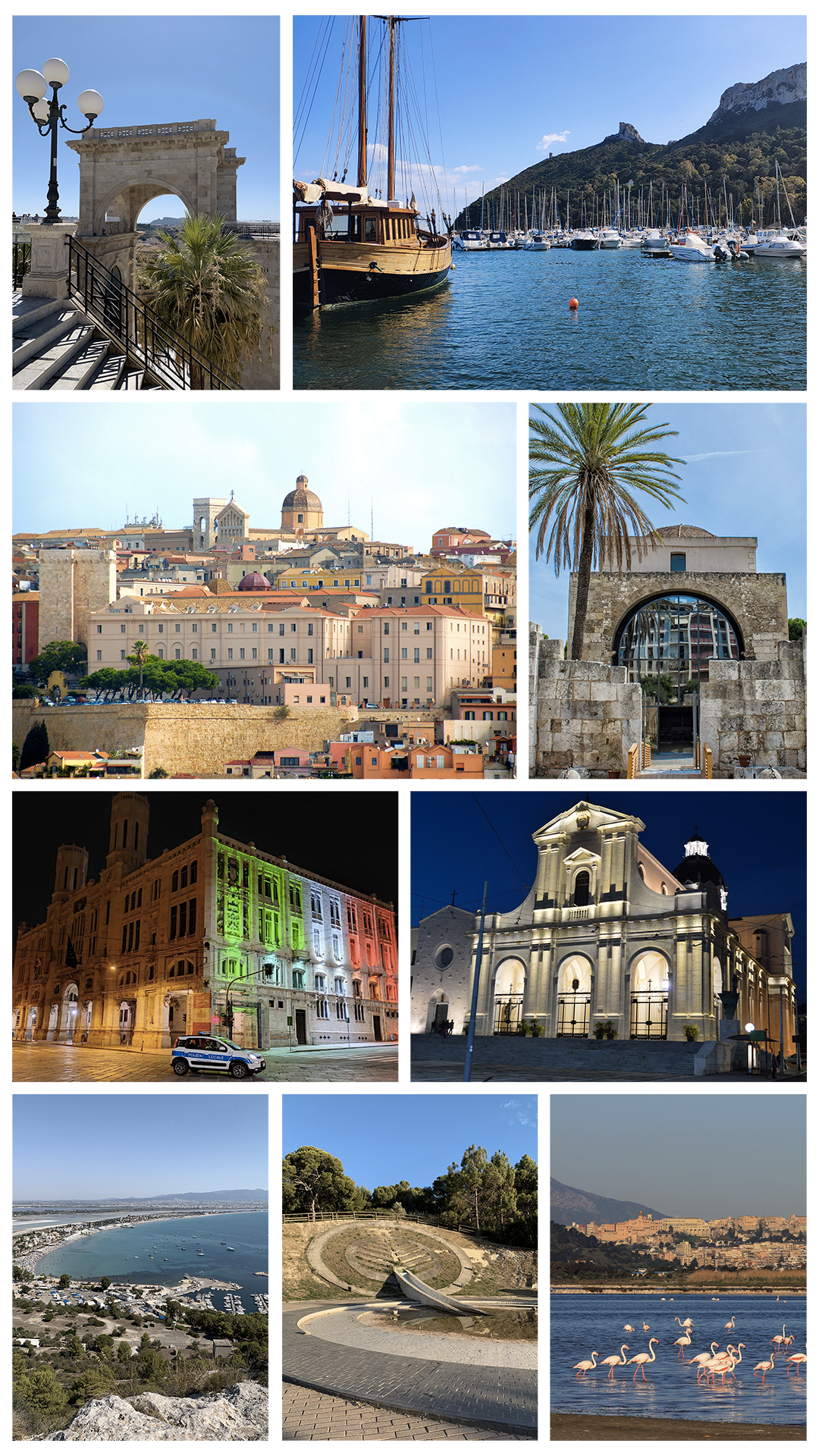 ✦ 76
✦ 76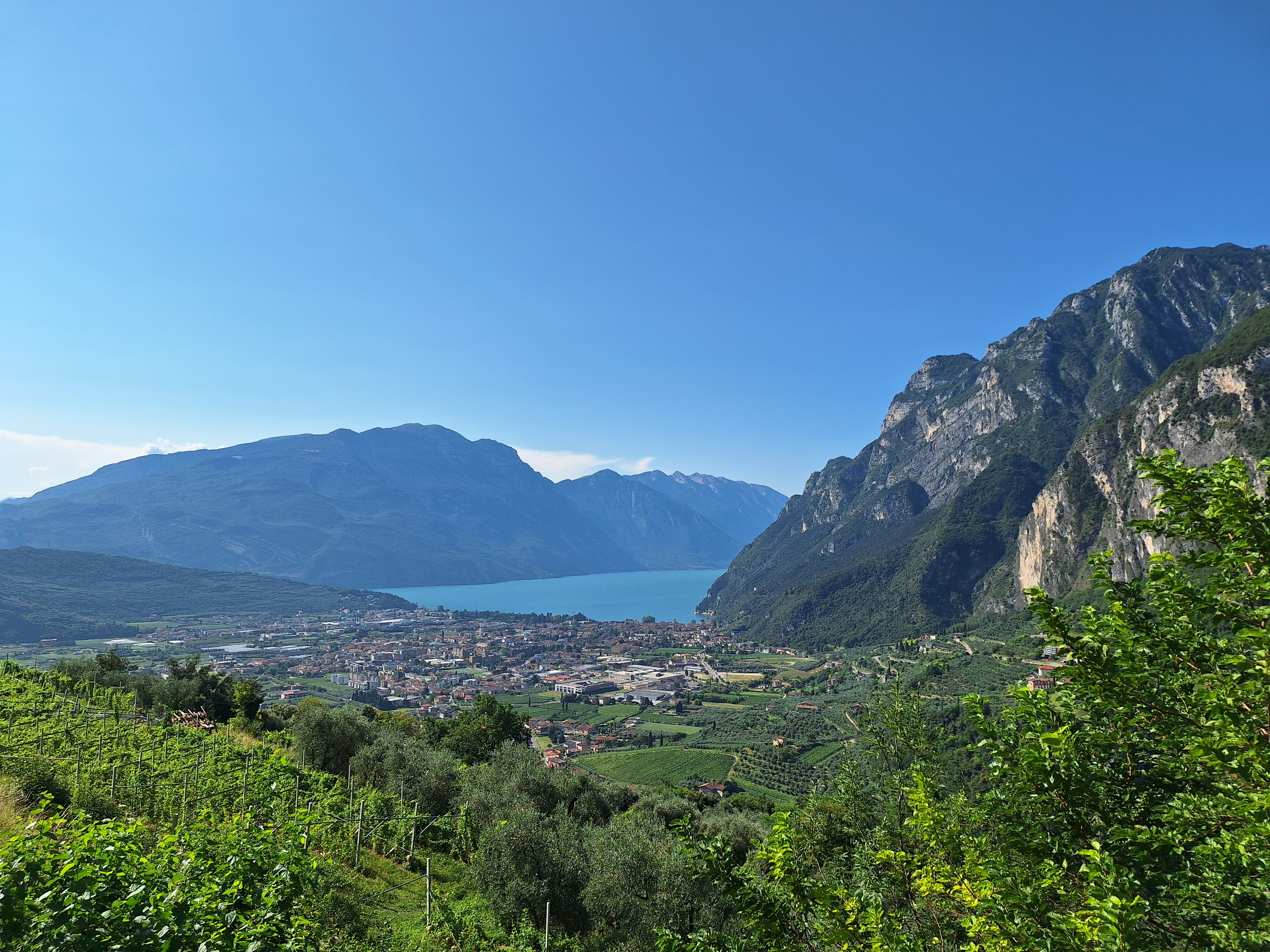 ✦ 75
✦ 75 ✦ 76
✦ 76Getting Your Income Documentation Story Straight
The consulate will ask for proof that your income is foreign-sourced, pension-derived, and stable. "Stable" is doing a lot of work in that sentence. Bank statements showing consistent monthly deposits are the baseline - the question is whether your income pattern actually looks stable from the outside. If your monthly deposits vary significantly, or your income comes from a mix of sources, the consulate isn't going to sort that out for you.
For pensioners, the core documents are relatively straightforward: a benefits verification letter from your pension administrator confirming the annual amount, translated and apostilled where the specific consulate requires it. Where people stumble is assuming that letter alone is sufficient. Some consulates want it paired with twelve months of bank statements showing the actual deposits; others accept three. This varies by consulate and, sometimes, by the officer.
The timing matters more than most applicants realize. If you're still drawing from a mix of work income and pension income because you haven't fully retired, the income picture gets complicated. The regime is structured around passive pension income, and a file that blurs the line between that and active remote work income invites questions the consulate wasn't designed to resolve.
The Accommodation Requirement - Where People Underestimate the Work
The qualifying municipalities are small. Really small. Finding a place to rent in a town of 8,000 people in Basilicata or Molise, from abroad, without speaking Italian, through a rental market that still runs largely on personal relationships and handshake arrangements, is harder than it looks when you're still in the research phase.
The mistake isn't usually failing to find a place. It's arriving with a short-term or tourist rental as a placeholder and assuming the paperwork will follow. The anagrafe registration - which formalizes your residency with the municipality - requires a real address: a signed lease in your name, or documentation of property ownership. A tourist apartment doesn't satisfy it. An Airbnb contract doesn't satisfy it. In smaller towns, landlords who have rented informally for years sometimes need to be convinced to formalize an agreement, and that conversation happens in Italian, on their timeline.
Some people solve this by signing a lease remotely before they move, through a local estate agent, and having a formal contract in place before they apply. That works and removes a lot of ambiguity. Others arrive on a tourist visa, find housing in person over a few weeks, then leave Italy and re-enter on the correct visa once the contract is signed. That approach is messier but reflects how things actually unfold for a lot of people.
What Happens After You Land
Visa approval from the consulate is not residency. It's authorization to pursue residency, which is a process that begins when you arrive and takes weeks to complete, sometimes longer. What follows - the permesso di soggiorno application at the local police station, the anagrafe registration at the municipality, the codice fiscale if you don't already have one - unfolds at Italian bureaucratic pace, and during that window you're legally present in the country but not yet in possession of the documentation that Italian institutions will eventually require for things like opening a bank account.
The anagrafe visit is the step most people underestimate. You register your intention to reside, and then a municipal inspector visits your address - sometimes within a few weeks, sometimes months later - to confirm you actually live there. Not administratively. Physically, with your belongings, in the property. If you've signed a lease but haven't moved in yet, or if you're dividing your time significantly between the qualifying municipality and somewhere else in Italy, that inspection creates problems.
The tax regime election itself requires filing with the Agenzia delle Entrate through an Italian tax professional - a commercialista - in the first year of your residency. This is not something the consulate handles or that happens automatically. If the filing is missed or done incorrectly, the election doesn't take effect for that tax year, and there's no mechanism to backdate it.
The Long-Term Path - What It Actually Requires
Permanent residency in Italy is available after five years of continuous legal residence. Citizenship takes ten years, with shorter paths available through Italian ancestry or marriage. The clock starts from when your legal residency is formally established - not the visa date, not the anagrafe visit, but when all the paperwork is complete and in the system.
"Continuous" has a specific legal meaning in Italian immigration law. Extended absences during those years can interrupt or reset the clock depending on their length and frequency. This matters if you're planning to use Italy as a legal base while spending significant time elsewhere.
The 7% regime lasts up to ten years. What Italian taxation looks like in year eleven depends on your status at that point - if you've been residing continuously, you'd likely qualify for PR or citizenship by then, which changes your relationship to Italian tax law in ways worth thinking about before year one, not year nine.
Compared to the Obvious Alternatives
Portugal's Non-Habitual Resident regime has been the default answer for English-speaking Americans thinking about European tax residency for years. The original NHR - the 20% flat rate on qualifying foreign income - no longer exists for new applicants; it's been replaced with a narrower scheme targeting specific professional categories and returning nationals. What Italy offers that Portugal no longer does, for the right income structure, is a fixed number on foreign income regardless of how high that income goes, through the €100,000 regime. For pensioners specifically, the 7% rate on qualifying income is more favorable than anything Portugal currently offers to the same profile.
The comparison with Italy's own digital nomad visa comes up often. That visa establishes legal residency and work authorization for remote workers; it doesn't automatically attach to the flat tax. A digital nomad visa holder in Milan is still subject to ordinary Italian progressive rates on their foreign work income unless they separately elect into a different regime - and eligibility for those regimes depends on income type and source in ways that don't automatically align with how remote work income is structured.
The country-level question that probably matters more than any rate comparison is whether the specific geography of this visa - small towns in the Italian south, real bureaucratic friction, housing markets that require in-person relationships to navigate well - is something your actual life can accommodate. Not as an abstraction. As a daily reality.
Work Permissions
Application Steps
- 1
📋 Confirm eligibility requirements
1-2 weeks
- 2
📄 Obtain Italian visa if non-EU national
4-8 weeks
- 3
🏛️ Establish Italian tax residency
1-2 weeks
- 4
📬 Request advance ruling (optional but recommended)
2-3 months
- 5
🏛️ File tax return and elect flat tax regime
Ongoing annually
This visa requires proof of health insurance. Compare international plans before you apply.
Compare health insuranceWe may earn a commission at no cost to you.
Frequently Asked Questions
Click any question to expand the answer.
Ready to Apply?
Work with trusted visa specialists who handle the paperwork so you can focus on your move.
Get help with this visa →* We may earn a commission if you apply through our link
At a Glance
Last verified: July 15, 2026