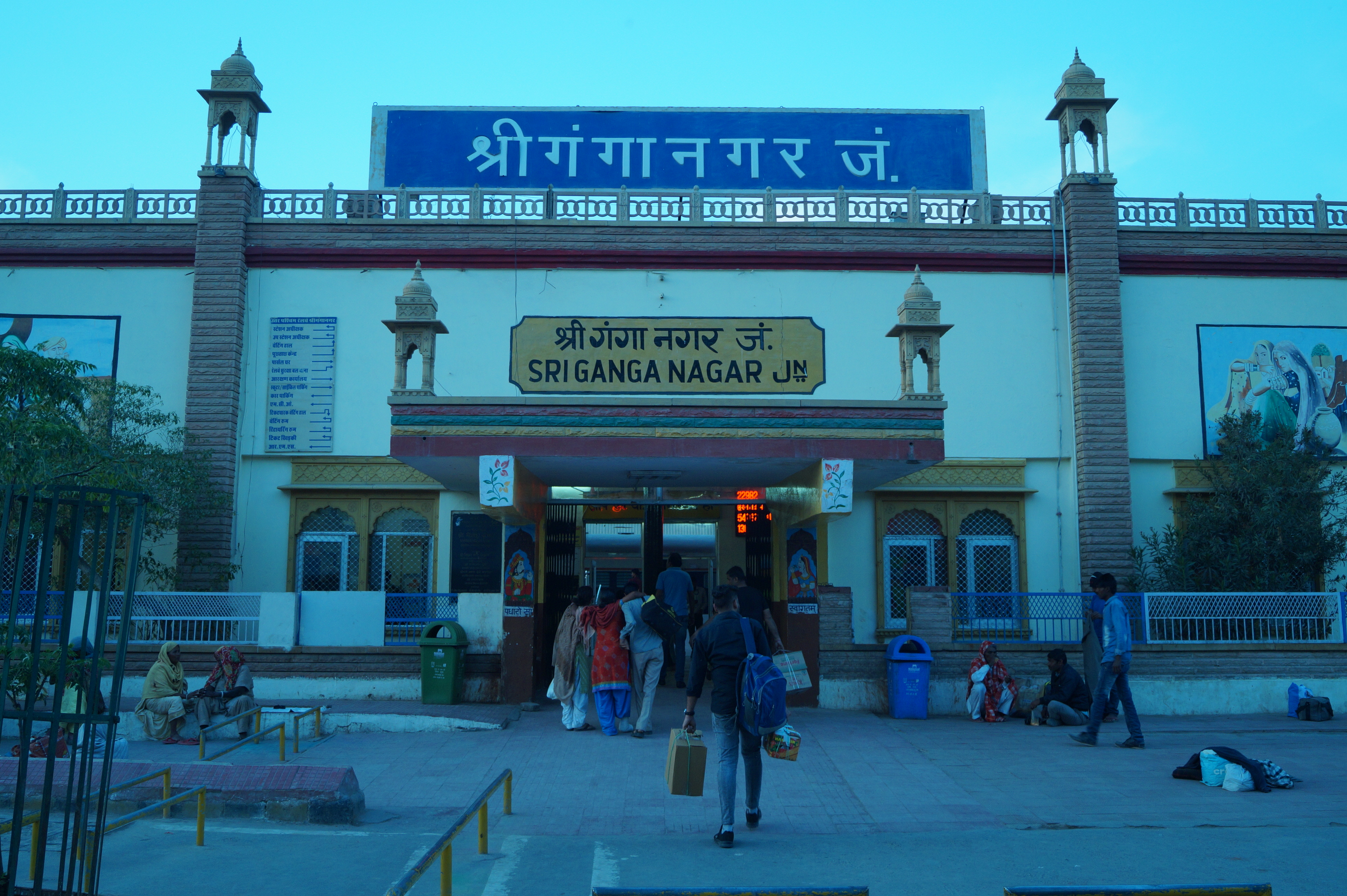
Sri Ganganagar sits in the far northwest of India, a planned city in the desert state of Rajasthan, at 164 m above sea level and on Asia/Kolkata time. The climate is an extreme desert one: summers from May to June push past 45°C, winters are mild, humidity stays very low, and dust storms sweep through. Air quality is a serious concern, with an index of 185. Around 251 thousand people live here. The city is laid out in a grid, and newcomers generally sort themselves by budget rather than by any single named district, choosing between the central blocks and the outer residential sectors depending on rent and access to work.
Housing is where the numbers get interesting. A one-bedroom apartment in the city center rents for $62/mo, while the same outside the center drops to $41/mo. Three-bedroom units run $227/mo centrally and $186/mo farther out. Utilities add about $23/mo, a mobile plan just $4/mo, and a monthly public transport pass $6/mo. A gym membership costs $20/mo. Eating out is cheap: an inexpensive restaurant meal is $4 per person, a three-course mid-range meal for two is $19, and a cappuccino is $2. Single adults can live on a budget tier of $117/mo, a mid-range tier of $192/mo, or a comfortable tier of $265/mo, all rent included. Against an average monthly net salary of $826/mo, those figures leave real room to save, though local wages vary widely by sector.
Safety is moderate. The safety index is 60/100 and the crime index is 40/100, with lower crime numbers meaning a safer feel. Healthcare quality is rated fair, so routine care is available but complex or specialist treatment often means traveling to a larger city. The bigger daily health issue is the air, which sits at an index of 185 and worsens during dust storms and the hottest months. Expats with respiratory conditions should plan carefully, and everyone should expect to manage heat exposure from May through June.
Visas and arrival logistics depend on your nationality and purpose, so check current rules before booking anything. Once you are here, English proficiency is limited, which means learning some Hindi or the local Rajasthani dialect pays off quickly in markets, offices, and clinics. The city scores 46/100 overall for expats, 48/100 for retirees, and 45/100 for digital nomads, with internet averaging 22 Mbps. That profile suits budget-conscious retirees, remote workers who do not need heavy bandwidth, and anyone drawn to a quiet, low-cost desert base rather than a fast-paced expat hub.