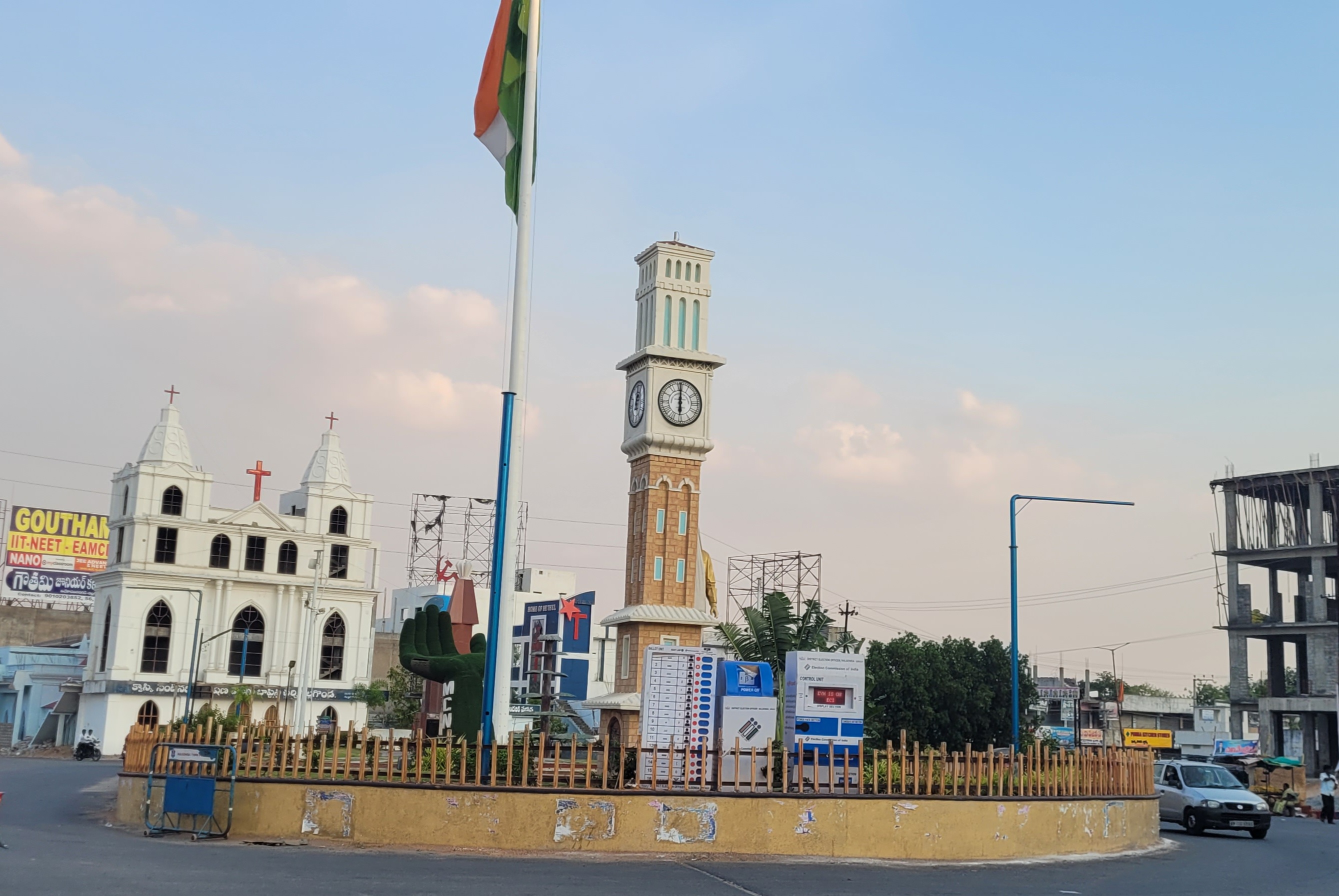
Nalgonda sits at 421 m above sea level in the Indian state of Telangana, on Asia/Kolkata time, and it runs on a hot semi-arid climate: scorching summers from March through May, a monsoon that dumps heavy rainfall from June through September, and mild winters from December through February. The city holds a population of 111 thousand, and the expat community here is very few in number. Those who do settle in tend to cluster in the Town Center and the Station Road Area, two neighborhoods that put daily errands, transport, and local life within easy reach.
The money math is where Nalgonda gets interesting. A one-bedroom apartment in the city center rents for $52/mo, while the same outside the center drops to $36/mo. Three-bedroom units run $103/mo in the center. Utilities come to $26/mo, internet to $7/mo, and a mobile phone plan to $3/mo. A single adult can cover the budget tier, rent included, on $117/mo, though monthly costs excluding rent average $300/mo for one person and $900/mo for a family of four. Eating out stays cheap: $2 for an inexpensive restaurant meal per person, $9 for a three-course mid-range meal for two, and $4 for a cappuccino. Against all that, the average monthly net salary locally is $516/mo, and the cost of living index sits at 25/100 against New York City at 100.
Safety is moderate, with a safety index of 62/100 and a crime index of 38/100, where lower is safer. Air quality is a concern: the air quality index reads 78, and lower is better. Healthcare quality is rated fair, so routine care is available while more complex needs may mean traveling farther afield. Average internet speed is 19 Mbps, workable for everyday browsing and calls but not for heavy data work.
Visas follow the standard national framework, and the nearest airport is HYD, 110 km away. English proficiency is limited, and the expat community is very few, so day-to-day life rewards patience and a willingness to learn some Telugu. The overall expat score is 81/100 and the FIRE score is 83/100, which makes Nalgonda a strong fit for retirees and remote workers chasing extremely low costs, while the retiree score of 52/100 and digital nomad score of 52/100 signal that amenities and community are thin. It suits the self-sufficient saver far more than the social butterfly.