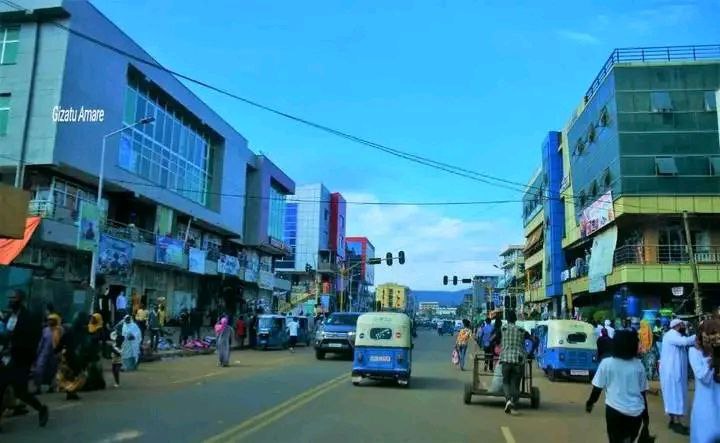
Jimma, Ethiopia
Data updated Sep 3, 2026
📊 Scores
Coffee dominates everything here — this is Ethiopia's agricultural heartland where beans flow through collection centers and trading posts that have operated for generations. Jimma University employs hundreds of academics and researchers, while the agricultural research center provides steady government jobs. Small-scale trading, coffee processing, and service jobs for the university community make up most employment. Don't expect tech startups or multinational corporations; this is a traditional agricultural economy where your income will likely come from education, research, or agricultural trade.
Rent runs around $220/month for a decent one-bedroom in the center, though expect basic amenities and intermittent utilities. Public transport means shared minibuses and bajaj (three-wheelers) for short trips around town. Healthcare exists through Jimma University Medical Center, but serious conditions require travel to Addis Ababa, 350km away. Amharic and Oromo are essential — English gets you nowhere outside the university. Government bureaucracy moves slowly, and internet connectivity can be frustratingly unreliable for remote work.
The climate stays pleasantly warm year-round with cool mornings, though the March-October rainy season brings serious downpours. Coffee culture runs deep with traditional ceremonies and excellent local roasts. Weekends mean visiting local markets, hiking in surrounding hills, or socializing at university events if you're connected to that crowd. The expat community is tiny — maybe a few dozen aid workers and researchers. This city works for agricultural professionals, academics, or anyone seeking authentic Ethiopian life away from tourist crowds.
🏚️ Cost of Living
💰 Budgets and Costs
Grocery Basket
Eating Out
Utilities & Lifestyle
Housing
A 1BR in the center runs about $220/mo. If your income is in another currency, bank FX fees add up. A multi-currency account can cut that cost.
See low-fee transfersWe may earn a commission at no cost to you.
💰 Real Spend Reports
🛡️ Safety & Crime
(Higher is safer)
(Lower is safer)
Jimma is moderately safe for expats, with a Numbeo Safety Index of 60 reflecting a relatively secure environment compared to many Ethiopian cities. Primary concerns include petty theft, pickpocketing in crowded markets, and occasional armed robbery in isolated areas after dark. Avoid displaying wealth, traveling alone at night, and the outskirts of town. Political tensions and occasional ethnic conflicts in the broader Oromia region warrant awareness, though Jimma itself remains relatively stable. For a 30-65 American, this is manageable with standard expat precautions—stay aware, use trusted transportation, and maintain low visibility.
Jimma has a safety index of 60/100. Petty theft and lost belongings are the most common problems for newcomers. Compare travel insurance before you go.
Compare travel insuranceWe may earn a commission at no cost to you.
🏥 Healthcare
🌤️ Climate
Best Months
Climate Notes
Jimma experiences a tropical climate with warm temperatures ranging from 10°C in winter to 30°C in summer, and an average humidity level of 73%.
💻 Digital Nomad
Community Notes
| Name | Price/mo | Notes |
|---|---|---|
| Iceaddis Jimma Innovation Center | $40 | While primarily an innovation hub, Iceaddis often provides coworking options. It's located near Jimma University, offering a vibrant atmosphere and potential networking opportunities with local entrepreneurs and students. |
| Jimma University Incubation Center | $30 | Part of Jimma University, this center may offer coworking-style arrangements. It provides a professional environment and access to university resources, ideal for those seeking a structured workspace. |
Working remotely from Jimma? Nomad health insurance covers you across borders, month to month.
See nomad insuranceWe may earn a commission at no cost to you.
🧳 Expat Life
Expat Life Notes
Jimma is the largest city in southwestern Ethiopia and an important coffee trade hub. It hosts Jimma University and some NGO workers. English is used in academic circles but rare elsewhere.
Pros
- ✓ Affordable
- ✓ Coffee origin region
- ✓ University presence
Cons
- ✗ Limited expat infrastructure
- ✗ Basic amenities
- ✗ Remote feel
Could living/working in Jimma cut years off your work life?
With a 1-bedroom in the center at $132/mo, your FIRE number here might be much lower than you think.
Moving to Jimma? Estimate what an international move would cost and compare mover quotes.
Estimate my move costShare This Guide
Jimma won't stay this cheap forever.
Cost-of-living and visa updates for Jimma and the rest of Ethiopia. Free with RA Postcards.
By submitting your email address, you will receive a free subscription to RA Postcards and special offers from Rewire Abroad and our affiliates. You can unsubscribe at any time, and we encourage you to read more about our Privacy Policy.