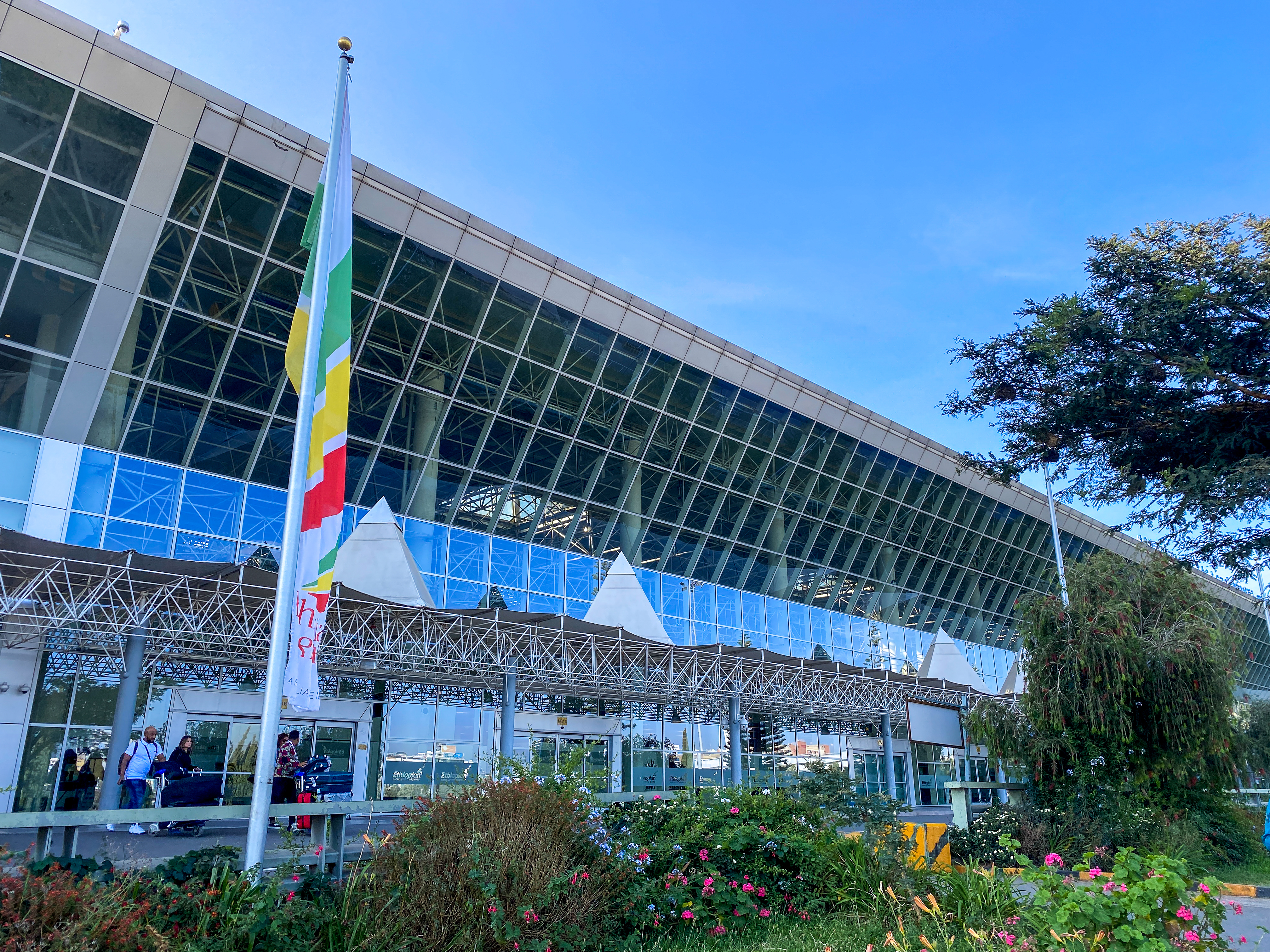
Addis Ababa, Ethiopia
Data updated Sep 29, 2026
📊 Scores
Best fit: FIRE / Geoarbitrage (score: 62)
Hosting the African Union and the UN Economic Commission for Africa makes Addis Ababa the continent's de facto diplomatic capital, and that shapes everything about who earns money here. International NGOs, embassies, and multilateral organizations are major employers, particularly for English-speaking expats. Beyond diplomacy, the economy runs on government administration, banking, telecoms, and a growing manufacturing sector. Ethiopian Airlines — one of Africa's most profitable carriers — is headquartered here and is a significant employer. Remote workers exist but are a small minority; most foreigners here are on institutional salaries or running businesses.
A one-bedroom in the city center runs around $600/month, which sounds reasonable until you factor in that imported goods are expensive and foreign currency is tightly controlled — the birr has faced significant devaluation and parallel exchange rate issues that complicate financial life for expats. Healthcare is a real concern: decent private hospitals exist (Korean Hospital, St. Gabriel), but serious conditions mean medical evacuation. Amharic is the working language and English penetration outside business and diplomatic circles is limited. Bureaucracy for visas and business registration is genuinely slow and opaque.
At 2,355 meters, the climate is the city's best-kept secret — rarely above 25°C, rarely below 10°C, with a heavy rainy season June through September that turns roads into rivers. The food scene is legitimately excellent: injera-based Ethiopian cuisine is one of the world's great culinary traditions, and the city has good Italian holdovers from the colonial era. The expat community is substantial but insular, concentrated around Bole and Old Airport neighborhoods. Weekends mean hiking in the Entoto hills, jazz bars, or gallery openings. This city suits diplomats, development professionals, and entrepreneurs willing to navigate real bureaucratic friction for a genuinely low-cost, high-altitude base.
🏚️ Cost of Living
💰 Budgets and Costs
Grocery Basket
Eating Out
Utilities & Lifestyle
Housing
A 1BR in the center runs about $600/mo. If your income is in another currency, bank FX fees add up. A multi-currency account can cut that cost.
See low-fee transfersWe may earn a commission at no cost to you.
💰 Real Spend Reports
🛡️ Safety & Crime
(Higher is safer)
(Lower is safer)
Addis Ababa presents moderate safety challenges for expats. Petty theft, pickpocketing, and bag snatching are common in crowded areas and public transport; armed robbery occurs but is less frequent. Avoid walking alone at night, especially in outer neighborhoods like Merkato and Piazza. Expat-heavy areas like Bole and Old Airport are relatively safer. Political tensions and occasional protests can disrupt daily life. Carjacking and home break-ins targeting foreigners happen but remain manageable with standard precautions. Overall, expats live here successfully by staying aware, using trusted transportation, and maintaining low profiles—but this isn't a relaxed posting.
Addis Ababa has a safety index of 45/100. Petty theft and lost belongings are the most common problems for newcomers. Compare travel insurance before you go.
Compare travel insuranceWe may earn a commission at no cost to you.
🏥 Healthcare
🌤️ Climate
Best Months
Climate Notes
Subtropical highland climate with moderate temperatures throughout the year.
💻 Digital Nomad
Community Notes
| Name | Price/mo | Notes |
|---|---|---|
| Regus Atlas Hotel | $150 | Located in the Bole area, near the airport, this Regus location offers a professional environment with reliable internet and meeting rooms, suitable for expats needing a familiar and functional workspace. |
| iceaddis | $80 | iceaddis is a well-established tech hub and coworking space in Addis Ababa, known for its community and events. It's a great option for digital nomads looking to connect with local entrepreneurs and tech professionals, located near the Kazanchis area. |
| Hub Addis | $70 | Hub Addis is a coworking space that fosters collaboration and innovation, offering a vibrant atmosphere. It is located in the Bole area, making it easily accessible and a good option for those seeking a community-focused workspace. |
| Flawless Hub | $90 | Flawless Hub provides a modern and comfortable coworking environment with various amenities. Situated in the CMC area, it's a good choice for remote workers seeking a professional yet relaxed atmosphere outside the city center. |
Working remotely from Addis Ababa? Nomad health insurance covers you across borders, month to month.
See nomad insuranceWe may earn a commission at no cost to you.
🧳 Expat Life
Expat Life Notes
Addis Ababa is a major diplomatic hub for Africa with a vibrant expat community centered around the African Union and NGOs.
Pros
- ✓ Vibrant culture
- ✓ Relatively low cost for expats
- ✓ High diplomatic presence
Cons
- ✗ Inconsistent infrastructure (power/internet)
- ✗ Safety concerns in some areas
- ✗ High altitude can be tough
Could living/working in Addis Ababa cut years off your work life?
With a 1-bedroom in the center at $600/mo, your FIRE number here might be much lower than you think.
Moving to Addis Ababa? Estimate what an international move would cost and compare mover quotes.
Estimate my move costShare This Guide
Addis Ababa won't stay this cheap forever.
Cost-of-living and visa updates for Addis Ababa and the rest of Ethiopia. Free with RA Postcards.
By submitting your email address, you will receive a free subscription to RA Postcards and special offers from Rewire Abroad and our affiliates. You can unsubscribe at any time, and we encourage you to read more about our Privacy Policy.