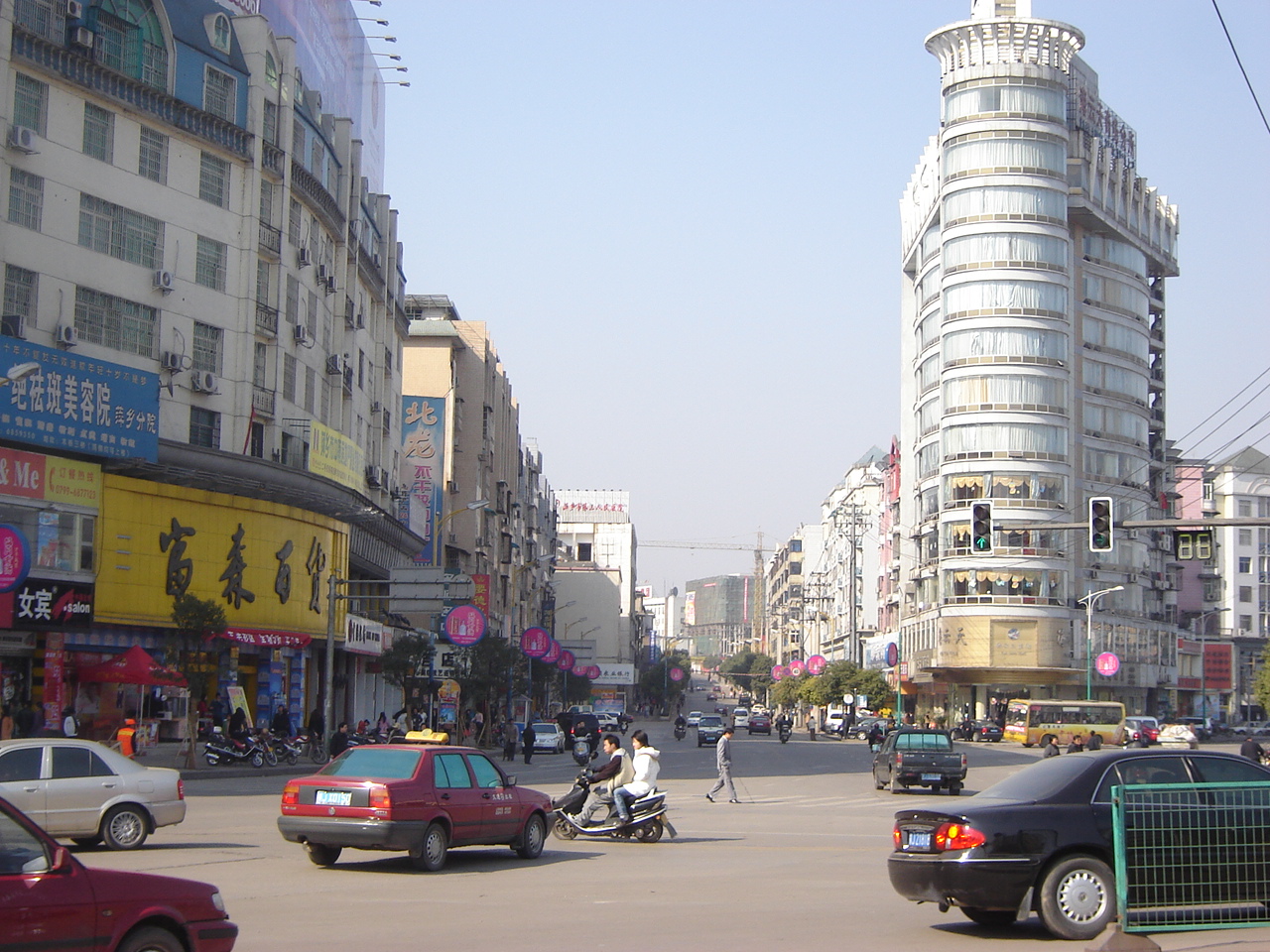
Pingxiang sits at 42 m above sea level in the humid subtropical belt of China, where the clock runs on Asia/Shanghai time and the year splits into hot, wet summers that peak near 38°C and mild, dry winters that can drop to -4°C. Humidity hangs in the air across all seasons, so newcomers learn to plan around sweat and chill alike. The city holds 1.8 million residents, and the expat presence is small, with the Pingxiang Central Area serving as the main neighborhood where foreign residents cluster. Internet speeds average 49 Mbps, enough for routine remote work and streaming.
Housing is the clearest entry point into local costs. A one-bedroom apartment in the city centre rents for $250/mo, while the same outside the centre drops to $180/mo. Three-bedroom units run $500/mo in the centre and $350/mo outside it. For a single adult, monthly costs excluding rent come to $380/mo. Stack those together and the budget tier lands at $700/mo, the mid-range tier at $1,200/mo, and the comfortable tier at $1,800/mo, all rent included. Those figures give a realistic ladder from frugal to easy living.
Safety and health shape daily confidence here. The safety index reads 45/100, and the crime index, where lower is safer, stands at 55/100. Healthcare quality is rated Good, which matters in a city of this size with limited English proficiency. Air quality sits at 72 on the index, where lower is better, so sensitive residents may want to track conditions during the hotter, heavier months.
Arrival logistics center on YIC, the nearest airport, 44 km away. Visa pathways exist but require their own research and paperwork well before booking flights. The overall expat score of 82/100 and a FIRE score of 84/100 suggest strong appeal for those chasing early financial independence, while the digital nomad score of 66/100 and retiree score of 58/100 point to a quieter fit. This is a place for remote workers, budget-conscious long-stayers, and anyone who values low rent over a large foreign community.