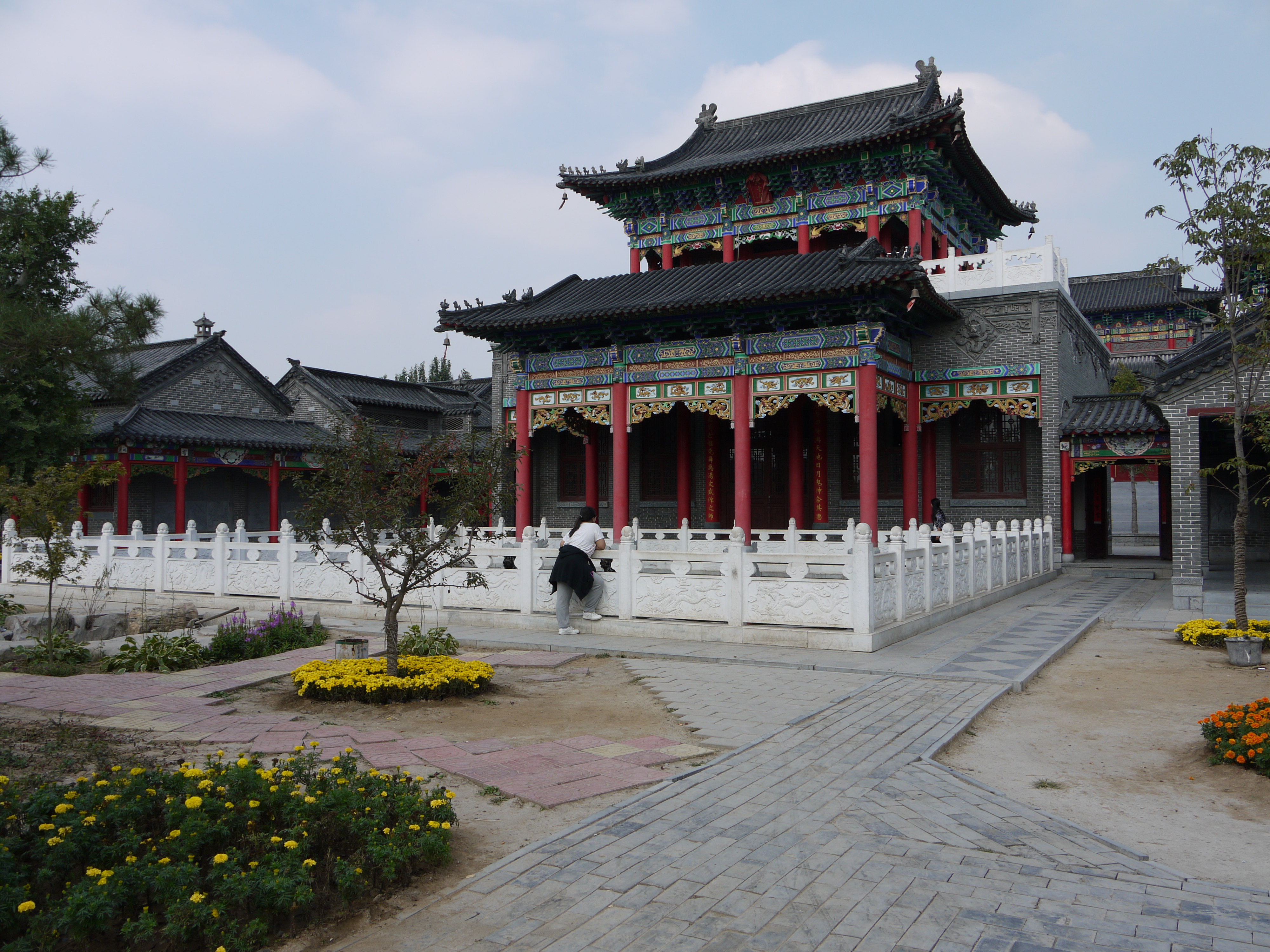
Buzhuang is a small city of 53 thousand people in northern China, sitting just 20 m above sea level and keeping time with the rest of the country on Asia/Shanghai. The climate is temperate continental, which means hot, humid summers from June through August and cold, dry winters from December through February, a pattern familiar across northern China's inland regions. That swing between sticky and sharp shapes daily life here more than any coastal moderation would, and it decides when you will want air conditioning and when you will want a proper winter coat. The city is compact enough that most addresses stay within easy reach of one another, and the practical geography of daily errands rarely demands a long commute.
Renting a one-bedroom apartment in the city center runs $188/mo, while the same outside the center drops to $126/mo, a gap that gives budget-conscious newcomers a clear reason to look past the middle of town. A single person can expect monthly costs excluding rent to land around $385/mo, with utilities adding $72/mo, internet $5/mo, and a mobile phone plan $7/mo. Eating out stays inexpensive: an inexpensive restaurant meal costs $3 per person, a mid-range restaurant meal for two with three courses comes to $24, and a cappuccino at a restaurant is $3. Those figures make a modest monthly budget stretch further than it would in most Chinese cities of comparable size.
Safety is a relative strength, with a safety index of 60/100 and a crime index of 40/100, where the lower crime figure is the better one. Healthcare quality is rated Fair, which means routine care is available but complex or highly specialized treatment may require looking toward larger cities. Air quality is a genuine consideration, with an air quality index of 72, a number that sits in a range many residents monitor day to day rather than ignore. Average internet speed of 30 Mbps is adequate for ordinary browsing, messaging, and standard video calls, though heavy data work or frequent large uploads will feel the ceiling.
Arrival logistics center on TSN, the nearest airport, which connects the area to the wider national network. English proficiency is Limited, so everyday transactions, leases, and medical visits go more smoothly with some Mandarin or a translation app close at hand. The city scores 51/100 overall for expats, 53/100 for retirees, and 47/100 for digital nomads, a profile that points toward people who value low costs, quiet routines, and a slower pace over nightlife or a large international community. Retirees on fixed incomes and remote workers who mostly need reliable basics will find the numbers work in their favor, while anyone dependent on English-language services or fast connectivity should weigh those limits carefully before committing.