Serbia Golden Visa
Serbia · Europe
Data updated Sep 3, 2026
Min Monthly Income
$1,025
Difficulty
Moderate
Duration
6 months
Path to Citizenship
5 years
Overview
A $54,000 investment is the core gate here: the requirements list both Min Savings and Investment Required at USD 57,093, and the qualifying buckets are real estate, business, or capital. The minimum monthly income is $1,025, and nationality restrictions are set to all, so the question is not whether your passport qualifies but whether you can document the investment and live with the six-month initial permit structure.
The residency trade-off is unusually loose on the printed facts: Physical Presence Required is not specified, and the only hard time-away rule listed is a maximum consecutive absence of 180 days. That means a split-year plan is still possible, but crossing the 180-day line in one stretch would be the mistake to avoid. Renewable is Yes, so this is not a one-and-done document; it is built as a repeatable residence track.
Leads to PR is Yes, with 5 years to permanent residence. Years to Citizenship is 5, so anyone modeling a 10-year relocation has a real endpoint for PR but not a confirmed passport timeline. The visa itself lasts 6 months at the initial stage, which makes the first year a paperwork-and-renewal exercise rather than a long-term status grant.
The friction is mostly in the uncertainty column: Processing Time is not published, Application Fee is not published, Renewal Cost is not published, and the rules require an apostille but no FBI background check, medical exam, or interview. Bureaucracy Score is 1.3 / 5, which matches a file that looks simple on paper but still demands clean evidence of the USD 54,000 investment and the chosen route through property, company capital, or other capital placement.
This makes most sense if you already have USD 57,093 parked for a Serbian property or company structure and want a renewable residence path that can mature into PR after 5 years. It is a poor fit if you need a published processing timeline, a clearly stated citizenship clock, or a visa that tolerates indefinite out-of-country living without watching a 180-day consecutive absence limit.
Eligibility Requirements
Any nationality can apply in principle, because the structured facts list nationality restrictions as all. The practical friction point is not passport eligibility but consular and banking screening: applicants from Iran, North Korea, Syria, Cuba, and Russia can run into document, payment, or account-opening problems even when the visa itself does not publish a nationality bar. Verification should happen with the Serbian Ministry of Internal Affairs before assembling the full package, since that is the authority named in the source material for residence processing.
Min Income
$1,025
Min Savings
$57,093
Min Investment
$57,093
Duration
6 months
Max 10% from local sources
Requirements Checklist
• Identity: Completed Serbia temporary residence/visa application form; valid passport with at least 3–6 months remaining validity and at least 2 blank pages; photocopy of passport ID page and previous visas/entry–exit stamps; recent passport-size photographs (35x45 mm) meeting biometric specifications; legalized birth certificate; legalized marriage certificate if applicable.
• Investment: Proof of investment in Serbia (property purchase agreement or property deed, or company registration/incorporation documents); proof that invested property is free of liens or encumbrances (land registry/excerpt or similar official certificate); proof of payment of investment (bank transfer confirmations, sale contract payment receipts).
• Financial: Bank statements or other proof of sufficient funds to support stay in Serbia; proof of income or financial solvency (salary slips, tax returns, or similar).
• Health: Health insurance policy valid in Serbia for the duration of stay.
• Accommodation: Proof of address in Serbia (rental agreement, property ownership certificate, or notarized host invitation/confirmation).
• Background: Criminal record certificate or police clearance from country of citizenship or residence; proof of legal entry into Serbia (entry stamp, visa, or boarding pass copy, if applying in-country).
• Other: Proof of payment of administrative and visa/residence processing fees; passport-sized photos in required quantity for biometric residence card, if requested.
• Translation: Official translations into Serbian by a certified translator for all foreign-issued documents; apostille or consular legalization for foreign civil and criminal record documents where required.
Apostille required on official documents
Tax Information
Local tax picture Serbia’s tax system is not described here as territorial, remittance-based, or special-regime based in the structured facts, so the safe reading is that the local treatment of foreign passive income is subject to a 15% withholding tax on dividends and a 15% capital gains tax, as of 2026. That matters for a FIRE profile: remote salary, ETF dividends, foreign rental income, and pension distributions cannot be assumed exempt from Serbian tax on the basis of this visa alone. The one concrete tax point is that there is no income tax treaty between Serbia and the US, so there is no visa-page basis to claim reduced withholding or treaty relief for American investors.
Capital gains on foreign investments are also subject to a flat 15% capital gains tax, as of 2026. For a visa holder selling index funds or ETFs in a foreign brokerage, the local tax result is a 15% capital gains tax. Separate Serbian tax residency rules specify a 183-day threshold for tax residency, so the visa page gives a 183-day day count, though registration triggers and filing deadlines are not detailed here, registration trigger, or filing deadline that would tell a newcomer exactly when local filing starts.
For US Citizens and Green Card Holders - FEIE (Form 2555) covers earned income only: remote work, self-employment, and consulting, up to $132,900 for 2026. It does not shelter dividends, capital gains, pension distributions, or Social Security. - FTC (Form 1116) only helps when Serbia taxes the same income stream at an effective rate high enough to offset US tax. Because the local tax treatment of foreign passive income is a flat 10% income tax rate and 15% on dividends and capital gains, there is no basis here to claim a usable FTC outcome for a $5,000/month dividend or rental portfolio. - FBAR (FinCEN 114) applies if foreign accounts exceed $10,000 at any point in the year, separate from FATCA Form 8938. This matters if you open a Serbian bank account under the visa, even though a local bank account is not publicly specified as required.
For a US citizen, the first-year setup should pair a US CPA who knows FEIE, FTC, and FBAR with a Serbian tax adviser who can confirm residency status, filing exposure, and whether the investment route changes local reporting. On a visa with an no tax treaty with the US and a flat 10% income tax and 15% on capital gains and dividends, that year-one advice is the difference between clean compliance and accidental double filing.
Living in Serbia
COL Index vs NYC
42.6
Monthly Cost (excl. rent)
$712
1BR Rent (City Center)
$514
Safety Index
62.8
Healthcare Index
52.1
Quality of Life Index
124.8
Time Zone
UTC+01:00
Capital
Belgrade
Population
6.9M
Official Languages
Serbian
Avg Internet Speed
110 Mbps
Public Transit Quality
Good
With a budget covering rent and living costs, you'd need roughly $1,226/mo for a comfortable single-person lifestyle in Serbia.See how far your money goes →
🏙️ Best Cities in Serbia for Golden Visa Holders
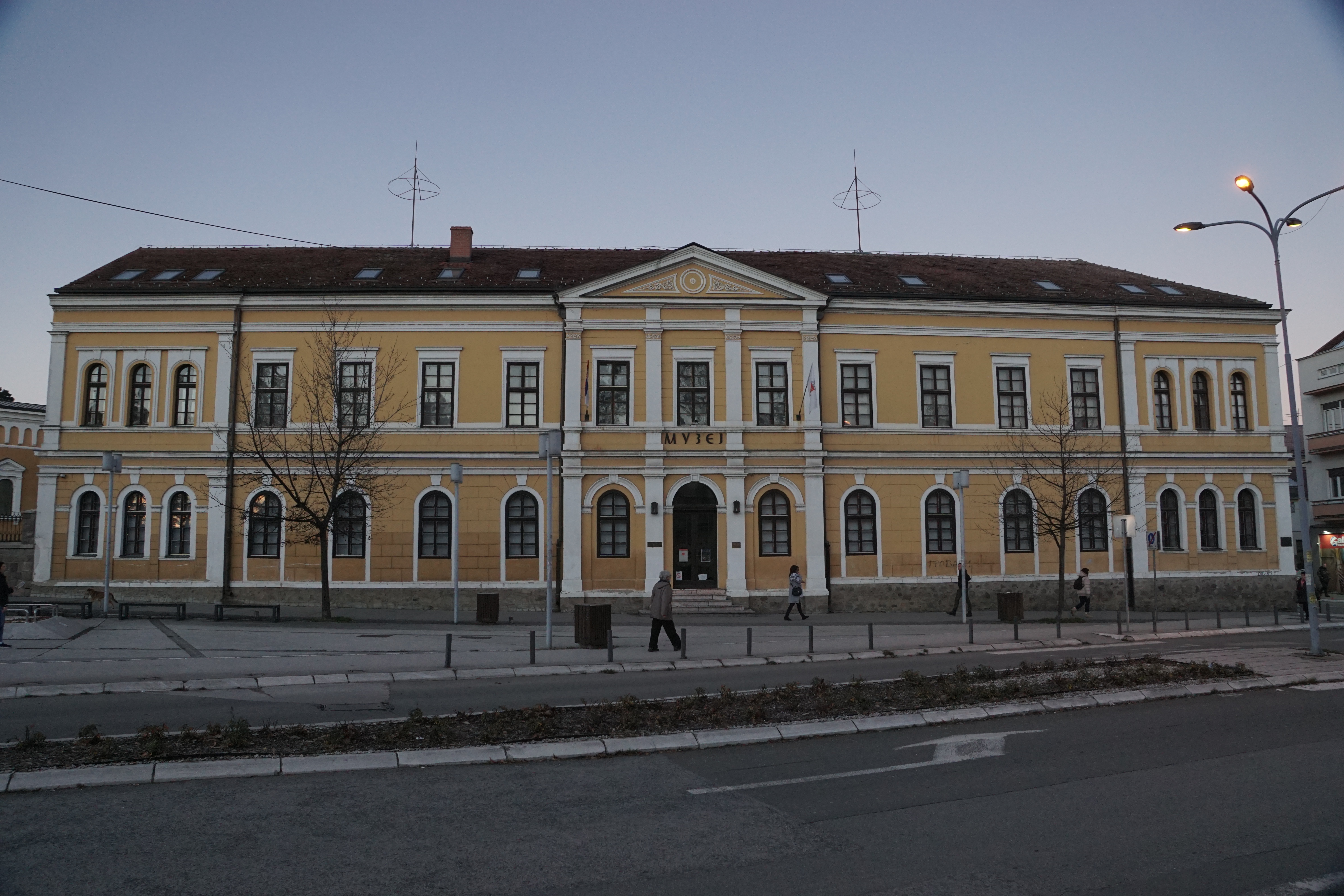 69
69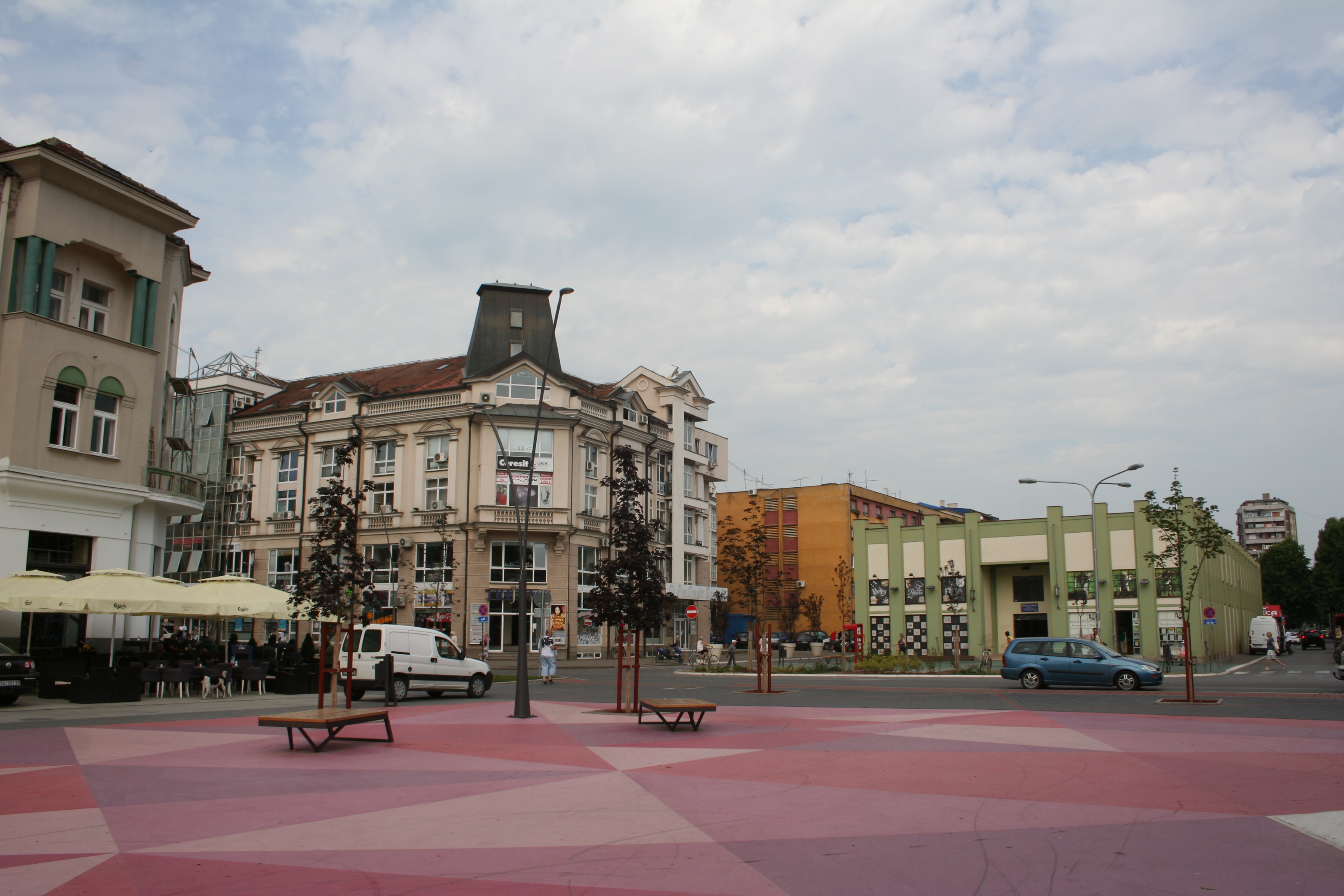 73
73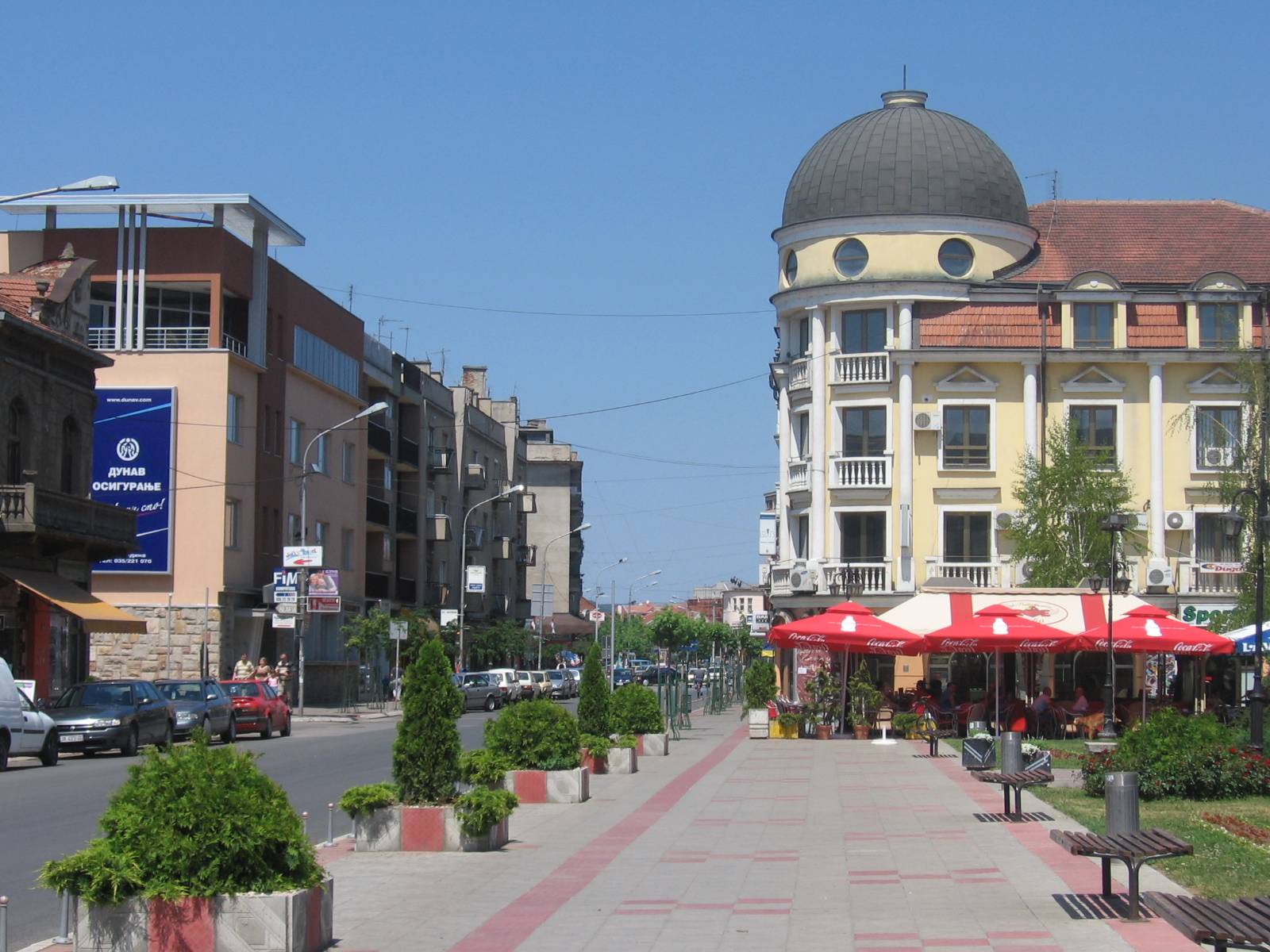 71
71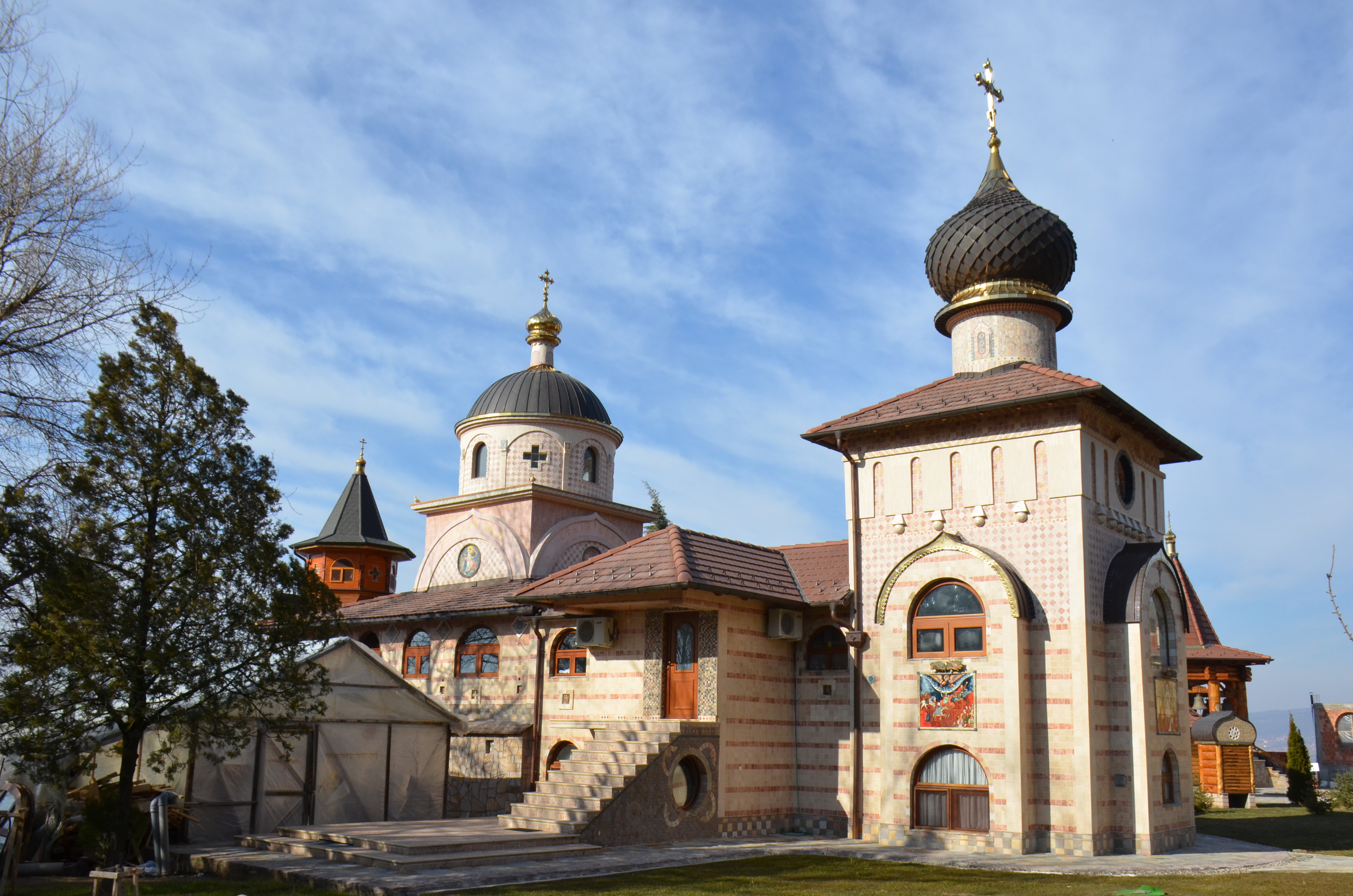 70
70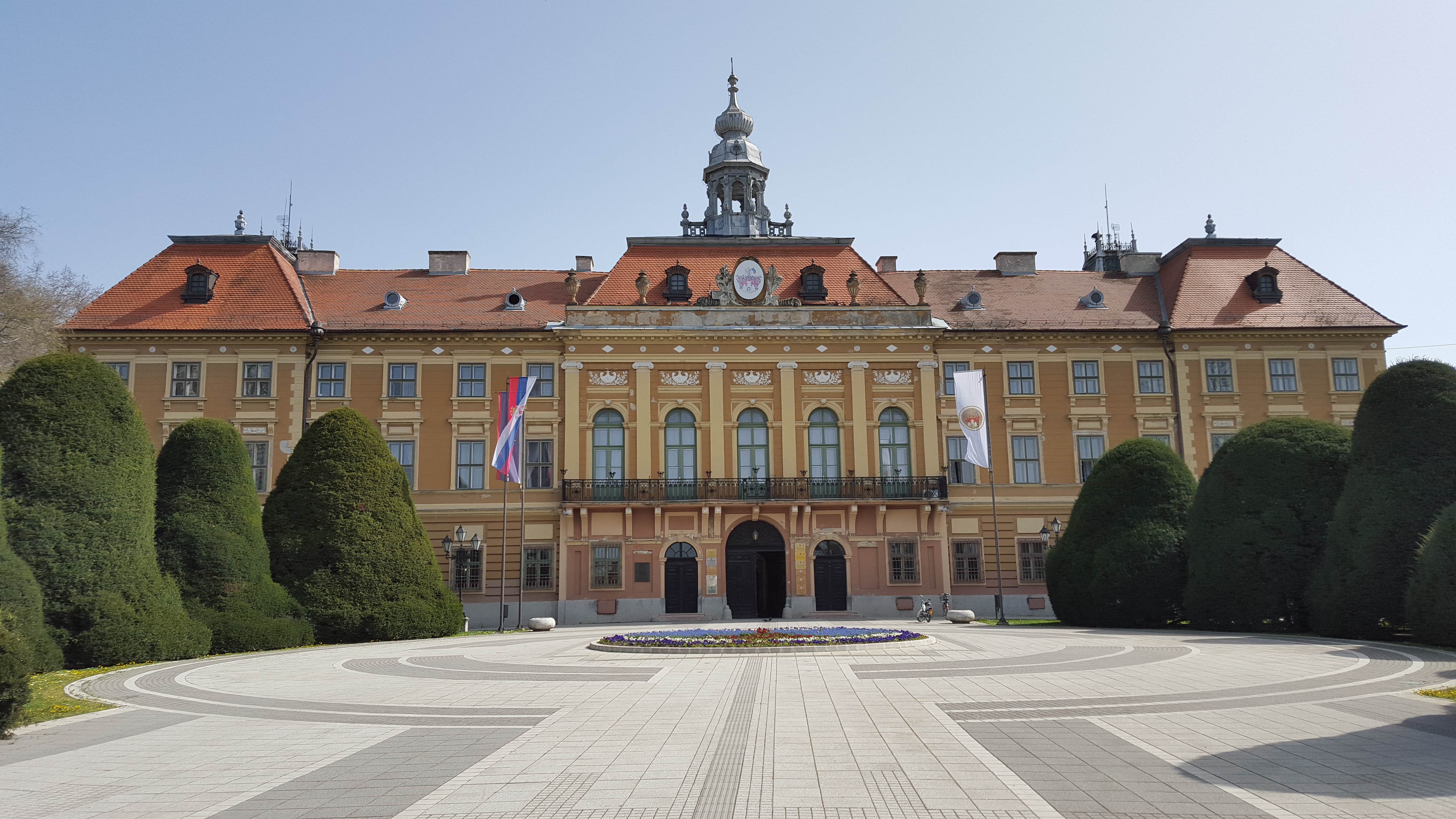 70
70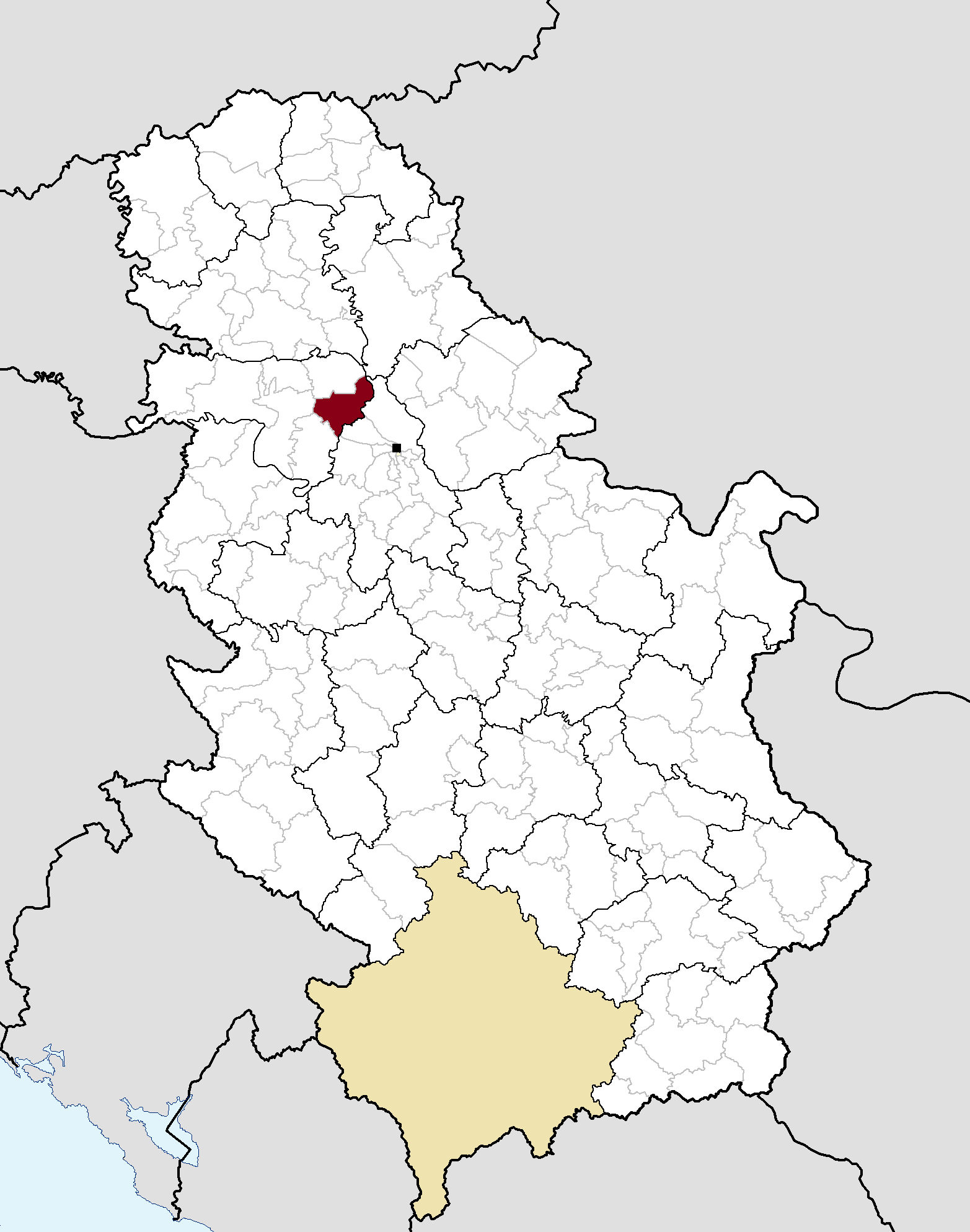 73
73Income Documentation That Holds Up Across Two Agencies
The stated minimum monthly income is $1,025. That number is a floor, not a target. The consulate and the local police station that processes the residence permit want to see a financial picture that does not raise questions about how you will support yourself after the investment is made. Bank statements, salary slips, tax returns. They all need to tell the same story.
For freelancers and remote workers, the hardest part is proving stability without a single employer letter. Consolidated bank statements showing regular deposits from the same clients over six to twelve months work better than a stack of individual invoices. If your income fluctuates, calculate a rolling average and include a cover letter that explains the pattern. Do not let a large one-off deposit sit unexplained; it will be read as staged.
The 10% local income cap means you need to demonstrate that your livelihood depends on foreign sources. If you have a Serbian client, keep that revenue below one-tenth of your total. The officer reviewing your file will look at the origin of the deposits, not just the totals. Make sure the bank statement columns match the client names on your contracts.
Tax returns are not optional. Provide the last two years. If your returns show less income than your bank statements, you will have to explain the discrepancy. The simplest fix is to file before you apply and make the numbers align.
The Address Proof Is a Sequencing Trap
The accommodation requirement looks straightforward on the checklist: rental agreement, property ownership certificate, or notarized host invitation. In practice, it creates a loop that catches people who do not plan the order of operations.
If you are buying property as your investment, you cannot close the purchase and receive the deed until you have a Serbian bank account and a tax identification number. But you cannot open the bank account easily without a registered address. The workaround is to rent a place first, even for a month, get the rental agreement notarized, use that to open the account and get your tax ID, then complete the property purchase. After the deed is in your name, you can switch your registered address to the owned property.
The lien-free certificate is non-negotiable. Request it from the land registry before you sign the final sale contract. If the property has any encumbrance, the Ministry of Interior will reject the application. Sellers sometimes clear liens between the preliminary agreement and closing, but you need the clean certificate dated after the clearance. Do not rely on a promise.
If you are renting long-term, the rental contract must be registered with the local authorities. An informal lease signed in a coffee shop will not work. The landlord must cooperate, and some will refuse because registration triggers tax obligations. Ask about registration before you pay a deposit.
The Six-Month Permit and the Renewal That Actually Matters
The first residence permit is issued for six months. That is not the final product. It is a temporary card that buys you time to complete the full application and demonstrate that you have settled in.
After you enter Serbia, you submit your documents at the local Ministry of Interior or police station. The six-month clock starts. During that period, you need to have your health insurance active, your address registered, and your investment documented. The authorities will check that the property is still in your name and still lien-free. If you invested in a company, they will verify that the entity is operational.
The renewal process is where the physical presence rule gets enforced. You must show that you have been in the country almost continuously. Passport stamps and boarding passes matter. If you left for a week, keep the evidence. The renewal application requires updated bank statements, proof of income, and a new criminal record certificate from your home country if the old one expired. Plan for the apostille and translation timeline again.
Once you get the full-term residence permit, the rhythm settles. You still renew periodically, but the scrutiny shifts to tax compliance and the long-term path.
Five Years to a Passport, but the Days Add Up
Permanent residency and citizenship both require five years of continuous residence. The physical presence rule is 360 days per year, and the maximum consecutive absence is 180 days. On paper, that looks like two separate rules. In reality, they combine into a single constraint: you cannot be away for more than a handful of days total in any given year. A single trip of 180 days would already put you over the annual absence limit, so the consecutive absence allowance is mostly theoretical.
The practical requirement is that you live in Serbia full-time for five years. Tax residency will follow automatically. You will file Serbian tax returns and pay resident rates. The citizenship application adds a language test and a review of your integration. There is no shortcut.
For someone who can structure their life around that presence, the payoff is a passport that may gain significant value if Serbia joins the European Union. That is not guaranteed, but the path is linear and the timeline is predictable. The main risk is a change in the law during the five-year window, which is why starting sooner matters.
Serbia vs. the Passive Income Visa Route
The closest alternative for a retiree or remote worker is a passive income visa like Portugal’s D7. That route asks for a lower income threshold and no upfront investment, but the cost of living is higher and the path to citizenship stretches longer with more bureaucratic friction. You also need to spend at least 183 days a year in Portugal to maintain tax residency, which is less demanding than Serbia’s 360-day rule but still ties you to one country.
If you have the $57,093 to invest and you are willing to commit to near-full-time residency, Serbia gives you a faster citizenship clock and a lower burn rate on your savings. The trade-off is the absence of Schengen access until Serbia joins, and a legal system that requires more hands-on document management. For someone who wants a European base and does not need to travel constantly, the math tilts toward Serbia. For someone who values mobility above a passport timeline, the D7 or a non-lucrative visa in Spain might fit better. The decision hinges on how many days you actually want to be in one place.
Work Permissions
Application Steps
- 1
📋 Research qualifying investments
1-4 weeks
- 2
📄 Gather identity and financial documents
1-2 weeks
- 3
📬 Apply for long-stay Visa D if needed
2-4 weeks
- 4
📬 Submit residence permit application
- 5
⏳ Wait for approval decision
- 6
🏛️ Register address after arrival
1-2 days
Frequently Asked Questions
Click any question to expand the answer.
Ready to Apply?
Work with trusted visa specialists who handle the paperwork so you can focus on your move.
Get help with this visa →* We may earn a commission if you apply through our link
At a Glance
Last verified: July 15, 2026