Nicaragua Pensionado
Nicaragua · Latin America
Data updated Sep 4, 2026
Min Monthly Income
$600
Application Fee
$195
Processing Time
~4 wks
Difficulty
Easy
Duration
12 months
Path to Citizenship
5 years
Overview
Qualification under Nicaragua's Pensionado category hinges on a single condition: proving you receive a guaranteed, lifelong pension income from abroad - not savings, not investment returns, not freelance revenue, but a formal pension or Social Security benefit that arrives every month and doesn't stop. That distinction matters more than the income threshold itself. If your income comes from a portfolio, a rental property, or client work, this isn't the right category. The Pensionado visa is built around the legal concept of a permanent income stream you didn't earn in Nicaragua and can't lose by moving there, and the application process is essentially an extended proof of that one thing.
The profile that sails through this is a 55-year-old American with a federal pension or Social Security benefit of $1,200 or more per month, no dependents, and the patience to work with a local attorney for several months. The profile that struggles is someone who retired early on investment income or rental cash flow - technically not a "pension" under this framework, and you'll likely be redirected to the Rentista category instead. The profile that's in the wrong category entirely is anyone who plans to do any paid work in Nicaragua, whether as a remote employee for a foreign company or as a local freelancer. That's a hard prohibition under Law 694, and it's not a technicality that gets overlooked.
The thing most applicants don't fully deal with before applying is the gap between what's written and what immigration currently requires. The official income threshold cited in older guidance is $600/month, still the official figure as of 2026. In practice, DGME has been applying a standard closer to $1,000/month for the principal applicant, and $250 per dependent on top of that. No official document has been published that replaces the $600 figure, which means you can find legitimate-looking sources quoting both numbers. The only way to know what you'll actually face is to talk to a local attorney or relocation firm who has filed applications recently - not last year, recently.
What Nicaragua offers that most comparable programs don't is a low cost of living combined with a legal residency path that doesn't require a large investment or business formation. For someone whose income is already locked in and whose main goal is stretching it further, the math here is hard to argue with. Permanent residency isn't available through this category, but the customs benefits on imported goods are real, and the process - slow and bureaucratic as it is - eventually resolves.
Eligibility Requirements
Min Income
$600
Application Fee
$195
Min Age
45 yrs
Duration
12 months
Physical Presence
180 days/yr
Pension / Social Security · Passive / Investment Income
Max 0% from local sources
+25% per adult · +25% per child
Requirements Checklist
Valid passport with at least 6 months validity
Proof of sufficient income (bank statements, employment contract)
Health insurance covering the entire stay
Clean criminal background check
Completed application form with all required documents
Proof of accommodation in the country
Apostille required on official documents
In-person interview required
Tax Information
Nicaragua Taxes What Happens in Nicaragua
Nicaragua runs a territorial tax system, which for most US remote workers and retirees means the country has almost no claim on your income. Foreign-source income - your US remote salary, freelance contracts with US clients, Social Security, foreign dividends, brokerage gains, interest, and any pension you've built up - falls entirely outside Nicaraguan tax scope. What Nicaragua taxes is income earned here: wages from a Nicaraguan employer, fees for services rendered to local clients, dividends from Nicaraguan companies, gains on Nicaraguan assets, and rental income from property located in Nicaragua.
The residency trigger isn't a clean day-count rule the way some countries publish it. There's no widely-established 183-day threshold in Nicaraguan tax law. Instead, residency for tax purposes is tied to a combination of factors - having legal residency status, maintaining a habitual home here, and centering your principal economic interests in Nicaragua. For a Pensionado holder whose income is entirely foreign-sourced, this distinction rarely matters in practice, but it's worth understanding that holding the visa itself, combined with living here full-time, can make you a Nicaraguan tax resident for local-source income purposes.
Where Nicaraguan income tax does apply, the rates are progressive: effectively 0% on very low income, then 15%, 20%, and a top marginal rate of around 30% on higher earnings. Thresholds are set in córdobas and shift with inflation, so USD equivalents aren't stable enough to quote here. Dividends from Nicaraguan companies are generally subject to a final withholding tax of 15%. Capital gains on Nicaraguan assets run in a similar range depending on asset type. Foreign dividends and foreign capital gains are outside scope entirely.
Law 694 - Customs Benefits, Not Income Tax Relief
The Pensionado regime draws its legal basis from Law 694, and it does offer real financial benefits - but they're not income tax benefits. The regime provides customs and import tax exemptions on household goods, vehicles, and certain construction materials when you establish residency. For someone relocating with furniture, a car, or building a home, those savings can be substantial.
What Law 694 doesn't provide is any special income tax treatment. There's no non-dom regime, no reduced rate on Nicaraguan-source income, no exemption structure for expat residents. The standard territorial rules apply to everyone. Given that most Pensionado applicants are retirees or remote workers whose income is foreign-sourced, this gap rarely creates a problem - but if you're planning to earn locally in any capacity, you're in the standard system.
The regime's current status is active. However, Nicaragua's regulatory environment has shifted in recent years, and the practical application of any incentive program should be confirmed with a local advisor before you structure anything around it.
The US Layer - FEIE, FTC, and FBAR
The IRS doesn't adjust its expectations based on where you've moved. US citizens and green card holders file US returns on worldwide income regardless of how long they've lived abroad or how little Nicaragua taxes them.
The Foreign Earned Income Exclusion covers earned income - remote salary, freelance fees, self-employment income - from work performed while physically outside the US. For 2026, the exclusion limit is $132,900. You qualify either through the Physical Presence Test, which requires 330 full days outside the US in any 12-month period, or the Bona Fide Residence Test, which requires establishing genuine residence in a foreign country. Days you physically spend in the US working are not excludable, so if your remote job involves regular trips back to a US office, that chips away at the benefit. FEIE does not apply to Social Security, pensions, dividends, interest, or capital gains - none of it. Those income streams face US tax under normal rules.
The Foreign Tax Credit is the other mechanism, and for Nicaragua specifically it works differently than in high-tax countries. Because Nicaragua doesn't tax your foreign income, there's typically very little Nicaraguan tax to credit against your US liability. The FTC becomes relevant mainly if you earn Nicaraguan-source income - local rental income, for example - and even then, the amounts are often modest. For a retiree living on Social Security and a foreign pension, neither FEIE nor FTC does much heavy lifting; the US taxes those streams, and Nicaragua doesn't touch them.
Nicaragua has no comprehensive income tax treaty with the United States. There's no treaty-based reduction on pensions, Social Security, or anything else. You're relying entirely on FEIE and FTC as unilateral US provisions.
On FBAR: the Pensionado application process requires opening a Nicaraguan bank account. Once your combined foreign account balances exceed $10,000 at any point during the calendar year - even briefly - FinCEN 114 is mandatory. Non-willful failure to file carries a penalty of up to $16,700 per violation as of 2026 (inflation-adjusted from the statutory $10,000 base). The account the visa requires you to open is the account that triggers the obligation.
Getting Year One Right
The decisions that tend to go wrong in year one aren't complicated in hindsight, but they're easy to miss in the middle of a move. The FEIE election method matters more than people realize: Bona Fide Residence and Physical Presence Test have different requirements and different implications depending on your travel patterns, and choosing the wrong one - or filing late and making the election incorrectly - can cost you the exclusion entirely for that year. If you're arriving mid-year and spending time in both countries, the Physical Presence Test math needs to be tracked carefully from day one.
FBAR non-filing is the other common first-year mistake, and it happens specifically because the bank account feels like an administrative formality rather than a reportable asset. It isn't.
On the Nicaraguan side, the Law 694 import benefits have their own application process and timing. Missing the window for customs exemptions during your initial move means you've lost those benefits permanently for that shipment.
Budget $1,500-$3,000 for a US expat CPA and a local Nicaraguan tax advisor in year one. That combination covers correct FEIE election method, FTC positioning for any local income, treaty awareness (or in this case, the absence of one), and FBAR compliance from the start. The territorial system makes Nicaragua relatively clean for foreign-income earners, but clean doesn't mean zero complexity when the US filing layer is still sitting on top of everything.
Living in Nicaragua
COL Index vs NYC
28.6
Monthly Cost (excl. rent)
$581
1BR Rent (City Center)
$344
Safety Index
46.3
Healthcare Index
36.2
Quality of Life Index
86.1
Time Zone
UTC-06:00
Capital
Managua
Population
6.6M
Official Languages
Spanish
Avg Internet Speed
92 Mbps
Public Transit Quality
Fair
With a budget covering rent and living costs, you'd need roughly $925/mo for a comfortable single-person lifestyle in Nicaragua.See how far your money goes →
🏙️ Best Cities in Nicaragua for Retirees
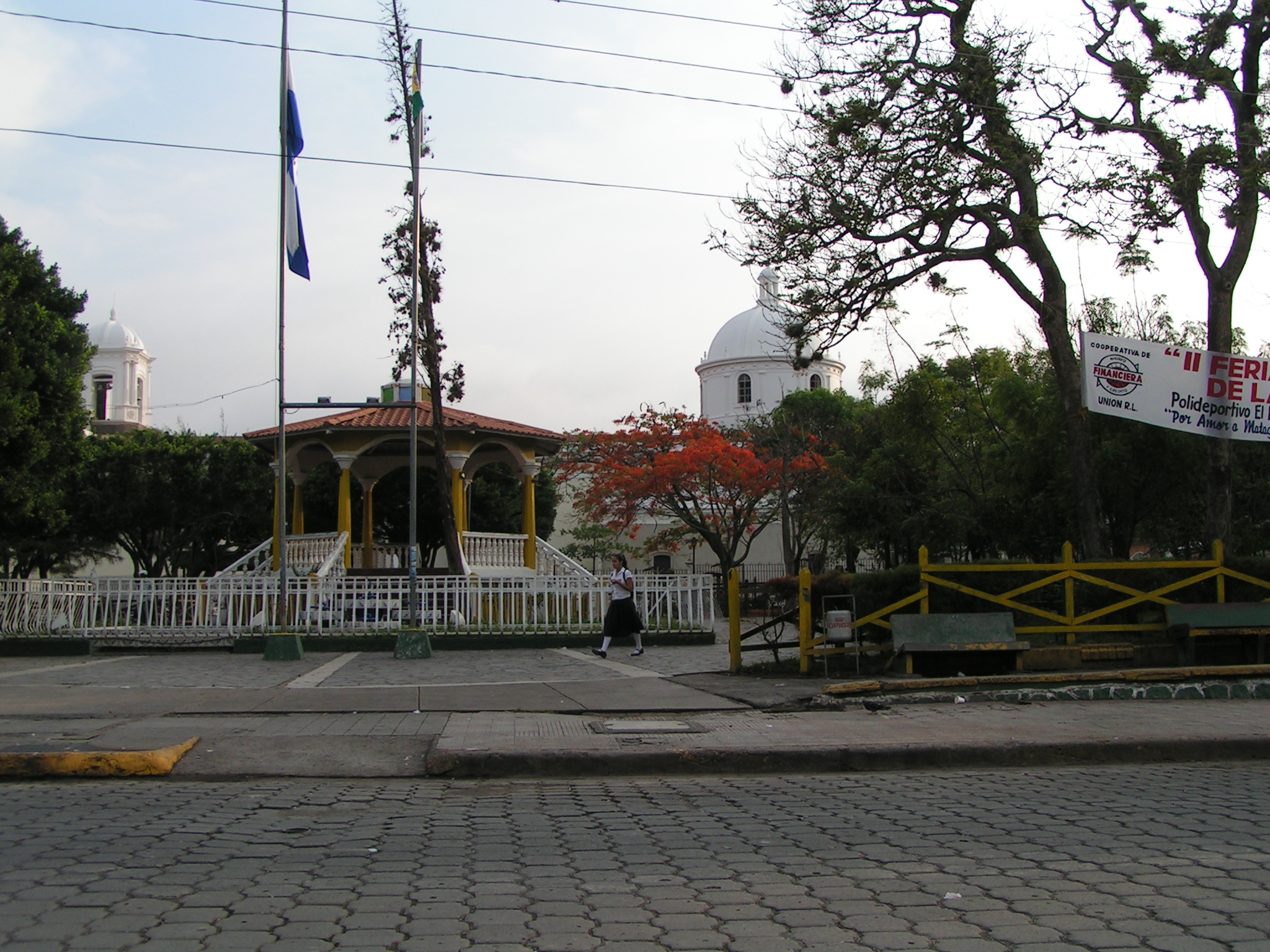 56
56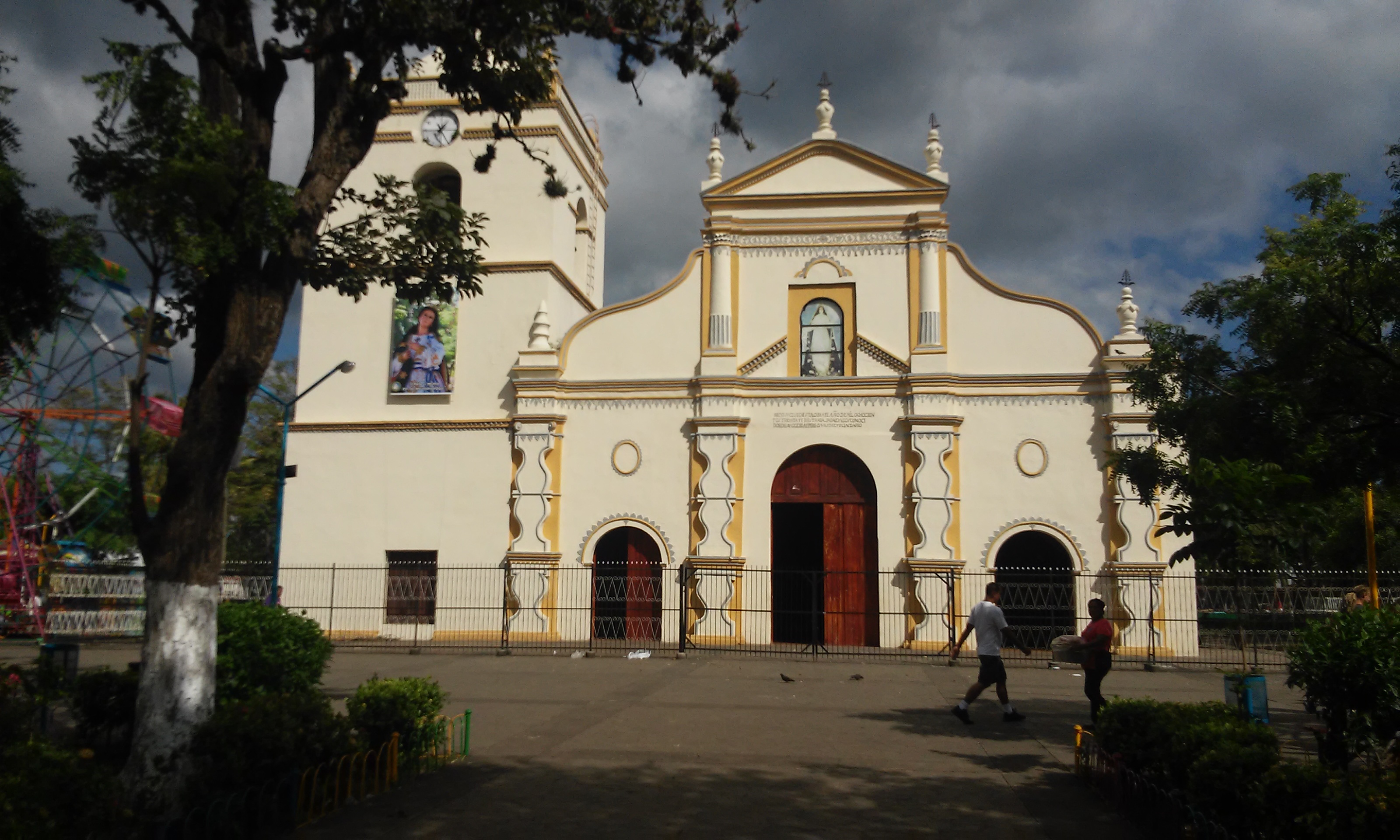 56
56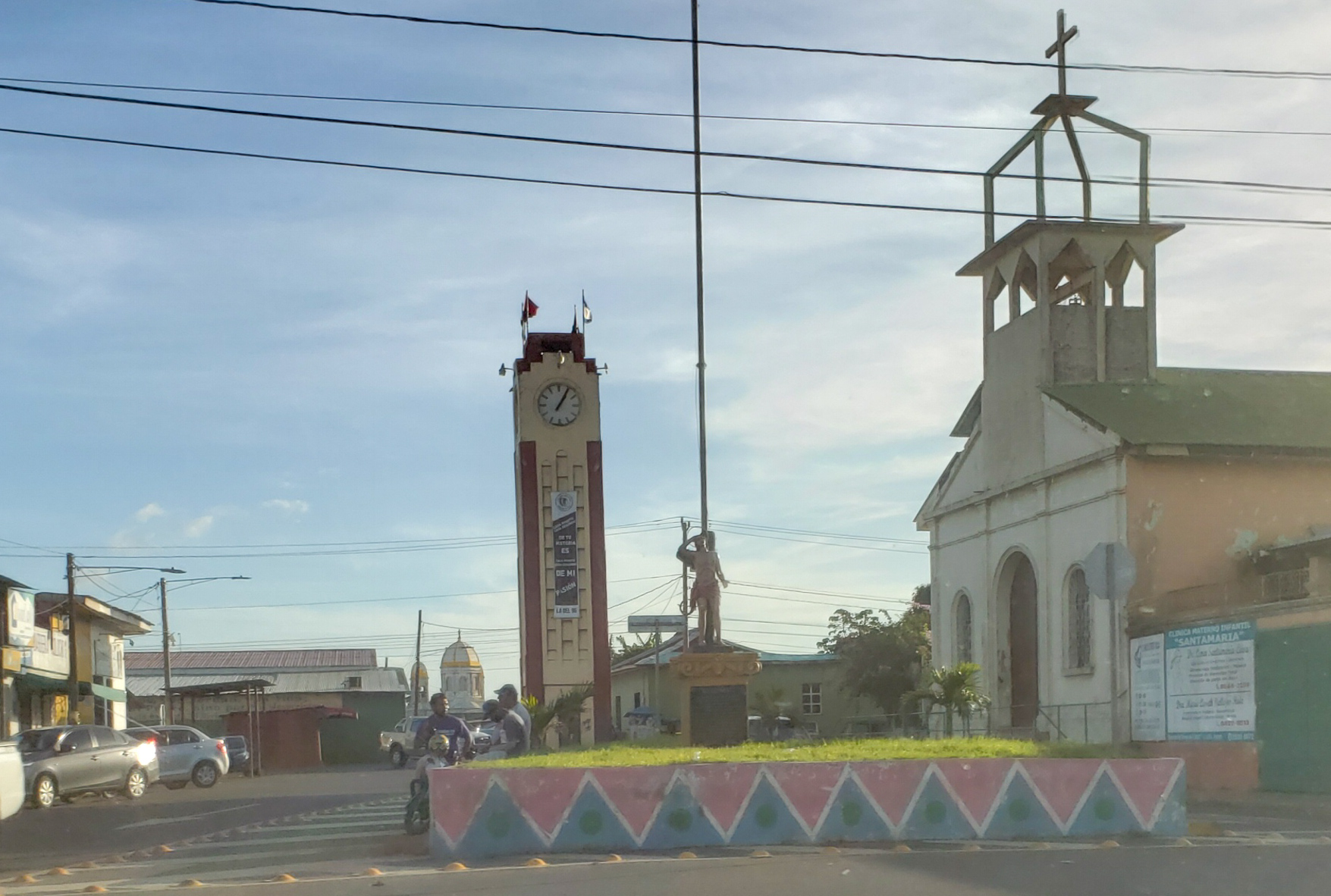 48
48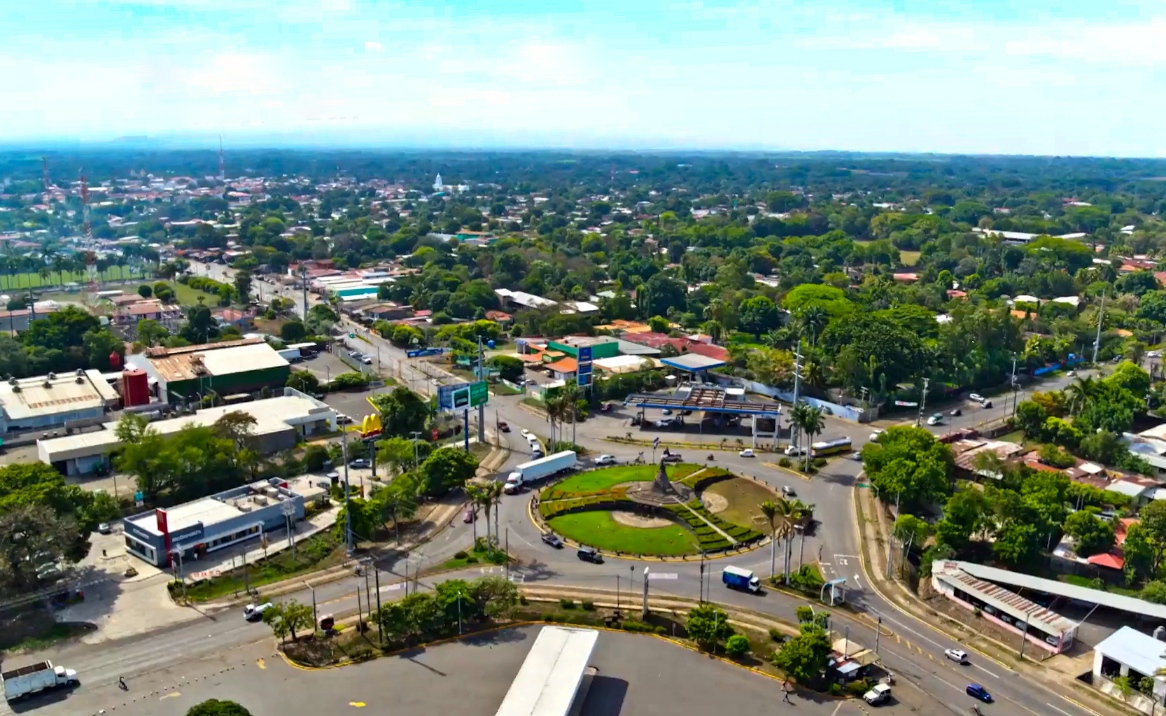 54
54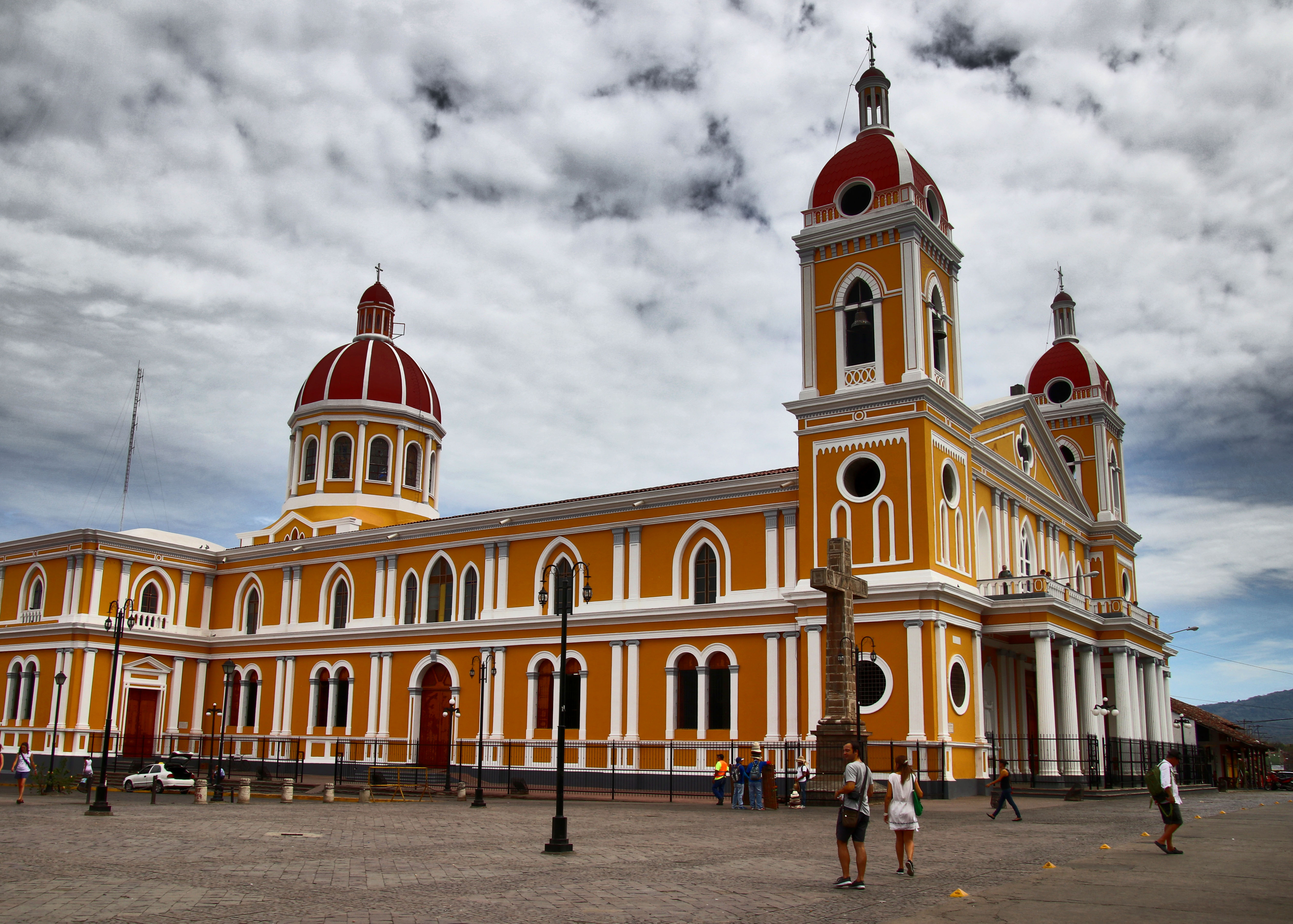 46
46Getting Your Income Documentation Story Straight
The pension letter is the center of your application, and most people underestimate how specific it needs to be. Immigration isn't looking for a bank statement showing a recurring deposit. They want an official document from the issuing authority - Social Security Administration, a federal agency, a pension administrator - that states the monthly amount, confirms it is a lifetime benefit, and ideally confirms it's already in payment. A letter that says "estimated future benefit" is not the same thing as one that confirms current disbursement, and that distinction has derailed applications.
If you're receiving Social Security, the SSA benefit verification letter works, but you need the version that shows the current monthly payment amount, not just your eligibility. If your pension comes from a private employer or a state system, you'll need a letter from the plan administrator, not just a statement. All of this needs to be apostilled at the country-of-origin level, then translated into Spanish by a certified translator. The apostille process alone can take weeks depending on which state or federal agency is involved.
One thing that catches people: the income documentation you gather in your home country needs to match the standard being applied in Managua at the time you file, not the standard you read about six months ago when you started planning. Given the gap between legacy published thresholds and current practice, it's worth over-documenting rather than meeting the minimum. Bring proof of the full amount, not just enough to clear the floor.
The Housing Requirement and Where People Get It Wrong
Nicaragua doesn't require you to own property to qualify for Pensionado residency, but you do need a local address, and how you establish that address matters more than people expect. A hotel address won't work for the residency card. You need a rental agreement or a property title in your name, and it needs to be a real one - a formal written lease, ideally registered or at minimum notarized, not a handshake arrangement with a landlord who'll write you a letter.
The practical problem is that most applicants arrive on a tourist entry and start the application process while living somewhere temporarily. That's fine and common, but you need to lock in a stable address before you submit. Some applicants rent short-term furnished apartments in Granada or San Juan del Sur for the initial application period, which works if the rental agreement is documented properly. What doesn't work is listing a friend's address or a guesthouse that isn't willing to provide a formal document.
This is one area where a local attorney earns their fee. They'll know what format the address documentation needs to take and whether your specific rental situation will pass review. It's a small piece of the overall application but it's the kind of thing that creates unnecessary delays if you get it wrong.
What Actually Happens After You Land
Visa approval and having a functioning residency card are not the same event, and the gap between them can stretch to several months. When you enter Nicaragua and begin the application process, you're typically on a tourist entry that allows 90 days. If your application isn't resolved in that window - and it often isn't - you'll need to either extend your stay legally or make a border run to reset your tourist stamp. Both options exist, but neither is seamless, and the border run approach in particular has become less predictable as enforcement has tightened.
During the processing period, you're in a kind of administrative limbo. You've submitted your documents, you may have attended an interview, and you're waiting. You don't have a residency card yet, which means certain things - opening a local bank account, some rental agreements, anything that requires proof of legal residency status - are harder than they'll be once the card arrives. Plan for that gap financially and logistically. Don't assume you'll have a cédula in hand within 60 days of submission.
Once approved, you'll pay a guarantee deposit equivalent to a one-way airfare to your home country - a relatively minor cost - and receive your residency card. That card is what makes everything else work: banking, healthcare enrollment, the customs benefits on imported goods. The approval itself is the finish line most people focus on, but the card is what actually changes your daily life in Nicaragua.
The Long Road to Permanent Residency
On paper, the path from Pensionado temporary residency to permanent residency looks straightforward: maintain your status, keep your income documentation current, renew on time, and after roughly three years of continuous lawful residence, apply. In practice, the process is slower and more discretionary than that summary suggests.
"Continuous residence" is interpreted strictly. Extended absences can reset or interrupt your clock, and there's a published rule requiring at least 180 days of presence in Nicaragua per year to maintain your residency. People who've treated their residency as a part-time arrangement - spending summers elsewhere, wintering in Nicaragua - have sometimes found their permanent residency timeline is longer than expected. If permanent residency is a goal rather than a vague aspiration, you need to be physically present in Nicaragua for the majority of each year, and you need to be keeping records of that.
Naturalization sits further out still - generally requiring five years of total lawful residence depending on your nationality and circumstances, plus demonstrated integration into Nicaraguan society, basic Spanish, and knowledge of Nicaraguan civics. The process is paperwork-heavy and the timeline is inconsistent. Some people move through it relatively smoothly; others wait years longer than they expected. The political environment in Nicaragua has made certain administrative processes less predictable than they were a decade ago, and that applies to immigration processing as much as anything else.
Nicaragua vs. Costa Rica: The Pensionado Decision
Costa Rica's Pensionado program is the most natural comparison, and the choice between them isn't really about the visa mechanics - both programs have similar structures and comparable income requirements. The real question is what kind of life you're buying with your pension income and how much political stability you need to feel comfortable.
Costa Rica is more expensive. Healthcare is better and more accessible. The expat infrastructure in places like the Central Valley is well-established, and the country has a long track record of welcoming foreign retirees without the kind of policy turbulence Nicaragua has experienced. If you have complex medical needs or want to be near other English-speaking retirees with established community networks, Costa Rica is probably the more sensible choice even if your monthly costs are higher.
Nicaragua is cheaper in a way that's hard to overstate if you're living on a fixed pension. Rent, food, domestic help, and basic services cost meaningfully less than comparable quality in Costa Rica. For someone receiving $1,200 to $1,500 a month in Social Security, Nicaragua can be a comfortable life in a way that Costa Rica at the same income level might not be. The tradeoff is a less stable political environment, less developed private healthcare, and an administrative process that requires more patience and local help to manage. Neither option is obviously correct. The right answer depends heavily on what you're willing to trade.
Work Permissions
Application Steps
- 1
📋 Confirm pension income requirement
1 week
- 2
📄 Prepare and apostille documents
3-4 weeks
- 3
📬 Submit application at Nicaraguan immigration
1-2 days
- 4
⏳ Await approval and collect residency card
2-4 months
Planning a long stay? Compare international health plans for Nicaragua.
Compare health insuranceWe may earn a commission at no cost to you.
Frequently Asked Questions
Click any question to expand the answer.
Ready to Apply?
Work with trusted visa specialists who handle the paperwork so you can focus on your move.
Get help with this visa →* We may earn a commission if you apply through our link
At a Glance
Last verified: July 15, 2026