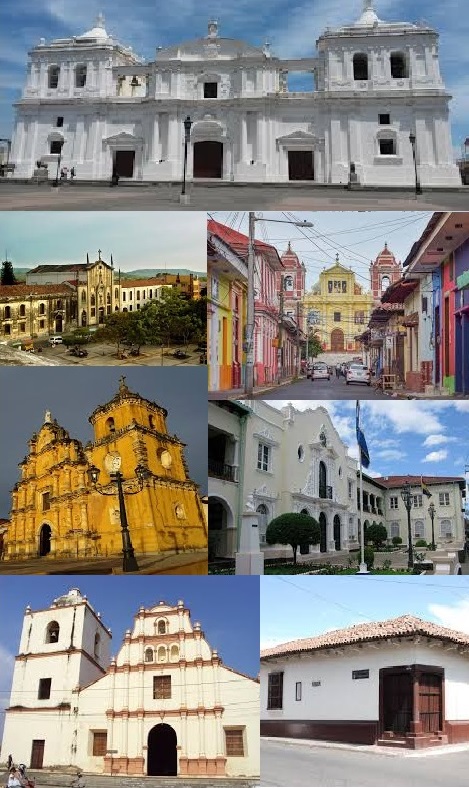
Leon, Nicaragua
Data updated Sep 3, 2026
📊 Scores
Agricultural exports drive León's economy, with sugar cane, cattle, and tropical crops flowing through processing facilities and trading companies that employ much of the workforce. The National Autonomous University (UNAN) creates a secondary economy around education services, student housing, and related businesses. Manufacturing jobs exist but remain limited to light industry and food processing. Most locals work in agriculture, trade, or university-related services, while the formal job market for foreigners is practically nonexistent unless you're teaching English or working remotely.
Rent averages $300/month for a decent one-bedroom in the center, with basic utilities adding another $50-80. Public transport consists of aging buses and motorcycle taxis costing under $1 per ride, though many expats buy used motorcycles for $800-1,500. Healthcare is available through public hospitals and private clinics, but serious medical issues require a trip to Managua. Spanish is essential—English speakers are rare outside the university. Government bureaucracy moves slowly, and you'll need patience for residency paperwork.
The tropical climate means 90°F+ temperatures and crushing humidity from May to November during rainy season. Local food centers on rice, beans, and grilled meats, with decent restaurants near the university district. The expat community is tiny—maybe 50-100 foreigners total, mostly students, retirees, and NGO workers. Weekends mean visiting nearby Pacific beaches, exploring colonial architecture, or joining university cultural events. This city works for budget-conscious retirees, remote workers seeking authentic Central American life, and anyone comfortable being one of very few foreigners around.
🏚️ Cost of Living
💰 Budgets and Costs
Grocery Basket
Eating Out
Utilities & Lifestyle
Housing
💰 Real Spend Reports
🛡️ Safety & Crime
(Higher is safer)
(Lower is safer)
Leon feels moderately safe for expats during daylight hours, particularly in the colonial center and established neighborhoods like Sutiava. Nighttime walkability is limited—most residents and expats avoid walking alone after dark, relying instead on taxis or staying in well-lit areas. The city's vibe is generally relaxed and welcoming, but safety is situational rather than guaranteed. Compared to its reputation as a student and backpacker hub, Leon is actually safer than many assume, though vigilance remains necessary.
Petty theft—phone snatching, pickpocketing, bag slashing—is the primary concern, especially in crowded markets and near the bus terminal. Armed robbery and home invasions occur but are not epidemic. Solo female travelers should avoid isolated streets at night and be cautious in the market district after sunset. Scams targeting foreigners (inflated taxi fares, fake tour operators) are common. The neighborhoods around the bus station and outer barrios are higher-risk; stick to the historic center and known expat areas.
Nicaragua's political environment is relatively stable compared to regional peers, though corruption within police and local government is endemic. Police presence is visible but inconsistent in quality; they are generally not hostile to foreigners but cannot always be relied upon for rapid response. Leon itself has not experienced major civil unrest recently. For a 30-65 American considering relocation, Leon is viable if you accept moderate precautions, stay aware, and avoid displaying wealth. It's safer than many Central American cities but requires more street sense than typical U.S. retirement destinations.
🏥 Healthcare
🌤️ Climate
Best Months
Climate Notes
León experiences a warm, semi-arid climate influenced by moderate pollution levels from urban development and industrial activities.
💻 Digital Nomad
Community Notes
| Name | Price/mo | Notes |
|---|---|---|
| Casa de los Sueños | $80 | A popular guesthouse and coworking space in the center of León, offering a relaxed atmosphere, reliable Wi-Fi, and a social environment perfect for digital nomads. They have a garden area for working and offer Spanish classes. |
| Lazybones Hostel | $60 | More of a hostel with coworking facilities, Lazybones offers a budget-friendly option with a social vibe. Located centrally, it's a good choice for those looking to connect with other travelers and digital nomads while working. |
| Via Via Leon | $70 | A well-known hostel and travel agency with a dedicated workspace. It's centrally located and provides a good balance of work and social opportunities, with tours and activities readily available. |
🧳 Expat Life
Expat Life Notes
Leon is a vibrant university and colonial city. While less touristy than Granada, it offers an authentic Nicaraguan life.
Pros
- ✓ Stunning historic architecture
- ✓ Very low cost of living
- ✓ Vibrant student social life
Cons
- ✗ Extremely hot and humid
- ✗ Basic infrastructure and healthcare
- ✗ Political sensitivity
🛂 Visa Options for Nicaragua
Living on investment or passive income? Nicaragua Pensionado may be the right fit — minimum $600/month required.
View full requirements →Earning over $600/mo? You may qualify for a Nicaragua visa.
Answer 10 questions and get a personalized match in under 2 minutes.
Could living/working in Leon cut years off your work life?
With a 1-bedroom in the center at $320/mo, your FIRE number here might be much lower than you think.
Share This Guide
Leon won't stay this cheap forever.
Cost-of-living and visa updates for Leon and the rest of Nicaragua. Free with RA Postcards.
By submitting your email address, you will receive a free subscription to RA Postcards and special offers from Rewire Abroad and our affiliates. You can unsubscribe at any time, and we encourage you to read more about our Privacy Policy.