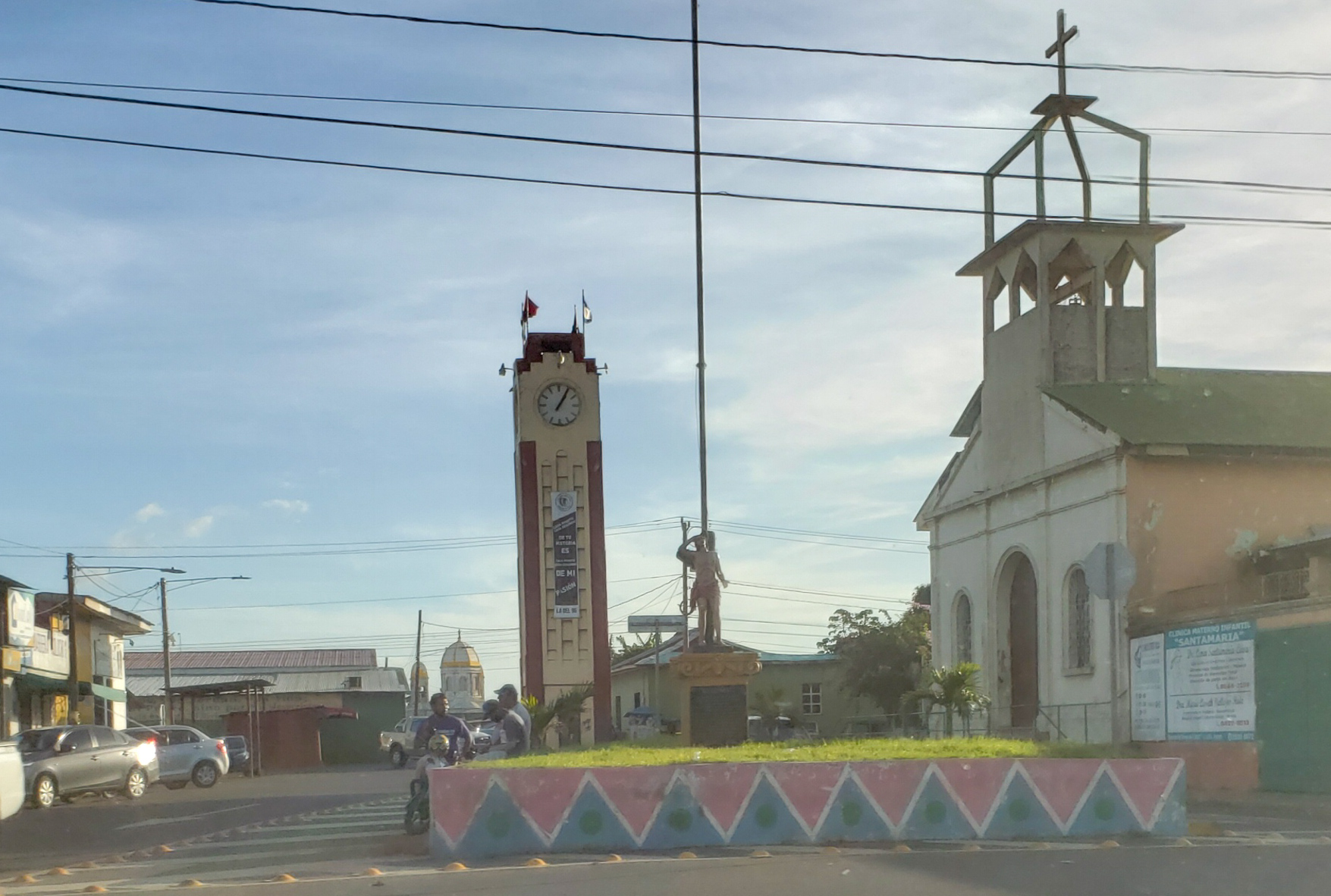
Diriamba, Nicaragua
Data updated Sep 29, 2026
📊 Scores
Best fit: FIRE / Geoarbitrage (score: 69)
Coffee and subsistence farming drive Diriamba's economy—60 surrounding villages feed the agricultural sector, though most jobs are seasonal and low-wage. The city functions as a transport hub on the Panamerican Highway, 42 km south of Managua, which brings some logistics and commerce work. Tourism around the 1939 Basilica of Saint Sebastian and coastal spots 30 km away (La Boquita, Casares) generates restaurant and hotel jobs, but these are modest. Realistically: you won't find remote-work-friendly coworking spaces or stable employment here unless you're self-employed or teaching English.
A one-bedroom in the city center runs $240/month; transport is cheap (buses, moto-taxis under $1 per ride). Healthcare exists but is basic—serious issues require traveling to Managua. Spanish is essential; English is rare outside tourism zones. Bureaucracy for residency is standard Nicaraguan friction: expect slow processes and multiple office visits. Internet is available but unreliable during rainy season. The dry season (November–April) brings strong winds that can be annoying. Overall, it's genuinely affordable but requires patience with infrastructure gaps.
Tropical heat year-round (28–32°C), dry season November–April. Food is fresh and cheap—local seafood, plantains, beans. The expat community is tiny compared to Granada or San Juan del Sur; you'll mostly meet Nicaraguans and occasional tourists. Weekends mean beach trips to La Boquita, hiking at La Máquina Ecotourism Center, or catching Caciques de Diriangén football matches. Diriamba suits budget-conscious people seeking authentic rural Nicaragua, not those wanting expat infrastructure or nightlife.
🏚️ Cost of Living
💰 Budgets and Costs
Grocery Basket
Eating Out
Utilities & Lifestyle
Housing
A 1BR in the center runs about $240/mo. If your income is in another currency, bank FX fees add up. A multi-currency account can cut that cost.
See low-fee transfersWe may earn a commission at no cost to you.
💰 Real Spend Reports
🛡️ Safety & Crime
(Higher is safer)
(Lower is safer)
Diriamba is a mid-sized colonial town with a moderate safety profile—safer than many Nicaraguan cities but not without caution. Daytime walking is generally manageable in central areas, though nighttime solo walks are best avoided. The town has a local, established feel that can work in your favor as a recognizable expat; however, petty crime and opportunistic theft remain constant concerns. Most expats report feeling reasonably secure with standard precautions.
Petty theft, pickpocketing, and bag snatching are the primary risks, especially in markets and crowded areas. Home burglaries and vehicle theft occur but are less common than street-level crime. Avoid displaying valuables, walking alone after dark, and isolated neighborhoods. Solo female travelers should exercise extra vigilance in evening hours and use trusted transportation. Scams targeting foreigners are less prevalent here than in tourist hubs, but remain possible.
Nicaragua's political environment is relatively stable compared to regional peers, though corruption within police and local government exists. Police response can be slow and unreliable; expats often rely on private security or community networks. Diriamba itself has not experienced significant protest activity or gang violence in recent years. For a 30–65-year-old considering relocation, this town offers a quieter, more authentic Nicaraguan experience than Granada or Managua, but requires realistic expectations about crime and a commitment to situational awareness.
Diriamba has a safety index of 50/100. Petty theft and lost belongings are the most common problems for newcomers. Compare travel insurance before you go.
Compare travel insuranceWe may earn a commission at no cost to you.
🏥 Healthcare
🌤️ Climate
Best Months
Climate Notes
Diriamba's climate is characterized by a tropical climate with a pronounced dry season and moderate air pollution due to limited industrial activity.
💻 Digital Nomad
Community Notes
| Name | Price/mo | Notes |
|---|---|---|
| HubNic Coworking | $60 | Located in nearby Jinotepe (a short commute from Diriamba), HubNic offers a relaxed atmosphere, reliable internet, and a community of local entrepreneurs and expats. It's a good option for those seeking a more social and collaborative environment outside of Diriamba proper. |
| Casa Silas | $75 | While primarily a guesthouse in Diriamba, Casa Silas offers dedicated workspace and reliable internet for guests and drop-in remote workers. The garden setting and proximity to the city center make it a convenient and pleasant option. |
Working remotely from Diriamba? Nomad health insurance covers you across borders, month to month.
See nomad insuranceWe may earn a commission at no cost to you.
🧳 Expat Life
Expat Life Notes
A cooler highland city famous for the Gueguense tradition. Quiet and more local than Granada.
Pros
- ✓ Mild climate
- ✓ Traditional festivals
- ✓ Safe for Nicaragua
Cons
- ✗ Quiet social scene
- ✗ Limited English infrastructure
- ✗ Isolated from capital
🛂 Visa Options for Nicaragua
Many long-stay visas require proof of health insurance. Compare international health plans before you apply.
Compare health insuranceWe may earn a commission at no cost to you.
Living on investment or passive income? Nicaragua Pensionado may be the right fit — minimum $600/month required.
View full requirements →Earning over $600/mo? You may qualify for a Nicaragua visa.
Answer 10 questions and get a personalized match in under 2 minutes.
Could living/working in Diriamba cut years off your work life?
With a 1-bedroom in the center at $144/mo, your FIRE number here might be much lower than you think.
Moving to Diriamba? Estimate what an international move would cost and compare mover quotes.
Estimate my move costShare This Guide
Diriamba won't stay this cheap forever.
Cost-of-living and visa updates for Diriamba and the rest of Nicaragua. Free with RA Postcards.
By submitting your email address, you will receive a free subscription to RA Postcards and special offers from Rewire Abroad and our affiliates. You can unsubscribe at any time, and we encourage you to read more about our Privacy Policy.