Japan Highly Skilled Professional Visa (HSP)
Japan · Asia
Data updated Sep 12, 2026
Min Monthly Income
$16,667
Application Fee
$37
Difficulty
Difficult
Duration
60 months
Overview
Qualification for Japan's Highly Skilled Professional visa hinges not on a single threshold but on a points calculation that forces you to take stock of your entire professional history at once - your degrees, your years of experience, your salary, your age, whether you speak Japanese, whether you've published research or held licenses. You are not just applying for permission to work in Japan. You are submitting a scored argument that you belong in a specific tier of the immigration system, and the score determines not just whether you get in but how fast you can build toward permanent residency. The commitment you're making when you apply is to a sponsoring employer in Japan, to a bureaucratic relationship with that employer that will define your legal status for years, and to a tax system that will treat your worldwide income as Japanese income sooner than most people expect.
The profile that sails through this process is a mid-to-senior engineer or researcher with a graduate degree, five or more years of documented experience, a salary offer above JPY 6 million, and ideally some Japanese language ability. That person hits 70 points without needing to stretch. The profile that struggles is the self-employed remote worker or freelancer - the HSP requires a sponsoring organization in Japan, and if you're working for a US company from a Tokyo apartment, this visa is not designed for you. The profile that is in the wrong category entirely is anyone chasing the J-Skip route on a $140,000 salary; that route requires JPY 20 million or more annually, and the income bar is not negotiable.
What most applicants don't fully work through before applying is the tax residency trigger. Japan's test is based on domicile and continuous residence, not a strict 183-day count, which means that once you settle here with an HSP and register your address - which you are required to do - Japan will tax your worldwide income. For the first five years or so, non-permanent resident rules may limit that exposure to foreign income actually remitted to Japan, but that window closes. US citizens also carry their IRS obligations regardless, and the interaction between Japanese tax rates and the FEIE versus foreign tax credit decision is complex enough to require professional advice before you accept a salary offer, not after.
What the HSP unlocks that most work visas don't is time compression. The standard path to Japanese permanent residency is roughly ten years. For HSP holders, it can be one to three years, depending on your points score. That's not a minor procedural difference - it changes the entire calculus of whether Japan is a long-term home or a professional posting.
Eligibility Requirements
Min Income
$16,667
Application Fee
$37
Min Age
25 yrs
practical
Duration
60 months
Requirements Checklist
Valid passport with at least 6 months validity
Proof of sufficient income (bank statements, employment contract)
Health insurance covering the entire stay
Clean criminal background check
Completed application form with all required documents
Proof of accommodation in the country
Tax Information
Japan Taxes You on Everything - From Day One of Residency
Japan operates on a worldwide income basis, which means once you're a tax resident here, the Japanese government has a claim on your salary paid from a US employer, your freelance income, foreign dividends, brokerage gains, rental income from a property back home - all of it. The residency trigger isn't a clean 183-day rule the way some countries handle it. Japan looks at whether you have a domicile or have maintained continuous residence for more than a year, so the calendar math that works in other jurisdictions doesn't give you the same clean exit here.
The national income tax brackets are progressive and steep at the top end. Taxable income up to roughly JPY 1.95 million (around USD 13,400) is taxed at 5%. That rate climbs through 10%, 20%, 23%, and 33% before hitting 40% on income between JPY 18–40 million (approximately USD 124,000–276,000) and 45% above that. On top of national tax, there's a local inhabitant tax of roughly 10% flat, plus reconstruction surtaxes, so your effective combined rate at a US professional income level is likely sitting somewhere in the high 30s to mid-40s as a percentage. That's not a fringe scenario - it's the ordinary outcome for someone earning USD 100,000–200,000 and living in Tokyo.
The Non-Permanent Resident Window
Japan draws a meaningful distinction between "non-permanent residents" and "permanent residents" for tax purposes - and this distinction has nothing to do with your visa status. If you've lived in Japan for five years or fewer out of the last ten, and you don't hold Japanese nationality, you're a non-permanent resident for tax purposes. In that status, Japan taxes all your Japanese-source income and any foreign-source income that is remitted to Japan or paid into a Japanese account. Foreign-source income that stays outside Japan - say, left in a US brokerage account or a US bank - may fall outside Japanese taxation entirely during this window.
For a US remote worker on an HSP, this can matter quite a bit in the early years. If your employer pays your salary into a US account and you transfer only what you need for living expenses, the portion that stays offshore may not be taxable in Japan during the non-permanent resident period. Once you've been resident for more than five of the last ten years, that window closes and Japan taxes your worldwide income regardless of where it sits.
There's no HSP-specific reduced tax rate. The visa gets you into the country on favorable terms - it doesn't change your tax bracket. Dividends and capital gains on listed shares are taxed at a combined national and local rate of 20.315%, which is the same rate available to any individual resident. That's meaningfully lower than the top income tax rates, but it applies equally to everyone; HSP status doesn't enhance it.
The non-permanent resident rules are active and functional as of 2026, but the boundary conditions around what counts as "remitted" income have been subject to interpretation and occasional administrative guidance. Anyone structuring their finances around this regime needs current advice from a Japanese tax advisor, not a general reading of the rules.
The US Layer - FEIE, FTC, and FBAR
The IRS doesn't adjust its expectations because you moved to a country with high taxes. US citizens and green card holders file US federal returns regardless of where they live, and Japan's rates don't change that obligation.
The Foreign Earned Income Exclusion covers earned income only - remote salary, freelance fees, self-employment income - up to the annual exclusion limit ($132,900 as of 2026). It does not touch dividends, capital gains, interest, rental income, or pensions. You qualify by meeting either the Bona Fide Residence Test (a full tax year as a bona fide resident of Japan) or the Physical Presence Test (330 full days outside the US in any 12-month period). The election method you choose has downstream consequences, and switching later is not always straightforward.
Here's where Japan complicates the standard expat playbook: because Japanese combined rates often exceed US federal rates, the Foreign Tax Credit is frequently the better tool, particularly at higher income levels. FTC lets you credit Japanese taxes paid against your US liability on the same income, reducing or eliminating double taxation. For unearned income - dividends, gains, rentals - it's the only tool available since FEIE doesn't reach those categories. Some advisors use a blended approach, taking partial FEIE plus FTC, but the mechanics require careful modelling to avoid leaving foreign tax credits stranded and unusable. Defaulting to FEIE without running the numbers first is a common and expensive mistake in a high-tax jurisdiction like Japan.
The US-Japan income tax treaty addresses double taxation, residency tie-breakers, and specific income categories including pensions, dividends, interest, and royalties. In practice, most HSP holders rely primarily on the FTC under US domestic law, but the treaty can reduce source-country withholding on certain cross-border payments. The US saving clause largely preserves American taxation of its citizens, with limited exceptions.
Once you open a Japanese bank account - which the HSP process effectively requires - FBAR applies. FinCEN 114 is mandatory if the combined balance across all foreign accounts exceeds $10,000 at any point during the calendar year, not just at year-end. The non-willful penalty for failing to file is approximately $16,700 per violation as of 2026.
Getting Year One Right
The decisions that go wrong in year one tend to be irreversible. Missing the FEIE election window, making the wrong election method choice between Bona Fide Residence and Physical Presence, or failing to file FBAR for the account your visa required you to open - these aren't recoverable with an amended return and an apology. The non-permanent resident remittance rules add another layer: if you don't structure your banking and transfers correctly from the start, you may inadvertently bring foreign-source income into Japanese tax scope that could have stayed outside it.
Combined advisory costs for year one - a US expat CPA and a Japanese tax advisor working in parallel - typically run USD 1,500–3,000. What that buys is correct elections filed on time, treaty positioning where it applies, a clear remittance strategy during the non-permanent resident window, and FBAR compliance for accounts you were going to open anyway. It also buys a baseline that holds for subsequent years without having to unwind bad decisions.
Japan's tax environment is complex for Americans, more so than most HSP destination countries, and year one sets the terms for everything that follows.
Living in Japan
COL Index vs NYC
45.6
Monthly Cost (excl. rent)
$830
1BR Rent (City Center)
$532
Safety Index
77.1
Healthcare Index
80.0
Quality of Life Index
185.2
Time Zone
UTC+09:00
Capital
Tokyo
Population
125.8M
Official Languages
Japanese
Avg Internet Speed
399 Mbps
Public Transit Quality
Excellent
With a budget covering rent and living costs, you'd need roughly $1,362/mo for a comfortable single-person lifestyle in Japan.See how far your money goes →
🏙️ Best Cities in Japan for Expats
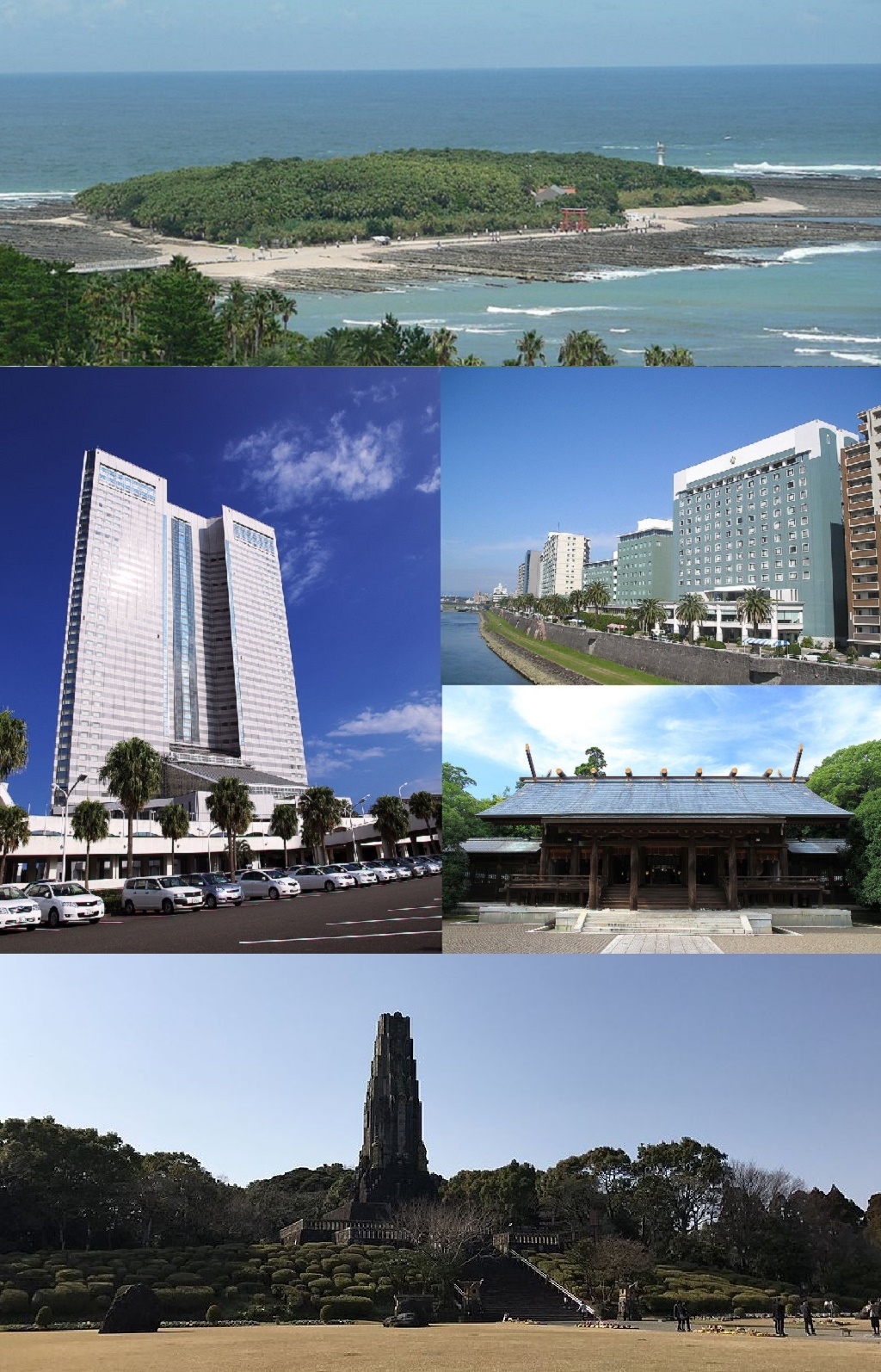 ✦ 89
✦ 89 ✦ 81
✦ 81 ✦ 81
✦ 81 ✦ 91
✦ 91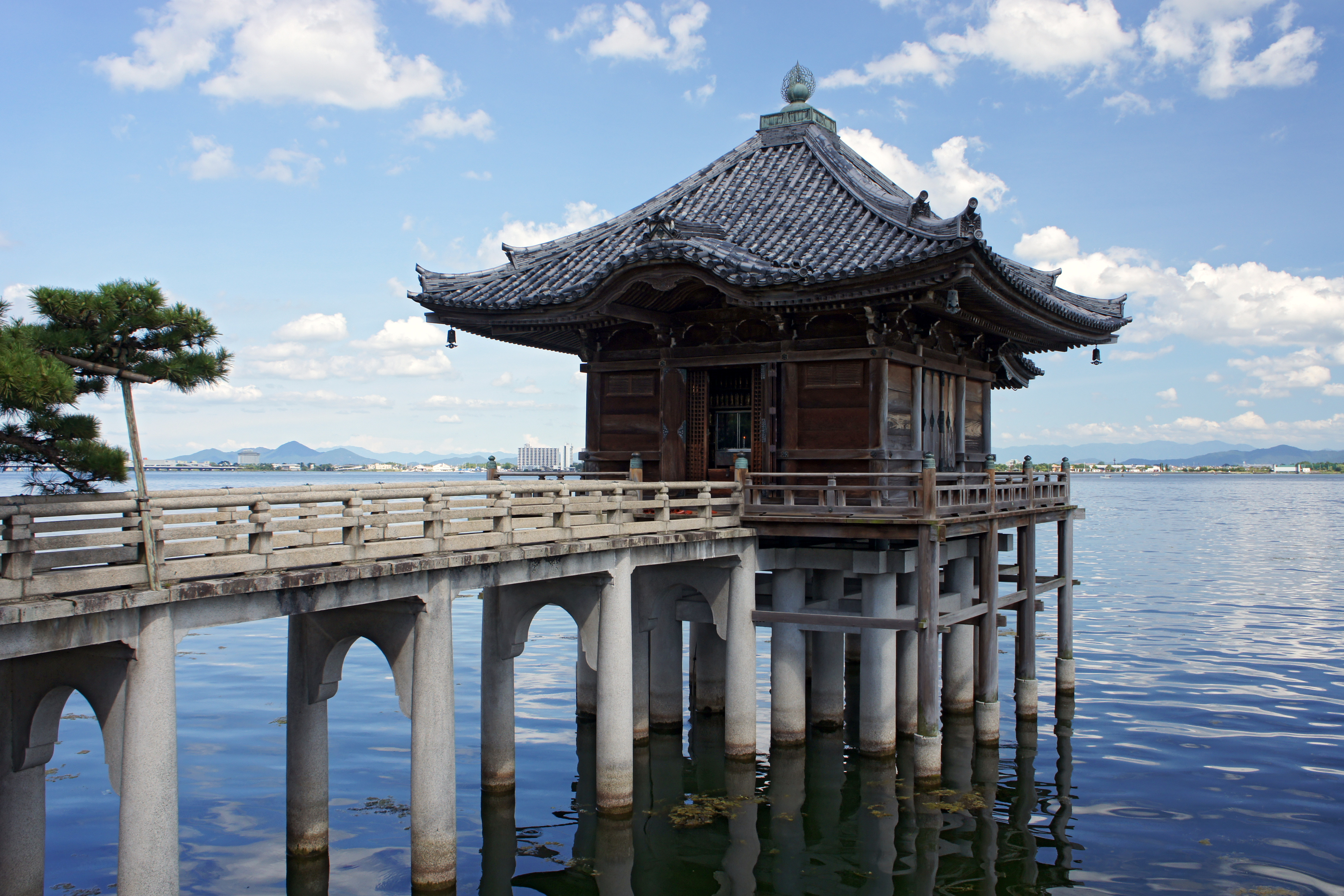 ✦ 81
✦ 81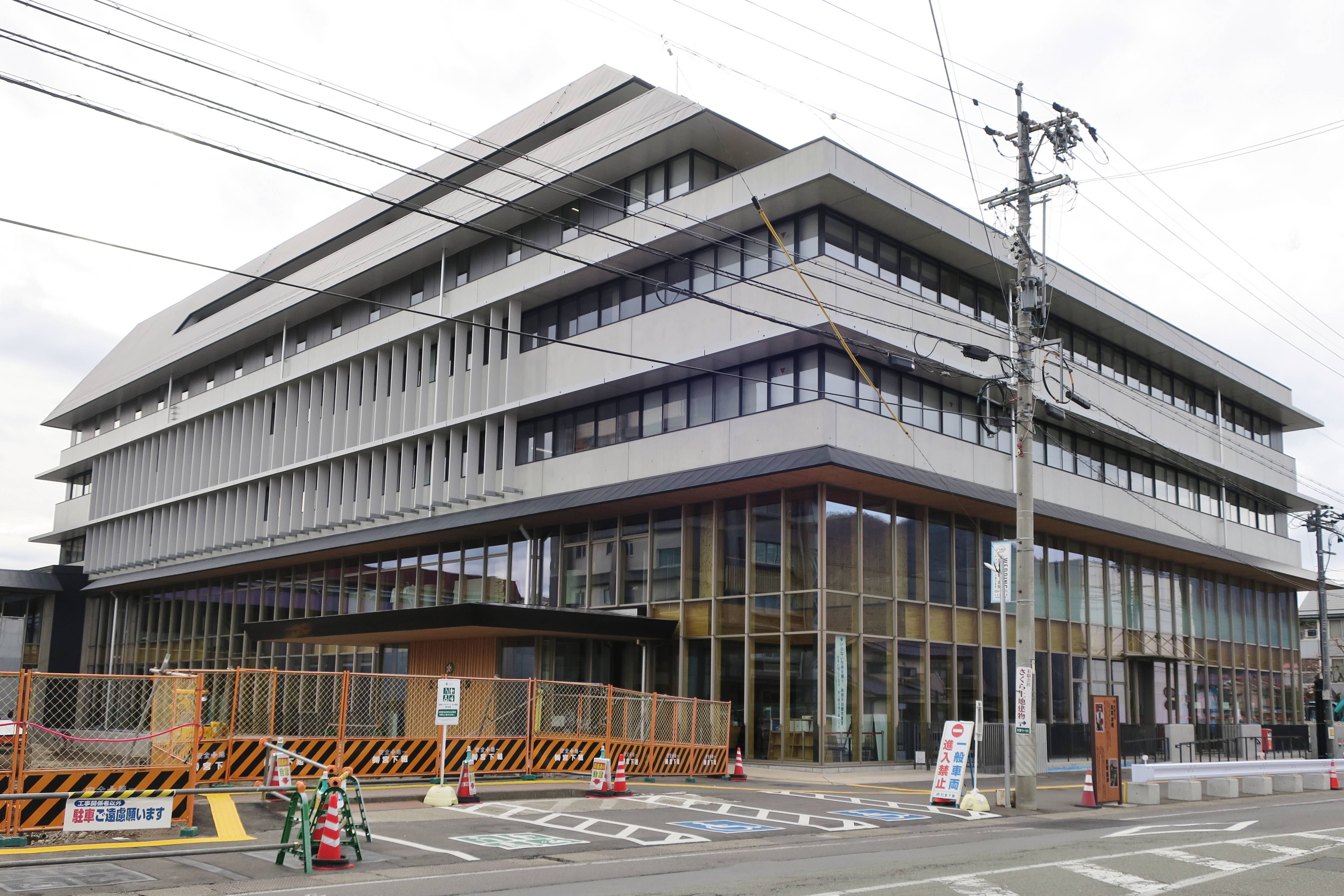 ✦ 88
✦ 88Getting Your Income Documentation Story Straight
The points calculation rewards income, but the immigration office doesn't take your word for it. You'll need to document your annual salary in a way that's legible to Japanese immigration reviewers, which means employment contracts, salary statements, and in some cases tax certificates - all translated and organized in a format that makes the income figure unambiguous. If your compensation includes bonuses, stock, or variable components, be prepared for those to be treated skeptically or excluded from the calculation entirely. Base salary is what counts.
For US remote workers who have received a job offer from a Japanese company, this is usually straightforward - the offer letter states the annual salary and the employer handles most of the Certificate of Eligibility paperwork. Where it gets complicated is when your prior income history is being used to demonstrate professional credibility rather than current earnings. Work experience points require documented proof: employment contracts from previous jobs, reference letters on company letterhead, sometimes official business registration records if you worked for smaller firms. If you freelanced for several years before taking a salaried role, that period may be difficult to document in a way that satisfies the points reviewers.
The income documentation also matters for renewal. When your five-year period of stay comes up for renewal, you'll need to demonstrate continued compliance - including tax filing and social insurance enrollment. If your salary changed, if you changed employers, or if there was a gap in employment, those are conversations to have with an immigration specialist before the renewal window, not during it.
The Housing Requirement and What People Get Wrong
Japan doesn't require you to show a signed lease before your visa is issued, but you do need a Japanese address to register your residence after you arrive, and that registration is not optional. Within 14 days of landing, you're required to register at your local city or ward office. That registration triggers enrollment in the national health insurance and pension systems, which are mandatory for HSP holders regardless of whether your employer also provides coverage.
The practical problem is that getting a lease in Japan as a foreign national before you have a residence card is difficult. Most landlords require a guarantor, and many agencies won't work with someone who doesn't yet have a registered address or a Japanese bank account. The sequence feels circular because it is. Most people resolve this through their employer, who either provides temporary housing, acts as a guarantor, or has relationships with agencies that handle foreign employees. If your employer isn't offering this kind of support, it's worth asking directly before you arrive, because landing in Tokyo with a confirmed visa and nowhere to register your address within two weeks is a stressful situation that's entirely avoidable.
What Actually Happens After You Land
Visa approval and having a functioning life in Japan are separated by a series of administrative steps that take longer than most people anticipate. The residence card is issued at the port of entry, which is efficient. Everything after that unfolds at the ward office, the bank, the pension office, and sometimes the tax office, in an order that matters because each step often depends on the previous one.
You cannot open a Japanese bank account without a residence card and a registered address. You cannot register your address without a place to live. Your employer's payroll system may not be able to process your first salary until your bank account is set up, which can mean a delay of several weeks before you receive any income in Japan. If you're arriving with limited savings, that gap is worth planning for explicitly.
The social insurance enrollment - health insurance and the employees' pension system - is typically handled by your employer for salaried HSP holders, but you should confirm this rather than assume it. If there's any ambiguity about your employment classification, or if you're in a situation where you're technically a contractor rather than a direct employee, the enrollment obligation falls to you individually and the process is more cumbersome.
There's also the matter of your first Japanese tax filing. The fiscal year runs January to December, and if you arrive mid-year, your first filing will cover a partial year. The non-permanent resident rules apply from the start, so foreign-source income not remitted to Japan may be excluded, but you need to be tracking what you're bringing in and keeping records from day one.
The Long-Term Path: PR and Citizenship in Practice
The accelerated permanent residency timeline is real, but the documentation requirements are extensive enough that people are sometimes surprised by the scrutiny involved. For the one-year track, you need 80 points or more on the HSP calculation at the time of application, continuous HSP status, tax compliance, pension enrollment, and good conduct. The three-year track requires 70 points. Both tracks require that you've maintained your points score throughout - not just at the moment of application - and immigration reviewers will look at your tax returns, your social insurance payment history, and your employment record for the full qualifying period.
Citizenship is a separate and significantly longer process. The general requirement is five consecutive years of residence, which for HSP holders who reach PR relatively quickly means the total timeline from arrival to naturalization eligibility could theoretically be six to eight years. In practice it tends to be longer, because the Legal Affairs Bureau process involves multiple in-person visits, extensive documentation of financial stability and integration, and discretionary approval. Japan does not permit dual nationality for naturalized adults in principle, which is a meaningful decision for US citizens - you would be expected to renounce your US citizenship, and that is not a bureaucratic formality.
The Standard Work Visa Comparison
The Engineer/Specialist in Humanities/International Services visa - the standard work visa for most foreign professionals in Japan - has a lower documentation burden and no points requirement. If you have a job offer and a relevant degree or work experience, you can likely qualify. What you give up is the immigration flexibility that HSP status provides: the longer initial period of stay, the ability to bring family members under more favorable conditions, and most significantly, the accelerated path to permanent residency.
For someone who is uncertain whether Japan is a long-term home, the standard work visa is not an unreasonable starting point. You can change status from within Japan if your situation evolves. The HSP is worth the additional documentation effort if you're planning to stay long enough for the PR timeline to matter - and if you're confident your points score is solid enough to hold up under scrutiny. If you're borderline on points and your documentation is thin in places, applying for the standard visa first and building your record in Japan before switching is a legitimate strategy, not a fallback.
Work Permissions
Application Steps
- 1
📋 Calculate your HSP points score
1-2 weeks
- 2
📋 Secure a job offer or academic position in Japan
1-3 months
- 3
📄 Gather and prepare documents
2-3 weeks
- 4
⏳ Employer files Certificate of Eligibility (COE)
1-3 months
- 5
📬 Apply for visa at Japanese consulate
1 week
- 6
🏛️ Register in Japan and apply for Permanent Residence fast-track
1 year+
Frequently Asked Questions
Click any question to expand the answer.
Ready to Apply?
Work with trusted visa specialists who handle the paperwork so you can focus on your move.
Get help with this visa →* We may earn a commission if you apply through our link
At a Glance
Last verified: July 15, 2026