Indonesia Digital Nomad Visa (B211)
Indonesia · Asia
Data updated Sep 3, 2026
Application Fee
$150
Difficulty
Easy
Overview
Indonesia’s B211 digital nomad visa is built around proof of modest savings rather than a strict income floor. From the available official guidance and visa agents’ checklists, the key hard number is a minimum balance of 2,000 USD in your bank account; a mix of remote salary, rental income, dividends, or ETF withdrawals is acceptable as long as it feeds that balance. The minimum monthly income requirement is 387 USD as of 2026, so a FIRE retiree drawing 3,800 USD/month from US index fund dividends or rental income can qualify as long as recent bank statements clearly show at least 2,000 USD on hand and stable inflows.
Duration and renewal are less clean-cut than in purpose-built nomad programs. In practice the B211 (often labeled B211A) is granted initially for 60 days and can be extended several times to reach roughly 180 days in Indonesia, but the exact duration and renewable status can vary by immigration office. There is no codified maximum consecutive absence or annual presence requirement; this is a visit visa, not a residency permit, so you don’t accrue “years toward PR” by holding it. Someone wanting a 10‑year base should view this as a medium‑term stay tool, not a residency track.
None of the classic high-friction items are mandated here: the program confirms no apostille, no FBI background check, no medical exam, and no interview. You can apply fully online with scans of your passport, a passport photo, proof of onward travel, and bank statements showing the 2,000 USD minimum. Application fees are USD 150 as of 2026, and processing time varies by consulate and agent; e‑visa rejection fees are non‑refundable, so the real “bureaucracy cost” comes from document errors rather than formal red tape. The program’s bureaucracy score of 1 / 5 reflects that once documents are correct, the process is streamlined compared to classic residence permits.
There is no direct route from B211 status to permanent residency or citizenship Indonesia’s long‑term relocation routes instead run through other visas such as the Second Home or investor/retirement categories, which have higher financial thresholds than the 2,000 USD savings required here. Someone planning to base in Indonesia for 5–10 years needs to treat B211 as a scouting or bridge tool before committing to a more substantial permit.
This arrangement makes most sense if your foreign income is at least 3,000–4,000 USD/month, you can show 2,000 USD cash, and you want up to about 6 months at a time in Indonesia without touching local employment. It’s a poor fit if your goal is a clear, codified path to permanent residence, or if your budget depends on working for Indonesian clients or employers, which falls outside what this visit‑class digital nomad structure is designed to support.
Eligibility Requirements
Any nationality can apply in principle for Indonesia’s B211 digital nomad visa, as the visa facts list nationality restrictions as applying to all rather than a closed eligibility club. In practice, applicants from heavily sanctioned or diplomatically strained states such as Iran, North Korea, Syria, Cuba, and, in some contexts, Russia or Afghanistan can encounter consular refusals, banking hurdles, or security reviews that make successful issuance far less likely even if the legal framework doesn’t categorically bar them. Before assembling documents or paying agent fees, verify current eligibility and any country‑specific handling notes directly with Indonesia’s Directorate General of Immigration (Direktorat Jenderal Imigrasi) via its official portal or nearest Indonesian embassy or consulate.
Application Fee
$150
Requirements Checklist
• Identity: passport valid for at least 6 months from arrival; recent passport-sized photograph; completed visa application form.
• Financial: personal bank statement showing at least USD 2,000 balance.
• Employment: employment contract with a company established outside Indonesia.
Tax Information
Local tax picture for B211 digital nomads
Indonesia does not publicly frame a special tax regime tied specifically to the B211 digital nomad visa; the key distinction is between being a tax resident and a non‑resident. The general system operates on worldwide taxation for residents and Indonesian‑source taxation for non‑residents. As long as you’re on a B211 and keep your stay under the 183‑day threshold in any 12‑month period, you are normally treated as a non‑resident and taxed only on Indonesia‑source income. Remote salary paid by a US, Canadian, Australian, or EU company into a foreign account, foreign rental income, and ETF dividends from a foreign brokerage are considered foreign‑source and, in practice, fall outside Indonesian tax for non‑residents.
Capital gains on foreign investments, such as selling VTI or VWRA in a US or Irish brokerage, are foreign‑source as long as no Indonesian entity is involved. For a non‑resident on a B211 who does not cross 183 days, those gains are generally outside Indonesian tax; there is no published exception that would pull foreign portfolio gains into the Indonesian net for non‑residents.
Tax residency is triggered primarily by physical presence: spending 183 days or more in Indonesia in any 12‑month period usually makes you a tax resident, regardless of visa label. Some commentary mentions 183 days in a calendar year; either way, if you extend or string multiple B211s and your total days reach that range, expect Indonesian worldwide taxation to become relevant. Residency does not arise just because the B211 is granted; it’s about days on the ground.
Local registration and filing obligations follow from residency status. Non‑residents with no Indonesian‑source income generally don’t need to register for a tax ID (NPWP) or file annual returns. Once you approach 183 days or earn any Indonesian‑source income (e.g., local consulting, Indonesia‑based rental, or business profits), you should plan to obtain an NPWP, register with the Direktorat Jenderal Pajak, and file returns on the Indonesian calendar. Exact deadlines and mechanics vary, so anyone nearing the 183‑day mark should get local advice before the first full tax year close.
Tax treaty status with the US does not exist, so you cannot assume relief on double taxation of pensions, dividends, or Social Security through a treaty. In practice, many expats rely instead on unilateral foreign tax credits in their home country rather than a treaty‑based exemption.
For US Citizens and Green Card Holders
US persons on a B211 remain fully taxable by the IRS on worldwide income regardless of Indonesian treatment. Three tools matter most: the Foreign Earned Income Exclusion (FEIE), foreign tax credits, and foreign asset reporting.
FEIE, claimed on Form 2555, applies only to earned income: remote salary, freelancing, and consulting. For 2026, up to 132,900 USD of foreign earned income can be excluded if you qualify. B211 holders are generally better positioned for the Physical Presence Test, which requires 330 full days outside the US in any 12‑month period; frequent visa runs around Southeast Asia still count as foreign days. The Bona Fide Residence Test is harder to rely on with a visit‑class visa that does not create formal long‑term residence.
Form 1116 foreign tax credits (FTC) only help when you pay significant Indonesian tax on the same income the US taxes. If you deliberately keep your Indonesian days under 183 so you remain a non‑resident and pay 0% locally on foreign salary and passive income, there is no Indonesian tax to credit, and the FTC does nothing for that income stream. If you cross into Indonesian tax residency and start paying Indonesian rates on salary or business income, FTC becomes relevant and can offset US tax on that income.
FBAR (FinCEN 114) kicks in if the aggregate value of all non‑US financial accounts exceeds 10,000 USD at any moment in the year. This is separate from FATCA Form 8938, which has higher thresholds but overlaps conceptually. The B211 itself does not require a local bank account, but many long‑stay visitors open Indonesian accounts for convenience; all of those count toward FBAR thresholds. Non‑willful FBAR penalties start around 16,700 USD per year (2026, inflation-adjusted), so this is not paperwork to ignore.
To navigate this cleanly, you need two professionals: a US CPA who specializes in expat taxation and understands FEIE, FTC, FBAR, and Forms 2555, 1116, 8938, plus a local Indonesian tax advisor for residency determination, NPWP registration, and any required Indonesian filings. The 1,500–3,000 USD you spend in year one on that combined advice often pays for itself through optimized FEIE/FTC strategy and by avoiding penalties that quickly reach five figures.
Living in Indonesia
COL Index vs NYC
24.6
Monthly Cost (excl. rent)
$430
1BR Rent (City Center)
$311
Safety Index
54.0
Healthcare Index
60.9
Quality of Life Index
102.4
Time Zone
UTC+07:00
Capital
Jakarta
Population
273.5M
Official Languages
Indonesian
Avg Internet Speed
75 Mbps
Public Transit Quality
Fair
With a budget covering rent and living costs, you'd need roughly $741/mo for a comfortable single-person lifestyle in Indonesia.See how far your money goes →
🏙️ Best Cities in Indonesia for Digital Nomads
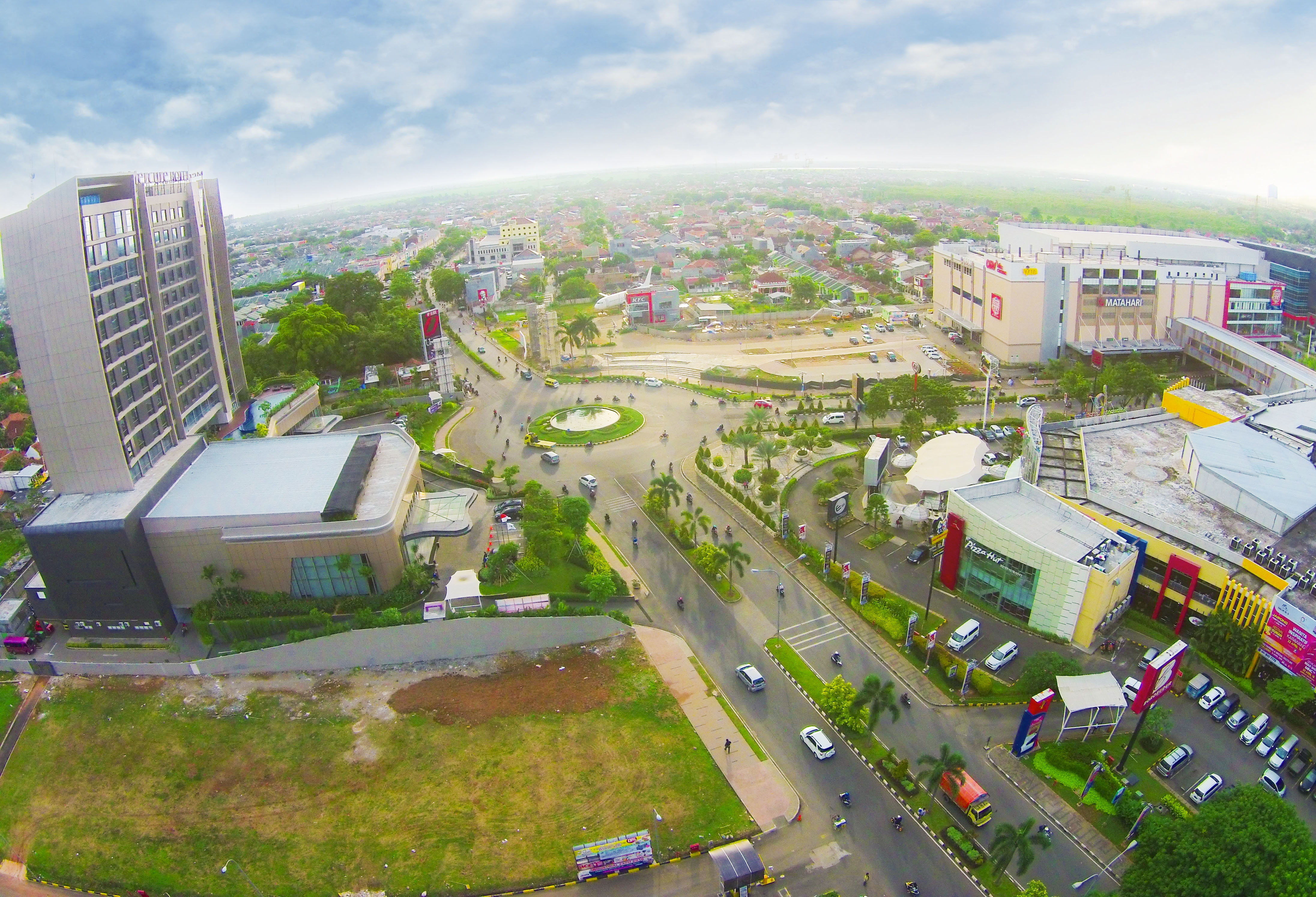 65
65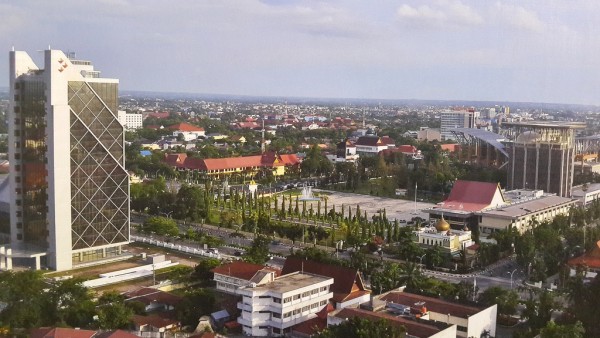 60
60 66
66 ✦ 77
✦ 77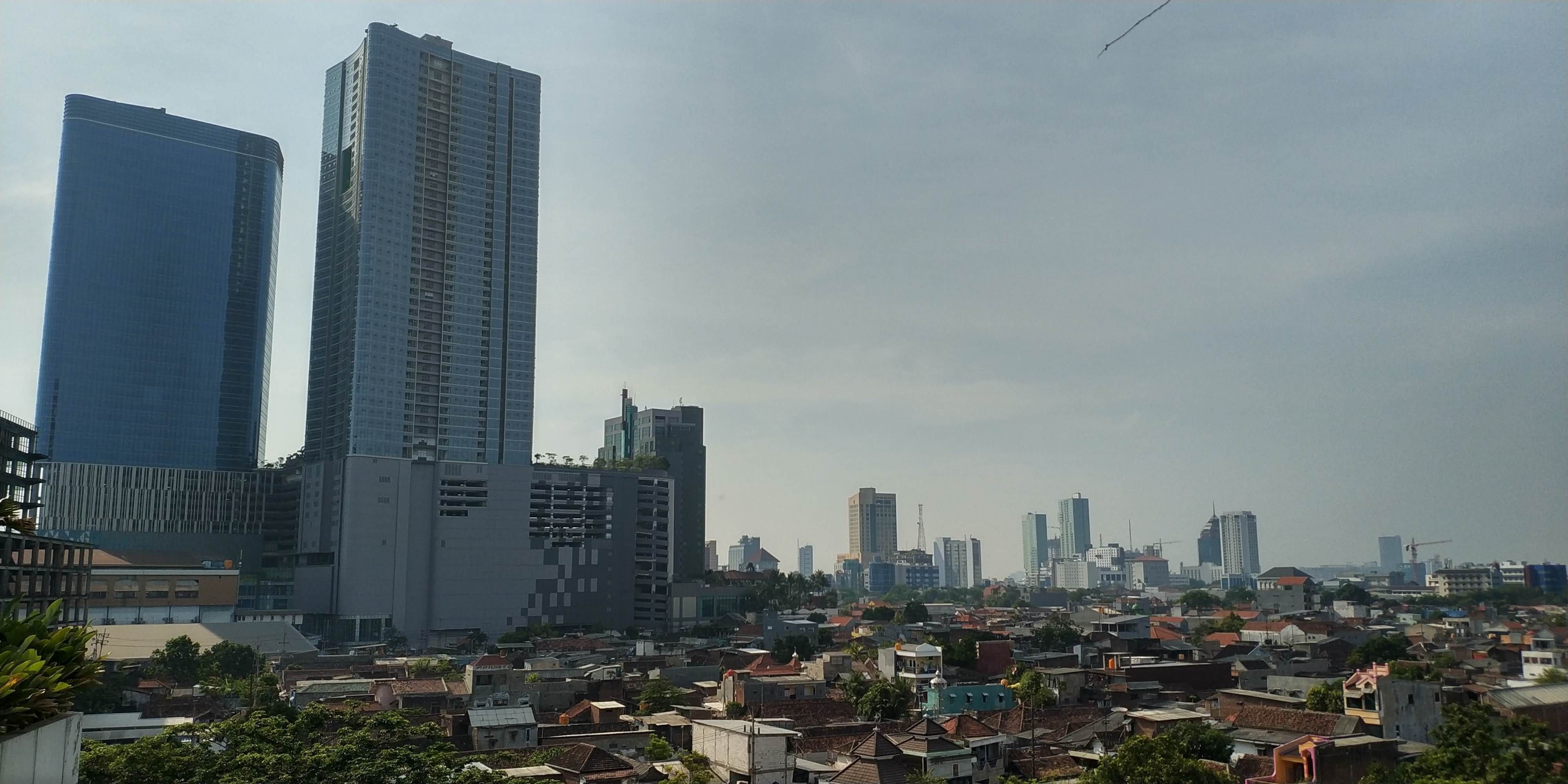 67
67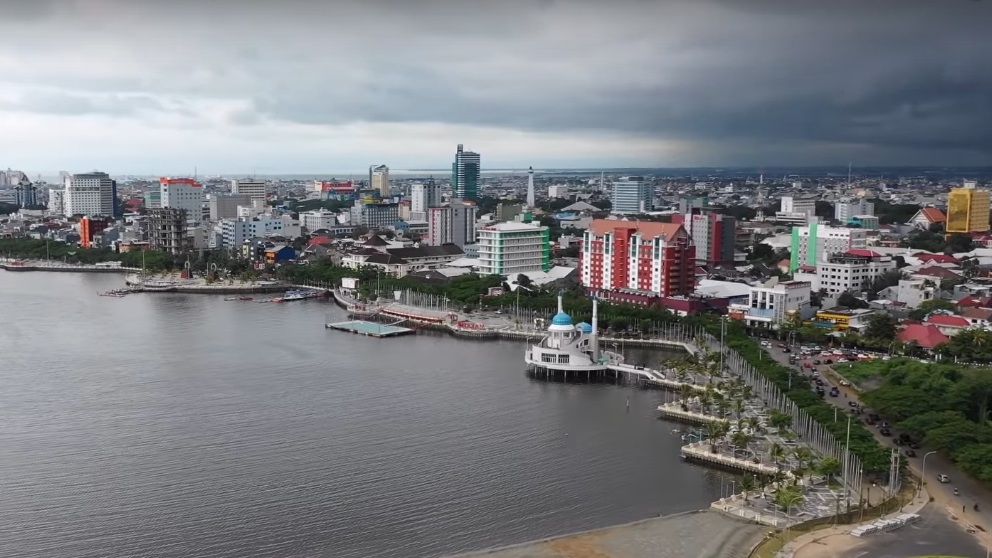 64
64The Employment Contract That Actually Works
The requirement says an employment contract with a company established outside Indonesia. That sounds straightforward. The trouble starts when immigration interprets what a contract is. A freelance agreement, a client service agreement, a letter of engagement. These can all fail the test if they do not look like a traditional employment relationship. The officer wants to see an employer, not a client. A salary, not a project fee. A clear statement that you are an employee, not an independent contractor, even if your tax status back home says otherwise.
Your contract needs to name the company, state your role, and list your monthly compensation. The amount must meet or exceed the $387 threshold, but the number itself is rarely the problem. The problem is the company’s identity. If the business is registered in a jurisdiction that is hard to verify online, the officer may ask for a certificate of incorporation or a business license. You are not required to submit those upfront. Having them ready can prevent a delay that turns into a rejection.
The contract must be in English or accompanied by a certified translation. A contract in a language the officer cannot read is treated as if it does not exist. If your employer uses a standard template that references local labor laws, strip out anything that could imply you work in Indonesia. The entire premise of this visa is that your economic activity happens outside the country. Any hint that you might be performing work for an Indonesian client or operating locally will get the application flagged. Keep the contract clean, international, and boring. That is the version that gets approved.
The Bank Statement Trap
A personal bank statement showing at least $2,000. That is the financial document the application asks for. It is such a small number that many applicants treat it as an afterthought. That is the mistake. Immigration officers in Indonesia are trained to spot statements that were padded right before the application. A large deposit three days before you submit, a balance that hovered at $200 for months and then jumped to $2,000 overnight. Those patterns invite a request for explanation, and explanations rarely help.
Submit a statement that covers at least three months. The balance does not need to be high. It needs to be stable. A consistent $2,500 over 90 days looks better than a sudden $5,000. The statement should come from a personal account in your name. Business accounts raise questions about whether you are trying to run a company from Indonesia. If your bank issues statements in a language other than English, get a certified translation. Unofficial translations get rejected.
The $2,000 figure is a floor, not a target. If you have more, show more. The officer is not looking for wealth. They are looking for evidence that you can support yourself without working locally. A statement that shows regular income deposits alongside the balance reinforces the employment contract. It tells a coherent story: you earn money abroad, it lands in this account, and you have enough to live on while in Indonesia. That story, told through two documents that match each other, is what moves an application from pending to approved.
Why You’ll Want an Agent Even Though It’s Online
The Indonesian immigration portal accepts applications from anywhere. You fill out a form, upload documents, pay $150, and wait. On paper, that is the entire process. In practice, the portal is prone to timeouts, unclear error codes, and submission failures that do not generate a receipt. When something goes wrong, there is no live support. You email an address that may or may not respond. You wait. You guess.
Visa agents charge a fee on top of the government’s $150. What you are buying is a human on the ground who knows which immigration office will process your application and what that office’s unwritten preferences are. Some offices want the bank statement in a specific format. Some want the employment contract to include the company’s tax ID. An agent who has submitted fifty B211 applications knows these quirks. They also have a direct line to an officer who can check on a stalled application. That alone can cut weeks off the processing time.
The e-visa arrives as a PDF. You print it and present it on arrival. The agent’s job does not necessarily end there. They can brief you on what to say at the immigration counter, which line to use, and what to do if the officer asks for a document you were not told to bring. Most applicants who use an agent never encounter a problem at the border. Most who do not use an agent still get through. The difference is the number of sleepless nights between submission and the stamp in your passport. For a visa this cheap, the agent’s fee is insurance against a process that can feel designed to frustrate.
The Judgment Call Against Other Digital Nomad Visas
The B211 sits in a strange position. Most digital nomad visas demand monthly income in the thousands. Some require proof of savings that run to five figures. Indonesia asks for $387 a month and a $2,000 bank balance. That gap is not a detail. It is the entire reason this visa exists. It targets people who earn enough to live in Indonesia but not enough to qualify for Estonia, Portugal, or Dubai. If your monthly income fluctuates or you are early in your remote career, the B211 is one of the few doors that opens without a fight.
The trade-off is the lack of a clear residency path. Other countries use their digital nomad visas as a stepping stone to permanent status. Indonesia does not. The B211 is a temporary stay permit. You can extend it, but you are not building toward citizenship. If your long-term plan involves a second passport, this visa is a placeholder, not a vehicle. The bureaucratic friction is the other cost. Countries with higher income thresholds often have more automated, predictable systems. Indonesia’s process is manual and relationship-dependent. An agent can smooth it, but the uncertainty never fully disappears.
For someone earning $4,000 a month, the math might tilt toward a country that offers more certainty and a clearer future. For someone earning $1,200, the choice is simpler. The B211 is the only digital nomad visa in Southeast Asia that does not price them out. The question is not whether it is the best visa in the world. It is whether it is the best visa you can actually get. For a lot of remote workers, the answer is yes, as long as they are willing to trade a little paperwork for a lot of access.
Work Permissions
What's typically permitted:
Application Steps
- 1
📋 Research visa requirements
- 2
📄 Gather required documents
1-2 weeks
- 3
📬 Apply online via portal
- 4
📬 Pay application fee
Same day
- 5
⏳ Wait for approval
- 6
🏛️ Travel and activate visa
Frequently Asked Questions
Click any question to expand the answer.
Ready to Apply?
Work with trusted visa specialists who handle the paperwork so you can focus on your move.
Get help with this visa →* We may earn a commission if you apply through our link
At a Glance
Last verified: July 15, 2026