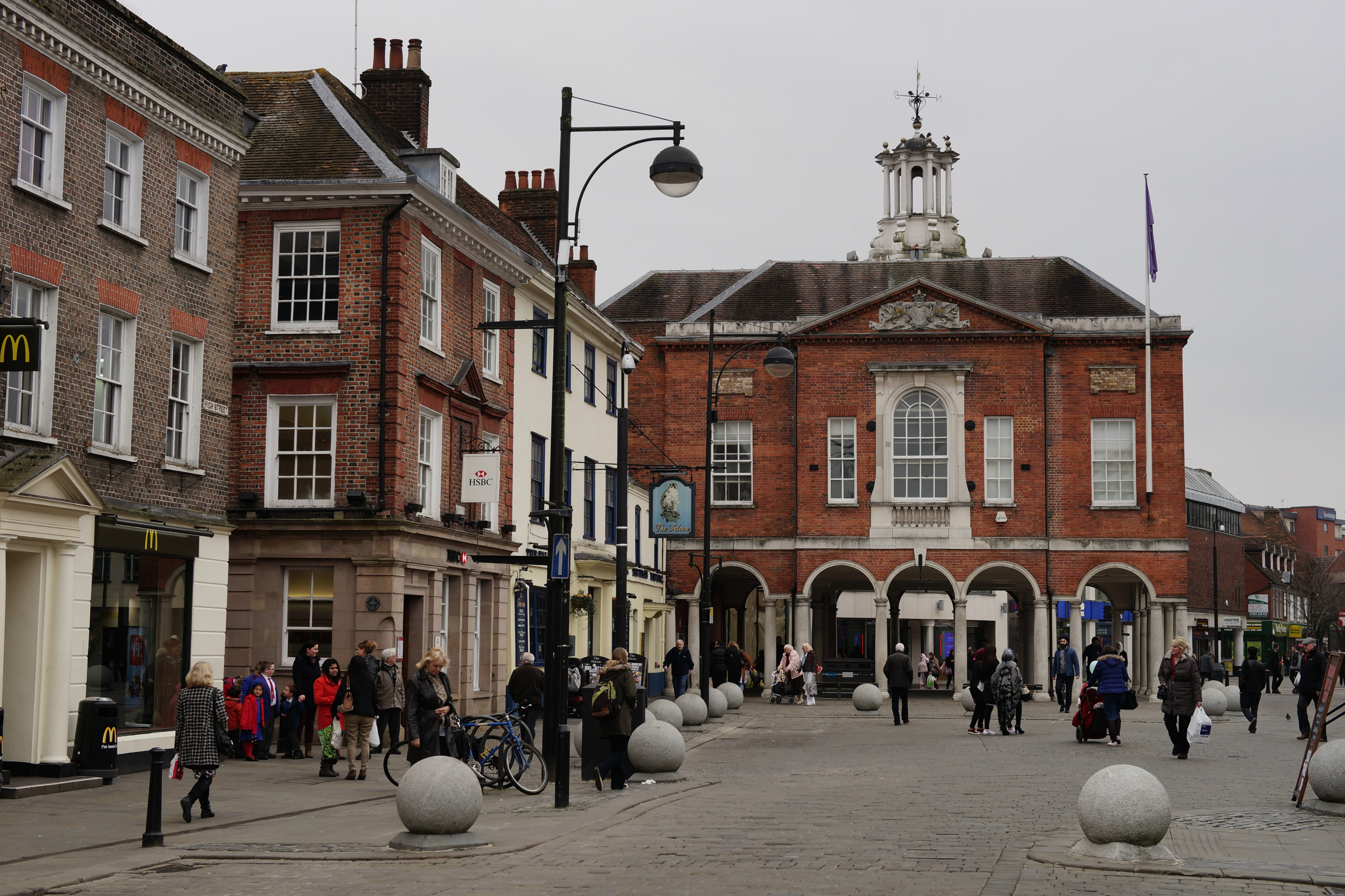
Defense contractors and aerospace firms dominate the local economy, anchored by RAF High Wycombe which houses UK Space Command and multiple NATO operations. BAE Systems, Lockheed Martin, and other defense giants maintain significant presences here, creating a specialized job market for engineers, analysts, and military contractors. The historical furniture industry still exists but has shrunk considerably. Most locals either work in defense/aerospace or commute 30 minutes to London via direct rail for financial services jobs. Salaries reflect the specialized nature of work, but competition is fierce for security-cleared positions.
Expect to pay £1,050+ monthly for a city center one-bedroom, with Home Counties pricing making this one of England's pricier markets outside London proper. The M40 motorway and London Marylebone rail link provide excellent transport, though peak-hour trains get packed with commuters. NHS healthcare access is standard for the UK—generally good but with typical waiting times for non-urgent care. English fluency is obviously essential, and the bureaucracy is standard British efficiency (meaning moderately painful but predictable). Council tax runs £1,200-2,000 annually depending on property band.
The temperate climate delivers mild winters and cool summers with frequent drizzle—classic southern England weather that's neither inspiring nor terrible. Weekend options center on Chiltern Hills hiking, historic market towns, and easy London access for culture. The social scene skews toward defense industry professionals and London commuters, creating a somewhat insular but educated community. Pub culture remains strong, though nightlife is limited compared to major cities. This suits defense contractors, London commuters wanting space, and anyone prioritizing career advancement in aerospace over urban excitement.