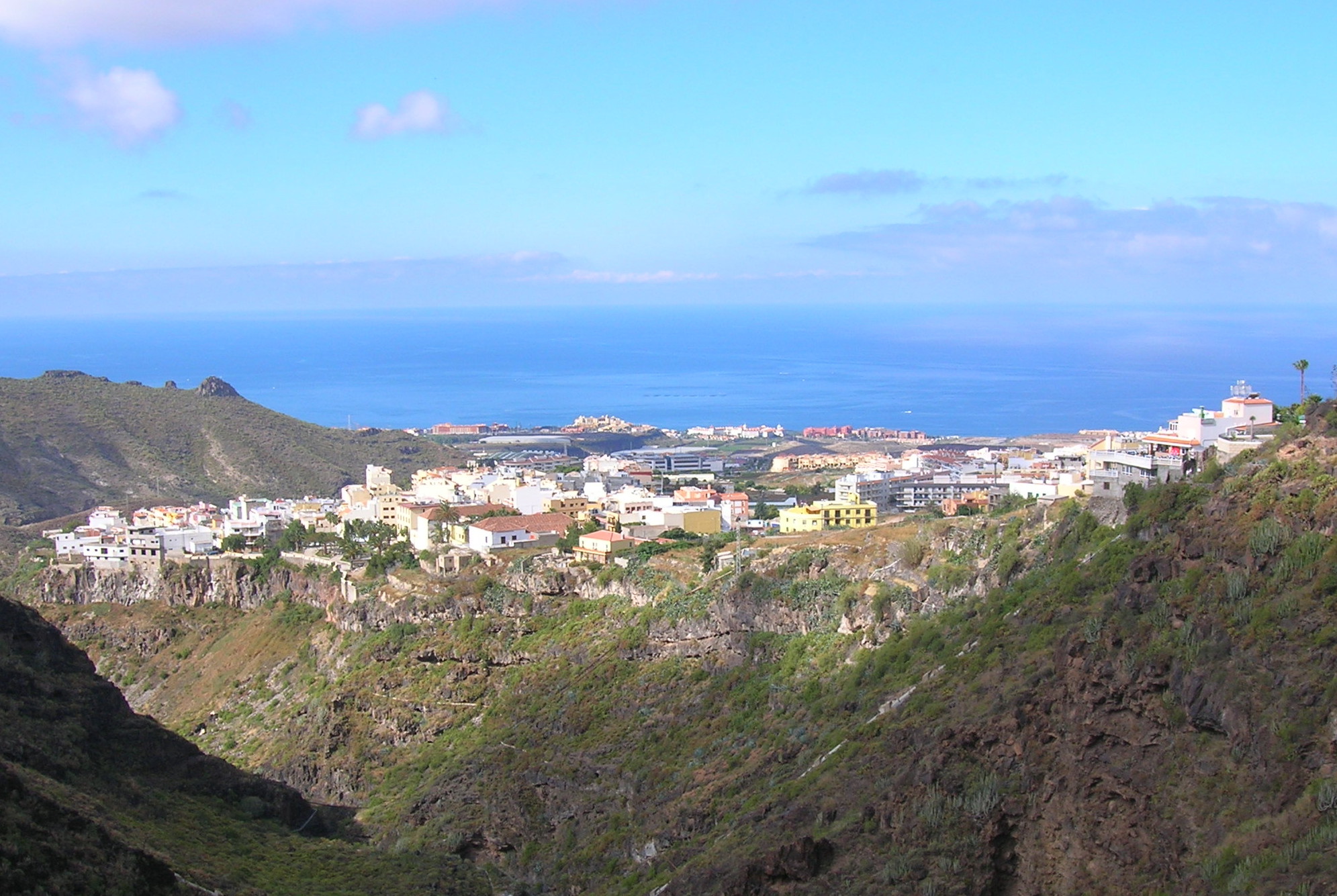
Tourism dominates Adeje's economy—Siam Park water park, 5-star hotels, and resort infrastructure employ most locals directly or indirectly. The municipality hosts Spain's highest concentration of luxury hotels and attracts 3+ million annual visitors. Remote work and seasonal hospitality jobs are abundant, but permanent positions often require Spanish fluency. Agriculture still exists but is marginal; this is a service economy built on visitor spending.
Rent runs $1,100/month for a 1-bedroom city center apartment—expensive for Spain, cheap for a resort town. Spanish bureaucracy is standard EU friction: residency paperwork takes 2–3 months, healthcare access is straightforward once registered. English works in tourist zones but fails inland; Spanish is essential for banking, utilities, and official dealings. The TF-1 motorway connects you to the island; local buses are reliable but infrequent outside peak season.
Expect 300+ sunny days yearly, zero rain for months, and heat that peaks at 28°C (82°F) in summer. Weekends mean beach clubs, hiking volcanic terrain, or day trips to northern Tenerife. The expat community is large but transient—many are seasonal workers or retirees. Adeje suits digital nomads seeking guaranteed weather and easy airport access, or retirees wanting year-round sun without learning much Spanish.
Estimate the cost of moving to Adeje, Tenerife, Spain
Get a free moving cost estimate for moving to Adeje, Tenerife, Spain. Takes 10 seconds.
How much are you shipping?
When are you moving?
Powered by Sirelo. Free quotes from international movers.
🏚️ Cost of Living
💰 Budgets and Costs
$1,380/mo, one person, rent included
Selected: budget lifestyle
Adeje, Tenerife at the budget tier comes to about $1,380 a month for one adult, with $888 of that going to rent. Beyond rent the estimate covers $156 on groceries, $81.00 on dining out, $26.00 on entertainment and lifestyle, $186 on utilities and connectivity and $43.00 on transport.
Rent
$888/mo
1BR outside the centre
Groceries
$156/mo
75% of mid-range grocery spend
Dining out
$81.00/mo
4 inexpensive meals
Entertainment & lifestyle
$26.00/mo
1 cinema trip, 8 cappuccinos
Utilities & connectivity
$186/mo
utilities, mobile, internet
Transport
$43.00/mo
Monthly pass
Budgets (excl. rent)
Single person$492/mo
Excludes rent. The total above is all-in, rent included.
$1,624/mo, one person, rent included
Selected: mid-range lifestyle
Adeje, Tenerife at the mid-range tier comes to about $1,624 a month for one adult, with $888 of that going to rent. Beyond rent the estimate covers $207 on groceries, $202 on dining out, $98.00 on entertainment and lifestyle, $186 on utilities and connectivity and $43.00 on transport.
Rent
$888/mo
1BR outside the centre
Groceries
$207/mo
Staples basket scaled to a full month
Dining out
$202/mo
10 inexpensive meals
Entertainment & lifestyle
$98.00/mo
gym, 2 cinema trips, 12 cappuccinos
Utilities & connectivity
$186/mo
utilities, mobile, internet
Transport
$43.00/mo
Monthly pass
Budgets (excl. rent)
Single person$736/mo
Excludes rent. The total above is all-in, rent included.
$2,105/mo, one person, rent included
Selected: comfortable lifestyle
Adeje, Tenerife at the comfortable tier comes to about $2,105 a month for one adult, with $1,147 of that going to rent. Beyond rent the estimate covers $290 on groceries, $306 on dining out, $133 on entertainment and lifestyle, $186 on utilities and connectivity and $43.00 on transport.
Rent
$1,147/mo
1BR in the centre
Groceries
$290/mo
140% of mid-range grocery spend
Dining out
$306/mo
6 inexpensive meals + 6 mid-range meals
Entertainment & lifestyle
$133/mo
gym, 4 cinema trips, 20 cappuccinos
Utilities & connectivity
$186/mo
utilities, mobile, internet
Transport
$43.00/mo
Monthly pass
Budgets (excl. rent)
Single person$958/mo
Excludes rent. The total above is all-in, rent included.
Estimates for one adult, built from this city's average prices and the usage shown for each tier. Your spending will differ with how often you eat out and where you live.
A 1BR in the center runs about $1146.93/mo. If your income is in another currency, bank FX fees add up. A multi-currency account can cut that cost.
Adeje is genuinely safe for daily life. The town has a relaxed, resort-oriented atmosphere with good police presence and well-lit public areas. Walking at night is generally comfortable, even alone, though common sense applies in any destination. Expats report feeling secure in residential neighborhoods and the seafront promenade, with violent crime being exceptionally rare.
Petty theft and pickpocketing occur occasionally, particularly in crowded tourist zones and on public transport—typical for any Spanish coastal town. Avoid leaving valuables visible in rental cars or unattended on beaches. Scams targeting tourists exist but rarely affect residents. Solo female travelers report feeling safe; harassment is minimal compared to many European cities. The main risk is opportunistic theft rather than confrontational crime.
Spain is politically stable with reliable police and functioning institutions—no geopolitical concerns for expats. Adeje specifically benefits from strong municipal governance and tourism infrastructure. Corruption is low by international standards. The primary consideration is that Adeje is tourist-dependent, so seasonal fluctuations affect atmosphere and services. Overall, it's an excellent choice for Americans seeking a safe, stable European base with Mediterranean lifestyle and established expat infrastructure.
Located in the Gran Sur Shopping Centre, this Regus offers a professional environment with easy access to amenities and transport. It's a reliable option for those seeking a familiar, corporate-style coworking experience in Adeje.
Located in Costa Adeje, Coworking Nomad offers a relaxed and friendly atmosphere, perfect for digital nomads. It features high-speed internet, ergonomic chairs, and a community-focused environment, making it ideal for networking and collaboration.
Located near the main highway, Oficina Virtual Tenerife Sur provides a convenient and affordable coworking option. They offer flexible plans, meeting rooms, and virtual office services, catering to both individuals and small teams.
One of the premier tourist and expat hubs in Tenerife. Very active international community and excellent infrastructure.
Pros
✓ Perfect climate year-round
✓ Strong expat infrastructure
✓ Great beaches
Cons
✗ Tourist overcrowding
✗ Higher cost of living for Tenerife
🏘️ Neighborhoods in Adeje, Tenerife
Areas of Adeje, Tenerife that expats often consider.
Conditions can change from one block to the next, and these descriptions are general guides, not safety assessments. Before choosing where to stay or live, check current travel advisories, talk to people who live there, and visit in person if you can.
Costa Adeje
Upscale resort and beach life
Costa Adeje is known for its luxury hotels, beaches, and golf courses. It's popular with tourists and expats seeking a comfortable, amenity-rich environment. While walkable in sections, a car is helpful for exploring the wider area. Expect higher prices due to the tourist focus.
Playa de las Américas
Lively tourist and nightlife hub
Technically part of Arona municipality but bordering Adeje, this area is a major tourist destination with a vibrant nightlife. It's very expat-friendly with many English speakers. However, it can be noisy and crowded, especially during peak season, and prices are inflated.
Puerto Colón
Marina views, relaxed atmosphere
Centered around the marina, Puerto Colón offers a more relaxed atmosphere than Playa de las Américas, but still caters to tourists. It's a good option for those who enjoy boating and water activities. Expect a mix of residents and vacationers, with decent walkability around the port area.
La Caleta
Charming fishing village, upscale dining
La Caleta is a small, picturesque fishing village that has retained much of its original charm, despite the development around it. It's known for its excellent seafood restaurants and more exclusive feel. Housing options are limited and can be expensive, but the atmosphere is very appealing.
Adeje (Town)
Authentic Canarian, local life
The actual town of Adeje, located slightly inland, offers a more authentic Canarian experience. It's less touristy than the coastal areas, with a slower pace of life. Spanish language skills are essential here. It's more affordable but less convenient for beach access without a car.
El Madroñal
Quiet residential, family-friendly
El Madroñal is a residential area located uphill from Costa Adeje, offering panoramic views. It's popular with families and those seeking a quieter environment. While some expats live here, a car is recommended for getting around. It offers a good balance of tranquility and proximity to amenities.
Torviscas
Busy beach resort, central location
Torviscas is a popular beach resort area located between Playa de las Américas and Costa Adeje. It offers a good selection of apartments and amenities, with easy access to the beach. It can be quite busy, especially during peak season, but it's a convenient location for exploring the south of Tenerife.
Page 1 of 2
Could living/working in Adeje, Tenerife cut years off your work life?
With a 1-bedroom in the center at $1147/mo, your FIRE number here might be much lower than you think.
Adeje, Tenerife has a population of approximately 50,021 people.
A single person can expect to spend around $2,867 per month in Adeje, Tenerife, including rent. A 1-bedroom apartment in the city center costs approximately $1147/month.
The nearest airport to Adeje, Tenerife is TFS, approximately 18.2km away.
Adeje, Tenerife is considered relatively safe, with a safety index of 85.0. As with any city abroad, expats should research specific neighborhoods before committing to a location.
Adeje, Tenerife has an average internet speed of 90 Mbps. It is considered a well-established digital nomad destination.
Yes—coworking spaces exist, WiFi is reliable in tourist areas, and the expat community is established. However, accommodation is pricey ($1,100+/month for 1BR), and you'll pay more than mainland Spain. Seasonal tourism means some services shut down May–September.
Not for daily survival in tourist zones, but yes for bureaucracy, healthcare, banking, and utilities. English-only residents exist but face friction with government offices and local services. Learning basic Spanish saves months of frustration.
Safety index is 85 (good). Petty theft targets tourists in crowded areas; violent crime is rare. Expat neighborhoods like Playa Paraíso are secure. Standard precautions apply—avoid flashing valuables, use registered taxis. Police presence is visible in tourist zones.
Adeje offers a relatively affordable lifestyle compared to many US cities. Expect to pay around €800-€1200 per month for a one-bedroom apartment, depending on the location (Costa Adeje is pricier). Groceries are reasonable, and dining out can range from inexpensive tapas to more upscale restaurants.
The most common route for American retirees is the Non-Lucrative Visa, which requires proof of sufficient passive income or savings to support yourself without working in Spain. You'll need to demonstrate around €2,400 per month in income or have a substantial savings balance. Consult with a Spanish immigration lawyer for the most up-to-date requirements.
Tenerife has a good public healthcare system, but expats often opt for private insurance for faster access and English-speaking doctors. Hospiten Sur in Playa de las Américas is a well-regarded private hospital with English-speaking staff. Private health insurance can cost around €50-€200 per month, depending on your age and coverage.
Internet speeds in Adeje are generally reliable, with fiber optic available in many areas, especially Costa Adeje. You can expect download speeds of 50-300 Mbps, sufficient for most remote work tasks. Check with your landlord or internet provider for specific speeds at your address.
While Adeje doesn't have a huge number of dedicated coworking spaces, you can find options in nearby Playa de las Américas and Los Cristianos. Many cafes also offer a comfortable working environment with Wi-Fi. Consider 'Coworking Nomad' in Playa de las Americas.
Several options exist for international money transfers, including Wise (formerly TransferWise), Remitly, and traditional bank transfers. Wise generally offers the best exchange rates and lower fees. Be aware of potential ATM fees when withdrawing cash, and consider opening a local Spanish bank account.
Adeje enjoys a mild, subtropical climate with sunshine year-round. Summers (June-September) are warm and dry, with average temperatures around 25-30°C (77-86°F). Winters (December-February) are mild, with average temperatures around 18-22°C (64-72°F). Rainfall is minimal, mostly occurring in the winter months.
Costa Adeje is popular for its beaches, restaurants, and tourist amenities, but it's also the most expensive. La Caleta is a charming fishing village with a more relaxed atmosphere. For a more local experience, consider Adeje town itself, which is further inland.
Adeje has a decent public bus system (TITSA) that connects the town with other parts of Tenerife. Taxis are readily available, but can be more expensive. Walking is feasible within smaller areas, but a car is recommended for exploring the island.
As a US citizen, you're still required to file US taxes even when living abroad. The Foreign Earned Income Exclusion (FEIE) allows you to exclude a certain amount of your foreign-earned income from US taxes. You may also need to report foreign bank accounts if they exceed a certain threshold (FBAR). Consult with a tax professional specializing in expat taxes.
Adeje can be a viable option for early retirement, especially if you're comfortable with a slightly lower cost of living than many US cities. You can likely live comfortably on a budget of €1,500-€2,500 per month, depending on your lifestyle and housing preferences. Factor in healthcare costs and potential currency fluctuations.
Adeje has a growing expat community, particularly from the UK, Germany, and Scandinavia. You can find various expat groups and social events through online forums and social media. English is widely spoken in tourist areas, making it relatively easy to socialize, but learning some Spanish will enhance your experience.
While Spanish is the official language, you can manage daily life in Adeje with English, especially in tourist areas like Costa Adeje. However, learning basic Spanish will greatly improve your interactions with locals and open up more opportunities. The pace of life is generally relaxed, and the locals are friendly and welcoming.
Adeje is generally a safe place to live. Petty theft, like pickpocketing, can occur in crowded tourist areas, so be mindful of your belongings. Avoid walking alone in poorly lit areas at night. Overall, Adeje is considered very safe compared to many major cities.
Cost-of-living and visa updates for Adeje, Tenerife and the rest of Spain. Free with RA Postcards.
By submitting your email address, you will receive a free subscription to RA Postcards and special offers from Rewire Abroad and our affiliates. You can unsubscribe at any time, and we encourage you to read more about our Privacy Policy.