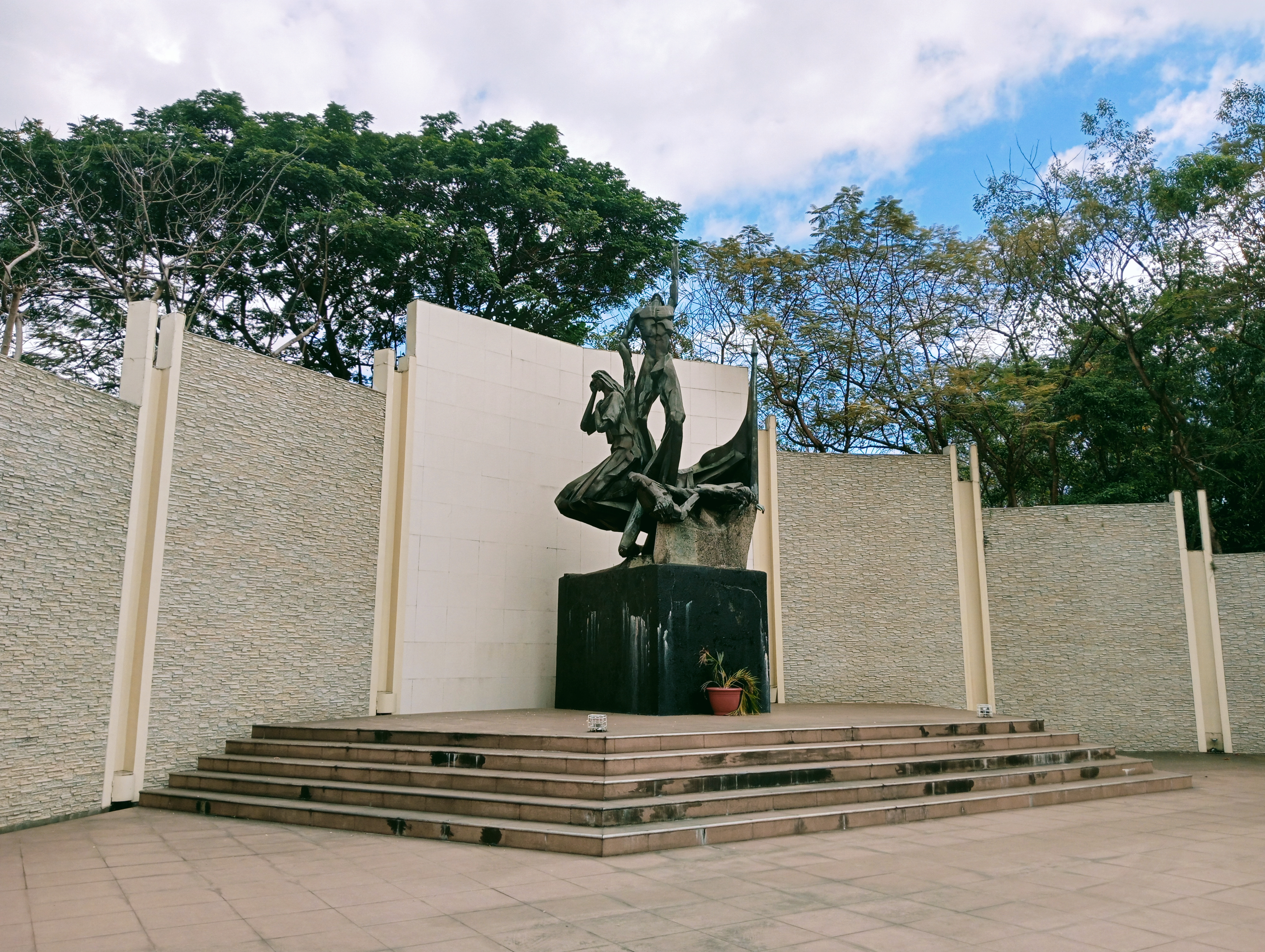
Retail and commerce dominate the local economy, anchored by major shopping destinations like Greenhills Shopping Center and Santolan Town Plaza. Real estate development drives significant economic activity given the prime Metro Manila location, while small businesses cluster around the commercial districts. Job opportunities lean heavily toward retail management, property sales, and service sector roles, though the tiny land area means most residents commute to work elsewhere in the metro. International businesses occasionally set up satellite offices here for the central location, but this isn't a major employment hub.
Expect to pay around $850 monthly for a decent 1-bedroom in the city center, which is steep even by Manila standards given the limited space and high demand. Transportation is actually excellent — you're at the geographic center of Metro Manila with multiple major roads connecting everywhere, though traffic remains brutal during rush hours. Healthcare access is solid with San Juan Medical Center and proximity to major Manila hospitals. English is widely spoken in commercial areas, but basic Tagalog helps with local services. Bureaucracy follows typical Philippine patterns: bring patience and multiple photocopies.
The tropical climate means year-round heat and humidity, with monsoon rains from June to November that can flood low-lying areas. Food options range from upscale mall dining to excellent local eateries, particularly around the heritage district near Pinaglabanan Shrine. Weekend activities center on shopping at Greenhills, exploring the small but interesting historical sites, or using your central location to easily reach other Metro Manila destinations. The expat community is small but present, mostly professionals working elsewhere in the metro. This suits people who want urban convenience in a compact, historically significant area but don't mind paying premium prices for the privilege.
Estimate the cost of moving to San Juan, Philippines
Get a free moving cost estimate for moving to San Juan, Philippines. Takes 10 seconds.
How much are you shipping?
When are you moving?
Powered by Sirelo. Free quotes from international movers.
🏚️ Cost of Living
💰 Budgets and Costs
$420/mo, one person, rent included
Selected: budget lifestyle
San Juan at the budget tier comes to about $420 a month for one adult, with $95.00 of that going to rent. Beyond rent the estimate covers $73.00 on groceries, $16.00 on dining out, $27.00 on entertainment and lifestyle, $179 on utilities and connectivity and $30.00 on transport.
Rent
$95.00/mo
1BR outside the centre
Groceries
$73.00/mo
75% of mid-range grocery spend
Dining out
$16.00/mo
4 inexpensive meals
Entertainment & lifestyle
$27.00/mo
1 cinema trip, 8 cappuccinos
Utilities & connectivity
$179/mo
utilities, mobile, internet
Transport
$30.00/mo
Monthly pass
Budgets (excl. rent)
Single person$325/mo
Excludes rent. The total above is all-in, rent included.
$526/mo, one person, rent included
Selected: mid-range lifestyle
San Juan at the mid-range tier comes to about $526 a month for one adult, with $95.00 of that going to rent. Beyond rent the estimate covers $98.00 on groceries, $40.00 on dining out, $84.00 on entertainment and lifestyle, $179 on utilities and connectivity and $30.00 on transport.
Rent
$95.00/mo
1BR outside the centre
Groceries
$98.00/mo
Staples basket scaled to a full month
Dining out
$40.00/mo
10 inexpensive meals
Entertainment & lifestyle
$84.00/mo
gym, 2 cinema trips, 12 cappuccinos
Utilities & connectivity
$179/mo
utilities, mobile, internet
Transport
$30.00/mo
Monthly pass
Budgets (excl. rent)
Single person$431/mo
Excludes rent. The total above is all-in, rent included.
$2,240/mo, one person, rent included
Selected: comfortable lifestyle
San Juan at the comfortable tier comes to about $2,240 a month for one adult, with $1,704 of that going to rent. Beyond rent the estimate covers $137 on groceries, $74.00 on dining out, $116 on entertainment and lifestyle, $179 on utilities and connectivity and $30.00 on transport.
Rent
$1,704/mo
1BR in the centre
Groceries
$137/mo
140% of mid-range grocery spend
Dining out
$74.00/mo
6 inexpensive meals + 6 mid-range meals
Entertainment & lifestyle
$116/mo
gym, 4 cinema trips, 20 cappuccinos
Utilities & connectivity
$179/mo
utilities, mobile, internet
Transport
$30.00/mo
Monthly pass
Budgets (excl. rent)
Single person$536/mo
Excludes rent. The total above is all-in, rent included.
Estimates for one adult, built from this city's average prices and the usage shown for each tier. Your spending will differ with how often you eat out and where you live.
A 1BR in the center runs about $1703.75/mo. If your income is in another currency, bank FX fees add up. A multi-currency account can cut that cost.
San Juan is a relatively safe provincial city with a calm, residential character that appeals to expats seeking a quieter alternative to Manila. Daytime walkability is good in most areas, though nighttime solo walks aren't recommended—locals typically use tricycles or taxis after dark. The city feels genuinely safer than its reputation suggests, with a strong community presence and lower violent crime rates than major Philippine metros.
Petty theft and pickpocketing occur, particularly in markets and crowded areas; keep valuables secured and avoid displaying expensive items. Scams targeting foreigners are less prevalent here than in tourist zones, but remain possible—be cautious with unfamiliar money changers and unsolicited business offers. Solo female travelers report feeling reasonably safe during daylight, though standard precautions apply: avoid isolated areas, use registered taxis, and stay aware of surroundings.
San Juan benefits from stable local governance and lower political volatility than other Philippine regions. Police presence is adequate, though corruption exists at lower levels—minor traffic stops occasionally involve requests for 'facilitation fees.' The city's provincial status means fewer large-scale protests or security incidents. For Americans seeking a stable, affordable retirement or remote work base with genuine community integration, San Juan presents a solid option with manageable risks and a genuine sense of security.
🏥 Healthcare
Good
Public Hospitals
Yes
Private Clinics
Yes
English-Speaking Doctors
Available
See how San Juan's healthcare compares with Mambajao
🌤️ Climate
Summer Temp
32°C
Winter Temp
26°C
Humidity
78%
Air Quality Index
68
Annual Rainfall
1946 mm
Best Months
MarAprMay
Climate Notes
San Juan experiences a tropical climate with hot, humid conditions year-round, a dry season from November to April, and a wet monsoon season from May to October with frequent typhoons.
💻 Digital Nomad
Avg Internet Speed
90 Mbps
Internet (monthly)
$24/mo
Coworking Availability
Moderate
Coworking Spaces Nearby
16
Digital Nomad Score
67/100
Community Notes
A vibrant coastal city with a growing nomad community.
Located in the heart of San Juan, Clock In offers a professional environment with modern amenities. It's a good option for those seeking a more structured workspace with reliable internet and meeting rooms.
While Acceler8 has multiple locations, it's a popular choice for its upscale design and focus on fostering a collaborative community. It's a bit pricier but offers a premium coworking experience.
The Office Project provides a more laid-back and creative atmosphere, suitable for freelancers and startups. They have locations in Metro Manila, and are easily accessible from San Juan, offering a good balance of affordability and functionality.
See how San Juan's digital nomad life compares with Mambajao
🧳 Expat Life
English Proficiency
Common in Tourist Areas
Expat Community
Small
Top Neighborhoods
San Juan City Centre, Maybunga, Corazon de Jesus
Banks Nearby
2305
ATMs Nearby
578
Expat Life Notes
San Juan is a small, densely populated city within Metro Manila, known as the birthplace of the Philippine Revolution and home to Greenhills Shopping Center. Its location within Metro Manila gives residents full access to the capital's expat infrastructure.
Pros
✓ Central Metro Manila location
✓ English widely spoken nationwide
✓ Good shopping and dining
Cons
✗ Traffic congestion
✗ Dense urban environment
✗ Limited green space
🏘️ Neighborhoods in San Juan
Areas of San Juan that expats often consider.
Conditions can change from one block to the next, and these descriptions are general guides, not safety assessments. Before choosing where to stay or live, check current travel advisories, talk to people who live there, and visit in person if you can.
Bel-Air
Upscale, quiet, residential enclave
Bel-Air is known for its large homes, gated communities, and peaceful atmosphere. It's popular with affluent families and retirees seeking tranquility. While not particularly walkable, it offers a secure and comfortable living environment, though prices are higher than average.
Greenhills
Shopping, dining, entertainment hub
Greenhills is famous for its shopping center, offering everything from high-end brands to bargain finds. The area is bustling with activity and has a wide variety of restaurants and entertainment options. It's a convenient location for those who enjoy shopping and dining, but can be crowded and noisy.
Little Baguio
Residential, convenient, mid-range
Little Baguio offers a mix of residential buildings and commercial establishments. It's a relatively convenient location with access to transportation and amenities. While not as upscale as Bel-Air or as bustling as Greenhills, it provides a more affordable and accessible option for expats.
West Crame
Quiet, residential, family-oriented
West Crame is primarily a residential area with a more local feel. It's a quieter neighborhood, suitable for those seeking a more authentic Filipino experience. While not as expat-centric as other areas, it offers a more affordable cost of living and a chance to immerse oneself in the local culture. Public transit is readily available.
Addition Hills
Residential, schools, family-friendly
Addition Hills is known for its schools and residential areas, making it a popular choice for families. It's a relatively quiet and safe neighborhood. While not a major expat hub, it offers a comfortable living environment and is well-connected to other parts of San Juan.
Corazon de Jesus
Local, residential, budget-friendly
Corazon de Jesus is a more local and less developed area, offering a glimpse into everyday Filipino life. It's a budget-friendly option for those willing to live outside the main expat areas. Expect a more traditional environment with fewer English speakers and a greater need to adapt to local customs.
Page 1 of 2
Could living/working in San Juan cut years off your work life?
With a 1-bedroom in the center at $1704/mo, your FIRE number here might be much lower than you think.
San Juan has a population of approximately 134,312 people.
A single person can expect to spend around $4,259 per month in San Juan, including rent. A 1-bedroom apartment in the city center costs approximately $1704/month.
The nearest airport to San Juan is MNL, approximately 17.8km away.
San Juan is considered relatively safe, with a safety index of 70.0. As with any city abroad, expats should research specific neighborhoods before committing to a location.
San Juan has an average internet speed of 90 Mbps. It is considered a well-established digital nomad destination.
San Juan is among the pricier Metro Manila locations with 1-bedroom apartments averaging $850/month in the center. The small land area and prime central location drive up both rent and daily expenses compared to outer metro areas, though it's still cheaper than Makati or BGC.
Yes, San Juan's central location makes it well-suited for commuting anywhere in Metro Manila via multiple major roads. During rush hours (7–9 AM and 5–8 PM), travel to major business districts typically runs 1–2 hours each way.
The expat community is relatively small due to San Juan's tiny size and residential character. Most foreigners here are professionals working elsewhere in Metro Manila who chose the location for convenience, or retirees attracted to the central location and shopping access at places like Greenhills.
For stays longer than 30 days, you'll need a visa. Many expats initially use a tourist visa and extend it multiple times, but for longer-term residency, explore options like the Special Resident Retiree's Visa (SRRV) or visas tied to employment or investment. Consult with a local immigration lawyer for the best path.
San Juan has several reputable hospitals like Cardinal Santos Medical Center. Healthcare costs are significantly lower than in the US, and many doctors speak English. While the quality is generally good, it's wise to have comprehensive health insurance.
English is widely spoken in San Juan, as it's one of the Philippines' official languages. You'll find it easy to communicate in most situations, from shopping to dealing with government offices. However, learning some basic Tagalog phrases will be appreciated by locals.
For expats, Greenhills is popular for its shopping and dining options, while Little Bagumbayan offers a more local feel. Bel-Air and Corinthian Gardens are upscale residential areas. Your budget and lifestyle preferences will determine the best fit.
San Juan has a tropical climate with distinct wet and dry seasons. Expect hot and humid weather year-round, with the rainy season typically running from June to November. Typhoons are possible, so it's important to be prepared.
Jeepneys are a cheap and iconic mode of transport, but can be crowded. Taxis and ride-hailing apps like Grab are readily available. Traffic can be heavy, especially during peak hours, so plan your journeys accordingly. Consider living near your workplace or frequent destinations.
Internet speeds in San Juan are generally reliable, with fiber optic connections available in many areas. You can expect speeds sufficient for video conferencing and other remote work tasks. Coworking spaces are also available if you prefer a dedicated workspace.
As a US citizen, you're still required to file US taxes even when living abroad. The Foreign Earned Income Exclusion (FEIE) can help you exclude a certain amount of your foreign-earned income from US taxes. Be sure to report foreign bank accounts (FBAR) if they exceed $10,000 in aggregate.
Several international and local banks operate in San Juan, such as BDO, Metrobank, and Citibank. Opening a bank account is relatively straightforward with the right documentation. ATM fees can vary, so compare options. Consider using remittance services like Wise for international transfers.
San Juan can be a viable option for early retirement, especially if you're on a fixed income. With careful budgeting, you can live comfortably on $1,500-$2,000 USD per month. However, consider factors like healthcare costs and potential inflation when planning your finances.
Life in San Juan is generally comfortable for English speakers. You'll find it easy to navigate daily tasks, socialize, and access services. The warm hospitality of Filipinos makes it a welcoming place to live. Embrace the local culture and be patient with the slower pace of life.
The Philippines offers various investment opportunities, including real estate, stocks, and bonds. However, it's crucial to do your research and understand the local market. Consult with a financial advisor familiar with Philippine investments before making any decisions.
Cost-of-living and visa updates for San Juan and the rest of Philippines. Free with RA Postcards.
By submitting your email address, you will receive a free subscription to RA Postcards and special offers from Rewire Abroad and our affiliates. You can unsubscribe at any time, and we encourage you to read more about our Privacy Policy.