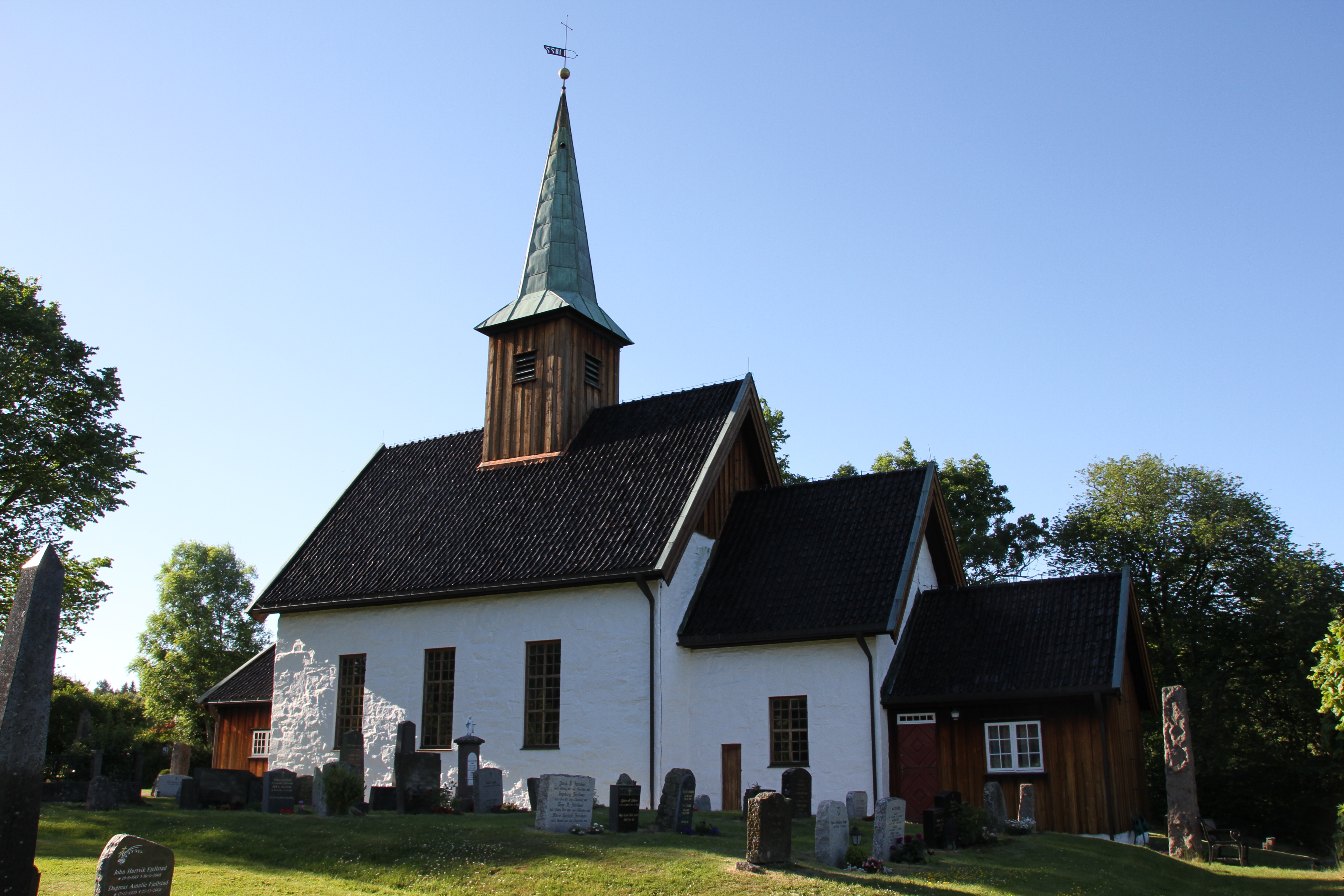
Most people who end up here work in Oslo. The peninsula's largest employer is Sunnaas Hospital, a rehabilitation and specialized medicine center that hires a few hundred staff, but unless you're a medical professional with Norwegian credentials, that door is basically closed. For everyone else, the commute defines the deal: a 23-minute ferry to Aker Brygge or an 8-minute hop to Lysaker, then onward to whatever office you've got across the fjord. The drive takes 45 km and makes no sense. Remote work is the only viable arrangement if you're not already tied to an Oslo salary. Figure on $1,300 a month for a one-bedroom in the center, more like $1,500 to $1,800 if you want a glimpse of the water. Monthly spending outside rent hovers around $1,350, so you're burning through $2,650 a month before you've bought a winter coat. Internet clocks in at a stable 110 Mbps. That's solid. The quiet here isn't a bargaining chip, it's the whole point.
The ferry runs reliably until it doesn't. Winter storms knock schedules around, and when it's minus 3 with a headwind, standing on the dock tests your commitment. Come December, you've got about four hours of daylight, and the darkness presses in. Groceries and restaurant meals sting at 20 to 30 percent above US prices. On the plus side, you won't get robbed. The crime index sits at 12 out of 100, which means you'll leave your bike unlocked and forget why you ever worried. The administrative onboarding, though, is classic Norway: residency registration, tax ID, a bank account. That chain takes two to four weeks and nobody hurries. English gets you through everything because anyone under 50 speaks it fluidly. Healthcare is excellent, anchored by Sunnaas and fast access to Oslo specialists. The expat community is small, tight, and largely composed of people who've already made peace with ferry schedules and Nordic winters. Social life orbits around waterfront cafes or a deliberate trip into the city.
Nesodden works if you're a remote worker or an Oslo commuter who actively wants silence, shoreline, and a kayak instead of a nightlife. Retirees tend to rate it highly, and that retiree score of 83 out of 100 isn't accidental. You get genuine outdoor access, a small creative scene, and enough space that your neighbors aren't breathing down your neck. But this is not a digital nomad hotspot. The digital nomad score of 55 reflects the reality: limited local networking, zero cafe-hopping culture, and a winter that will flatten your mood if you're not built for it. If you need a city buzz, a job market you can walk into, or more than four hours of sun in December, look elsewhere. The ferry stops running eventually every night, and you need to be fine with that.